Tech Giants Redefine 'Recording' With AI Hardware, Sparking Privacy Debate


2 Sources
[1]
We can't just change the definition of 'recording'
With AI hardware, tech companies are pushing the definition of what does and doesn't constitute a recording. For most of gadget history, it'd be reasonable to assume that a device with a microphone or camera is either recording you or it isn't; it's either on or off, without much gray area.
[2]
I'm not worried about Apple Audio Intelligence listening in - but shouldn't get to decide for everyone else
We've all experienced it. You've wrapped up a conversation with a friend or loved one, only to have an advert about the exact thing you were talking about appear the next time you scroll through Instagram or watch a YouTube video. Big coincidence or tech world conspiracy? I'm afraid I don't have
Share
Copy Link
Apple, Google, and Meta are introducing AI-powered hardware that processes audio and visual data without traditional recording. While companies claim privacy safeguards protect users, the technology raises fundamental questions about consent, privacy norms, and whether processing data without saving it still constitutes recording.
AI Hardware Challenges Traditional Recording Definition
Tech giants are fundamentally redefining the concept of recording through AI-powered hardware that processes sensory data without preserving traditional audio or video files.
1
1
that won't save video recordings. Instead, AI uses visual data to create text snippets describing home activities. The system will support facial recognition capabilities without storing any video footage. This same technology is expected to power cameras in rumored future AirPods, marking a significant shift in how AI hardware captures and processes information.Audio Intelligence Introduces Always-Listening Devices
Apple's Audio Intelligence on the Apple Watch Series 12 and Apple Watch Ultra 4 demonstrates this new approach to data capture. The technology includes two controversial features: Live Rewind, which produces transcripts of the past 15 seconds of conversation, and Siri Recap, which generates high-level summaries of daily conversations.
1
1
, with raw data deleted once processed in a separate, secure exclave on the S11 processor. Information sent to the cloud uses private cloud compute, making it inaccessible to Apple or third parties according to the company.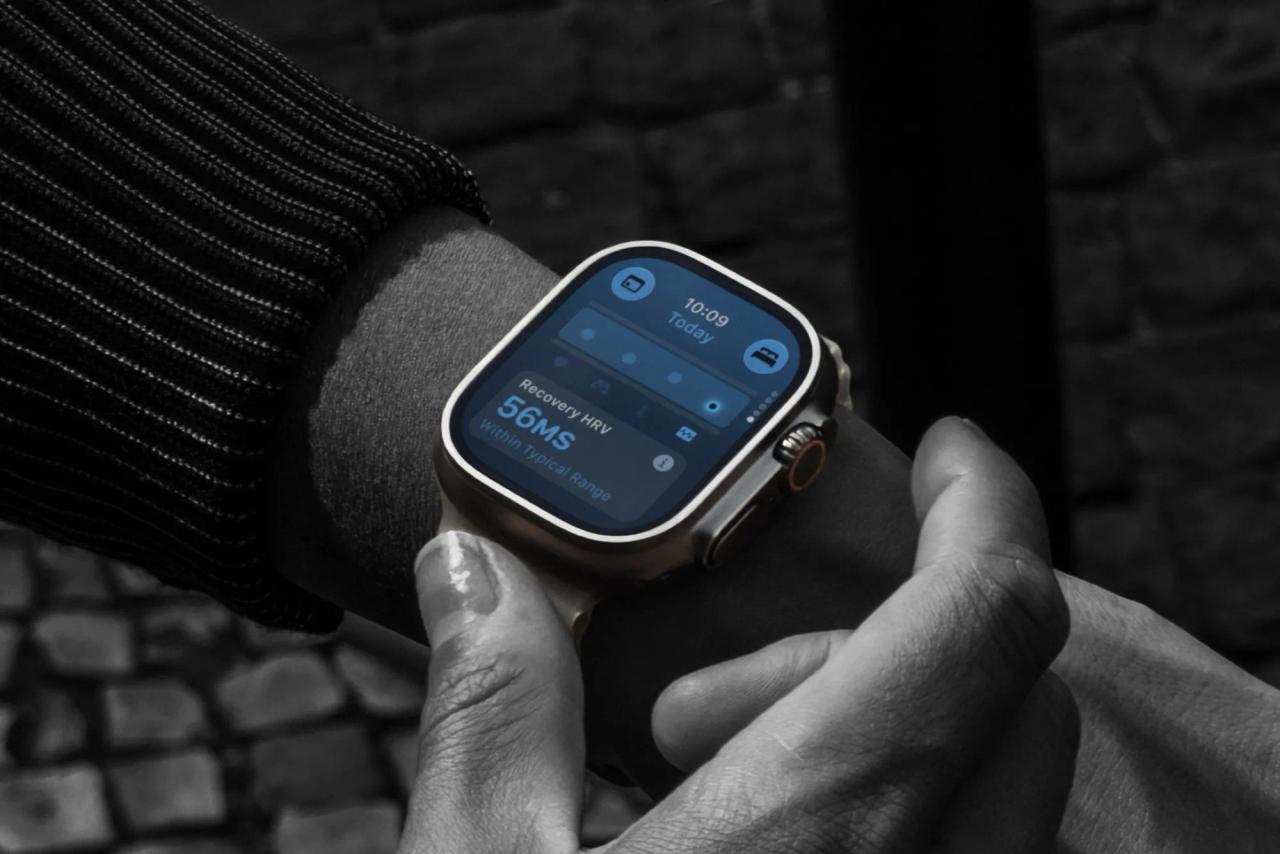
Source: Stuff
2
2
explaining privacy safeguards. The captured audio isn't stored and never leaves the device, being deleted in real time. A shortened version is uploaded to Apple's Private Cloud Compute servers for AI processing, with end-to-end encrypted transcripts sent back. Users must opt in to enable these features.Google and Meta Explore Similar Privacy Approaches
Google is exploring comparable concepts for AI's role in reshaping data capture.
1
1
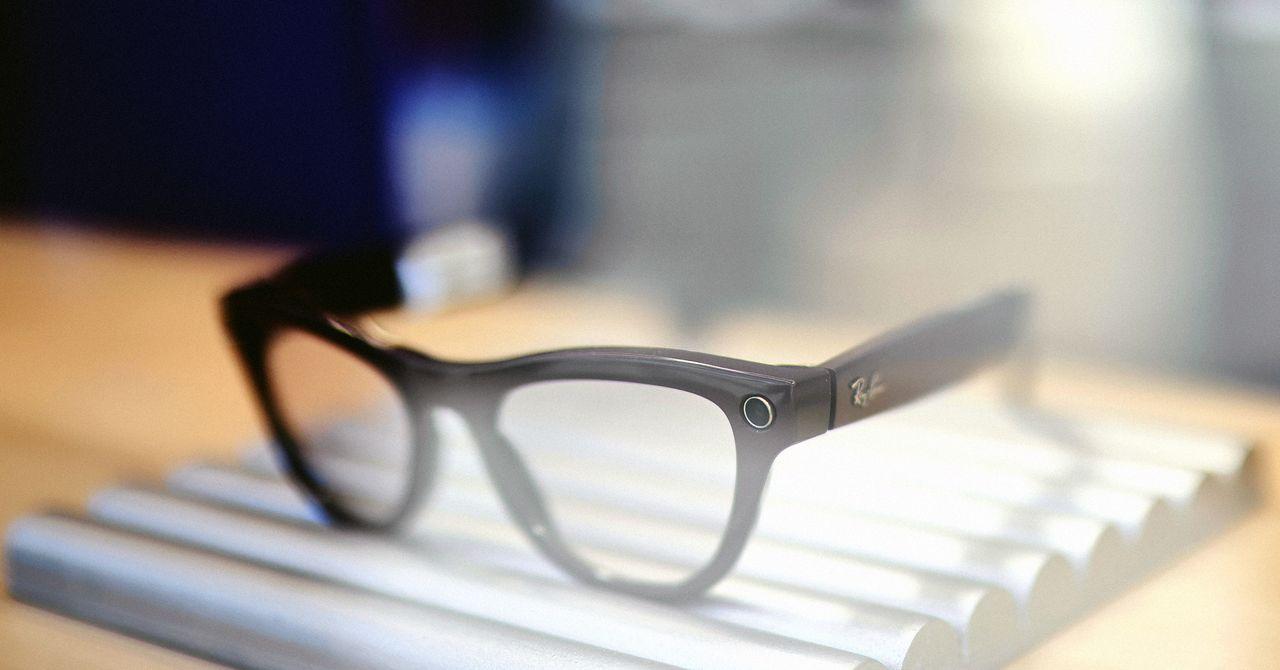
. The glasses could process visual data using AI without saving footage, essentially functioning as image sensors rather than recording devices. This approach contrasts with Meta's Ray-Ban smart glasses, which take photos and record video stored on phones.
Source: The Verge
2
2
in the sense they listen for "hey Meta" commands. Audio is sent to data centers for processing before being deleted. Meta's glasses use a white, pulsing "privacy light" to indicate video recording, though this differs from the universal red recording light standard.Related Stories
Legal Gray Areas and Consent Issues Emerge
2
2
: if no recordings are made, users don't need others' permission to use them. However, the fundamental question remains whether text transcripts generated by smart home cameras or smartwatches count as preserved and reviewable data. Companies may be relying on what can be subpoenaed in court to define recording, redefining the concept of recording in the process.The challenge extends beyond personal data ownership.
1
1
. This new crop of AI hardware asks users to actively steward others' privacy. Humans inhabit multiple environments—restaurants, theaters, offices, sporting venues—each with different privacy norms. While human memories can't be shared objectively, recordings are less subjective and arguably factual.Societal Implications and Future Concerns
2
2
. Consent remains the critical issue that companies and customers struggle to grasp. Once someone steps outside with always-listening devices, they must respect others' views. Whether recordings exist to access later becomes a technicality when the technology processes conversations in real time.1
1
. Products that can record increasingly resemble those that can't. If cameras are added to smart glasses that don't record video footage, distinguishing them from pairs that do becomes impossible. AI rings or pendants that record audio or video may have no indicator lights at all. This blurring of boundaries raises critical questions about signaling intent and maintaining societal trust as AI-powered hardware becomes ubiquitous.References
Summarized by

Navi
[1]
Related Stories
Apple Watch Audio Intelligence Features Spark Privacy Debate Over Always Listening Technology
09 Sept 2026•Technology

Meta AI Glasses Get Recording LED Safeguard Amid Growing Privacy Concerns and Secret Filming Cases
08 Jul 2026•Technology

AI Recording Tools Are Capturing Every Conversation Without Consent, Raising Privacy Alarms
25 Jul 2026•Entertainment and Society
Recent Highlights



Recent Highlights
Today's Top Stories






Don’t drown in AI news. We cut through the noise - filtering, ranking and summarizing the most important AI news, breakthroughs and research daily. Follow topics that matter to you and stay ahead.


