Otter.ai Faces Class-Action Lawsuit Over Alleged Privacy Violations in AI-Powered Transcription Service


5 Sources
[1]
Using Otter Notetaker? This Lawsuit Claims It Broke Privacy Laws
The complaint argues that as Otter Notetaker failed to disclose when it was active and recording meetings, when other members had not given consent, it was in violation of federal and California privacy laws. Popular AI transcription tool Otter has been hit by a federal lawsuit which alleges it
[2]
Transcription app Otter.ai accused of illegal recordings
Vidchat hosts probably know Otter.ai records everything and feeds it into AI. Their guests may not Voice transcription service Otter.ai has found itself on the wrong end of a lawsuit that claims it trains its speech recognition tech without securing permission to do so. A complaint [PDF] filed
[3]
Otter.ai Sued for Allegedly Recording Work Calls Without Consent
A California suit claims the app is recording private conversations and using them to train its AI. Otter.ai, the maker of AI-powered transcription and note-taking tools, is facing a class-action lawsuit in California over alleged privacy violations. The suit, filed Friday in federal court by San
[4]
Class-action suit claims Otter AI secretly records private work conversations
Otter.ai is a Mountain View, Calif.-based tech company that uses artificial intelligence to generate speech-to-text transcriptions. It has become a popular tool for transcribing virtual office meetings. Source: Otter hide caption A federal lawsuit seeking class-action status accuses Otter.ai of
[5]

Lawsuit against Otter AI claims it records meetings without consent
Transcription tool Otter AI has long had an "assistant" service to transcribe video meetings. "Otter Notetaker" can enter a Zoom, Google Meet, or Microsoft Teams call and jot down what participants are saying in real-time. Now, a class action lawsuit filed Friday claims Otter's Notetaker doesn't
Share
Copy Link
Otter.ai, a popular AI transcription tool, is facing a class-action lawsuit for allegedly recording and using private conversations without proper consent, potentially violating federal and state privacy laws.
Otter.ai Faces Legal Challenge Over Privacy Concerns
Otter.ai, a popular AI-powered transcription service, is at the center of a federal lawsuit alleging significant privacy violations. The class-action complaint, filed in the U.S. District Court for the Northern District of California, accuses the company of recording and utilizing private conversations without obtaining proper consent from all participants
1
2
3
.
Source: PC Magazine
The Allegations
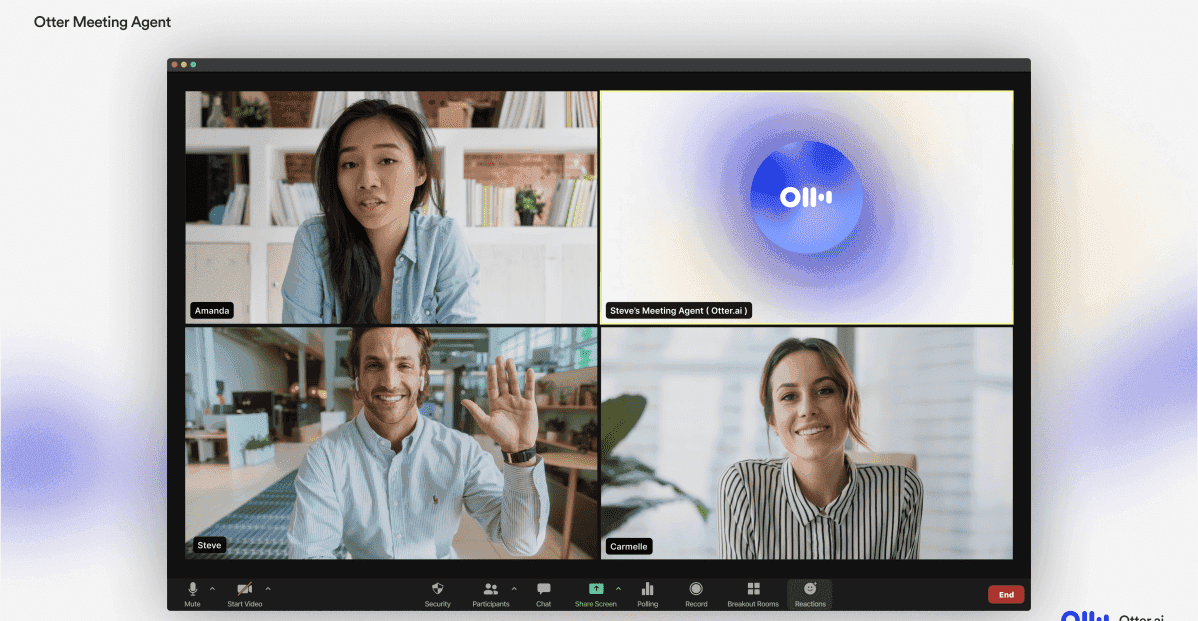
The lawsuit focuses on Otter's "Otter Notetaker" feature, which provides real-time transcriptions for virtual meetings on platforms like Google Meet, Zoom, and Microsoft Teams. According to the complaint, Otter allegedly:
- Recorded conversations of both account holders and non-subscribers without explicit consent
1
2
. - Failed to disclose when the service was active and recording meetings
1
. - Used recorded conversations to train its machine learning technology without informing participants
3
4
.
Legal Implications
The plaintiff, Justin Brewer, claims that Otter's practices violate several laws, including:
- The Electronic Communications Privacy Act of 1986
- The California Invasion of Privacy Act
- The Computer Fraud and Abuse Act
1
2
5
The lawsuit argues that by not seeking permission from all meeting participants, Otter effectively "wiretapped" their communications
1
4
.Otter's Response and Privacy Policies
Otter.ai has stated that it does not initiate recordings independently and that its Terms of Service require users to obtain necessary permissions
3
. However, the lawsuit contends that Otter is attempting to shift responsibility onto its account holders rather than fulfilling its legal obligations2
.The company's privacy policy mentions that audio recordings are "de-identified" before being used for AI training. However, the complaint questions the effectiveness of this process and cites research challenging such anonymization techniques
1
5
.Related Stories
Broader Industry Implications
This lawsuit highlights growing concerns about privacy in the age of AI and remote work technologies. Some key points include:

Source: NPR
- The University of Massachusetts banned Otter.ai in 2024 due to similar privacy concerns
1
. - Competitors like Read.ai allow any participant to stop recording during a meeting, emphasizing the importance of user control
1
. - The case raises questions about the responsibilities of tech companies in obtaining consent and protecting user privacy
2
3
4
.
Financial and User Impact
Otter.ai has experienced significant growth, reaching over 25 million users and surpassing $100 million in annual recurring revenue
2
3
. The lawsuit suggests that the company obtains financial benefits from its alleged practices, potentially at the expense of user privacy2
5
.
Source: Mashable
As the legal proceedings unfold, this case could have far-reaching implications for AI-powered transcription services and the broader landscape of privacy in digital communication tools.
References
Summarized by

Navi
[2]
Related Stories
AI Assistants Inadvertently Sharing Confidential Information in Workplace Settings
03 Oct 2024•Technology

AI Recording Tools Are Capturing Every Conversation Without Consent, Raising Privacy Alarms
25 Jul 2026•Entertainment and Society
OpenAI lawsuit alleges ChatGPT shared user data with Google and Meta without proper consent
15 May 2026•Policy and Regulation

Recent Highlights



Recent Highlights
Today's Top Stories



Don’t drown in AI news. We cut through the noise - filtering, ranking and summarizing the most important AI news, breakthroughs and research daily. Follow topics that matter to you and stay ahead.


