AI's Soaring Energy Consumption: A Growing Concern for the Tech Industry


4 Sources
[1]
AI's insatiable energy use drives electricity demands - ET Telecom
Internet 5 min read AI's insatiable energy use drives electricity demands AI data centres represent a relatively small additional load on the grid, Gates said. What's more, he predicted that insights gleaned from AI would deliver gains in efficiency that would more than make up for that additional
[2]
AI's insatiable energy use drives electricity demands
AI data centres have a big appetite for electricity. The so-called graphic processing units, or GPUs, used to train large language models and respond to ChatGPT queries, require more energy than your average microchip and give off more heat.A few weeks ago, I joined a small group of reporters for a
[3]
How to make AI's data energy demands more sustainable - Fast Company
The artificial intelligence boom has had such a profound effect on big tech companies that their energy consumption, and with it their carbon emissions, have surged. The spectacular success of large language models such as ChatGPT has helped fuel this growth in energy demand. At 2.9 watt-hours per
[4]
NVIDIA consensus suggests a lot of imminent AI energy is needed: Barclays By Investing.com
In a recent thematic investing report, Barclays analysts discussed the energy demands poised to accompany the rise of artificial intelligence (AI) technologies, with a particular focus on NVIDIA's (NASDAQ:NVDA) role in this landscape. According to analysts, the projected energy needs tied to AI
Share
Copy Link
The rapid advancement of artificial intelligence is driving unprecedented electricity demands, raising concerns about sustainability and the need for innovative solutions in the tech industry.

The Rising Energy Appetite of AI
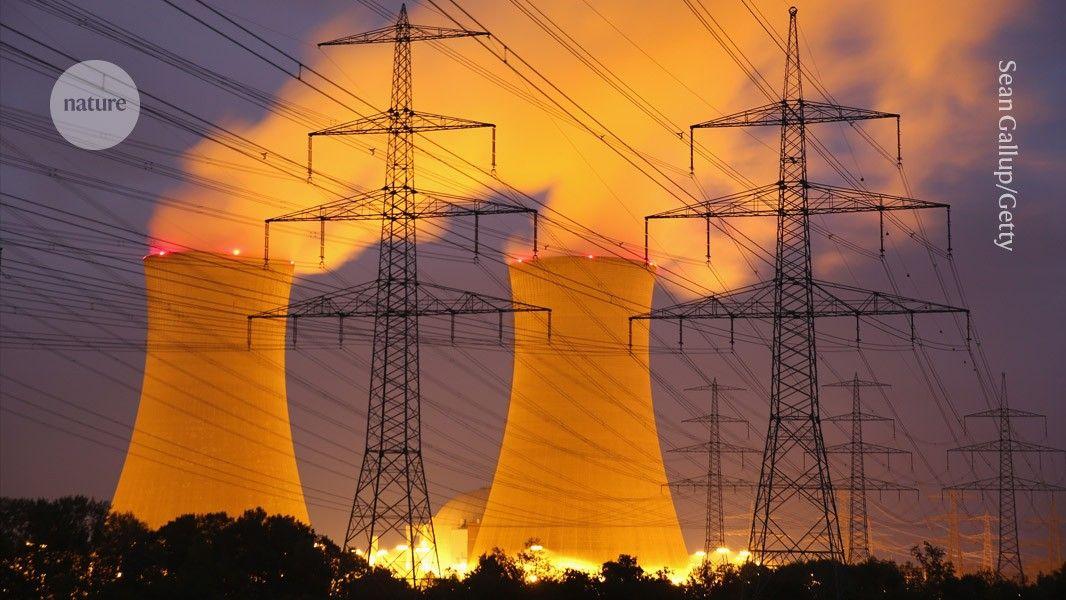
As artificial intelligence (AI) continues to evolve and expand, its insatiable hunger for energy has become a growing concern for the tech industry and environmentalists alike. The computational power required to train and run AI models is driving electricity demands to new heights, prompting questions about sustainability and the need for innovative solutions
1
.Staggering Energy Consumption
Recent estimates suggest that training a single AI model can consume as much electricity as 100 U.S. households use in an entire year. This staggering energy requirement is primarily due to the massive amount of data processing and complex calculations involved in AI operations
2
.Data Centers: The Power-Hungry Hubs
At the heart of this energy consumption are data centers, which serve as the backbone of AI infrastructure. These facilities house thousands of servers and require extensive cooling systems to prevent overheating. As AI applications become more widespread, the demand for data center capacity is skyrocketing, further exacerbating the energy consumption issue
3
.Industry Response and Sustainable Solutions
Tech giants are not turning a blind eye to this challenge. Companies like Google, Microsoft, and Amazon are investing heavily in renewable energy sources to power their data centers. They are also exploring innovative cooling technologies and more energy-efficient hardware designs to mitigate the environmental impact of AI
3
.The Role of Hardware Manufacturers
Hardware manufacturers, particularly those specializing in AI chips, are at the forefront of addressing this energy crisis. NVIDIA, a leader in AI hardware, is facing increasing pressure to develop more energy-efficient solutions. The company's future success may hinge on its ability to balance performance with power efficiency
4
.Related Stories



Regulatory Concerns and Future Outlook
As AI's energy consumption continues to rise, regulatory bodies are beginning to take notice. There are growing calls for stricter energy efficiency standards for AI systems and data centers. The tech industry is now faced with the challenge of maintaining the pace of AI innovation while also addressing these pressing environmental concerns
1
.Balancing Progress and Sustainability
The rapid advancement of AI technology has brought tremendous benefits across various sectors, from healthcare to finance. However, the energy implications of this progress cannot be ignored. As the world grapples with climate change, finding a balance between technological advancement and environmental sustainability has become more critical than ever
2
.References
Summarized by

Navi
Related Stories
Recent Highlights
1
Microsoft and Nvidia Launch Surface Laptop Ultra: A $2,599 AI-Ready PC With RTX Spark Chip
Technology

2
Google Unveils Gemini 4 Argon AI Model, Restricts Access to Trusted Cyber Defenders
Technology

3
Trump Consulted Grok AI Before Ordering Venezuela Invasion and Capture of Nicolás Maduro
Policy and Regulation

Recent Highlights
Today's Top Stories






Don’t drown in AI news. We cut through the noise - filtering, ranking and summarizing the most important AI news, breakthroughs and research daily. Follow topics that matter to you and stay ahead.


