AI Water Consumption Sparks Debate as New Study Reveals Environmental Impact Estimates


5 Sources
[1]
You're Thinking About AI and Water All Wrong
Last month, journalist Karen Hao posted a Twitter thread in which she acknowledged that there was a substantial error in her blockbuster book Empire of AI. Hao had written that a proposed Google data center in a town near Santiago, Chile, would require "more than one thousand times the amount of
[2]
AI's water and electricity use soars in 2025
AI created as much carbon pollution this year as New York City and guzzled up as much H20 as people consume globally in water bottles, according to new estimates. The study paints what's likely a pretty conservative picture of AI's environmental impact since it's based on the relatively limited
[3]
AI surpasses 2024 Bitcoin mining in energy usage, uses more H20 than the bottles of water people drink globally, study claims -- says AI demand could hit 23GW and up to 764 billion liters of water in 2025
A study by Alex de Vries-Gao from the VU Amsterdam Institute for Environmental Studies indicates that global AI power demand could hit 23GW, while also consuming 312.5 to 764.6 billion liters of water this year. According to The Verge, this is greater than the amount of power Bitcoin mining used in
[4]
2025's AI boom caused huge CO2 emissions and use of water, research finds
Study's author says society not tech companies paying for environmental impact of AI and asks if this is fair The AI boom has caused as much carbon dioxide to be released into the atmosphere in 2025 as emitted by the whole of New York City, it has been claimed. The global environmental impact of
[5]

How Much Water Does AI Actually Use? Depends Who You Ask.
Yes, every question you ask AI uses up water -- and many are worried. A recent University of Chicago survey revealed that 4 in 10 U.S. adults are "extremely" worried about artificial intelligence's (AI) environmental impact -- and the Associated Press reports that many U.S. citizens oppose data
Share
Copy Link
A new study estimates AI could consume up to 765 billion liters of water in 2025, matching global bottled water consumption. But a lack of transparency from tech companies makes accurate measurement difficult, sparking debate between researchers and industry advocates over AI's true environmental impact.
AI Water Consumption Reaches Unprecedented Levels
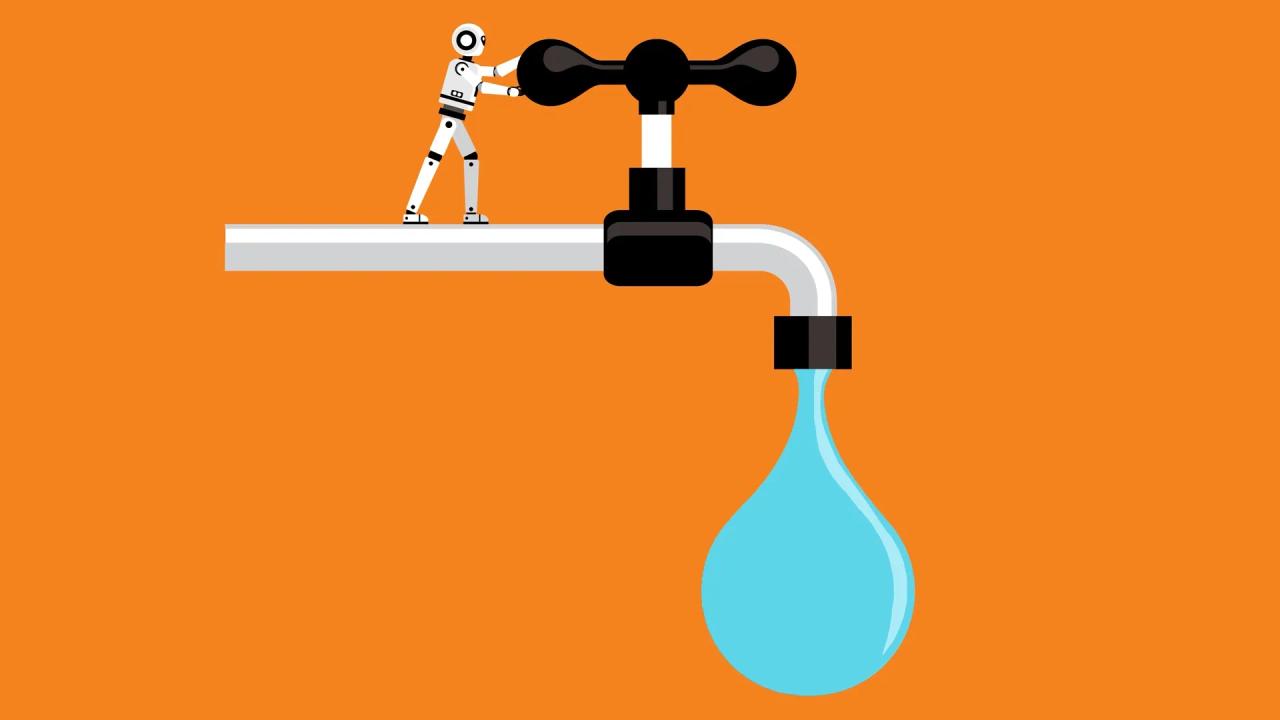
AI water consumption has become a flashpoint in debates over the technology's environmental footprint. New research by Alex de Vries-Gao from the VU Amsterdam Institute for Environmental Studies estimates that AI systems could use between 312.5 and 764.6 billion liters of water in 2025
2
3
. This figure exceeds the volume of water people consume globally in bottles annually, marking a significant milestone in AI's resource usage. The study, published in the journal Patterns, represents the first comprehensive attempt to isolate AI's environmental impact from general data centers operations4
.
Source: Inc.
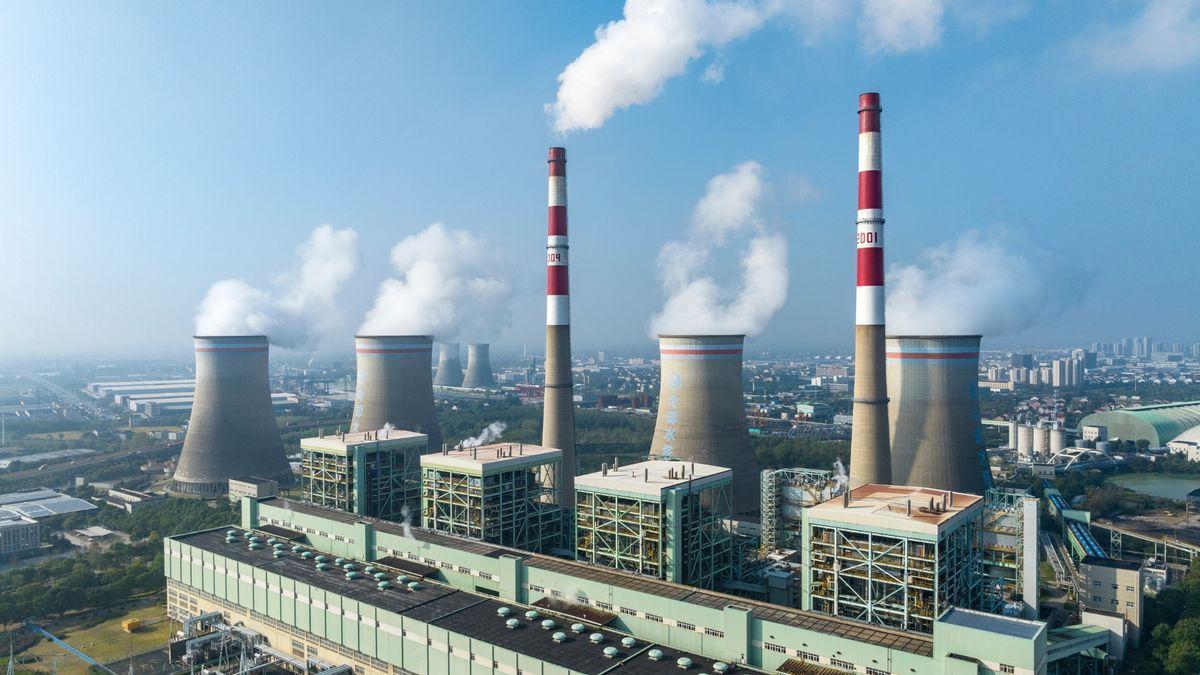
Data centers require massive amounts of water for cooling systems to prevent servers from overheating. Water is also consumed by power plants that generate electricity for these facilities, accounting for the majority of a data center's water footprint
2
. The AI electricity and water consumption extends beyond direct operational needs to include semiconductor manufacturing and electricity generation throughout the supply chain5
.
Source: Tom's Hardware
Environmental Concerns Surrounding Data Centers Intensify
The AI environmental impact extends to CO2 emissions and use of water on a scale comparable to major cities. De Vries-Gao's research indicates that AI could generate between 32.6 and 79.7 million tons of carbon pollution annually, roughly equivalent to New York City's entire carbon footprint of 50 million tons
2
4
. These greenhouse gas emissions now represent more than 8% of global aviation emissions4
.Power demand for AI globally could reach 23GW this year, surpassing the energy consumed by Bitcoin mining in 2024
2
3
. Across the US, which hosts more data centers than any other country, local opposition to new projects has surged, driven largely by concerns about water and power usage2
. More than 230 environmental groups sent a letter to Congress warning that AI threatens Americans' water security1
.Lack of Transparency From Tech Companies Fuels Debate
A critical challenge in assessing AI's true environmental costs stems from the lack of transparency from tech companies. While major tech firms publish annual sustainability reports, they typically don't break down figures to show how much AI specifically consumes
2
. Google, OpenAI, and other companies often exclude key details like indirect water consumption from electricity demand2
4
.
Source: Wired
This opacity has sparked competing narratives. OpenAI CEO Sam Altman claimed each ChatGPT query uses only about 0.000085 gallons of water
5
, while Morgan Stanley projects data centers' global annual water consumption will reach 1,068 billion liters by 20285
. The discrepancy depends on whether calculations include only direct operational water use or account for the entire supply chain, including semiconductor manufacturing and electricity generation5
.Related Stories

Data Center Cooling Drives Resource Demands
Data center cooling represents a major driver of AI energy usage. GPUs and AI servers generate orders of magnitude more heat than traditional data centers, making air-based cooling insufficient
5
. Traditional evaporative cooling towers consume large volumes of water, while dry coolers use less water but require more electrical power5
.MIT estimates that two liters of water might be needed for every kilowatt hour of energy
5
. As Nvidia promises higher-performance processing units, deployment will require increasingly advanced cooling solutions. Companies are developing direct-to-chip cold plates and immersion systems where servers operate in dielectric fluids5
.Conservative Estimates and Future Implications
De Vries-Gao's figures are considered conservative because they capture only operational impacts, excluding environmental costs across the supply chain and at end-of-life disposal
2
3
. Professor Shaolei Ren noted the projections exceed his 2023 study that estimated 600 billion liters by 20272
.The environmental costs are currently borne by society rather than tech companies. "At the moment society is paying for these costs, not the tech companies," de Vries-Gao stated
4
. A University of Chicago survey found 4 in 10 U.S. adults are extremely worried about AI's environmental impact5
. Meanwhile, some advocates argue concerns are overstated, with one Substack post titled "The AI Water Issue Is Fake" gaining traction among tech commentators1
. Greater transparency in sustainability reports will prove essential for informed public discourse about AI's true environmental footprint.References
Summarized by

Navi
[2]
Related Stories
AI Infrastructure Threatens Climate Goals as Data Centers Face Environmental Reckoning
10 Nov 2025•Science and Research

AI Data Centers Consumed 222 Billion Liters of Water in 2025 as Tech Giants Deploy New Cooling Tech
07 Sept 2026•Technology
UN Report Warns AI Could Consume 3% of World's Electricity and Deplete Drinking Water by 2030
03 Jun 2026•Science and Research

Recent Highlights



Recent Highlights
Today's Top Stories






Don’t drown in AI news. We cut through the noise - filtering, ranking and summarizing the most important AI news, breakthroughs and research daily. Follow topics that matter to you and stay ahead.


