AI 'Workslop' Plagues Companies, Hampering Productivity and Team Dynamics


17 Sources
[1]
Your coworkers are sick of your AI workslop
Bosses have to pick up hours of slack to fix it, harming careers. Workers are becoming overly reliant on AI. The result? Lackluster product, now coined "workslop," according to new research from BetterUp Labs and Stanford Social Media Lab. Also: Stop using AI for these 9 work tasks - here's
[2]
AI 'Workslop' Is Plaguing American Companies, Says Stanford Research
Based in London, Will is passionate about the intersection of tech and human lives, with bylines in BBC News, Vice, and more. If you've been on TikTok, YouTube, Facebook, or even LinkedIn recently, you're probably well aware of "AI slop" -- the low-quality, often misleading content now clogging up
[3]
Many employees are using AI to create 'workslop'
Remember when AI was supposed to make us more productive, not hate each other? ai-pocalypse Workers are getting lazy about using AI to do their jobs for them, and the results are both costly and increasing distrust in the workplace. An ongoing study by Stanford's Social Media Lab and behavioral
[4]
AI-generated 'workslop' is here. It's killing teamwork and causing a multimillion dollar productivity problem, researchers say
Something strange was happening at Jeff Hancock's work. It was 2022, just after OpenAI's release of ChatGPT to the masses, and the Stanford professor noticed something was off in the research assignments he was grading. "They looked pretty good, but not quite right," Hancock tells CNBC Make It.
[5]

Companies are losing money to AI "workslop" that slows everything down
Serving tech enthusiasts for over 25 years. TechSpot means tech analysis and advice you can trust. Cutting corners: Large language models excel at producing grammatically correct sentences but often stumble on accuracy and clarity. Without human review, their outputs create more confusion than
[6]

'Workslop': AI-Generated Work Content Is Slowing Everything Down
AI slop has infiltrated the workplace, costing companies time and money. AI slop isn’t limited to cringey cat videos on Facebook anymore; it has made its way into the workplace. The Harvard Business Review recently coined a term for low-quality, AI-generated work documentsâ€"workslop. The
[7]

AI 'Workslop' Is Killing Productivity and Making Workers Miserable
AI slop is taking over workplaces. Workers said that they thought of their colleagues who filed low-quality AI work as "less creative, capable, and reliable than they did before receiving the output." A joint study by Stanford University researchers and a workplace performance consulting firm
[8]

AI was supposed to boost productivity -- but a new report says 'workslop' is making it worse
If you've used AI tools, you know that they aren't always accurate. A new study even highlighted that ChatGPT is actually wrong 25% of the time. And while some big tech CEOs believe AI will cause mass unemployement, it seems like for now AI is only dragging us down. Companies acrosss the board are
[9]

First, AI flooded the internet with slop, now it's destroying work, too - this is how you use AI and still be a stellar employee
If there's one thing we can depend on AI for, it's to prove time and time again that you can't simply replace human effort with technology. A new Harvard Business Review and Stanford Media Lab study found that "workslop" is overrunning business and, in the process, ruining work and reputations. If
[10]

AI '"workslop" is crushing workplace efficiency, study finds
Why it matters: The term, coined by researchers in the latest Harvard Business Review, describes low-quality AI-generated content -- memos, reports, emails -- that's clogging up employees' lives and wasting their time. What they're saying: Workslop "appears polished but lacks real substance,"
[11]

Enterprise AI projects aren't producing value. Is 'workslop' one reason why?
Businesses across industries have been betting big on AI in the workplace -- but the results have been, frankly, underwhelming. According to a new MIT Media Lab report, a staggering 95 percent of organizations have seen no measurable return on their investments in generative AI tools. MIT
[12]

AI 'workslop' is emerging as the latest office headache
AI may be speeding up your emails, but much of it is turning into "workslop" - machine-generated content that leave colleagues frustrated, confused, and behind schedule, according to new research. A new study from Stanford University and BetterUp Labs says this is becoming a regular feature of
[13]

Companies Are Being Torn Apart by AI "Workslop," Stanford Research Finds
AI is supposed to revolutionize workforce productivity, but so far that hasn't been the case. One study from MIT found that a damning 95 percent of companies that gambled on integrating the tech saw no meaningful growth in revenue. Another study exploring one of its most hyped up applications, AI
[14]

An anti-workslop workshop to save your employees from AI-created chaos and time wasting | Fortune
Research scientists have just issued a warning, of sorts, about a stealthy new threat to productivity across corporate America: Employees are creating and sharing time-wasting and reckless "workslop." The official description of workslop, per researchers from Stanford's Social Media Lab and
[15]

Instead of improving productivity, AI is creating 'workslop'
Despite the now widespread use of AI in workplaces, workers aren't actually becoming more productive, according to a new survey led by Stanford Social Media Lab and BetterUp Labs. The report finds that while employees are using modern AI tools more than ever, they're using them to create subpar
[16]

How AI 'Workslop' Will Hurt Your Profits
Meaningless AI-generated content, now widely known as "slop," is all but unavoidable at the moment. The padded prose and sometimes outright nonsense generated by AI tools affects job hiring, plagues social media, puffs up countless LinkedIn posts, and leaves some experts worrying about its impact
[17]

AI-Generated Workslop Is a $9 Million Productivity Problem, Say Stanford Researchers
A new research report has coined a new term for inadequate AI-generated content at work: workslop. The word refers to content that looks polished but lacks substance. It applies to AI-generated slideshows, lengthy reports, summaries, and code. While the content looks good on the surface, it ends
Share
Copy Link
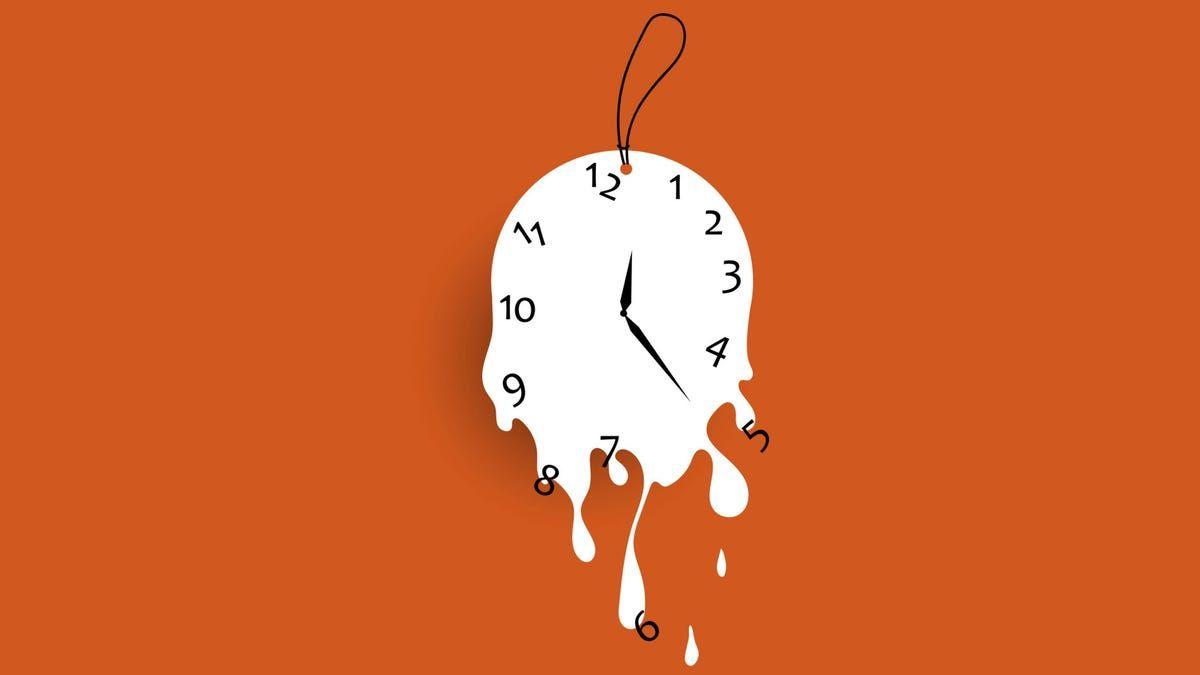
A new phenomenon called 'workslop' - AI-generated content lacking substance - is causing productivity losses and damaging workplace relationships. Research shows 40% of employees encounter workslop monthly, costing companies millions in wasted effort.
The Rise of AI 'Workslop' in the Workplace
In an era where artificial intelligence (AI) promises to revolutionize productivity, a new phenomenon called 'workslop' is emerging, causing significant challenges in the workplace. Coined by researchers from Stanford Social Media Lab and BetterUp Labs, workslop refers to AI-generated work content that appears professional but lacks substance to meaningfully advance tasks
1
.
Source: Axios
Prevalence and Impact of Workslop
A recent survey revealed that 40% of US-based full-time employees reported receiving workslop in the past month
2
. This AI-generated content, which accounts for an average of 15.4% of received work, is primarily exchanged between peers (40%) and sometimes sent to managers by direct reports (18%)2
.
Source: Quartz
The impact of workslop is significant:
- Productivity Loss: Employees spend nearly two hours per incident correcting or interpreting workslop, resulting in an estimated cost of $186 per employee per month
3
. - Team Dynamics: Over half of the survey respondents reported feeling annoyed, and nearly a quarter felt offended upon receiving workslop
3
. - Trust Issues: 42% of respondents said they trust colleagues who send workslop less, while 37% perceive them as less intelligent
2
.
Industry Impact and ROI Concerns
The technology and professional services sectors are disproportionately affected by workslop
1
. This trend raises questions about the actual productivity gains from AI in the workplace. A recent MIT study found that about 95% of organizations see no measurable return on investment from generative AI efforts3
.
Source: Futurism
Related Stories

The Human Element in AI Adoption
Jeff Hancock, a Stanford professor, noticed the issue when grading research assignments that looked 'not quite right' and lacked substantive content
4
. This highlights the importance of human oversight in AI-generated content.Recommendations for Effective AI Implementation
To combat workslop and ensure effective AI implementation, experts recommend:
- Clear guardrails and deliberate workflows for AI use
- Leadership modeling of purposeful AI application
- Limiting AI to appropriate tasks like early drafts or routine summaries
- Requiring human oversight for final outputs
5
As AI adoption continues to soar, with US employees using AI at least a few times a year nearly doubling in recent years, organizations must find a balance between leveraging AI's benefits and maintaining the quality and substance of work outputs
5
.References
Summarized by

Navi
[3]
Related Stories
AI 'Workslop': The Hidden Productivity Drain in Modern Workplaces
17 Oct 2025•Technology

Harvard Business Review warns AI workslop causes knowledge decay costing companies $9M annually
20 Jun 2026•Business and Economy

AI productivity paradox: Workers lose 37% of time savings fixing AI mistakes and low-quality output
14 Jan 2026•Business and Economy
Recent Highlights
1
Microsoft and Nvidia Launch Surface Laptop Ultra: A $2,599 AI-Ready PC With RTX Spark Chip
Technology

2
OpenAI Releases 722 AI-Generated Math Papers on GitHub, Igniting Fury Among Mathematicians
Science and Research

3
Trump Consulted Grok AI Before Ordering Venezuela Invasion and Capture of Nicolás Maduro
Policy and Regulation

Recent Highlights
Today's Top Stories









Don’t drown in AI news. We cut through the noise - filtering, ranking and summarizing the most important AI news, breakthroughs and research daily. Follow topics that matter to you and stay ahead.


