Alex Karp Says Neurodivergent Workers Will Thrive in AI Era—But Does the Claim Hold Up?


2 Sources
[1]
Palantir CEO Alex Karp says neurodivergent workers will thrive in the AI era. An autistic psychologist says he has a point | Fortune
Palantir CEO Alex Karp once said neurodivergent people will succeed in the AI era. One psychologist who is also autistic thinks the billionaire has a point, but says that neurodivergent workers' advantage might not be what people think. Karp, who is dyslexic, made his case about neurodivergent
[2]
Alex Karp's AI-era career advice: Why the Palantir CEO thinks neurodivergent workers have an advantage
Palantir CEO Alex Karp believes people who think differently could have an advantage as AI changes the job market. He points to neurodivergent people, including those with autism, ADHD and dyslexia. An autistic psychologist agrees that their perspectives matter, but there is no proof that
Share
Copy Link
Palantir CEO Alex Karp argues that neurodivergent workers with autism, ADHD, or dyslexia will succeed in the AI era alongside those with vocational training. Autistic psychologist Daniel Wendler agrees unique perspectives matter but warns against treating neurodivergence as guaranteed job security.
Palantir CEO Makes Bold Claim About Neurodivergent Workers
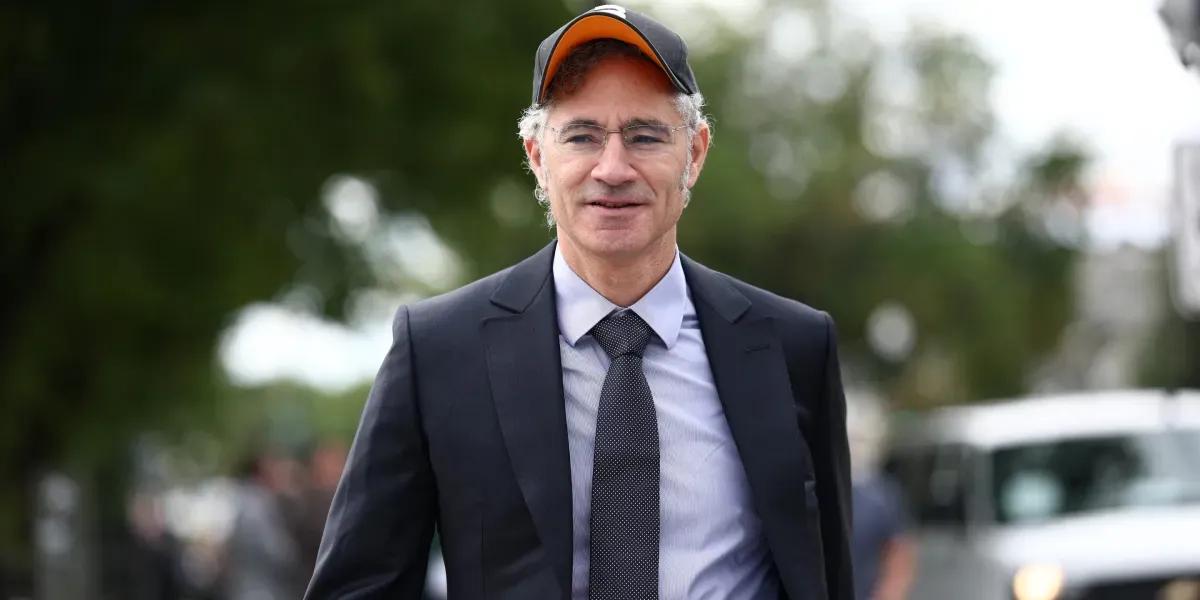
Palantir CEO Alex Karp made a striking prediction about the future of work in the AI era during an interview on the business podcast TBPN
1
. He stated there are only two ways to secure your future: having vocational training or being neurodivergent. Karp, who is dyslexic himself, leads a software company worth roughly $470 billion and has credited his struggle with dyslexia as a formative moment that taught him to think freely1
. His remarks stand out because they shift away from conventional AI-era career advice about learning to code or prompt engineering2
.
Source: Fortune
Why Different Thinking Matters in AI's Impact on Employment
Alex Karp argues that AI is fundamentally changing which skills and perspectives matter in the workplace. He explained that workers need to become more like artists, looking at things from different directions and building something unique
1
. The reasoning centers on originality—AI tools excel at finishing patterns they've seen before, making the rare human contribution the odd angle or strange connection that doesn't come from averaging the past2
. Neurodivergent individuals, including those with autism, ADHD, and dyslexia, may be more likely to bring these unique perspectives to the table.An Autistic Psychologist Weighs In
Daniel Wendler, an autistic psychologist who specializes in neurodiversity, agrees that people who think differently could have a career advantage in the AI era as technology forces companies to adapt. He told Fortune that if neurodivergent minds aren't in the room tackling AI, teams miss out on that unique perspective
1
. Wendler's argument focuses on inclusion—teams with varied cognitive styles tend to catch different mistakes and ask different questions. However, he stops short of claiming neurodivergent workers are automatically better at AI work or protected from job loss2
.Rethinking Workplace Dynamics for Neurotypical Employees
Wendler points to a critical issue affecting neurodivergent individuals today: modern workplaces have been designed primarily for neurotypical employees. Many workplaces accommodate neurotypical weaknesses and support neurotypical strengths, but for neurodivergent people, that support gets missed
1
. As AI reshapes the future of work, companies have an opportunity to reconsider how they accommodate different kinds of thinkers who might add to their competitive advantage. Wendler suggests we're entering a new frontier where everybody is on more equal footing because nobody really knows how to navigate this new chapter1
.How Neurodivergent Workers Are Using AI Tools
Neurodivergent workers may be among the most eager to adapt and use AI, given that existing workplace structures often fail them already. This eagerness matters as some employees push back on AI adoption
1
. Wendler noted that neurodivergent individuals can use large language models to break complicated assignments into smaller steps, organize tasks, and help with communication. These practical applications demonstrate how AI might actually level the playing field rather than create new barriers.Related Stories

Corporate Programs Support Neurodivergent Individuals
Several major companies have launched initiatives to recruit and support neurodivergent workers. SAP has run its Autism at Work program for more than a decade, trying to be inclusive in the hiring process and offering resources after hiring
1
. Microsoft, Dell, and JPMorgan Chase have also launched initiatives to change conventional interviews and support neurodivergent people. Palantir itself runs a Neurodivergent Fellowship, a recruitment program with estimated salaries between $110,000 and $200,000 annually1
. The job posting emphasizes that pattern recognition, non-linear thinking, and hyperfocus—cognitive traits that make neurodivergent people different—are precisely what make them exceptional in an AI-driven world.The Missing Evidence on Job Security
While Karp's claim reframes neurodiversity as an advantage rather than just an accommodation issue, no data in the coverage shows that neurodivergent workers as a group will definitively do better in an AI economy
2
. Neurodivergence covers many conditions and an even wider range of individual lives. Outcomes depend on access, support, and whether employers can recognize the skills in front of them. Some people with ADHD, autism, or dyslexia find workplaces that suit them, while others run into barriers that a different way of thinking cannot fix alone. One successful CEO's personal story with dyslexia doesn't settle the broader question of job security for all neurodivergent individuals in the AI era.References
Summarized by

Navi
Related Stories
Palantir CEO Alex Karp says AI will eliminate need for immigration, destroy humanities jobs
21 Jan 2026•Entertainment and Society

AI adoption reveals leadership crisis as 79% of CEOs fear losing their jobs within two years
18 Mar 2026•Business and Economy

AI's Effect on the Work Force Shows Up in Wages, Not Unemployment—Gen Z Hit Hardest
16 Sept 2026•Business and Economy
Recent Highlights



Recent Highlights
Today's Top Stories







Don’t drown in AI news. We cut through the noise - filtering, ranking and summarizing the most important AI news, breakthroughs and research daily. Follow topics that matter to you and stay ahead.


