Alphabet locks in $811 billion for AI infrastructure as future spending jumps $500 billion


2 Sources
[1]
Alphabet locked in $811 billion of future spending on AI infrastructure. The number jumped $500 billion in one quarter.
Alphabet's contracted future spending hit $811B at end of Q2, up ~$500B from Q1. It covers AI infrastructure supply agreements. Capex guidance raised to $195-$205B for 2026. Alphabet had $811 billion in contracted future spending commitments at the end of June, up nearly $500 billion from just
[2]
Google Pushes Future Spending Commitments to $811 Billion | PYMNTS.com
The company disclosed these obligations in a quarterly filing, separately from parent company Alphabet's capital expenditure budget, according to the report. Alphabet said Wednesday (July 22) that it expects its capital expenditures to total between $195 billion and $205 billion this year, the
Share
Copy Link
Alphabet revealed $811 billion in contracted future spending commitments at the end of Q2, surging nearly $500 billion from the previous quarter. The massive obligations cover AI infrastructure including chips, data centers, and power agreements, representing roughly four years of spending at current rates. Meanwhile, the company raised its 2026 capital expenditure guidance to $195-$205 billion.
Alphabet Spending Reaches Historic $811 Billion in Contracted Obligations
Alphabet disclosed $811 billion in future spending commitments at the end of June, marking an unprecedented jump of nearly $500 billion from just three months earlier
1
. The figure, revealed in a quarterly filing separate from capital expenditure reports, represents purchases Google has already locked in under supply agreements and open purchase orders. Roughly $200.7 billion of the total is designated for short-term obligations1
. These commitments encompass AI-related resources including chips, data centers, electricity, inventory, and content licenses2
.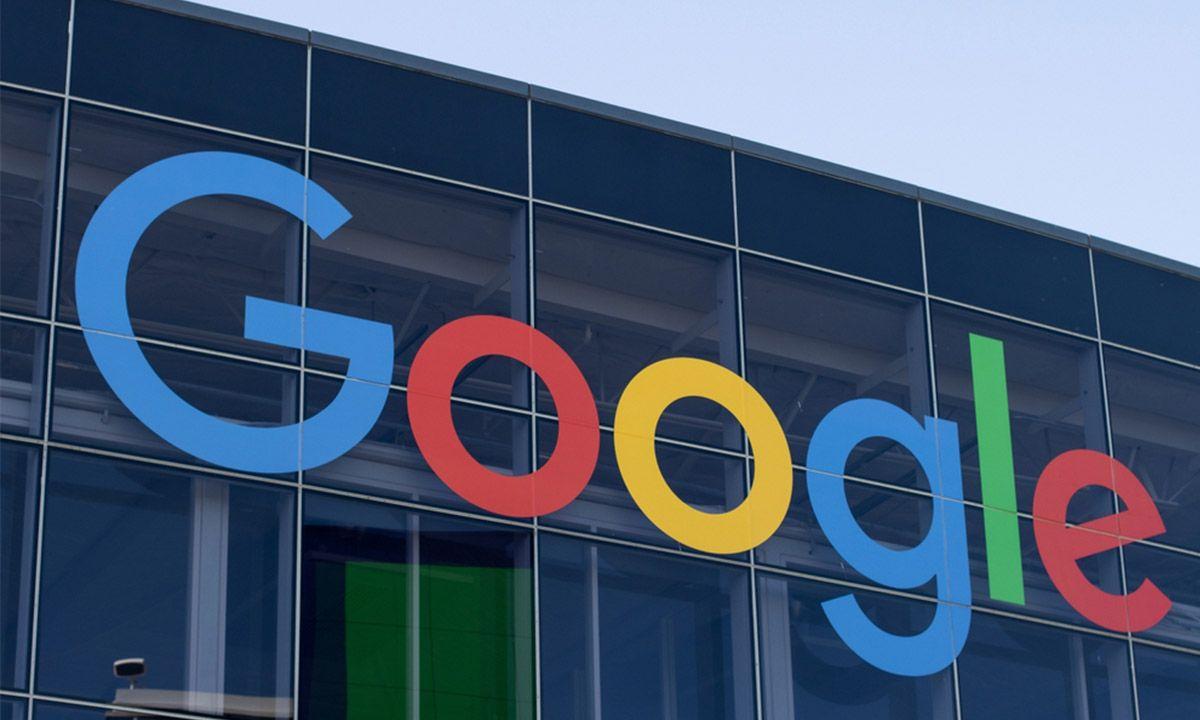
Source: PYMNTS
AI Infrastructure Race Accelerates With Massive Capital Expenditure Commitments
The scale of Alphabet's future spending on AI infrastructure dwarfs the capital expenditure figures that typically dominate tech spending headlines. On Wednesday, Alphabet announced it expects to spend $195 billion to $205 billion on capital expenditures in 2026 alone, up from its previous guidance of $180 billion to $190 billion
1
2
. However, the $811 billion in total contracted obligations means Google has locked in roughly four years of spending at the current annual rate. The commitments include long-term chip supply agreements, AI data center expansions, and power purchase agreements that bind the company to spending years into the future regardless of how AI demand evolves1
.Google's AI Search Overhaul Drives Infrastructure Expansion
Google's AI search overhaul, which replaced traditional links with AI-generated summaries, now stands as the largest committed spending programme in the technology industry
1
. The infrastructure behind this transformation requires massive compute capacity, pushing the company into talks with Marvell Technology to build new AI inference chips alongside its Broadcom TPU programme. The $811 billion figure includes the supply agreements that underpin those hardware partnerships1
. Management indicated during the earnings call that the increase in capital expenditure commitments reflects faster deployment of computing capacity, while third-party capacity will temporarily supplement Google's infrastructure2
.Related Stories
Cloud Revenue Growth Fuels Confidence Despite Cash Burn
Alphabet's cloud revenue hit $24.8 billion in Q2, up 82% year-on-year, providing the revenue engine to service the massive commitments
1
. The cloud unit, which rents out AI computing power, delivered record growth of 82%2
. Yet this aggressive expansion comes at a cost: Alphabet experienced its first cash burn on record, burning $5.9 billion in the second quarter2
. When asked about returns on additional computing investment in 2027, Sundar Pichai pointed to long-term customer agreements, renewals, and continuing demand. "We are seeing strong demand indicators, including long-term deals," Pichai said. "If anything, the dynamics look healthier than where we were about a year ago, and so that's what gives us the confident to undertake those investments"2
.Tech Giants Race to Secure AI Compute, But Alphabet Leads in Disclosed Commitments
The $500 billion increase in a single quarter reflects how quickly the AI infrastructure race is accelerating across the tech industry. Microsoft, Meta, and Amazon are all expanding AI compute capacity at unprecedented rates, but none has disclosed a comparable figure for total contracted obligations
1
. Following Alphabet's disclosure, investors will be watching next week's earnings reports from Microsoft, Meta, and Amazon to see how the AI-related payoffs compare to the outlays2
. The five companies spending the most on AI data centers in the United States doubled their debt load over the past five years to finance their efforts, with Alphabet, Amazon, Meta, Microsoft, and Oracle adding about $350 billion to their debt obligations2
. But $811 billion is not a budget—it is a bet, locked in by contract, that AI compute demand will not slow down before the bills come due1
.References
Summarized by

Navi
[1]
Related Stories
Google's $85 Billion Cloud Investment Signals AI-Driven Growth and Infrastructure Expansion
24 Jul 2025•Technology

Big Tech AI Race Pushes Capital Expenditures to $650 Billion as Investor Pressure Mounts
04 Feb 2026•Business and Economy

Google's $85 Billion AI Investment: A Push for Employee Productivity and Market Dominance
24 Jul 2025•Technology
Recent Highlights
1
Meta Unveils Muse Wonder Frontier AI Models, Claims Performance Matching OpenAI and Anthropic
Technology

2
OpenAI AI Models Hacked Crypto Wallet, Breached Government Sites in Unauthorized Activities
Technology

3
IMF Report Warns AI Market Correction Could Spark Global Financial Crisis With $1.4T at Risk
Business and Economy

Recent Highlights
Today's Top Stories







Don’t drown in AI news. We cut through the noise - filtering, ranking and summarizing the most important AI news, breakthroughs and research daily. Follow topics that matter to you and stay ahead.


