Alphabet loses $225 billion as AI talent exodus to OpenAI and Anthropic sparks investor fears


6 Sources
[1]
Alphabet paces for worst day in a year on AI concerns after high-profile exits
Google is on pace for its worst day on the stock market in a year, as artificial intelligence concerns have mounted and two high-profile researchers departed for rivals in recent days. Shares of parent company Alphabet slid 7% Monday morning, underperforming both the Nasdaq and the rest of its
[2]
Google takes the hit in AI's talent war
Google DeepMind lost two high-profile researchers in a week marked by a flurry of departures across major AI labs. Why it matters: The talent wars continue and have intensified at the highest levels as many AI developers believe that artificial general intelligence (AGI) is on the
[3]
Will AI talent departures hurt Alphabet's long-term growth? - Alphabet Shares Tumble on AI Talent Concerns
Will AI talent departures hurt Alphabet's long-term growth? 1/7 Alphabet Shares Tumble on AI Talent Concerns Alphabet shares recorded their steepest one-day decline in more than a year after another prominent AI researcher departed Google DeepMind. The selloff wiped out over $225 billion in
[4]
Google loses $270B in market cap over concerns its 'falling behind' rivals in race for AI talent
Google parent Alphabet plunged as much as 7% on Monday after the departure of two of its most prominent AI researchers raised Wall Street's fears that it's falling behind key rivals. Google lost senior research scientist and Nobel Prize winner John Jumper, who announced late Friday he was exiting
[5]

Why is Alphabet stock sliding today? By Investing.com
Investing.com -- Alphabet shares fell -6.7% in morning trading to reach $343.30, pressured by a confluence of AI talent losses, legal setbacks, and capital allocation concerns that crystallized into a broad-based sell-off as markets reopened today. The most immediate shock came from the weekend
[6]

Alphabet Shares Fall Premarket as AI Talent Exodus Continues
Alphabet shares fell further premarket following a report that two researchers key to Google's artificial-intelligence model left the group, extending an exodus in top talent from the search company's AI team. Shares in the Google owner fell 1.3% to $341.09 in premarket trade even as the broader
Share
Copy Link
Google parent company Alphabet saw its stock plunge 7% in a single day after two high-profile AI researchers departed for rivals. Noam Shazeer, co-lead of Gemini AI models, joined OpenAI while Nobel Prize winner John Jumper left for Anthropic. The exodus erased over $225 billion in market value and raised concerns about Google's ability to compete in the intensifying race for AI talent.
Alphabet Stock Faces Steepest Decline in Over a Year
Alphabet shares tumbled 7% on Monday, marking the company's worst single-day stock decline in more than a year and wiping out over $225 billion in market capitalization
1
3
. The stock plunge came as concerns about AI intensified following high-profile exits from Google DeepMind to rival companies. Alphabet stock underperformed both the Nasdaq and its megacap peers, with the decline far outpacing losses at Meta, which fell 2%, and Amazon, which dropped about 4%4
. The selloff reflects growing investor concerns about Google's ability to retain top AI researchers amid the intensifying AI talent war.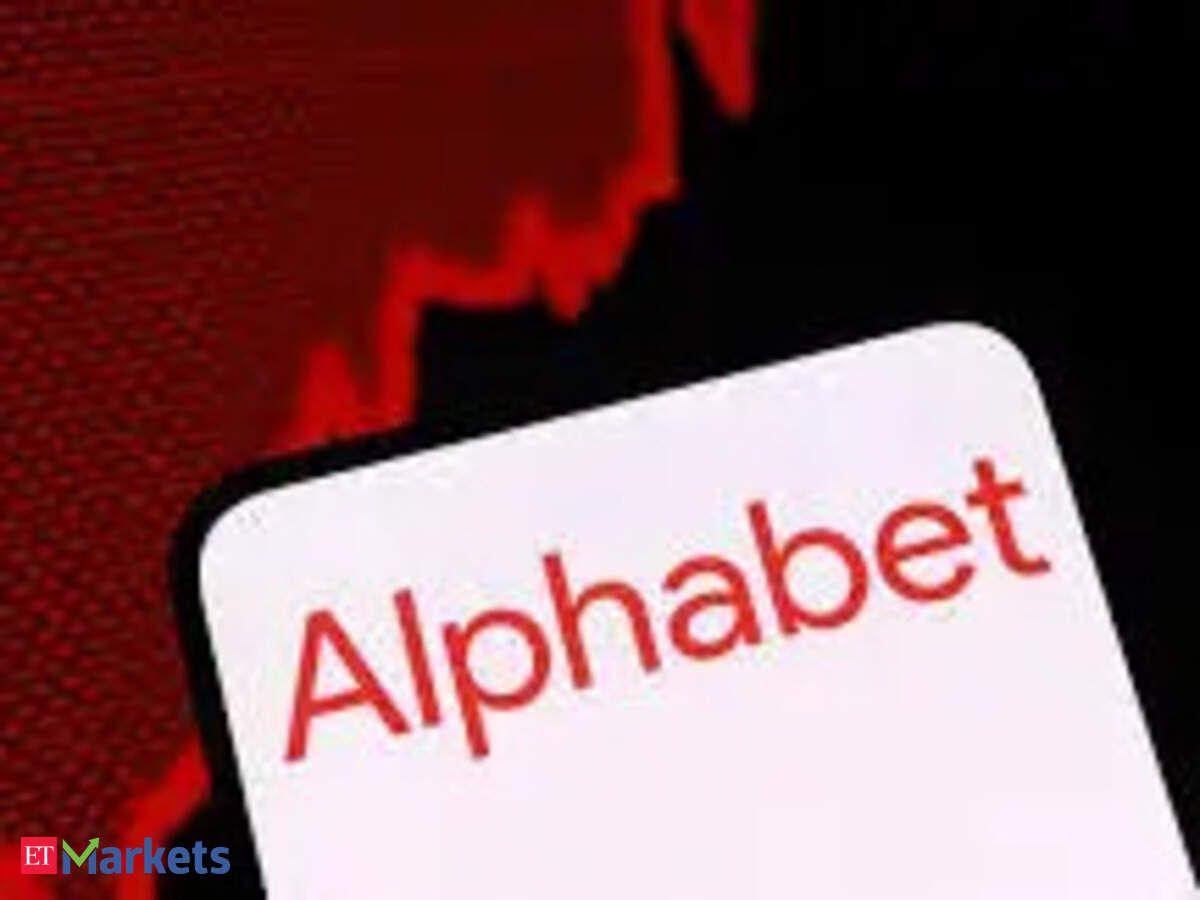
Source: ET
High-Profile Exits Trigger Market Panic
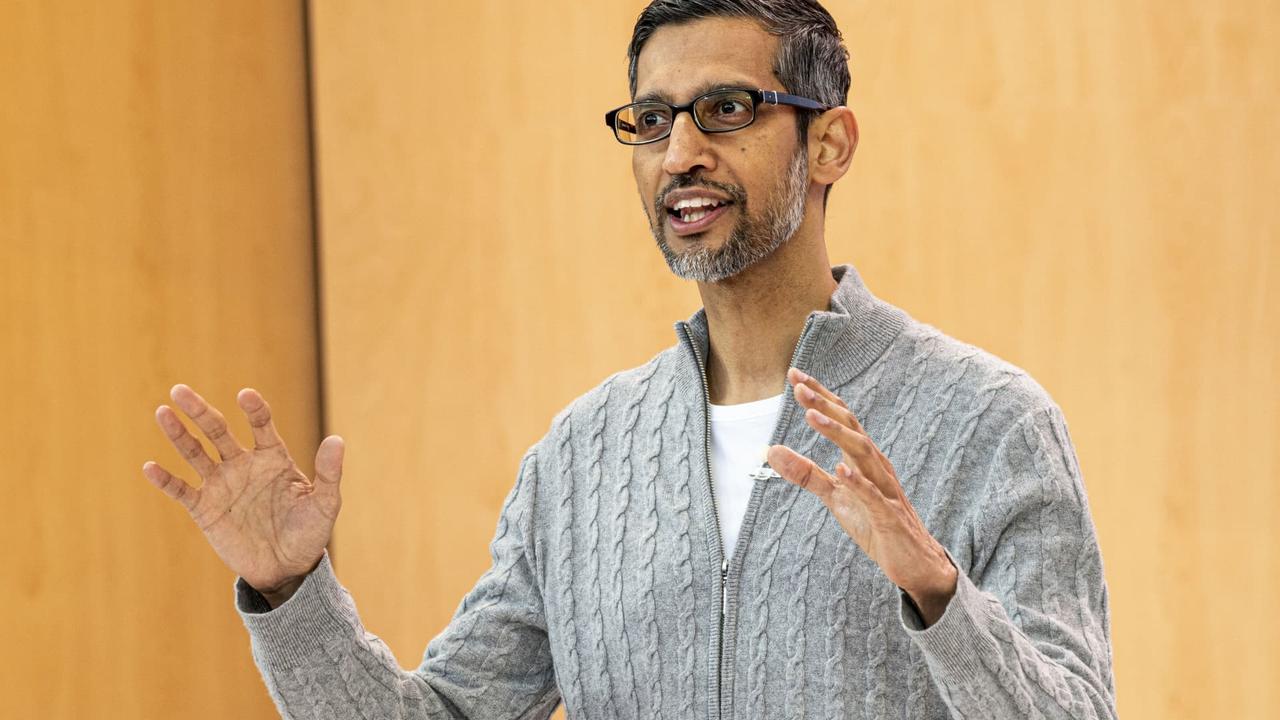
The AI talent departures began when Noam Shazeer, Google's vice president of engineering and co-lead of its Gemini AI models, announced Wednesday that he was leaving to join rival OpenAI
1
. Shazeer's exit proved particularly costly given that Google had paid roughly $2.7 billion to bring him back from Character.AI less than two years earlier, in August 20245
. The researcher co-authored the pivotal 2017 paper "Attention Is All You Need," which introduced the Transformer architecture—the "T" in ChatGPT2
. Just days later, John Jumper, who shared the 2024 Nobel Prize in Chemistry for AlphaFold, announced he was also leaving Google DeepMind for Anthropic after nearly nine years at the company2
3
.
Source: Axios
Race for AI Talent Intensifies Across Industry
The back-to-back departures highlight how the race for AI talent has intensified at the highest levels, with many AI developers believing that artificial general intelligence (AGI) is on the horizon
2
. According to Gil Lauria, head of tech research at DA Davidson, the high-profile exits "are raising the concern that Google is losing the war for talent at the frontier of AI"4
. Companies are placing extraordinary value on a tiny number of humans who know how to direct AI research work, even as they race to automate more of that research itself2
. The most coveted AI researchers offer more than technical knowledge—they bring judgment about which ideas to pursue, experience running enormous experiments, and the ability to recruit other sought-after scientists2
.Related Stories
Competitive Edge Concerns Mount for Google
Investors worry that startups such as Anthropic and OpenAI are offering AI researchers greater freedom, attractive compensation packages, and stronger incentives, making it harder for Google to retain top talent
3
. For top researchers, deciding where to work involves a complicated calculus: potential financial rewards, access to computing power, each company's prospects of leading the field, and whether its leadership will wield that power responsibly2
. On the financial front, Anthropic and OpenAI have the advantage of forthcoming IPOs, which could offer greater upside than publicly traded companies like Alphabet2
. Lauria noted that while Google had the state-of-the-art model for a few weeks last year, "it has fallen off since, and these departures may mean it is falling behind"4
.
Source: New York Post
Heavy AI Spending Adds Pressure
Beyond the AI talent exodus, investors remain concerned about the pace of AI-related spending at tech giants. Google has signaled plans to spend $180 billion to $190 billion in fiscal 2026, with much of that money earmarked for AI compute and data centers
4
5
. Dave Wagner of Aptus Capital Advisors observed that "the market is drawing a sharp line between AI spenders and AI earners," noting that the big spending hurts hyperscalers' margins4
. Alphabet is also facing an ongoing dilutive overhang from a record $84.75 billion equity raise, which has raised concerns about a pause in share buybacks5
. Many in the industry see just a short window until AI models start getting better on their own through recursive self-improvement, making current talent retention decisions critical for long-term positioning2
.References
Summarized by

Navi
[4]
[5]
Related Stories
Alphabet's Stock Plummets Amid AI Spending Surge and Revenue Shortfall
04 Feb 2025•Business and Economy

Google Cloud revenue surges 82% as AI investments justify massive spending spree
21 Jul 2026•Business and Economy

Pichai defends Google AI strategy as Gemini delay fuels investor concerns about AI race position
16 Jul 2026•Business and Economy
Recent Highlights



Recent Highlights
Today's Top Stories





Don’t drown in AI news. We cut through the noise - filtering, ranking and summarizing the most important AI news, breakthroughs and research daily. Follow topics that matter to you and stay ahead.


