6 Sources
[1]
Amazon workers who testified against AI data centers say they were intimidated by the company, monitored at work -- employees face possible termination for violating company policy, speaking as representatives
Their lawyers say that everything they said was based on public information and did not mention their employer. Amazon employees Darius Irani, Patrick Schloesser, and Liesl Wigand, who are members of Amazon Employees for Climate Justice (AECJ), say that they're currently being investigated by their employer for breaking company policy after they testified in favor of the Seattle data center moratorium. According to Bloomberg, the three were called to separate Zoom meetings with an HR staff member after the city passed its one-year AI data center ban, where they were told that the company was investigating concerns about their public comments. Staff say they were intimidated during calls, are being monitored at work, and may face possible termination. The company said that even though the three were free to discuss their working environment, they're not allowed to speak as its representatives. "As we looked more closely at how these employees represented themselves, and how their comments were received by others, it became clear that they may have been speaking in their capacity as Amazonians and not as private citizens," Amazon spokesperson Margaret Callahan told the publication. "We believe it's important to apply our policies consistently so, just as we would with anyone else, we're investigating whether there was a violation of our policies and may or may not take action based on what we find." Legal representatives of the three personnel said in a letter to the Seattle Office for Civil Rights (SOCR) that the investigations could lead to discipline, with one of them even saying that they could possibly be terminated. The lawyers argued that they were investigated by the company because of what they said when the Seattle City Council heard public comments on the measure, and said that Irani, Schloesser, and Wigand did not use company time when they made their comments, nor did they make any mention of their employer or shared propriety information. The SOCR is a local government agency that enforces laws against employment discrimination, among other things, and the three affected employees are asking the agency to look into the situation. They alleged that they were intimidated during the Zoom meetings and complained about being monitored while they were at work. This also isn't the first time that AECJ-affiliated workers faced an issue with Amazon. The company reportedly fired two people in 2020 who were part of the group's leadership for putting a spotlight on Amazon warehouse workers' safety (or lack thereof) during the pandemic. Amazon says it is just investigating the situation and hasn't made a decision yet. However, news like this will not do any good for the company and industry in general, especially as they gather bad press because of their AI data center projects. While the company has been trying to put its good side forward, like comparing its water consumption with other hyperscalers to highlight its high water efficiency, it still cannot shake off the perception that it could cause higher electricity costs, reduced water pressure, and noise pollution, among others. Follow Tom's Hardware on Google News, or add us as a preferred source, to get our latest news, analysis, & reviews in your feeds.
[2]
Amazon is investigating three employees who spoke out against building more AI data centers - Engadget
Five members of Amazon Employees for Climate Justice (AECJ) previously testified at Seattle city council meetings about AI data centers. Now, three of them are apparently under investigation by the company. The AECJ has filed a civil rights complaint against the company on behalf of the three engineers, according to CNBC and GeekWire, accusing Amazon of violating a Seattle law that prohibits companies from discriminating against employees based on their political ideology, race, religion and age. The engineers spoke at Seattle city council hearings over whether to put a pause on AI data center buildouts. They reportedly urged the council to add renewable energy requirements and labor protections related to data centers to the city's regulations. In addition, they called for the government to put a stop to the industry's plans "to build out as much compute capacity as they can, as fast as they can, before regulations can catch up." The Seattle city council ultimately voted in favor of passing the year-long moratorium on AI data centers for a year. In their complaint, the engineers said Amazon called them in separately for a meeting with HR after the hearings and were told that they were being investigated over a concern about their testimonies. They were reportedly told the investigation could lead to disciplinary action and even to termination. GeekWire says Amazon denied it told the engineers that they were at risk of being terminated over speaking at the hearings. Company spokesperson Margaret Callahan told the publications in a statement that after reviewing the engineers' testimonies, "it became clear that they may have been speaking in their capacity as Amazonians and not as private citizens." The company is looking into whether there truly was a violation, since Amazon doesn't allow employees to speak as its representatives without following certain procedures. "It's important to note that we don't tolerate retaliatory behavior," she added. Amazon fired Emily Cunningham and Maren Costa, two of AECJ's original organizers, back in 2020 over criticisms of the company's climate and labor practices. The former employees sued the company for illegal termination. Amazon settled with them in 2021 and was required to pay their back wages, as well as post a notice to all workers that it can't fire them "for organizing and exercising their rights."
[3]
Amazon investigating engineers who criticized AI data center expansion
A group of Amazon engineers said they're being investigated by the company after they criticized the breakneck expansion of artificial intelligence data centers and called for stronger government regulation. Earlier this month, five Amazon employees testified at Seattle City Council meetings where officials sought public feedback on a year-long pause on the construction of new large-scale data centers to give the city time to regulate the projects. Seattle passed the moratorium in a unanimous vote on June 9. The employees criticized the hefty AI spending of tech companies, describing it as an "all-costs-justified AI build out." Following the hearings, three Amazon workers were separately invited to Zoom meetings with a human resources representative who said he was investigating a concern that was raised about their testimony, according to a complaint filed Friday with the Seattle Office for Civil Rights. The employees were informed that the investigation could lead to disciplinary action, the complaint states, while one staffer was told that the potential discipline could range up to termination. Amazon's questioning made the staffers feel "intimidated and uncertain in their future employment," according to the complaint, which was filed by lawyers representing the employees. "They also learned that Amazon was monitoring their political advocacy before the Seattle City Council and was seeking to identify additional employees who had engaged in political activities," the complaint said. The complaint accuses Amazon of violating a Seattle ordinance that prohibits companies from discriminating against employees for their political ideology, race, religion and age, among other things. Amazon previously told CNBC that the company respects its colleagues' right to voice their opinions. Amazon spokesperson Margaret Callahan said in a statement that the company doesn't permit employees to speak as representatives of Amazon without following certain procedures.
[4]
A city paused AI data centres. Amazon probed its engineers
As Seattle moved to limit data-centre construction, three Amazon engineers who backed the rules say the company put them under investigation. It is the sharpest sign yet that the revolt against AI's power-hungry build-out has gone mainstream, and that it now cuts across party lines, even as Washington races to grease the skids. The backlash against AI data centres used to be a local zoning story. This week, it became a fight inside Amazon. Three Amazon engineers, Patrick Schloesser, Darius Irani and Liesl Wigand, say the company placed them under investigation after they testified to Seattle's city council in favour of regulating data centres. They have filed a civil-rights complaint accusing Amazon of retaliating against them for political speech, which a Seattle ordinance protects. The inquiry began on 10 June, they say, a day after the council passed a moratorium pausing new data-centre construction in the city. This is not a fringe movement anymore The opposition has scaled fast. Grassroots groups blocked or delayed 75 data-centre projects worth a combined $130bn in the first quarter of 2026 alone, and the number of active campaign groups more than doubled to 833 across 49 states. The complaints are concrete: higher electricity bills, heavy water use, and a constant low-frequency hum that residents near some sites say is ruining their homes. And it is no longer just the left Here is the twist. A US conservative group is now staging a "Nationwide Day of Protest against the unchecked and unwanted expansion of AI data centers". When climate activists and the populist right are angry about the same build-out, it stops being a NIMBY footnote and starts being a political force. Not everyone objects. A community in southern Ohio is welcoming what is billed as the world's largest AI data centre, even as locals note how few permanent jobs it leaves once construction ends. That split, between towns that want the investment and towns that feel steamrolled, is the real story. Washington is pulling the other way While communities push back, the federal government is doing the opposite. Regulators just moved to fast-track data centres' grid connections, aiming to clear power requests in about 90 days, with the energy secretary framing speed as essential to keeping pace with China. So a grassroots, increasingly bipartisan revolt is running straight into a federal fast lane. Something has to give. Why the Amazon case matters most Of everything happening this week, the Amazon story is the one to watch, because it moves the fight inside the company. Big Tech is no stranger to internal dissent over its AI push. But investigating engineers for testifying to their own city council would be a sharp escalation. The stakes are simple. If the investigation stands, it signals to every other worker to stay quiet. If the complaint succeeds, it hands the movement a template. Either way, the era of cheap land and quiet approvals is ending. The build-out that powers the AI boom now has to win arguments, in city halls, in statehouses, and increasingly, in its own offices.
[5]
'Workers need to be involved in these conversations': Amazon engineers to be investigated after criticising company's AI data center buildout - Amazon "may or may not take action based on what we find.
Amazon is investigating employees critical of data center construction * Amazon is investigating three employees over comments made at a council meeting * The employees spoke during a discussion on a one year moratorium on data center construction * Amazon said that it "may or may not take action based on what we find." Amazon is investigating a group of employees who attended council meetings discussing a year-long moratorium on planned data center constructions. Five employees, who work as engineers, criticized the "all-costs-justified AI build out" that has caused data center construction projects to spread rapidly across the US. Since attending then, three engineers were invited to separate meetings with Amazon's human resources to investigate their testimony at the meetings, according to a complaint filed with the Seattle Office for Civil Rights. Amazon investigates employees critical of data center buildout In their separate meetings with HR, the employees were warned that the investigation could lead to disciplinary action, ranging up to termination. The complaint states that employees were made to feel "intimidated and uncertain in their future employment". The complaint further stated that, "Amazon was monitoring their political advocacy before the Seattle City Council and was seeking to identify additional employees who had engaged in political activities." Under Seattle Law, personal characteristics such as political ideology, race, religion and age cannot be used for discriminatory purposes by companies against their employees. Speaking to CNBC, Amazon spokesperson Margaret Callahan said that the employees may have been speaking as representatives of Amazon, rather than as private citizens, adding that those speaking as Amazon representatives must follow certain procedures. "We believe it's important to apply our policies consistently so, just as we would with anyone else, we're investigating whether there was a violation of our policies and may or may not take action based on what we find," Callahan said in a statement. Darius Irani, one of the employees involved in the council hearings, said in a statement "All I did was testify because I believe it's critical that the government regulates data centers and AI. Workers need to be involved in these conversations." Follow TechRadar on Google News and add us as a preferred source to get our expert news, reviews, and opinion in your feeds.
[6]
Amazon questions workers in favor of data center regulations
An Amazon employee advocacy group is accusing the tech giant of intimidating employees who spoke in favor of data center regulation during a recent Seattle City Council public comment session. As the council took up a vote to set a one-year moratorium on large-scale data centers in the city, three Amazon employees gave their testimony on June 3, speaking in favor of regulations around data centers and artificial intelligence. Before each employees spoke, they said "I'm proud to live in a city where employees are legally protected against retaliation by their employers," referring to the city's fair employment practices ordinance. The city council unanimously voted in favor of the moratorium on June 9. Employees said they were soon invited to a meeting with a human resources representative, according to a Thursday news release from Amazon Employees for Climate Justice, which filed the complaint on behalf of the employees with the Seattle Office of Civil Rights. The internal calendar invite didn't provide much information, other than the company was following up to discuss a "confidential concern." Darius Irani, an Amazon employee who spoke during the public comment, called the meeting a private interrogation, during which he was asked the "same questions over and over to try and get me to admit to doing something wrong and made me feel like I committed a crime." Irani and the two other employees, Patrick Schloesser and Liesl Wigand, said they were told they were not currently being disciplined, but the company had launched an investigation that could lead to termination. Amazon did not immediately respond to a request for comment. "We stand by our members and their legally protected right to act on their beliefs and participate in our democracy," said Amazon Employees for Climate Justice spokesperson Eliza Pan in a news release. "Patrick, Darius and Liesl took a brave, important and protected step to advocate for a better future for all of us and fight back against Amazon's illegal attempts to silence them." This is a developing story and will be updated.
Share
Copy Link
Three Amazon engineers are under investigation after speaking at Seattle City Council meetings that led to a one-year moratorium on AI data center construction. The employees, members of Amazon Employees for Climate Justice, say they were intimidated during HR meetings and are being monitored at work, with possible termination on the table. Amazon claims they may have violated company policy by speaking as representatives rather than private citizens.
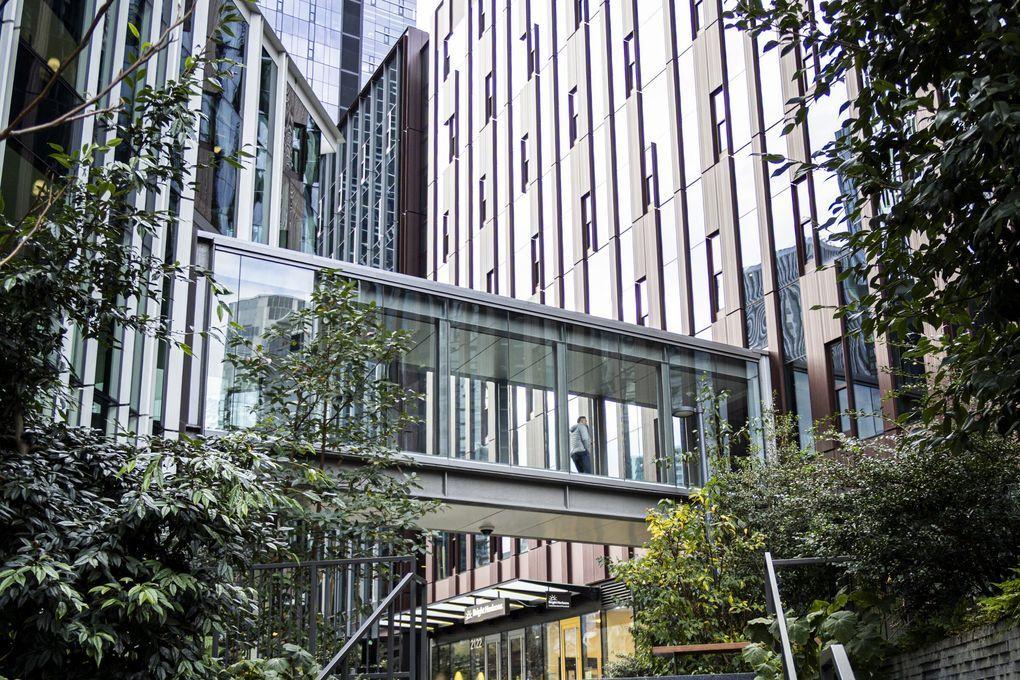
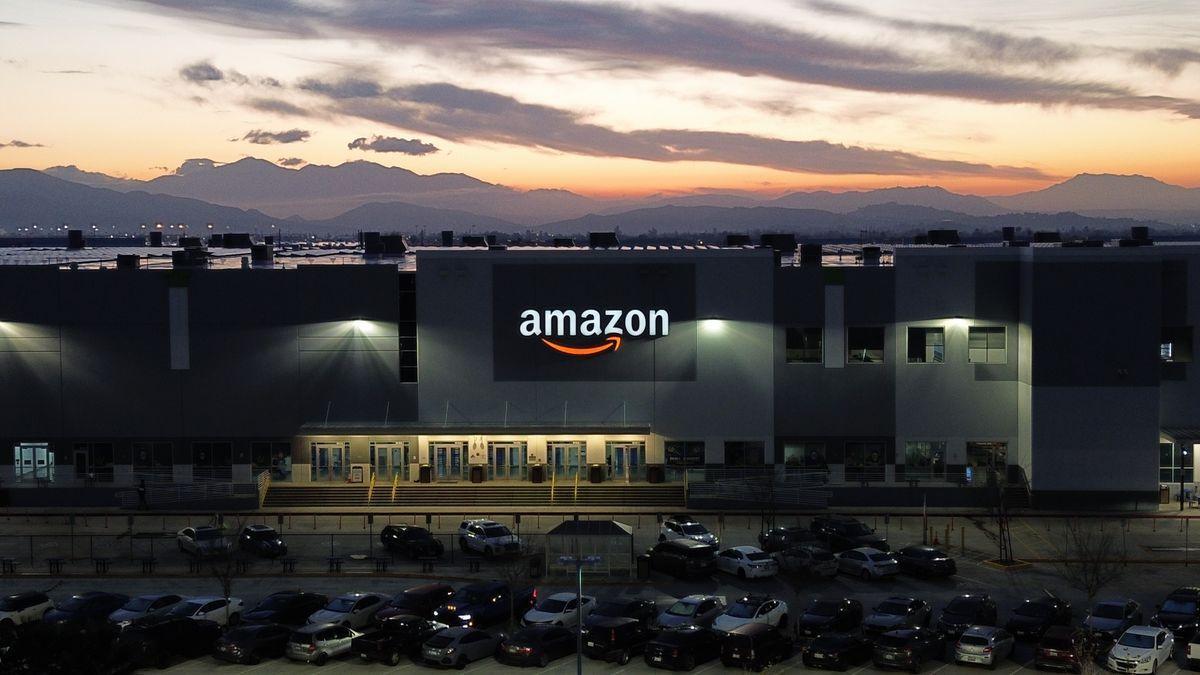
Three Amazon employees—Darius Irani, Patrick Schloesser, and Liesl Wigand—are facing internal investigations after they testified at Seattle City Council meetings in support of regulating AI data centers. The engineers, all members of Amazon Employees for Climate Justice (AECJ), were called to separate Zoom meetings with HR representatives following the city's passage of a one-year moratorium on new large-scale data center construction
1
. During these meetings, they were informed that Amazon was investigating concerns about their public comments and that the inquiry could lead to disciplinary action ranging up to termination3
.The employee investigation began on June 10, just one day after the Seattle City Council unanimously passed the Seattle data center moratorium
4
. During the hearings, five Amazon employees criticized what they described as an "all-costs-justified AI build out" and urged the council to add renewable energy requirements and labor protections to the city's data center regulations2
. They called for government intervention to stop the industry's rush to build out compute capacity before regulations could catch up.
Source: Seattle Times
Amazon spokesperson Margaret Callahan defended the investigations, stating that while employees are free to discuss their working environment, they cannot speak as company representatives without following certain procedures. "As we looked more closely at how these employees represented themselves, and how their comments were received by others, it became clear that they may have been speaking in their capacity as Amazonians and not as private citizens," Callahan told Bloomberg
1
. The company emphasized it was investigating whether there was a violation of policies and "may or may not take action based on what we find"5
.However, legal representatives for the three engineers strongly dispute this characterization. In a letter to the Seattle Office for Civil Rights (SOCR), their lawyers argued that the employees did not use company time when making their comments, never mentioned their employer, and shared no proprietary information
1
. Everything they said was based on publicly available information.The three Amazon employees have now filed a civil rights complaint with the SOCR, accusing Amazon of violating a Seattle ordinance that prohibits companies from discriminating against employees based on their political ideology, race, religion, and age
2
. The complaint alleges that Amazon's questioning made the staffers feel "intimidated and uncertain in their future employment" and that they learned the company was monitoring their political advocacy before the Seattle City Council and seeking to identify additional employees who had engaged in political activities3
.
Source: Tom's Hardware
Darius Irani, one of the engineers under investigation, stated: "All I did was testify because I believe it's critical that the government regulates data centers and AI. Workers need to be involved in these conversations"
5
. His comment reflects a growing sentiment among tech workers that they should have a voice in decisions about the environmental impact of corporate AI expansion, particularly regarding electricity consumption and water consumption.Related Stories
This is not the first time AECJ members have faced consequences for speaking out. Amazon fired Emily Cunningham and Maren Costa, two of AECJ's original organizers, in 2020 over their criticisms of the company's climate and labor practices
2
. The former employees sued Amazon for illegal termination, and the company settled with them in 2021, agreeing to pay their back wages and post a notice to all workers that it cannot fire them "for organizing and exercising their rights."The current situation carries echoes of that earlier conflict, raising questions about whether Amazon is violating company policy itself by potentially retaliating against employees for protected political speech. The SOCR, a local government agency that enforces laws against employment discrimination, is being asked to investigate whether Amazon's actions constitute unlawful retaliation
1
.The Amazon case represents the sharpest sign yet that opposition to AI's power-hungry infrastructure has moved from local zoning battles into the heart of Big Tech companies themselves. Grassroots groups blocked or delayed 75 data center projects worth a combined $130 billion in the first quarter of 2026 alone, with the number of active campaign groups more than doubling to 833 across 49 states
4
. Complaints focus on higher electricity bills, heavy water use, and constant low-frequency noise that residents say is disrupting their communities.
Source: TechRadar
What makes this movement particularly significant is its bipartisan nature. A US conservative group is now staging a "Nationwide Day of Protest against the unchecked and unwanted expansion of AI data centers," marking a rare moment when climate activists and the populist right align against the same target
4
. When opposition crosses traditional political lines, it signals a shift from fringe concern to mainstream political force.Meanwhile, federal regulators are moving in the opposite direction, fast-tracking data center grid connections with the goal of clearing power requests in about 90 days. The energy secretary has framed this speed as essential to competing with China, creating a direct collision between grassroots, bipartisan resistance and federal policy designed to accelerate buildout
4
. For tech workers who testified at Seattle City Council, this tension now plays out in their own employment status, making the outcome of Amazon's investigation a potential template for how other companies handle employee dissent over AI infrastructure.Summarized by
Navi
[2]
[4]
14 Mar 2026•Policy and Regulation
09 Dec 2025•Policy and Regulation

02 Dec 2025•Entertainment and Society

1
Startups

2
Policy and Regulation

3
Policy and Regulation