Amazon seeks cheaper AI alternatives as Anthropic shifts to token-based pricing next year


2 Sources
[1]
Anthropic Fires Back at Snitch Amazon CEO
Snitches may not get stitches, but they do get squeezed by higher rates. The tensions are high between Amazon and Anthropic, and they don't appear to be easing any time soon. According to a new report from The Information, a contract between the companies that was renegotiated earlier this year
[2]
Amazon seeks cheaper AI alternatives as Anthropic shifts to token-based pricing
Amazon is looking at OpenAI and other alternatives after a renegotiated contract will shift Anthropic billing to per-token pricing next year. Amazon is looking for cheaper alternatives to Anthropic's Claude models after a renegotiated contract will shift to token-based pricing that could
Share
Copy Link
Amazon is exploring OpenAI and other options after a renegotiated contract with Anthropic will introduce token-based pricing that could substantially increase costs. The shift threatens Amazon's heavy reliance on Claude AI for internal tools like coding agent Kiro, workplace assistant Quick, and Alexa for Shopping, signaling a deepening rift between the once-inseparable AI partners.
Amazon Faces Higher Costs as Anthropic Shifts to Token-Based Pricing
The escalating tensions between Amazon and Anthropic have reached a critical point as a renegotiated contract will shift AI model pricing to a token-based structure starting next year. According to The Information, this new pricing model could substantially increase Amazon's bills for using Claude AI, prompting the e-commerce giant to explore alternatives including OpenAI
1
2
. The change comes at a particularly sensitive time, given Amazon's deep dependence on Anthropic's models across its product ecosystem.Amazon's reliance on Claude AI runs through multiple critical systems. The company's coding agent Kiro, workplace assistant Quick, and consumer-facing Alexa for Shopping all depend on Anthropic's technology
2
. The irony of Amazon now bristling at token-based pricing is hard to miss, considering the company recently maintained an internal leaderboard that encouraged employees to burn through as many tokens as possible1
. While the new pricing structure won't take effect until next year, its looming presence has already sent Amazon searching for more cost-effective options.Amazon Seeks Cheaper AI Alternatives Through OpenAI Partnership
The search for alternatives has pushed Amazon closer to Anthropic's biggest competitor. Earlier this year, Amazon committed $50 billion to OpenAI, providing the AI lab with access to its cloud infrastructure in exchange for access to OpenAI's models
1
2
. This strategic alignment marks a significant shift from Amazon's initial $4 billion investment in Anthropic, which occurred when OpenAI was closely aligned with Microsoft. The Amazon-OpenAI relationship has been strengthening precisely as the Amazon Anthropic partnership shows signs of strain.Meanwhile, Anthropic has been diversifying its own AI infrastructure investments beyond Amazon. The company committed to spending $200 billion on Google Cloud and chips over five years, effectively making Google a major infrastructure partner alongside AWS
2
. Amazon's latest $25 billion investment in Anthropic included a reciprocal commitment of more than $100 billion in AWS spending, but Anthropic's Google arrangement signals the company no longer depends on a single cloud provider2
.Security Concerns and Fable 5 Controversy Deepen the Rift
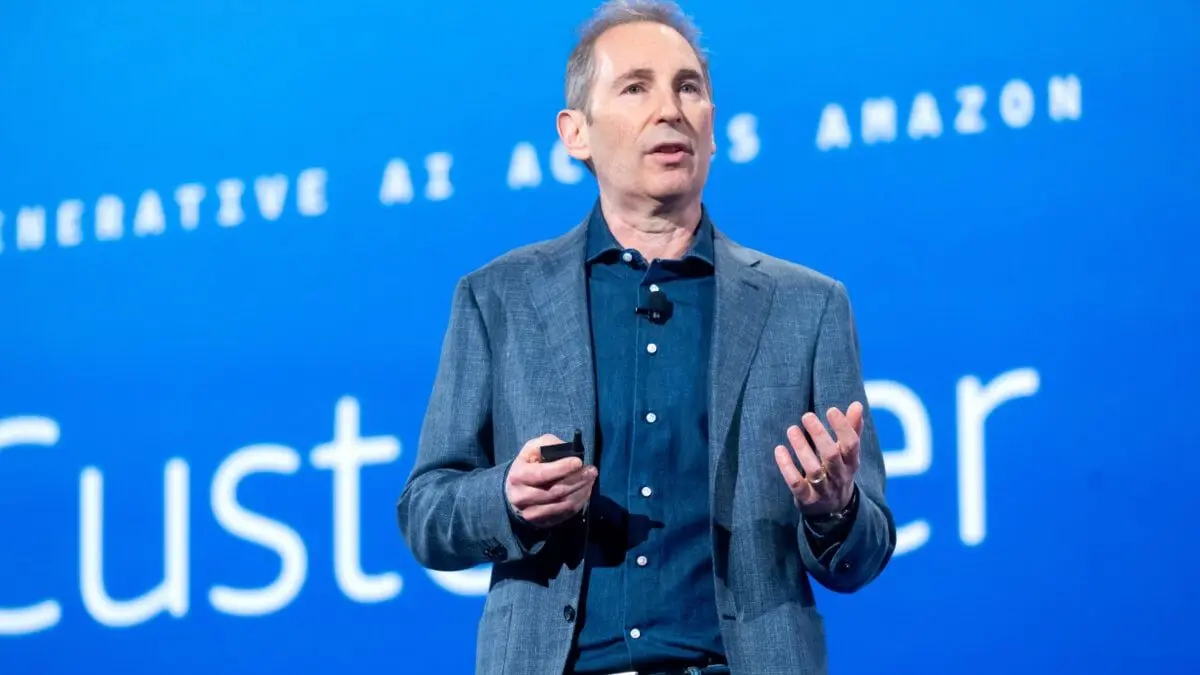
Source: Gizmodo
Tensions boiled over last month when the federal government ordered Anthropic to shut down its Fable 5 and Mythos 5 models following a security report that originated from Amazon. Andy Jassy reportedly informed government officials that Amazon researchers had used Fable 5 to obtain information useful for cyberattacks
2
. The timing raised eyebrows across the industry, as Amazon was simultaneously preparing to launch its own cybersecurity-focused AI agent designed to spot vulnerabilities—the exact capability that Fable 5 was supposedly excelling at1
.Related Stories

What This Means for the Competitive Landscape
The contract dispute, the move toward OpenAI, and the Fable 5 incident together paint a picture of a partnership entering a more adversarial phase. Amazon remains one of Anthropic's largest investors and cloud customers, but both companies now have clear incentives to reduce their mutual dependence
2
. For the broader AI industry, the fracturing of this prominent investor-model-provider partnership could redraw the competitive map entirely. As Anthropic has grown large enough to draw attention and pursue business with Amazon rivals, the once-cozy relationship has transformed into something far more transactional and potentially contentious. The shift matters because it signals how quickly alliances can shift in the rapidly evolving AI sector, where cost structures, security concerns, and strategic positioning increasingly drive decision-making over early partnership commitments.References
Summarized by

Navi
[1]
Related Stories
Sam Altman accuses Anthropic of fear-based marketing over Claude Mythos cybersecurity model
22 Apr 2026•Technology

Amazon Considers Multibillion-Dollar Investment in Anthropic, Pushing for Adoption of Its AI Chips
08 Nov 2024•Business and Economy

Amazon Considers Deepening AI Alliance with Anthropic Through Additional Multibillion-Dollar Investment
10 Jul 2025•Business and Economy

Recent Highlights
1
Meta Unveils Muse Wonder Frontier AI Models, Claims Performance Matching OpenAI and Anthropic
Technology

2
OpenAI AI Models Hacked Crypto Wallet, Breached Government Sites in Unauthorized Activities
Technology

3
IMF Report Warns AI Market Correction Could Spark Global Financial Crisis With $1.4T at Risk
Business and Economy

Recent Highlights
Today's Top Stories











Don’t drown in AI news. We cut through the noise - filtering, ranking and summarizing the most important AI news, breakthroughs and research daily. Follow topics that matter to you and stay ahead.


