AMD builds neural rendering tech for RDNA 5 GPUs to compete with Nvidia DLSS 5 by 2027-2028


3 Sources
[1]
AMD could be working on an Nvidia DLSS 5 rival, but it'll be for next-gen RDNA 5 GPUs -- and I've a feeling that may be too late
* AMD is rumored to be working on its own version of DLSS 5 * A leaker says that the neural rendering tech will be launched with next-gen RDNA 5 GPUs * That means we could be waiting until late 2027 or 2028 to see this debut, which might leave AMD lagging behind Nvidia considerably AMD could be
[2]
AMD's own DLSS 5 rival might be exclusive to next-gen RDNA 5 GPUs
AMD is preparing to launch its own DLSS 5-like Neural Rendering technology with the next-gen RDNA 5 architecture, according to well-known leaker Kepler_L2. The feature, which replaces traditional shaders with neural networks, will likely debut with RDNA 5, though hardware limitations may keep it
[3]
AMD and Intel finally have answers to Nvidia's DLSS and one just took the lead
Ever since a kid, Shaheer has always been intrigued by tech and how its components work, and has always geeked out over new PC component releases. His enthusiasm for tech, gaming, and composing eventually led him to become a writer, a career path he hadn't quite planned or thought of, but it proved
Share
Copy Link
AMD is developing its own neural rendering technology to rival Nvidia DLSS 5, targeting a launch with next-gen RDNA 5 GPUs in late 2027 or 2028. Leaker Kepler_L2 reveals AMD's approach aims to minimize AI-generated artifacts by giving AI direct access to 3D game data, but the delayed timeline may leave AMD trailing Nvidia's rapidly evolving DLSS stack.
AMD Prepares Neural Rendering Technology for RDNA 5 Architecture
AMD is developing its own version of neural rendering technology to compete with Nvidia DLSS 5, according to well-known GPU leaker Kepler_L2 posting on the Anandtech forum
1
. The feature will debut exclusively with next-gen RDNA 5 GPUs because the technology is resource-intensive, requiring new hardware capabilities that current-generation cards lack2
. This marks AMD's latest effort to close the gap with Nvidia in AI-powered graphics upscaling and AI-driven graphics rendering, following the evolution of FSR through multiple iterations to finally incorporate machine learning with FSR 43
.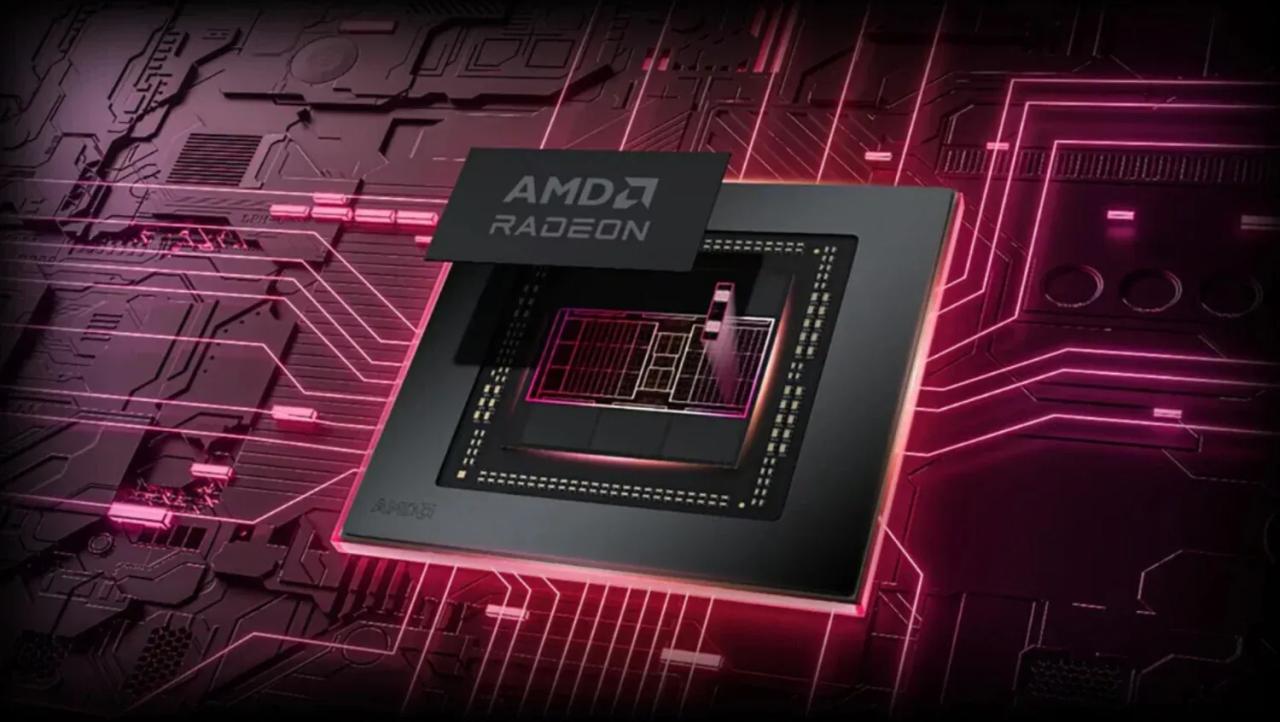
Source: TweakTown
The feature replaces traditional shaders with neural networks, fundamentally changing how graphics are rendered. Hardware limitations will likely keep AMD's DLSS rival exclusive to the RDNA 5 architecture, positioning it as a flagship capability for the company's future graphics technology lineup. AMD has consistently lagged behind Nvidia in this space, with FSR 1.0 arriving after DLSS 2.0 was already established in the market
1
.Technical Approach Aims to Minimize AI-Generated Artifacts
Kepler_L2 outlined a detailed technical vision for how AMD could differentiate itself from Nvidia's approach to neural rendering. The leaker argues AMD should give AI direct access to 3D game data including geometry, ray data, depth buffers, and materials so the AI reconstruction system doesn't have to guess how objects should interact with light
1
. This approach targets a critical weakness in Nvidia DLSS 5: the tendency toward hallucinations and what critics call "AI slop" that compromises artistic integrity2
.The proposed architecture would separate lighting improvements and complex surface shading into distinct AI models, rather than bundling them together as DLSS 5 does. Kepler also suggests eliminating the color-grading step entirely, which Nvidia uses to apply what the AI judges as more natural colors. According to the leaker, this separation would produce more accurate results with higher performance while preserving the original artistic intent
1
. While these technical details reflect Kepler's ideal scenario rather than confirmed AMD plans, they highlight potential pathways for AMD to address gamer and developer concerns about machine learning models compromising visual fidelity2
.AMD Faces Extended Timeline Against Rapidly Evolving Competition
The challenge for AMD centers on timing. RDNA 5 GPUs won't arrive until at least mid-2027, with some industry reports from partners suggesting a potential delay into 2028
2
. This extended timeframe creates significant risk that Nvidia will substantially improve DLSS 5 before AMD's DLSS rival reaches market. The perception of DLSS 5 has already improved notably between its initial preview and official launch, and Nvidia will likely release DLSS 5.5 with considerable enhancements by the time AMD's technology debuts1
.Nvidia DLSS 5 Neural Rendering is already operational in NBA 2K27, proving the concept's viability in shipping games
2
. Meanwhile, AMD has been working to catch up across the entire DLSS stack. FSR needed four iterations before implementing machine learning with FSR 4, while Intel's XeSS arrived in 2022 with AI upscaling but struggled with limited game support and image quality issues3
. The ongoing RAM crisis adds further uncertainty to RDNA 5 launch timelines, potentially extending AMD's wait even longer1
.Related Stories



Competitive Landscape Extends Beyond Neural Rendering
AMD's challenges extend beyond neural rendering into Frame Generation, where Nvidia introduced Multi-Frame Generation with DLSS 4 to generate up to 5 extra frames. FSR 4.1 currently supports only 2X Frame Generation, while Intel's XeSS 3 reaches 4X
3
. However, AMD is testing FSR Multi Frame Generation up to 8X in newer drivers for RDNA 4 GPUs, which could arrive sooner than expected and potentially give AMD an edge over DLSS 4.53
.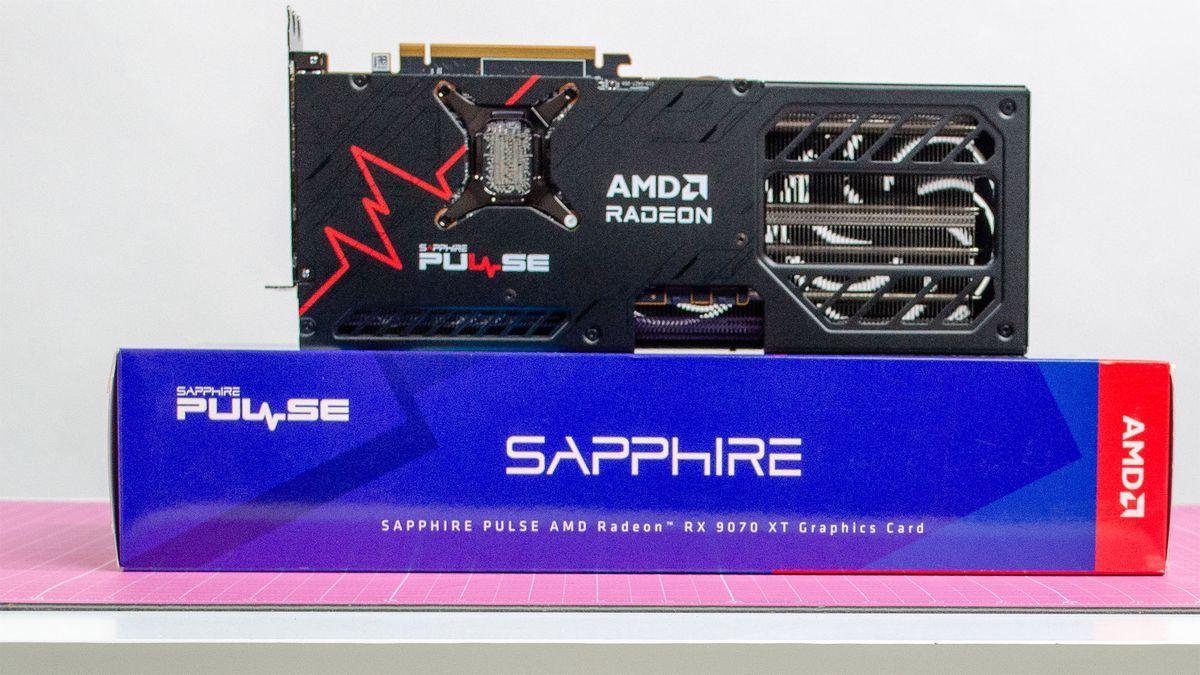
Source: TechRadar
In denoising technologies, AMD introduced Ray Regeneration as its answer to Nvidia's Ray Reconstruction from DLSS 3.5. Ray Regeneration generates new replacement rays for more accurate lighting, reflections, shadows, and illumination, working differently from Nvidia's approach that replaces traditional denoisers
3
. AMD also developed Radiance Caching to predict light bouncing rather than calculating every ray from scratch. These technologies demonstrate AMD's broader strategy to compete across multiple fronts in upscaling and ray tracing capabilities.Strategic Position Offers Learning Opportunity Despite Delays
AMD's delayed position creates both risks and opportunities. The company can observe how DLSS 5 performs as more games adopt the technology, gauge gamer reactions, and design its neural rendering tech to address perceived weaknesses
1
. Performance overhead represents an obvious target, as DLSS 5 currently carries substantial performance costs. If AMD reduces this impact while maintaining visual quality, it would deliver meaningful value to gamers prioritizing frame rates.Competition between AMD and Nvidia ultimately benefits gamers through accelerated innovation in graphics technology. A competitive AMD alternative would pressure Nvidia to refine its own tech, creating healthier market dynamics
2
. Watch for AMD's official announcements regarding RDNA 5 capabilities, early benchmarks comparing neural rendering quality against DLSS 5, and whether the company can deliver on reduced AI-generated artifacts while maintaining competitive performance. The success of this technology will significantly impact AMD's competitiveness in the high-end GPU market through 2028 and beyond.References
Summarized by

Navi
Related Stories
Recent Highlights



Recent Highlights
Today's Top Stories













Don’t drown in AI news. We cut through the noise - filtering, ranking and summarizing the most important AI news, breakthroughs and research daily. Follow topics that matter to you and stay ahead.


