AMD Records $1.07 Billion Charge as OpenAI and Meta AI Chip Deals Begin Ramping Up


2 Sources
[1]
AMD: AMD's OpenAI, Meta chip deals trigger $1 billion quarterly charge
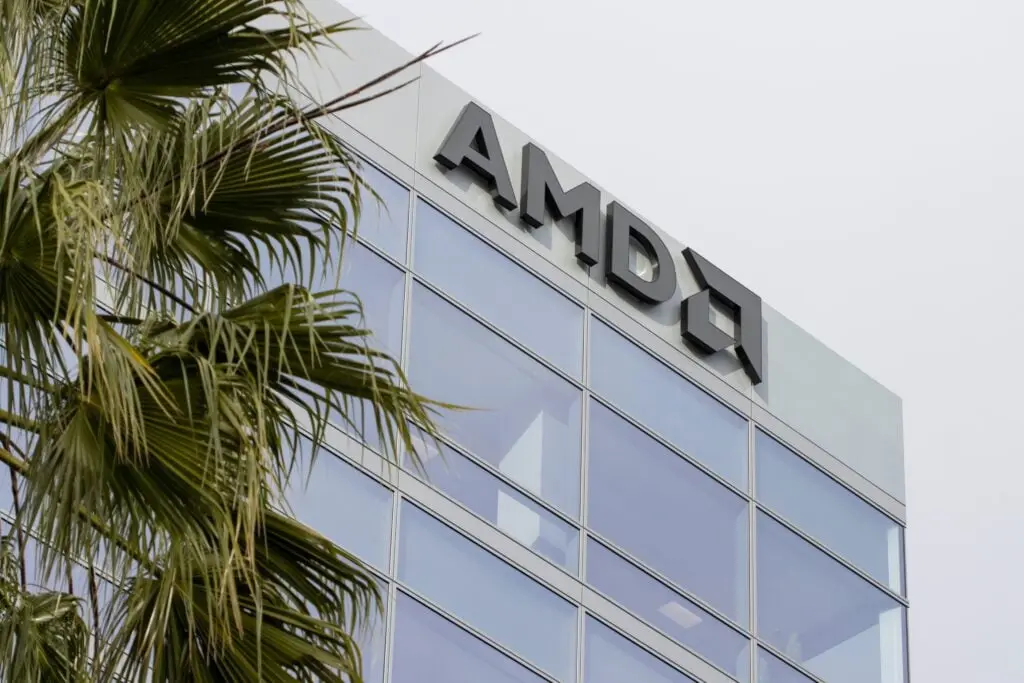
Advanced Micro Devices' strategy of offering stakes in its future success to major AI customers OpenAI and Meta Platforms in exchange for big chip commitments is beginning to leave a sizeable imprint on its profits. AMD in February agreed to sell up to $60 billion worth of AI chips to Meta over
[2]
AMD Takes USD 1.07 Billion Charge as OpenAI and Meta Deals Kick In
AMD recorded a USD 1.07 billion non-cash charge tied to stock warrants issued to OpenAI and Meta. The warrants back long-term AI chip supply deals. They may dilute shareholders once conditions are met. AMD also forecast faster 2027 growth. AMD booked a USD 1.07 billion non-cash charge in its third
Share
Copy Link
AMD booked a $1.07 billion non-cash charge in Q3 2024 tied to stock warrants issued to OpenAI and Meta under massive AI chip supply agreements. The deals give both companies potential stakes of up to 10% in AMD if shipment milestones are met, highlighting chipmakers' growing use of equity incentives to secure long-term commitments in the competitive AI hardware space.
AMD Books Major Non-Cash Charge on AI Chip Supply Agreements
Advanced Micro Devices recorded a $1.07 billion non-cash charge, equivalent to 66 cents per share, in its third quarter ended September 26. The charge stems from stock warrants AMD issued to OpenAI and Meta Platforms as part of massive AI chip deals that are now beginning to ramp up shipments
1
2
. Despite this accounting hit, AMD shares jumped 8% in extended trading after the company forecast faster-than-expected 2027 growth driven by surging data center chip demand. The warrant structure reflects a bold strategic bet: AMD is trading potential future ownership for guaranteed, large-scale orders in the intensely competitive AI hardware space.Inside AMD's OpenAI Meta Chip Deals Structure
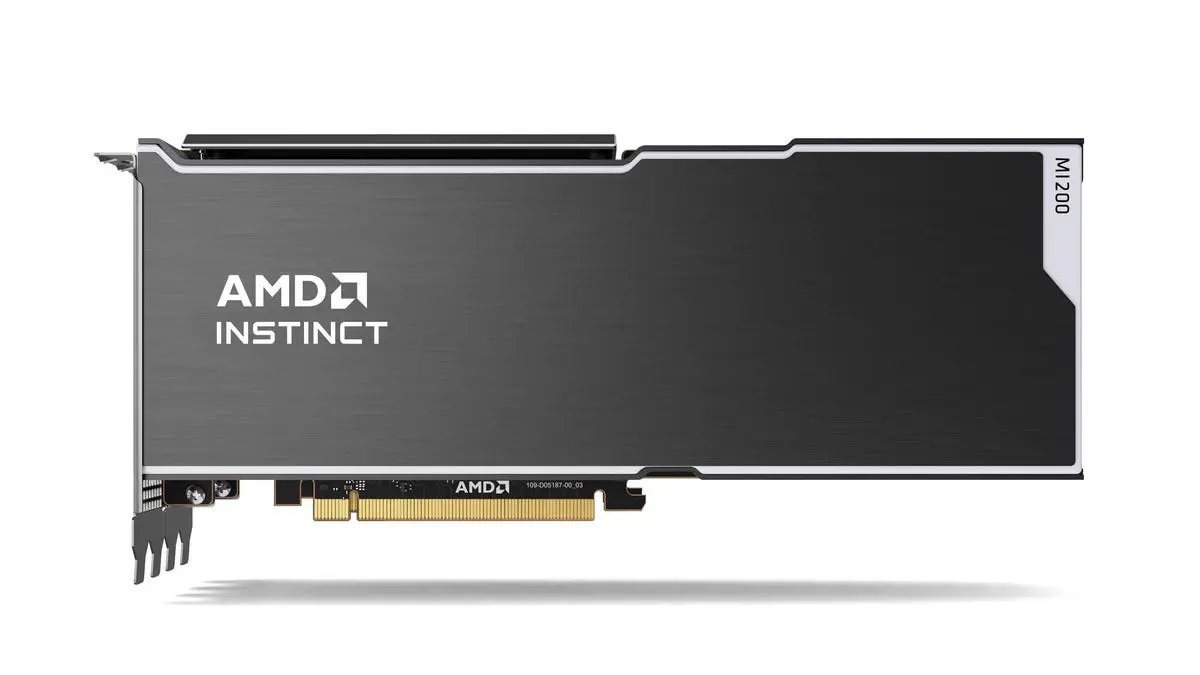
AMD's AI chip supply agreements with OpenAI and Meta represent some of the largest long-term commitments in the semiconductor industry. In February, AMD agreed to sell Meta up to $60 billion worth of AI chips over five years, granting the Facebook owner warrants that could allow it to purchase as much as 10% of AMD if certain milestones are met
1
. This followed a similar agreement with OpenAI in October 2024, giving the startup the option to buy roughly 10% of the chipmaker2
. The warrants include vesting conditions tied to shipment targets and other commercial requirements. OpenAI's warrant also includes AMD share-price thresholds, while Meta's does not1
. CFO Jean Hu stated that AMD expects to provide more guidance in 2027 on when these conditions could be satisfied.Equity Incentives Reshape AI Boom Dynamics
The use of equity incentives by chip and AI cloud companies to secure massive purchases from a small group of AI customers is becoming standard practice, highlighting the circular nature of the AI boom where companies simultaneously act as customers, suppliers, and investors in one another
1
. AMD also struck a chip-purchase arrangement with OpenAI rival Anthropic, though that agreement included a commitment by AMD to invest in Anthropic rather than issue warrants. Other major players have adopted similar strategies: Cerebras granted OpenAI warrants against a $20 billion commitment, Marvell issued Alphabet's Google warrants giving the search giant rights to a potential $12.2 billion stake, and Qualcomm gave Amazon warrants in a $60 billion deal for AI data-center chips1
. These strategic partnerships demonstrate how chipmakers are willing to offer pieces of their business to lock in substantial, long-term orders.Related Stories
Shareholder Dilution Risks and Market Implications
The warrant strategy carries significant shareholder dilution risks for AMD. If OpenAI and Meta's warrants fully vest and are exercised, both companies could own substantial stakes in AMD for as little as a penny apiece, potentially increasing AMD's share count substantially
1
. The warrants will begin diluting AMD shareholders once the vesting and exercise conditions are satisfied2
. However, analysts view these agreements as a major vote of confidence in AMD's AI chips and software capabilities. TECHnalysis Research chief analyst Bob O'Donnell noted that while incentives played a role, the bigger issue is pent-up demand for a serious alternative to Nvidia, and AMD's products are now starting to compete on price and performance metrics1
. The deals signal that major AI players now see AMD as a viable option alongside Nvidia, though analysts believe this is unlikely to dent Nvidia's market dominance as the leader continues selling every AI chip it manufactures. For AMD investors, the company has essentially traded future ownership for a large, secured order book in a rapidly expanding market, a tradeoff that current shareholders appear willing to accept based on the positive stock reaction2
.References
Summarized by

Navi
[2]
Related Stories
Meta strikes up to $100 billion AI chips deal with AMD, could acquire 10% stake in chipmaker
18 Feb 2026•Technology

AMD Invests $1 Billion in Meta as Helios Rack Systems Begin Testing for AI Infrastructure
27 Oct 2026•Technology

Meta and AMD forge $60 billion AI chip deal as Zuckerberg diversifies compute infrastructure
25 Feb 2026•Business and Economy
Recent Highlights
1
Google DeepMind unveils Genie 4 world model with audio and 2-minute interactive simulations
Technology

2
Google Unveils Gemini 4 Carbon AI Model With Major Cybersecurity Gains, Beating Claude Opus 5.5
Technology

3
Pope Leo XIV Demands AI Disarmament and Ban on Autonomous Weapons at UN Geneva Meeting
Policy and Regulation

Recent Highlights
Today's Top Stories





Don’t drown in AI news. We cut through the noise - filtering, ranking and summarizing the most important AI news, breakthroughs and research daily. Follow topics that matter to you and stay ahead.


