AMD ROCm 7.14 arrives with Ryzen AI 400 Series support and modular AI platform overhaul


2 Sources
[1]
AMD ROCm 7.14 Announced As New Production Release, Ryzen AI 400 Series Support
"ROCm 7.14 represents more than a feature release -- it establishes a new foundation for the future of AMD's AI software platform. With TheRock now serving as ROCm's production build and release infrastructure, ROCm is now a modular software platform capable of delivering innovation more rapidly
[2]
AMD Prepares For Ryzen AI MAX PRO 400 Launch With ROCm 7.14 Support
Team Red has laid the foundation for the upcoming Gorgon Halo Pro series before the chips arrive on the market officially. AMD Adds Ryzen AI Max PRO 400 Support to ROCm 7.14, Giving AI Developers a Head Start on the Gorgon Halo Platform AMD looks ready to release the Ryzen AI MAX PRO 400 series
Share
Copy Link
AMD has released ROCm 7.14 as a new production release, introducing support for the upcoming Ryzen AI MAX PRO 400 series processors. The update transforms ROCm into a modular AI software platform built on TheRock infrastructure, enabling faster innovation while improving software quality for developers working across Ryzen AI workstations and AMD Instinct clusters.
AMD ROCm 7.14 Brings Major Platform Transformation
AMD has unveiled AMD ROCm 7.14 as a new production release that marks a significant shift in how the company approaches its AI software platform
1
. The release introduces TheRock as ROCm's production build and release infrastructure, transforming the open-source software stack for AI into a modular software platform designed to deliver innovation more rapidly while improving software quality and simplifying deployment1
. This architectural change positions AMD to compete more effectively in the accelerating AI development landscape, where speed and flexibility matter as much as raw performance.
Source: Phoronix
Early Support for Ryzen AI MAX PRO 400 Series
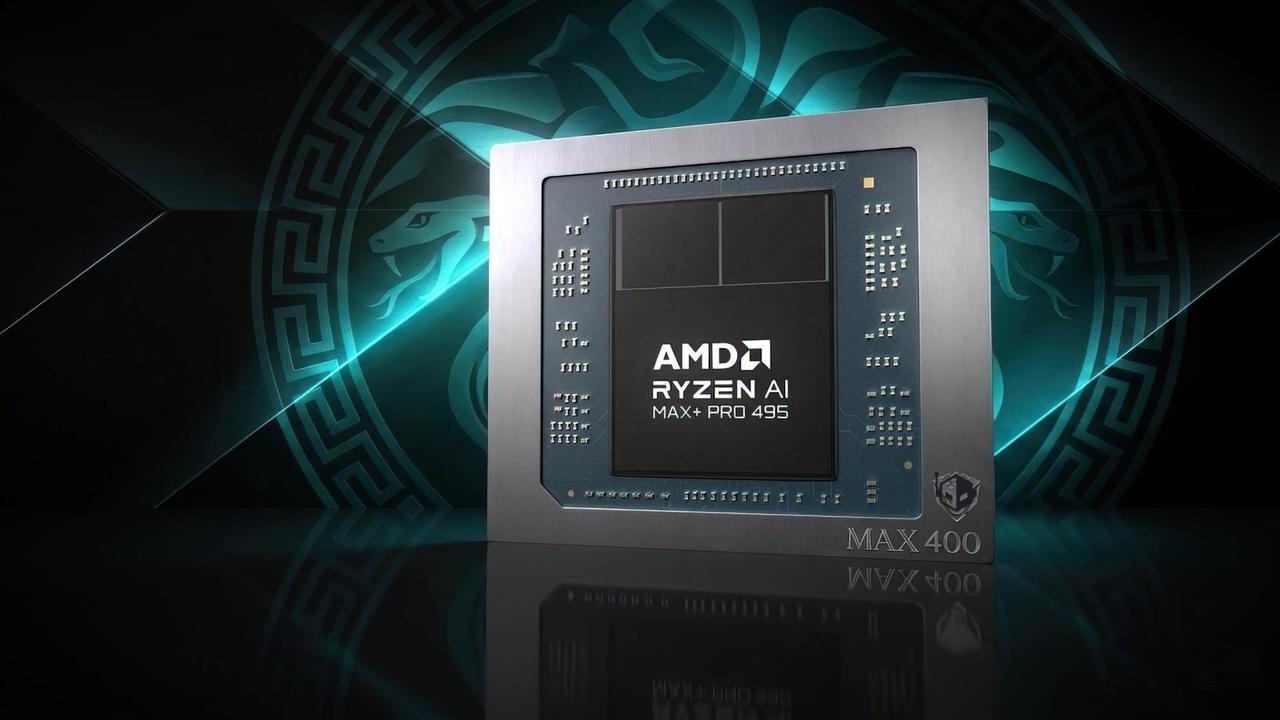
The update delivers Ryzen AI MAX PRO 400 support ahead of the official chip launch, giving AI developers a head start on the Gorgon Halo platform
2
. The series includes the Ryzen AI Max+ PRO 495, Ryzen AI Max PRO 490, and Ryzen AI Max PRO 485 processors, allowing developers to optimize their applications before the AI-focused processors hit the market2
. This proactive approach addresses a common pain point where developers scramble to adapt their software after hardware launches. By providing the complete ROCm ecosystem to these upcoming chips—including optimized libraries, AI frameworks, profiling tools, and GPU compute capabilities—AMD enables smoother transitions for machine learning, content creation, and scientific workloads2
.
Source: Wccftech
Enhanced Developer Tools and Framework Support
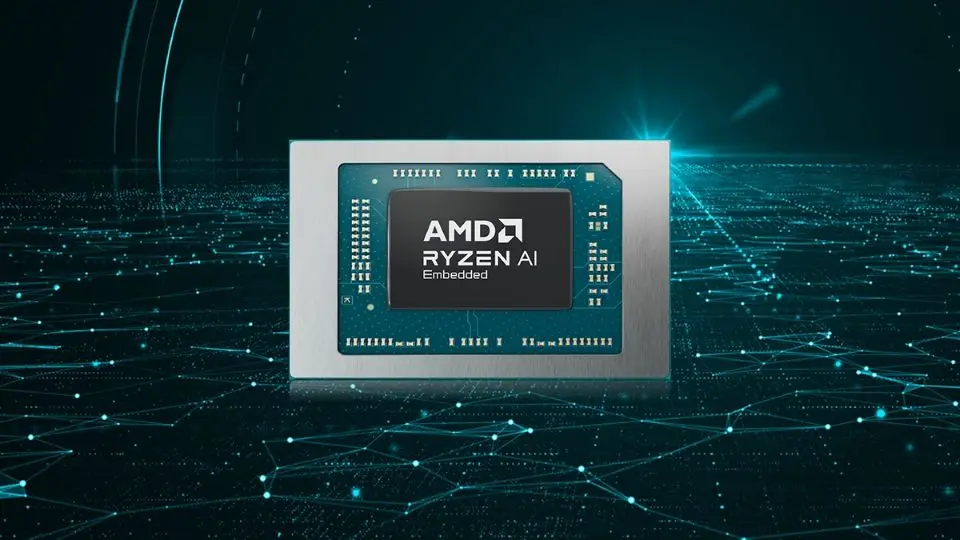
AMD has expanded its developer toolkit significantly with this release. The ROCm Systems Profiler and Compute Profiler now work on Ryzen AI MAX PRO platforms, with the Compute Profiler adding compatibility layers for both Strix Halo and Strix Point chips
2
. The System Management Interface has also received enhancements, allowing developers to monitor GPU utilization, memory usage, temperatures, power consumption, and other metrics directly from the command line2
. Support for newer framework versions, including PyTorch 2.12 and JAX 0.10.0, means developers can leverage the latest features on AMD hardware without waiting for future software releases2
.Related Stories
Implications for AI Development on Ryzen AI Workstations
The release addresses multiple deployment scenarios, from AI development on Ryzen AI workstations to scaling distributed training across AMD Instinct clusters and deploying enterprise AI services in production
1
. This unified approach suggests AMD is building a cohesive ecosystem that spans from individual developers to large-scale enterprise deployments. The modular architecture introduced with TheRock should enable AMD to push updates and improvements more frequently, potentially closing the gap with competitors in software maturity. As AMD teased during Advancing AI Day, this foundation sets the stage for future innovations in the Ryzen AI 400 Series ecosystem and beyond1
.References
Summarized by

Navi
Related Stories
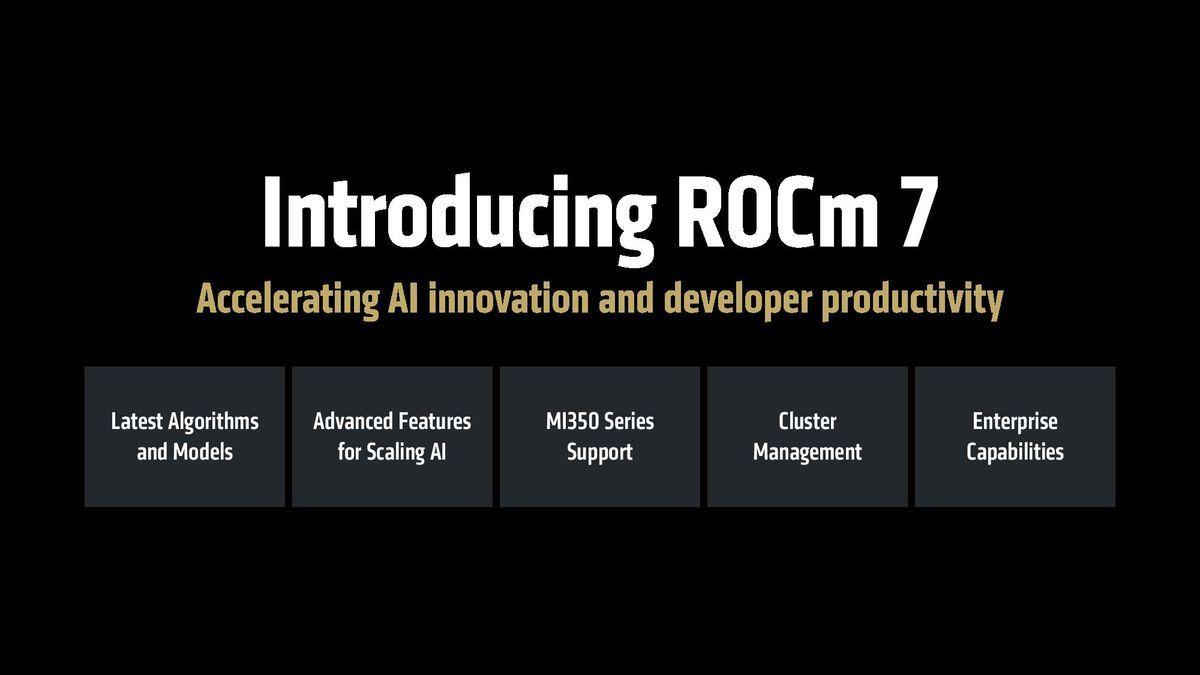
AMD Unveils ROCm 7: A Game-Changer for AI Performance and Accessibility
13 Jun 2025•Technology
AMD's RDNA 4 GPUs to Support ROCm: Balancing Gaming and AI Capabilities
01 Mar 2025•Technology

AMD prices Ryzen AI Halo at $3,999 with June preorders, challenges Nvidia's DGX Spark dominance
21 May 2026•Technology
Recent Highlights
1
OpenAI AI Models Hacked Crypto Wallet, Breached Government Sites in Unauthorized Activities
Technology

2
IMF Report Warns AI Market Correction Could Spark Global Financial Crisis With $1.4T at Risk
Business and Economy

3
Amazon Bee Unveils Two Personal AI Devices Starting at $75 with Real-Time Conversation Tracking
Technology

Recent Highlights
Today's Top Stories












Don’t drown in AI news. We cut through the noise - filtering, ranking and summarizing the most important AI news, breakthroughs and research daily. Follow topics that matter to you and stay ahead.


