AMD prices Ryzen AI Halo at $3,999 with June preorders, challenges Nvidia's DGX Spark dominance


15 Sources
[1]
Preorders for AMD's $3,999 Ryzen AI Halo, Its DGX Spark Competitor, Start in June
AMD is now ready for its developer platform to go head-to-head with Nvidia (and Apple). AMD is looking to undercut Nvidia's flagship semi-professional AI developer hardware with its Ryzen AI Halo Developer Platform. After previewing its Ryzen AI 400 series at CES 2026, AMD today unveiled the
[2]
AMD Ryzen AI Max 400 'Gorgon Halo' packs up to 192GB of unified memory -- refreshed APU uses Zen 5 and RDNA 3.5, and can clock up to 5.2 GHz
They'll show up in Ryzen AI Halo boxes "soon," and pre-orders for Ryzen AI Halo with Strix Halo open in June, starting at $3,999. AMD is refreshing its stack of large SoCs, dubbed Ryzen AI Max, with new Gorgon Point chips. Codenamed Gorgon Halo, the Ryzen AI Max 400 range is a minor refresh to the
[3]
AMD says its $4K Ryzen AI Halo workstation practically pays for itself
AMD's answer to Nvidia's DGX Spark AI workstations, codenamed the Ryzen AI Halo, will be available for pre-order later next month for anyone with $3,999 burning a hole in their pocket. That might sound like a lot for an AI mini PC, but don't worry. Compared to cloud APIs, it practically pays for
[4]
AMD just dropped a compact AI workstation that makes discrete GPUs look outdated for running LLMs
Richard is the PC Hardware Lead at XDA and has been covering the technology industry for almost two decades. He's been building PCs since young, and when not creating content, you can often find him inside a chassis somewhere. AMD has announced the availability of the Ryzen AI Halo developer
[5]

AMD prices its Ryzen AI Halo PC at $3,999, unveils Ryzen AI Max 400 chips - Engadget
AMD's big pitch for 2026 seems to be: "Who needs cloud AI processing when you can do it all locally?" At CES this year, the company unveiled its Ryzen AI Halo PC, a Mac Mini-sized system that can crank out AI work. Today, AMD announced that it will start at $3,999 with Ryzen AI Max 300 CPUs, and we
[6]

AMD’s Next Big Chip Hopes To Beat Nvidia’s CPUs While They’re in the Crib
Team Red also hopes to beat Nvidia’s â€~AI supercomputer’ with a mini-PC of its own. AMD is trying to give Nvidia’s long-rumored laptop CPUs a run for their money before they’re even out the door. To do this, AMD is making its most powerful processor with the latest Ryzen AI Halo chips
[7]

This $3,999 AMD mini PC replaces expensive cloud AI without the Nvidia price tag
AMD might have the solution if you like the idea of Nvidia's DGX Spark as an AI workstation, but balk at having to use a specialized ARM chip -- and the $4,699 starting price. The company has introduced the Ryzen AI Halo, a mini PC that's not only optimized for AI development, but promises to save
[8]

Ryzen AI Halo is AMD's $3,999 answer to maxing out ChatGPT
AMD estimates a six-month break-even period for users currently spending $773 monthly on cloud AI services, positioning it as a cost-effective business investment. With the big AI providers cracking down on usage limits for their most powerful agentic features, it's tempting to kiss our ChatGPT,
[9]

AMD Ryzen AI Max 400 Series Adds 192GB Unified Memory Support
AMD has officially introduced the Ryzen AI Max 400 series processors, expanding its AI-focused processor lineup with support for up to 192GB of unified memory. The new series builds on the Ryzen AI Max 300 platform but significantly increases available memory capacity, targeting AI developers,
[10]

AMD launches the Ryzen AI Max PRO 400 series of CPUs, up to 16 cores with 192GB of unified memory
AMD has officially announced the Ryzen AI Max PRO 400 series processors, the successor to the Strix Halo-based Ryzen AI Max 300 lineup. Codenamed "Gorgon Halo," the new family is designed for commercial AI PCs, mobile workstations, and small-form-factor desktop systems. It looks like the focus
[11]

AMD unveils $3,999 Ryzen AI Halo PC for local developer workloads
AMD has unveiled its Ryzen AI Halo PC, a new system designed for local AI processing, priced starting at $3,999 and featuring Ryzen AI Max 300 CPUs. Preorders for the Halo PC will begin in June. The company also announced it plans to release future models equipped with Ryzen AI Max 400
[12]
AMD Prices Ryzen AI Halo Mini PC at $3,999
AMD has officially disclosed pricing for its Ryzen AI Halo mini PC platform, confirming that the compact AI-focused system will launch at $3,999 with pre-orders scheduled for later in June. The announcement also introduces the Ryzen AI Max 400 processor family, internally codenamed "Gorgon Halo,"
[13]
AMD's $3999 Halo box challenges NVIDIA's DGX Spark with 128GB memory and Zen 5 AI power
AMD says its Ryzen AI Halo mini-PC will "pay for itself" in just a few months of use and it's coming in June. The compact system, built around the Ryzen AI MAX+ 395 chip and packing 128GB of unified memory, is AMD's direct answer to NVIDIA's DGX Spark that debuted in October 2025. Priced at $3999,
[14]

AMD Claims Leadership Tokens/$ With Its Ryzen AI Halo Dev Platform, Tackles NVIDIA's Spark at $3999 & Pays For Itself Within 6-Months
AMD's Ryzen AI Halo developer platform offers strong Agentic AI capabilities & "leadership" token/$ value with its Halo chips, and will be available for pre-order this June. Today, AMD is finally lifting the pricing and availability details of its Ryzen AI Halo developer platform, which was first
[15]

AMD Launches Ryzen AI Halo and Max PRO 400 Processors to Power Next-Gen Agentic PC Era
AI is rapidly shifting from cloud-based systems to where work happens, with the PC evolving into both an interface for AI interaction and a local execution layer for real-time tasks. To move from simple chatbots to autonomous real-time agents, developers and enterprises need a local execution layer
Share
Copy Link
AMD unveiled pricing for its Ryzen AI Halo developer platform at $3,999, undercutting Nvidia's DGX Spark by $700. The compact AI workstation features 128GB of unified memory and supports both Windows and Linux, targeting developers seeking cost-effective alternatives to cloud-based AI solutions. Preorders begin in June 2026.
AMD Ryzen AI Halo Targets Nvidia DGX Spark Competitor Market
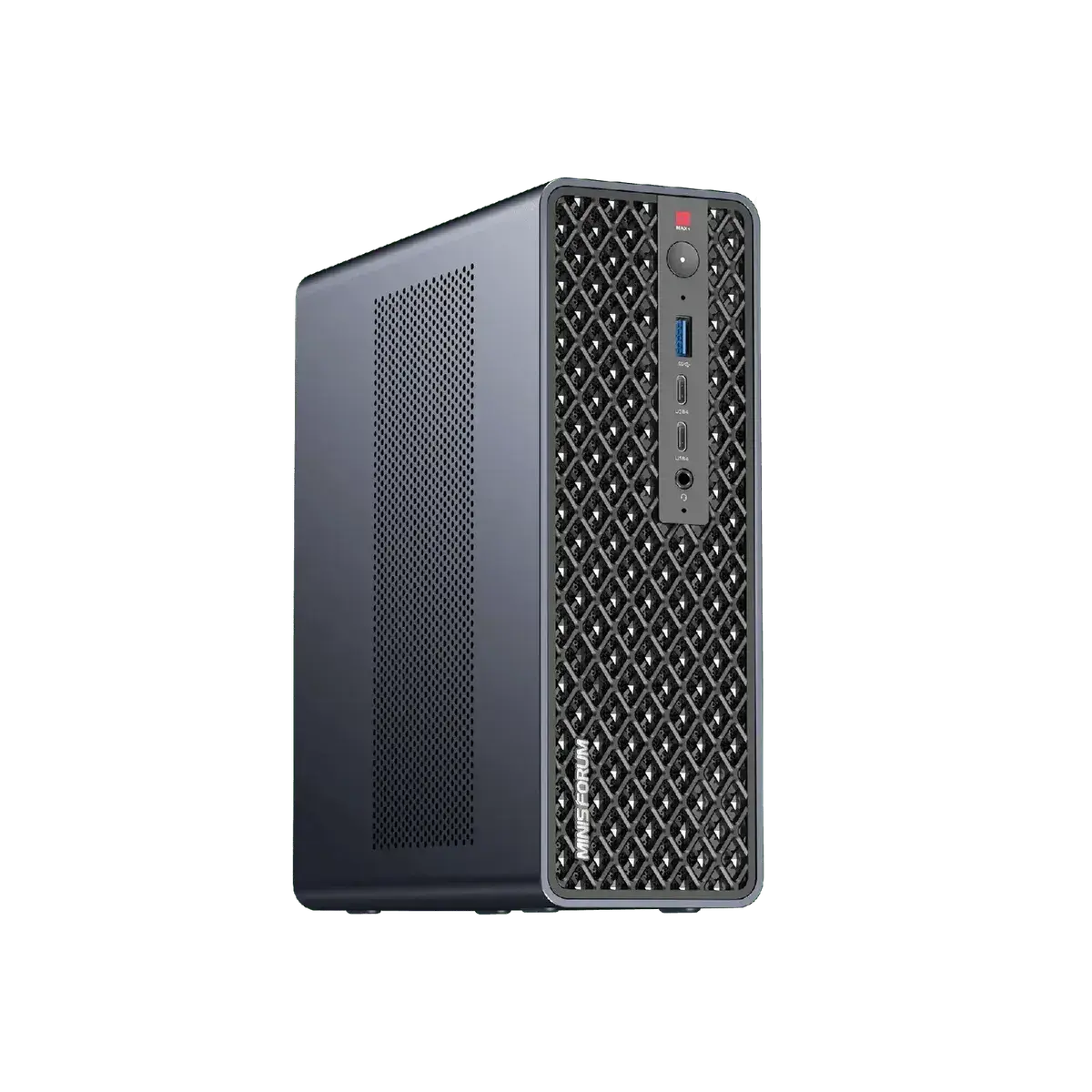
AMD has announced that its AMD Ryzen AI Halo developer platform will be available for preorder in June 2026, starting at $3,999—positioning itself as a $700 cheaper alternative to Nvidia's DGX Spark, which currently retails at $4,699
1
. The compact AI workstation measures just 6 inches square and less than 2 inches tall, packing serious hardware into a Mac Mini-sized form factor1
. This move signals AMD's direct challenge to Nvidia's grip on the professional AI developer hardware market, while simultaneously offering an alternative to cloud-based AI solutions that continue to dominate the industry.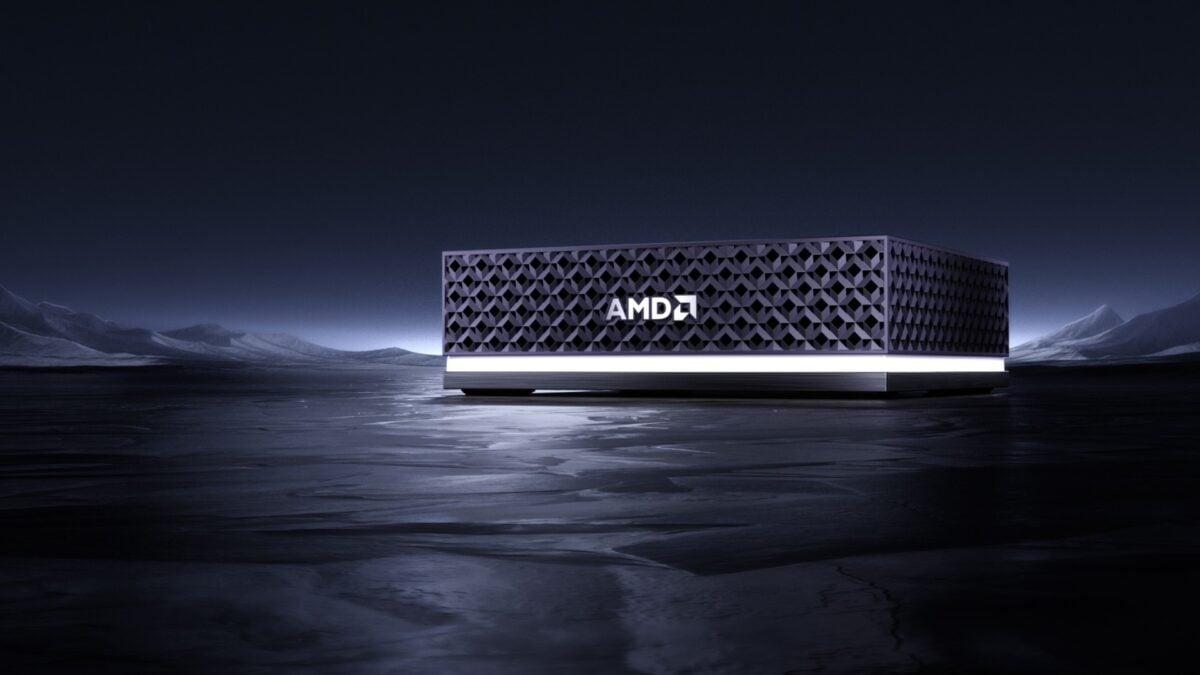
Source: Gizmodo
The starting configuration features a Ryzen AI Max+ 395 processor with 16 Zen 5 cores capable of boosting to 5.1 GHz, paired with 128GB of LPDDR5x unified memory and 2TB of storage
2
. The system integrates a 40-core RDNA 3.5 GPU delivering approximately 56 teraFLOPS at 16-bit precision, alongside a 50 TOPS NPU based on XDNA 2 architecture3
. With a TDP of just 120W, the platform supports running large language models with up to 200 billion parameters locally1
.Cost Savings Drive Local AI Development Appeal
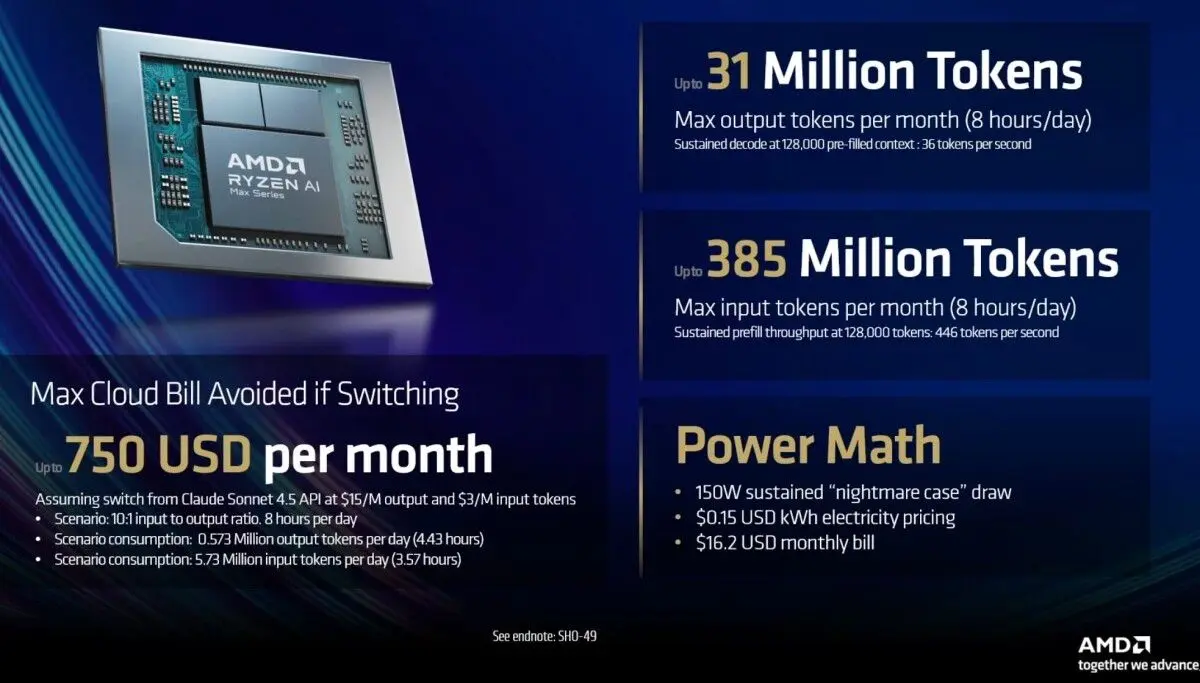
AMD's pitch centers on long-term cost efficiency compared to cloud computing services. The company estimates that developers using approximately 6 million tokens per day would incur cloud costs exceeding $770 per month
1
. Over three years, this totals more than $27,000, while the Ryzen AI Halo costs $4,000 upfront plus an estimated $16 monthly for electricity1
. By AMD's calculations, businesses could break even within six months, making local AI development increasingly attractive as AI models become more expensive to run in the cloud1
.
Source: The Register
This economic argument matters significantly for developers and prosumers building AI development workflows from the ground up. If AMD can establish its hardware during these foundational stages, it stands a chance of retaining customers across multiple hardware generations
1
. The platform provides ROCm support and a ready-to-use software stack for both Windows and Linux, consisting of the Ryzen AI Developer Center, preloaded apps and models, plus guided workflow playbooks4
.Performance Benchmarks Against Nvidia DGX Spark
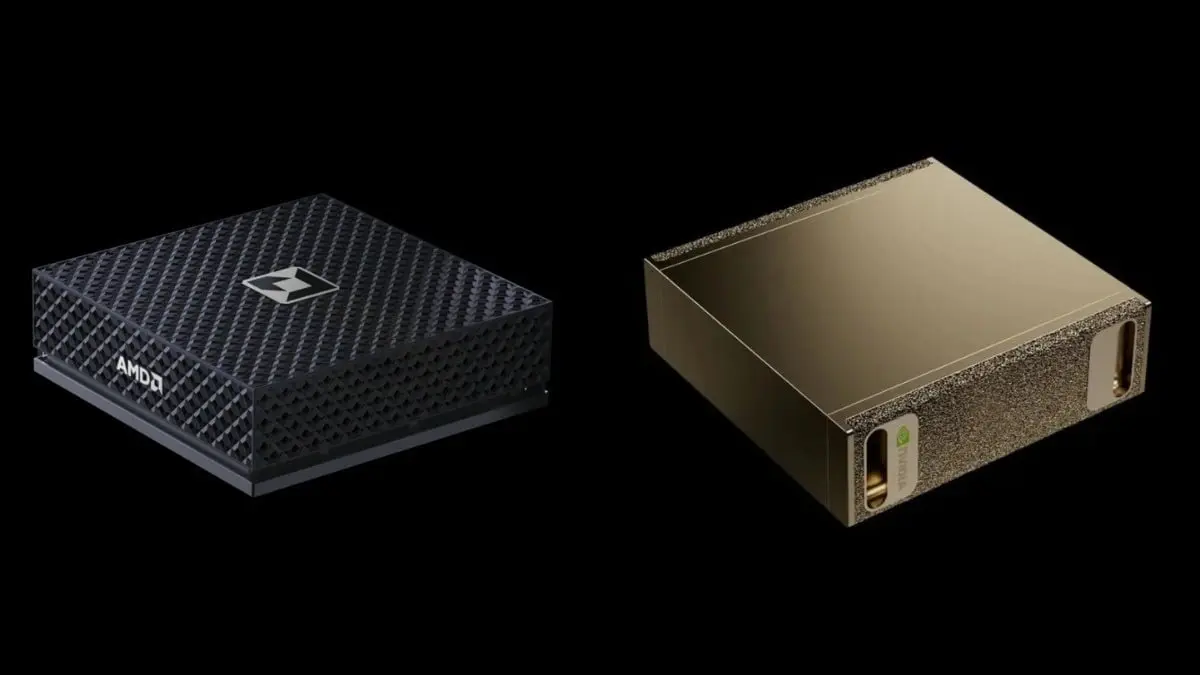
AMD claims the Ryzen AI Halo delivers up to 14% faster local AI performance with specific models like GLM 4.7 Flash 30B, and up to 4% higher tokens per second with Qwen 3.6 35B when compared to the Nvidia DGX Spark on Linux
2
. However, the DGX Spark's Blackwell-based GB10 APU delivers significantly more raw compute power—125 teraFLOPS at BF16, 250 at FP8, and 500 at FP4 precision—compared to the Halo's 56 teraFLOPS3
.
Source: TweakTown
The performance gap narrows in running large language models locally, where effective memory bandwidth matters more than floating point performance. Token generation speeds favor AMD slightly, though Nvidia's tensor cores maintain a 2-3x advantage in prompt processing times
3
. One key advantage for the AMD Ryzen AI Halo: it supports both Windows and Linux operating systems, while the DGX Spark remains Linux-only5
. This flexibility proves particularly valuable for developers building applications for Microsoft's NPU-accelerated AI PC ecosystem3
.Related Stories


Ryzen AI Max 400 Series Pushes Unified Memory Boundaries
AMD simultaneously announced the Ryzen AI Max PRO 400 series processors, codenamed Gorgon Halo, which will power future AI workstation configurations
2
. These chips represent a minor refresh of the existing Ryzen AI Max 300 'Strix Halo' processors but introduce one significant upgrade: support for up to 192GB of unified memory, with 160GB available as GPU VRAM5
. This makes them the first x86 client processors capable of running 300B+ parameter large language models2
.The flagship Ryzen AI Max+ Pro 495 features 16 cores with a 5.2 GHz boost clock, combining Zen 5 and RDNA 3.5 architectures alongside a 55 TOPS NPU using XDNA 2 technology
5
. AMD says these processors are designed for AI developers, engineers, and creators working across simulation, content creation, and data-intensive workflows1
. Systems featuring Ryzen AI Max 400 chips from partners like HP and Lenovo are expected in the third quarter of 20261
.The timing presents challenges, however. Global DRAM shortages continue pushing prices upward across all categories, with Apple already removing 512GB and 128GB options from the Mac Studio due to memory constraints
2
. Whether AMD can consistently ship Gorgon Halo systems with 192GB configurations remains uncertain2
. For developers and businesses evaluating their AI infrastructure investments, the Ryzen AI Halo represents a strategic bet on local processing over cloud dependency—one that could reshape how organizations approach AI development costs over the next several years.References
Summarized by

Navi
[2]
[4]
Related Stories
AMD unveils Ryzen AI 400 Series with 60 TOPS, challenging Intel and Qualcomm in AI PC race
06 Jan 2026•Technology
AMD's Ryzen AI Max+ PRO 495 workstation brings 192GB unified memory for local AI models
Yesterday•Technology
AMD Ryzen AI Halo launches at $3,999, undercutting NVIDIA's DGX Spark in AI development race
13 Jun 2026•Technology
Recent Highlights
1
Meta Unveils Muse Wonder Frontier AI Models, Claims Performance Matching OpenAI and Anthropic
Technology

2
IMF Report Warns AI Market Correction Could Spark Global Financial Crisis With $1.4T at Risk
Business and Economy

3
OpenAI Releases 722 AI-Generated Math Solutions, Triggering Existential Crisis in Mathematics
Technology

Recent Highlights
Today's Top Stories








Don’t drown in AI news. We cut through the noise - filtering, ranking and summarizing the most important AI news, breakthroughs and research daily. Follow topics that matter to you and stay ahead.


