AMD and Intel report unprecedented CPU demand surge driven by agentic AI and inference workloads


3 Sources
[1]
'CPUs are cool again,' Intel and AMD reporting spikes in CPU demand due to agentic AI, shortages -- Lisa Su says business exceeded expectations while Intel is looking at long-term agreements with potential customers
Both AMD and Intel said during the 2026 Morgan Stanley Technology, Media & Telecom Conference that demand for CPUs is seeing an uptick due to artificial intelligence. Intel CFO David Zinsner said during his question and answer (via Investing.com) that "the CPU has become cool again this year,"
[2]
AMD's CPU division is booming as CEO Dr. Lisa Su says sales 'far exceeded my expectations'
AMD CEO Dr. Lisa Su says the company's CPU sales have "far exceeded my expectations in terms of demand." That's the good news. The more ambivalent addendum, at least for we mere PC gamers, is that you can probably guess why AMD CPU sales are going gangbusters. Rejoice, because it is of course
[3]
AMD Witnesses "Unexpected" CPU Demand From Customers as Agentic AI Accelerates Adoption; CEO Lisa Su Warns Supply Is Tightening
AMD's CEO has discussed the company's situation with enterprise demand for its server CPUs, and according to Lisa Su, Team Red faces 'unexpected' customer volume. The ratio of CPU: GPU in modern-day AI compute workloads has evolved dramatically over the past few months, mainly since with agentic
Share
Copy Link
AMD CEO Lisa Su reveals CPU sales far exceeded expectations as artificial intelligence inference workloads drive unprecedented demand. Both AMD and Intel report supply shortages for server CPUs, particularly in China, as agentic AI applications require more CPU compute power alongside GPUs. Intel CFO says CPUs have become 'cool again' with customers seeking long-term supply agreements.
AMD Reports CPU Demand Far Exceeded Expectations
AMD CEO Lisa Su disclosed at the Morgan Stanley Conference that the company's CPU division is experiencing demand levels that have far exceeded expectations, driven primarily by artificial intelligence inference workloads
2
. "We're seeing a significant CPU demand, frankly, as a result of the inference demand picking up," Su told investors, adding that "the CPU portion of the business has actually far exceeded my expectations in terms of demand"1
. This surge marks a significant shift in the AI compute landscape, where GPUs previously dominated headlines and supply concerns.
Source: Wccftech
Agentic AI Drives New CPU Requirements
The rise of agentic AI applications has fundamentally altered the balance between CPU and GPU requirements in AI compute workloads
3
. As AI systems evolve beyond simple chatbots to agents capable of observing, reasoning, planning, acting, and learning independently, data centers require more multi-processor computing power combining CPUs, GPUs, and NPUs to support entire agentic workflows1
. Intel CFO David Zinsner confirmed this trend, stating that "the CPU has become cool again this year," particularly as AI agents need CPUs to orchestrate computationally-heavy tasks that GPUs and NPUs execute1
. Hyperscalers like Meta have begun entering standalone CPU agreements with infrastructure providers, signaling that compute requirements are diversifying away from GPU-only solutions.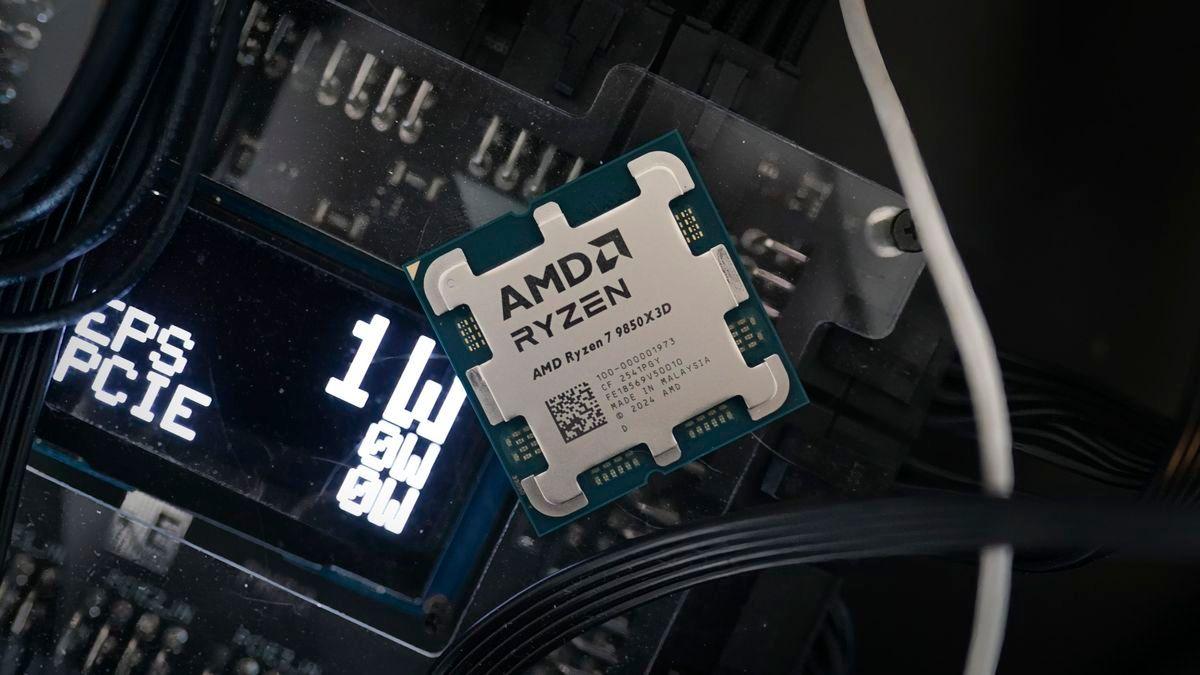
Source: Tom's Hardware
Supply Shortages Emerge as Demand Catches Industry Off Guard
Both chip manufacturers are now facing supply shortages for server CPUs, particularly in China, where the spike in demand has been most pronounced
1
. Lisa Su acknowledged the tightening CPU supply situation, explaining that customers told her "the demand for CPU compute sitting along AI was perhaps something that was under-forecasted"3
. The supply chain had little time to adjust as customer interest grew suddenly over recent quarters. Intel has similarly disclosed that it failed to meet hyperscaler commitments due to insufficient production capacity, with customers now seeking long-term agreements to ensure continuous supply1
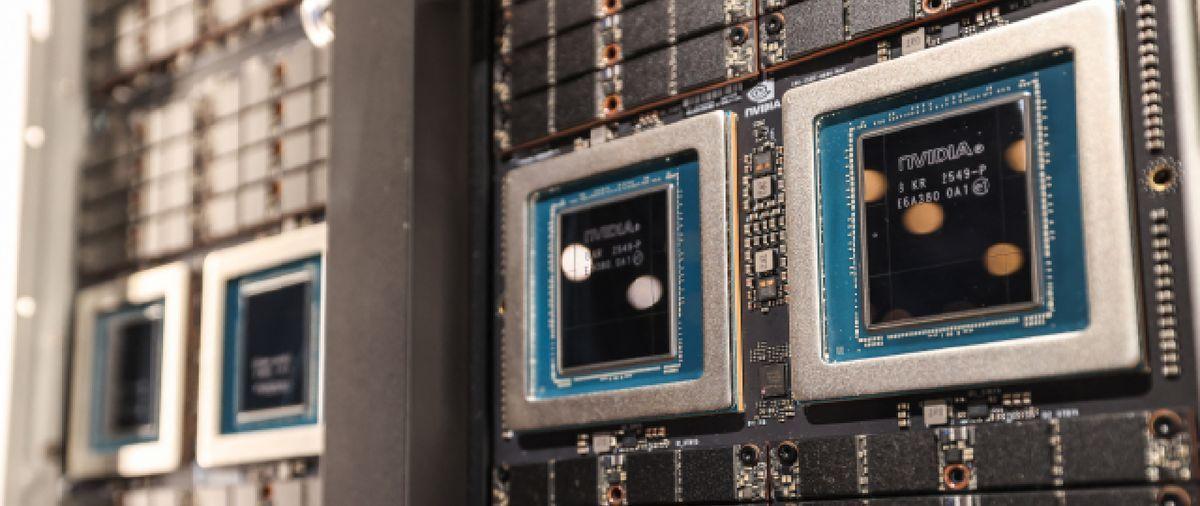
. Even NVIDIA has entered into CPU-only commitments with infrastructure partners, underscoring the growing importance of processors in AI workloads.Related Stories
Implications for Consumer Market and Supply Chain
While AMD's Lisa Su expressed confidence that the company is "very, very well positioned from a supply standpoint to meet a large percentage of that demand," the surge in data center requirements raises concerns about potential impacts on the consumer market
2
. Both AMD and Intel have converged their data center and consumer offerings in recent generations, leveraging the same microarchitecture across client and enterprise segments to maximize yields1
. If focus shifts toward the data center, it could put downward pressure on consumer supply, similar to what occurred with RAM and SSDs during the AI boom. The situation mirrors earlier component shortages that began with GPUs after ChatGPT demonstrated AI potential in late 2022, followed by memory and storage chip shortages through February 2026. Some analysts are already predicting the end of entry-level PCs by 2028 if current trends continue, though both companies still derive approximately half their quarterly revenue from the consumer market, suggesting they won't abandon that segment entirely.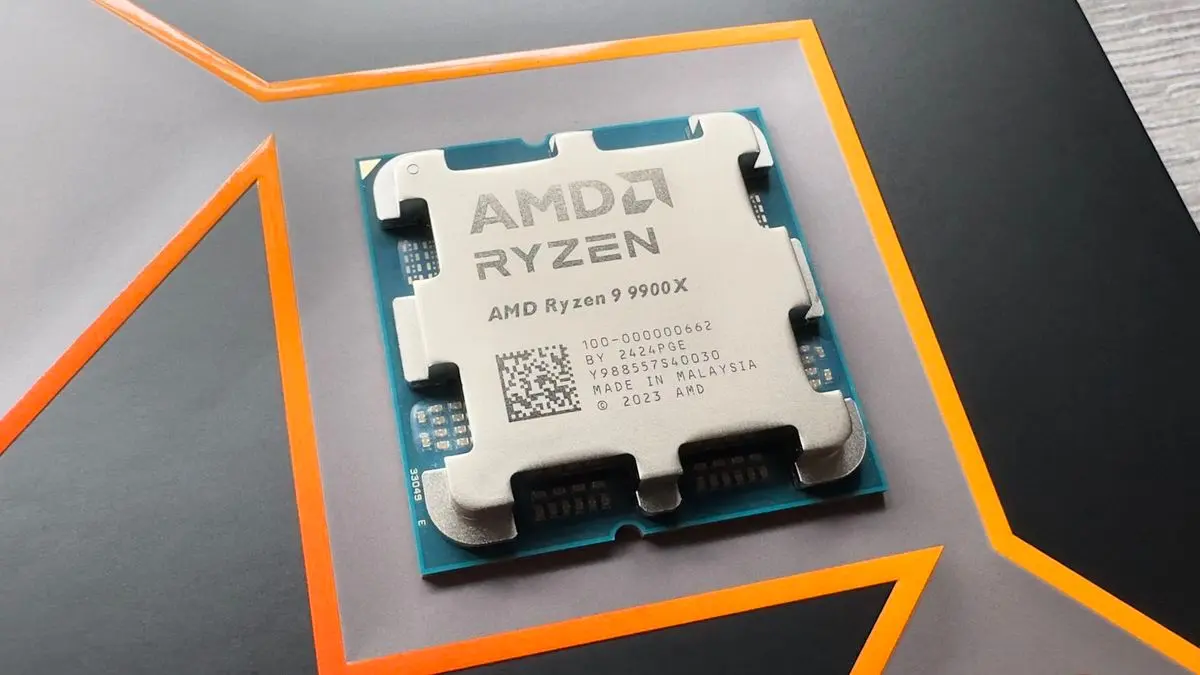
Source: PC Gamer
References
Summarized by

Navi
[2]
Related Stories
AMD posts record Q1 results as data center revenue surges 57% on exploding AI chip demand
05 May 2026•Business and Economy
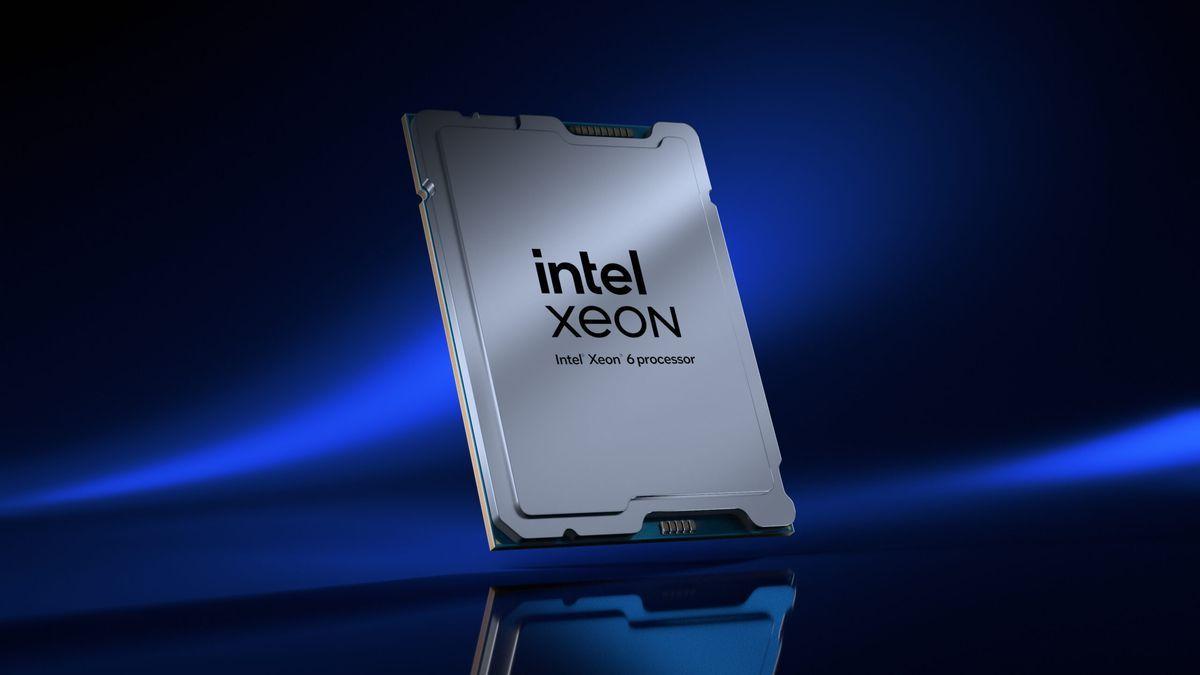
CPU shortage intensifies as AI demand diverts Intel and AMD processors to data centers
25 Mar 2026•Business and Economy
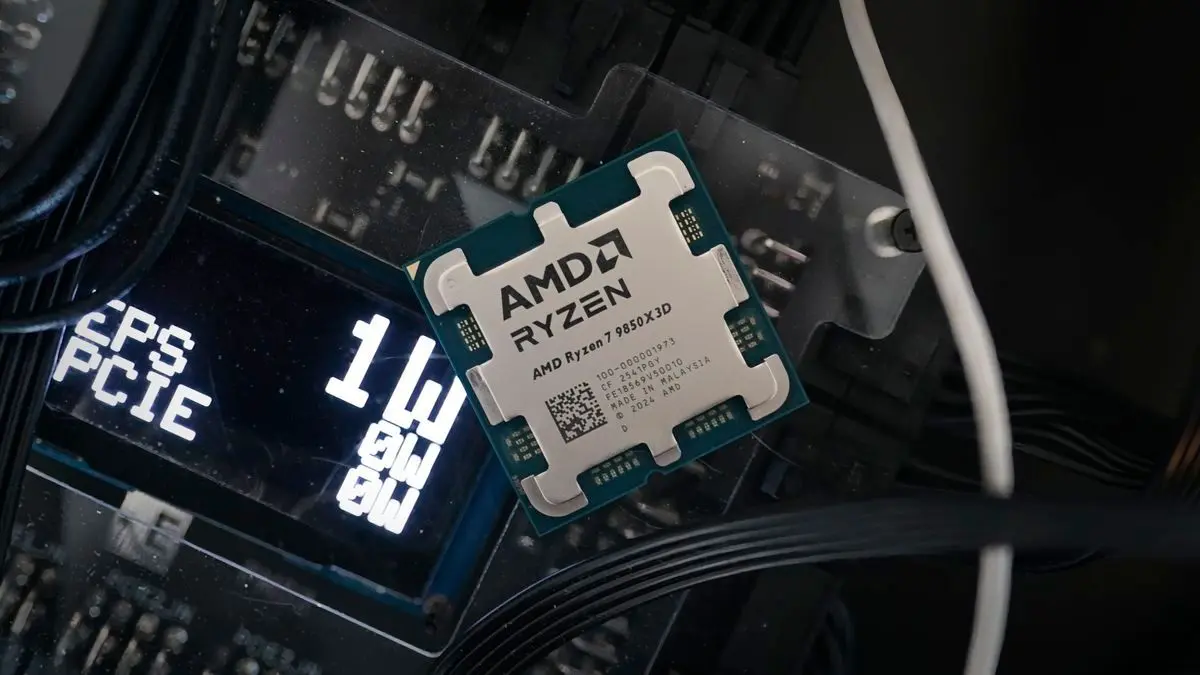
Intel and AMD face severe CPU shortages as AI demand strains global chip supply chain
06 Feb 2026•Business and Economy
Recent Highlights
1
Meta Unveils Muse Wonder Frontier AI Models, Claims Performance Matching OpenAI and Anthropic
Technology

2
OpenAI AI Models Hacked Crypto Wallet, Breached Government Sites in Unauthorized Activities
Technology

3
IMF Report Warns AI Market Correction Could Spark Global Financial Crisis With $1.4T at Risk
Business and Economy

Recent Highlights
Today's Top Stories







Don’t drown in AI news. We cut through the noise - filtering, ranking and summarizing the most important AI news, breakthroughs and research daily. Follow topics that matter to you and stay ahead.


