AMD Secures PlayStation 6 Chip Deal, Outmaneuvering Intel


9 Sources
[1]
AMD will once again be in charge of the new generation of consoles: agreement with Sony for the PlayStation 6 - Softonic
Sources claim that Sony considered giving the task to Intel, but ended up betting on AMD once again A week ago, Sony announced its long-awaited PlayStation 5 Pro, a mid-generation console that boasts a more powerful graphics chip, increased memory bandwidth, and an architecture better suited for
[2]
Intel Missed Out on PlayStation 6 Chip Deal to AMD: Report - Sony Gr (NYSE:SONY), Intel (NASDAQ:INTC), Advanced Micro Devices (NASDAQ:AMD)
AMD's PlayStation 6 chip deal builds on its previous success with PlayStation 5, boosting its competitive edge over Intel. In 2022, Intel Corp INTC lost out to Advanced Micro Devices AMD, a multiyear Sony Group Corp SONY PlayStation 6 chip deal, according to a Reuters exclusive report. The
[3]
How Intel lost the Sony PlayStation business
Intel missed out on a significant contract to design and fabricate the chip for Sony's PlayStation 6, which was awarded to rival AMD. The deal, if secured, could have brought billions in revenue and bolstered Intel's fledgling contract manufacturing business. Intel lost out on a contract to design
[4]
Exclusive: How Intel lost the Sony PlayStation business
SAN FRANCISCO, Sept 16 (Reuters) - Intel (INTC.O), opens new tab lost out on a contract to design and fabricate Sony's PlayStation 6 chip in 2022, which dealt a significant blow to its effort to build its fledgling contract manufacturing business, according to three sources with knowledge of the
[5]

How losing Sony's PlayStation 6 deal to AMD may have dealt another 'big blow' to Intel - Times of India
Intel lost out on a contract to design and manufacture the chip for Sony's upcoming PlayStation 6 console in 2022, dealing a significant setback to its fledgling contract manufacturing business, Reuters reported, citing three sources familiar with the matter. The contract, which could have
[6]

How Intel lost the Sony PlayStation business
The headquarters of Intel Corporation in Santa Clara, California. -- Reuters file Intel lost out on a contract to design and fabricate Sony's PlayStation 6 chip in 2022, which dealt a significant blow to its effort to build its fledgling contract manufacturing business, according to three sources
[7]

Exclusive-How Intel lost the Sony PlayStation business
SAN FRANCISCO (Reuters) - Intel lost out on a contract to design and fabricate Sony's PlayStation 6 chip in 2022, which dealt a significant blow to its effort to build its fledgling contract manufacturing business, according to three sources with knowledge of the events. The effort by Intel to win
[8]

Exclusive-How Intel lost the Sony PlayStation business
Intel and AMD were the final two contenders in the bidding process for the contract. Winning the Sony PlayStation 6 chip design business would have been a victory for Intel's design segment and would have doubled as a win for the company's contract manufacturing effort, or foundry business, which
[9]

How Intel lost Sony PlayStation deal worth potential $30 billion revenue
Typically, Sony consoles sell more than 100 million units across a half decade. For a chip designer, the console business delivers a lower profit than the gross margins of more than 50% for products like artificial intelligence chips, but nonetheless represents steady business that can profit from
Share
Copy Link
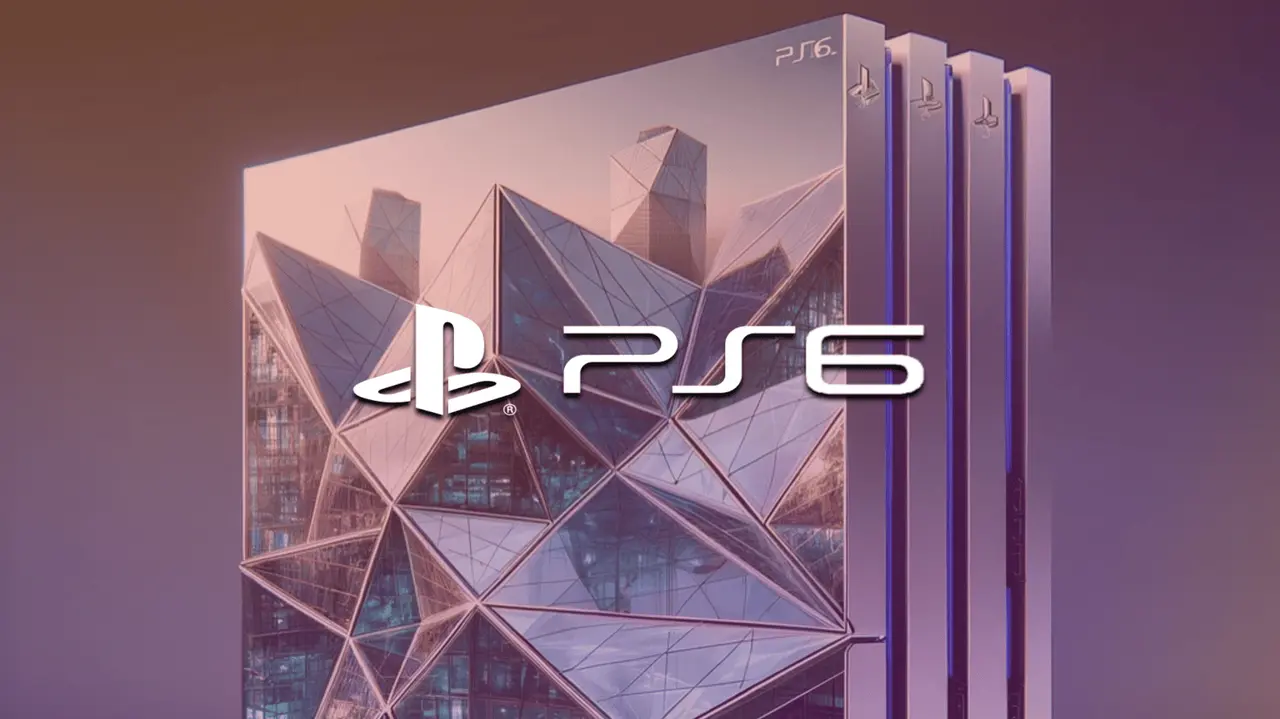
AMD has secured a deal with Sony to provide chips for the upcoming PlayStation 6 console, continuing their partnership from previous generations. This decision comes as a setback for Intel, who had hoped to win the contract.

AMD Continues Partnership with Sony for PlayStation 6
Advanced Micro Devices (AMD) has once again secured its position as the chip provider for Sony's next-generation gaming console, the PlayStation 6. This agreement extends AMD's long-standing partnership with Sony, which began with the PlayStation 4
1
. The decision marks a significant win for AMD in the competitive semiconductor industry and a notable setback for Intel, who had hoped to break into the console market.Intel's Missed Opportunity
Intel, the world's largest chipmaker, had been vying for the PlayStation 6 contract as part of its strategy to diversify its business and enter the lucrative gaming console market
2
. The company's failure to secure the deal represents a missed opportunity to gain a foothold in this sector and potentially signals challenges in its efforts to compete with AMD in certain markets.The Decision-Making Process
Sony's choice to stick with AMD was influenced by several factors. The Japanese tech giant was reportedly concerned about potential supply chain disruptions if it switched to Intel
3
. Additionally, AMD's track record of delivering custom chips for previous PlayStation consoles likely played a role in Sony's decision.Impact on the Industry
The continuation of the AMD-Sony partnership for the PlayStation 6 has significant implications for the gaming and semiconductor industries:
-
Market Position: AMD strengthens its position in the gaming console market, where it also supplies chips for Microsoft's Xbox
4
. -
Intel's Strategy: This setback may prompt Intel to reassess its approach to entering the gaming console market and its overall strategy in competing with AMD.
-
Future of Console Gaming: The decision suggests that Sony is satisfied with AMD's performance and may indicate continuity in the architectural approach for the PlayStation 6.
Related Stories
Technical Considerations
While specific details about the PlayStation 6 hardware remain undisclosed, the choice of AMD suggests that Sony may continue to use a custom system-on-chip (SoC) design similar to previous generations. This approach has allowed for optimized performance and energy efficiency in console gaming
5
.Looking Ahead
As the gaming industry continues to evolve, the partnership between AMD and Sony for the PlayStation 6 sets the stage for the next generation of console gaming. The collaboration is expected to drive innovation in graphics processing, computational power, and energy efficiency, potentially shaping the future of interactive entertainment.
References
Summarized by

Navi
Related Stories
Sony and AMD Unveil Next-Gen Console Technology: A Glimpse into the Future of Gaming
09 Oct 2025•Technology

Sony's AI Innovation: Custom Hardware and Collaboration with AMD for Next-Gen Gaming Graphics
19 Dec 2024•Technology

Sony and AMD's Project Amethyst: Shaping the Future of PlayStation with AI
02 Jul 2025•Technology
Recent Highlights
1
OpenAI AI Models Hacked Crypto Wallet, Breached Government Sites in Unauthorized Activities
Technology

2
IMF Report Warns AI Market Correction Could Spark Global Financial Crisis With $1.4T at Risk
Business and Economy

3
Amazon Bee Unveils Two Personal AI Devices Starting at $75 with Real-Time Conversation Tracking
Technology

Recent Highlights
Today's Top Stories










Don’t drown in AI news. We cut through the noise - filtering, ranking and summarizing the most important AI news, breakthroughs and research daily. Follow topics that matter to you and stay ahead.


