AMD Unveils Zen 6 and Zen 7 CPU Roadmap: 2nm Process Technology and Enhanced AI Capabilities Coming in 2026-2027


5 Sources
[1]
AMD confirms Zen 7 CPU plans, offers look at GPU, NPU roadmap
AMD's roadmap marches on: the company confirmed the presence of its next-generation Zen 7 architecture, and talked briefly about the company's next-generation PC graphics roadmap as well. AMD hosted a day for financial analysts on Tuesday, outlining its businesses for a cadre of Wall Street
[2]
AMD's next-gen Zen 6 EPYC Venice CPU: over 70% more performance, 30% more thread density
TL;DR: AMD will launch its next-generation Zen 6-based EPYC "Venice" CPUs in 2026, featuring up to 256 cores, 70% performance and efficiency gains, and 30% higher thread density. Built on TSMC's advanced 2nm process with nanosheet transistors, these processors deliver significant improvements for
[3]
AMD's confirms Zen 6 on TSMC 2nm, officially confirms future-gen Zen 7 on an even newer node
TL;DR: AMD's updated roadmap reveals Zen 6 CPUs launching in 2026 on TSMC's 2nm process, delivering improved IPC, AI features, and higher performance for Ryzen and EPYC. Future Zen 7 architecture will use a "Future Node." New APUs with RDNA 5 GPUs and advanced AI capabilities are planned for
[4]
AMD Confirms Zen 6-Powered Medusa CPUs For 2027, Next-Gen Gaming GPUs With Improved AI & Raytracing
AMD has confirmed its next-gen client CPU & GPU families, Gorgon in 2026, Medusa in 2027, and next-gen gaming products. 2025 has been a solid year for AMD's Client division, with an estimated revenue of $10 billion, a 50% increase in CPU ASP, and a PC revenue share of around 28%. This is all due
[5]
AMD Confirms Next-Gen Zen 6 "2nm" & Zen 7 "Future Node" CPU Core Architectures: Zen 6 Boosts Performance/Efficiency, Zen 7 Features New AI Engines
AMD has presented its latest Zen core architecture roadmap, confirming Zen 6 and Zen 7 for future EPYC & Ryzen CPU families. AMD's Zen 6 To Offer Higher Performance & Efficiency, While Zen 7 Strengthens AI Side Too With New Engines As per the latest roadmap presented during the Financial Analyst
Share
Copy Link
AMD confirms its next-generation CPU architectures with Zen 6 launching in 2026 on TSMC's 2nm process and Zen 7 featuring advanced AI engines. The roadmap includes significant performance improvements and new AI capabilities for both desktop and server processors.
AMD Confirms Next-Generation CPU Architecture Plans
AMD has officially unveiled its roadmap for future CPU architectures during its Financial Analyst Day, confirming the development of both Zen 6 and Zen 7 core architectures. The announcement marks a significant milestone in AMD's processor evolution, with the company positioning itself for continued competition in both consumer and enterprise markets
1
.
Source: Wccftech
AMD Chief Technology Officer Mark Papermaster announced that the company is actively working on Zen 7, representing the next major leap in CPU architecture beyond the upcoming Zen 6 generation. The confirmation comes as AMD continues to leverage its chiplet design philosophy that has proven successful across five generations of Zen processors
1
.Zen 6 Architecture: 2026 Launch with Substantial Performance Gains
The Zen 6 architecture is scheduled for launch in 2026 and will be manufactured using TSMC's advanced 2nm process node, specifically the N2P variant. This represents AMD's industry-first adoption of TSMC's flagship 2nm technology, which utilizes nanosheet transistors instead of traditional FinFET technology
3
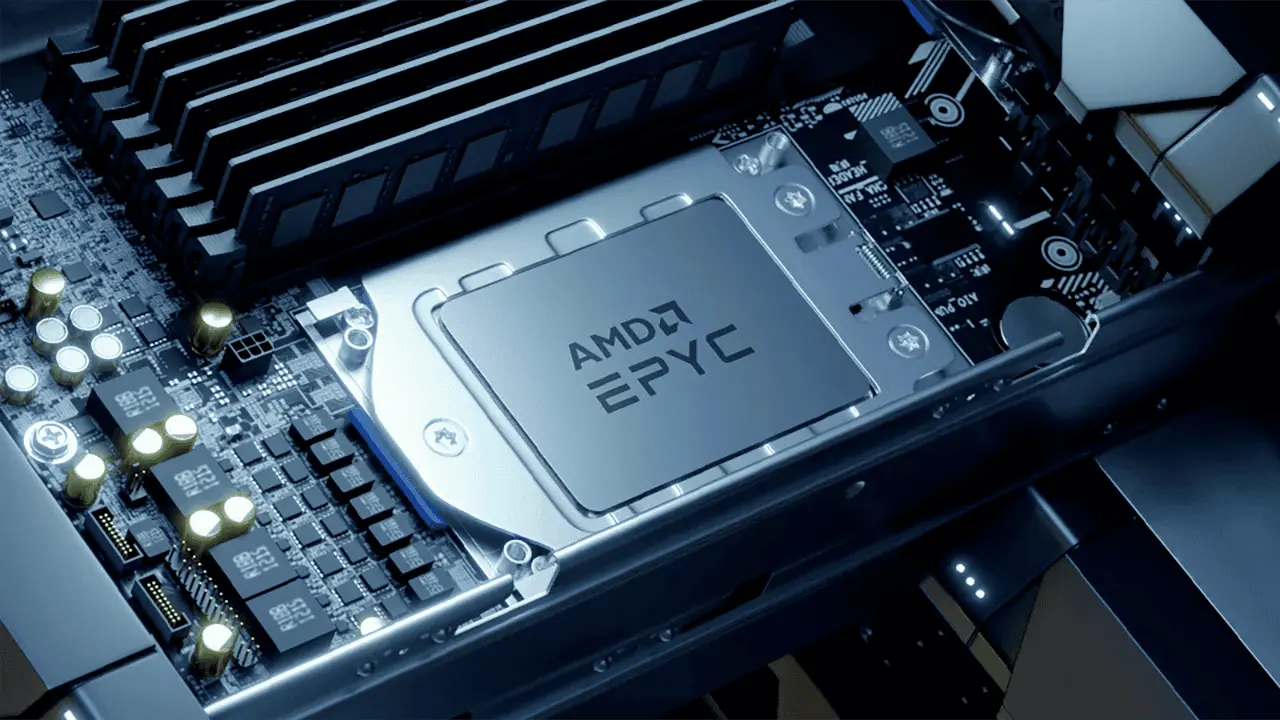
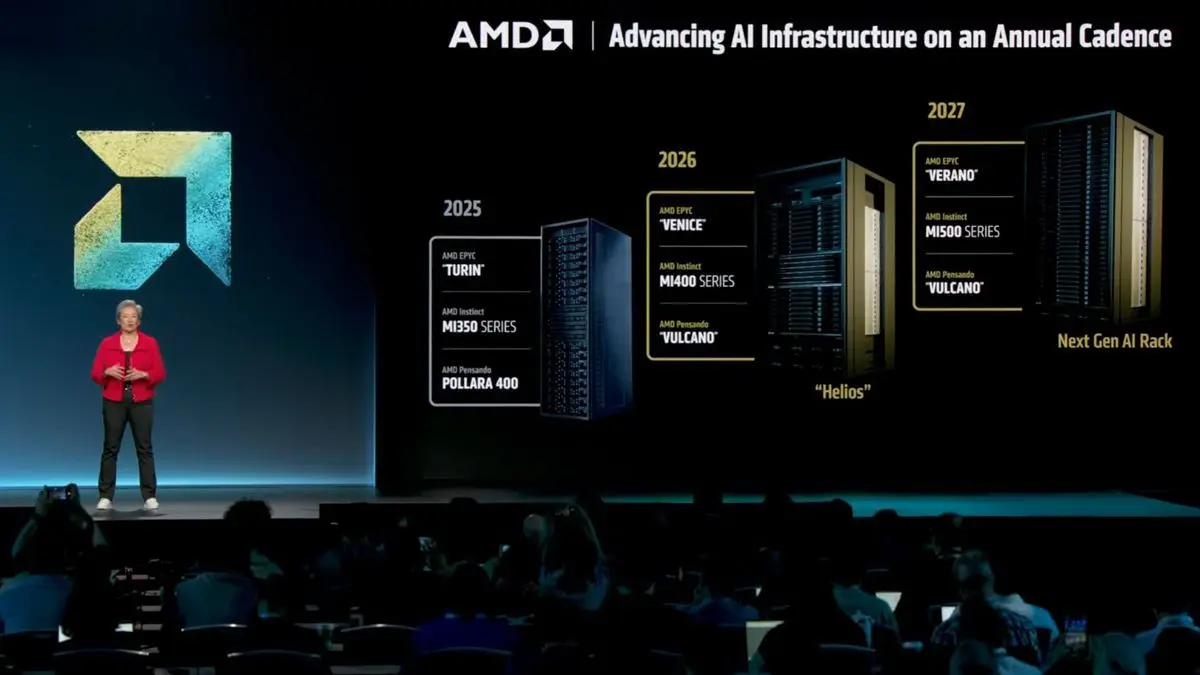
.The performance improvements promised by Zen 6 are substantial. AMD's EPYC Venice processors, based on Zen 6 architecture, will deliver over 70% more performance and efficiency compared to current Zen 5 EPYC chips, along with 30% higher thread density. The server-grade processors will feature up to 256 cores and 512 threads, representing a 33.3% improvement over the current Zen 5 EPYC Turin's maximum of 192 cores and 384 threads
2
.
Source: TweakTown
Enhanced AI Capabilities and New Product Families
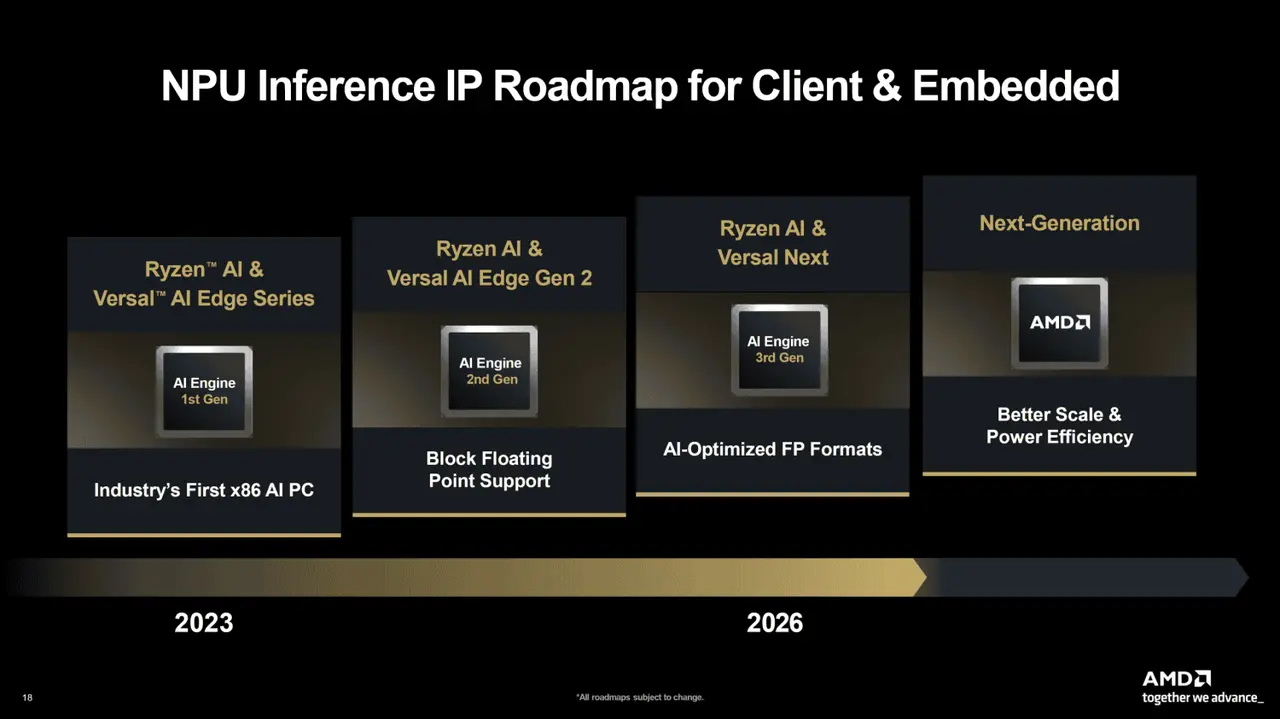
Zen 6 will introduce significant improvements in AI processing capabilities, featuring enhanced AI pipelines and support for new AI data types. The architecture will be implemented across multiple product families, including Olympic Ridge for desktop processors, Medusa Point for mobile processors, and EPYC Venice for server applications
5
.
Source: TweakTown
The Medusa Point family, launching in 2027, will combine Zen 6 CPU cores with next-generation RDNA 5 GPUs and advanced XDNA AI processors. Leaked specifications suggest the flagship Medusa Halo APU could feature 24 cores and 48 threads of Zen 6 processing power, paired with 48 compute units of RDNA 5 graphics capability, potentially delivering gaming performance comparable to GeForce RTX 5070 Ti levels
3
.Related Stories
Zen 7: Future Node Technology and Advanced AI Integration
While details remain limited, AMD has confirmed that Zen 7 will be manufactured on a "Future Node" process technology, suggesting an even more advanced manufacturing process beyond TSMC's 2nm. The architecture will feature new Matrix Engines specifically designed for AI workloads and support for additional AI data formats, building upon the AI enhancements introduced in Zen 6
5
.The Zen 7 architecture is expected to power the next-generation EPYC Verano server processors, with a projected launch timeframe around 2027. This timeline aligns with AMD's staggered development approach, where different engineering teams work on alternating generations to maintain consistent innovation cycles
5
.Graphics and AI Acceleration Roadmap
Alongside CPU developments, AMD outlined its graphics roadmap, confirming next-generation gaming GPUs with enhanced AI and ray-tracing capabilities. Notably, AMD did not use the "RDNA" naming convention for its upcoming graphics architecture, suggesting a potential rebranding or entirely new architectural approach. The new graphics architecture will feature Radiance Cores, Neural Arrays, and Universal Compression Engine technologies
4
.References
Summarized by

Navi
[2]
[3]
[4]
Related Stories
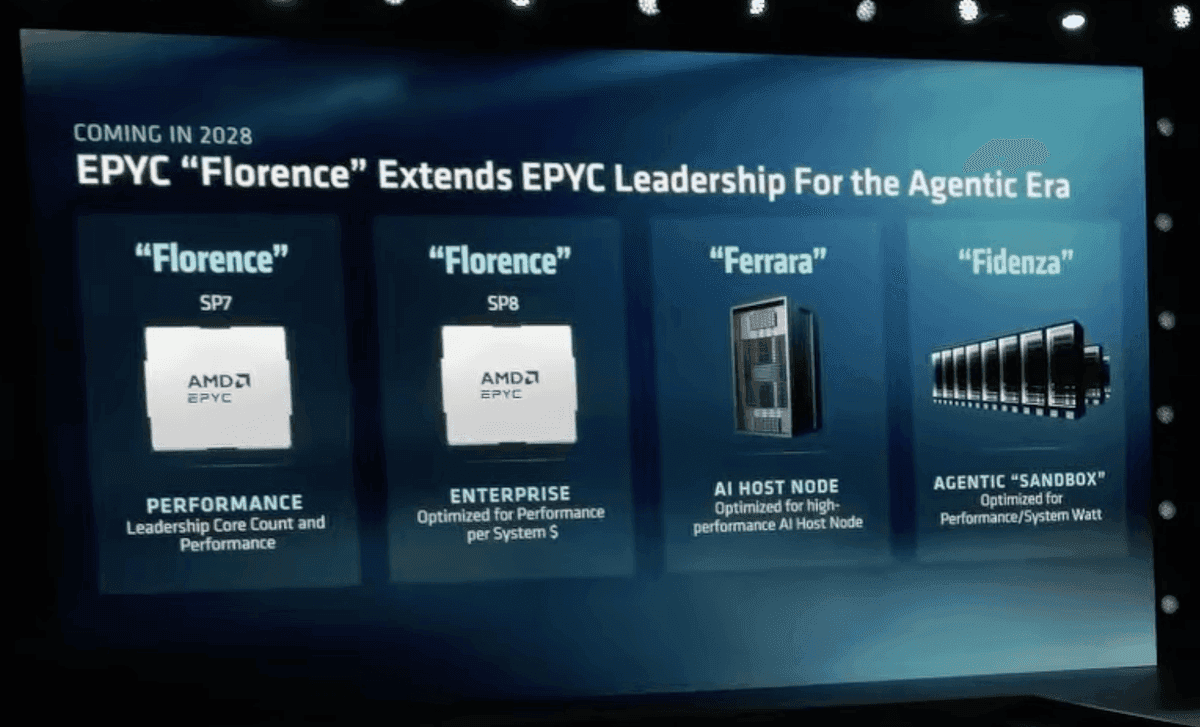
AMD splits Zen 7 into three EPYC families for 2028 as it pushes deeper into AI server market
23 Jul 2026•Technology
AMD Unveils Ambitious AI Plans: EPYC 'Venice' CPU with 256 Cores and Next-Gen AI Solutions for 2026-2027
13 Jun 2025•Technology
AMD Zen 6 EPYC CPUs with 256 cores debut at Advancing AI event, promising 1.7x AI speed boost
10 Jul 2026•Technology

Recent Highlights



Recent Highlights
Today's Top Stories






Don’t drown in AI news. We cut through the noise - filtering, ranking and summarizing the most important AI news, breakthroughs and research daily. Follow topics that matter to you and stay ahead.


