AMD Zen 6 EPYC CPUs with 256 cores debut at Advancing AI event, promising 1.7x AI speed boost


3 Sources
[1]
AMD's Zen 6 Epyc chip packs 256 cores, promises up to 1.7x faster AI
Serving tech enthusiasts for over 25 years. TechSpot means tech analysis and advice you can trust. First look: AMD will give its first public look at its Epyc Venice processors later this month, showcasing the new Zen 6 architecture at the Advancing AI 2026 summit in San Francisco on July 22. The
[2]
AMD Confirms Zen 6 Processor Debut at Advancing AI 2026 Later This Month
AMD has officially confirmed that its next-generation processors based on the Zen 6 microarchitecture will make their debut during the company's Advancing AI 2026 conference on July 22 and 23. The announcement was made by Executive Vice President and Chief Technology Officer Mark Papermaster during
[3]
AMD to introduce Zen 6-based EPYC CPUs at its Advancing AI Event beginning July 22
AMD is set to unveil its Zen 6 'Venice' EPYC server CPU lineup at its Advancing AI event in San Francisco on July 22 and 23. According to an interview with The CUBE, AMD Chief Technology Officer and Executive Vice President, Mark Papermaster, confirmed that 6th Generation Zen CPUs will be
Share
Copy Link
AMD confirms its next-generation Epyc 'Venice' processors will debut at the Advancing AI 2026 conference on July 22 in San Francisco. Built on TSMC's 2nm process, the Zen 6-based EPYC server CPU lineup features up to 256 cores and promises up to 1.7 times faster performance for AI workloads compared to previous-generation chips.

AMD Confirms Zen 6 Architecture Launch at San Francisco Summit
AMD will unveil its AMD Zen 6 architecture at the Advancing AI event on July 22 and 23 in San Francisco, marking a significant milestone in the company's processor roadmap. Executive Vice President and Chief Technology Officer Mark Papermaster confirmed the debut during an interview at the 2026 Paris AI Summit, providing the first official timeline for the next-generation Epyc 'Venice' processors
2
. The announcement comes as AMD seeks to strengthen its position in the data center AI workloads market, where AI compute demand continues to surge.256 Cores and 1.7x Performance Gains for AI Tasks
The Zen 6-based EPYC server CPU lineup delivers substantial performance improvements, with AMD claiming up to 1.7 times the speed of its last-generation EPYC CPUs for AI workloads
1
. Venice processors scale up to 256 cores, an increase from the previous generation's 192 cores. However, the gap between core count growth and overall performance gains suggests that architectural refinements play a crucial role beyond simply adding more cores. Built on TSMC's 2nm process, Venice brings both performance and efficiency improvements that position it as a competitive option for compute-intensive tasks3
.Advanced Memory and Connectivity Features
Venice introduces a new SP7 socket and supports 16-channel memory, delivering up to 1.6 terabytes per second of bandwidth per socket
3
. This bandwidth level targets large, compute-heavy workloads essential for modern AI applications. The processors also support PCIe 6.0 for CPU-to-GPU communication, designed to work alongside AMD's Instinct MI455X GPUs within Helios rack systems1
. Venice also introduces new AVX and VNNI extensions, making the chips particularly well-suited to AI-focused hardware portfolio applications3
.Helios Platform Targets NVIDIA Competition
Helios represents AMD's rack-scale AI compute platform designed for cutting-edge LLM training and inference, positioning it as a direct competitor to NVIDIA NVL72 racks
3
. AMD emphasizes its support for open standards, x86 architecture, and memory capacity advantages over NVIDIA's offering. The setup aims to improve CPU-GPU cooperation, a critical factor in training and running modern AI models. However, NVIDIA's CUDA ecosystem remains dominant, presenting a significant challenge for AMD's market penetration efforts.Related Stories

Consumer Ryzen Launch Faces Extended Timeline
While Venice showcases Zen 6 architecture capabilities for enterprise customers, consumer applications face delays. The same architecture will power AMD's next-generation Ryzen processors, expected to feature fewer cores, higher clock speeds, and more cache optimized for consumer workloads like gaming
1
. Initially expected in 2026, memory shortages have pushed back the rumored desktop chip release date. AMD's absence of Zen 6 announcements at Computex has heightened expectations that Ryzen versions may not arrive until early 2027, with a CES 2027 launch considered possible3
. AMD is allocating its production capacity for high-margin EPYC processors, leaving consumer markets waiting.Strategic Focus on Enterprise x86 Computing
Papermaster emphasized that x86 computing remains fundamental to enterprise infrastructure, noting that enterprise customers have spent decades building software ecosystems around x86 processors
2
. Rather than replacing conventional computing models, Zen 6 has been designed to optimize standalone x86 workloads while complementing AMD's expanding AI hardware lineup. The Advancing AI conference at Moscone Center West will feature developers, enterprise customers, and partners, with AMD expected to introduce new CPU, GPU, AI accelerator, and platform technologies across multiple product segments2
.References
Summarized by

Navi
Related Stories
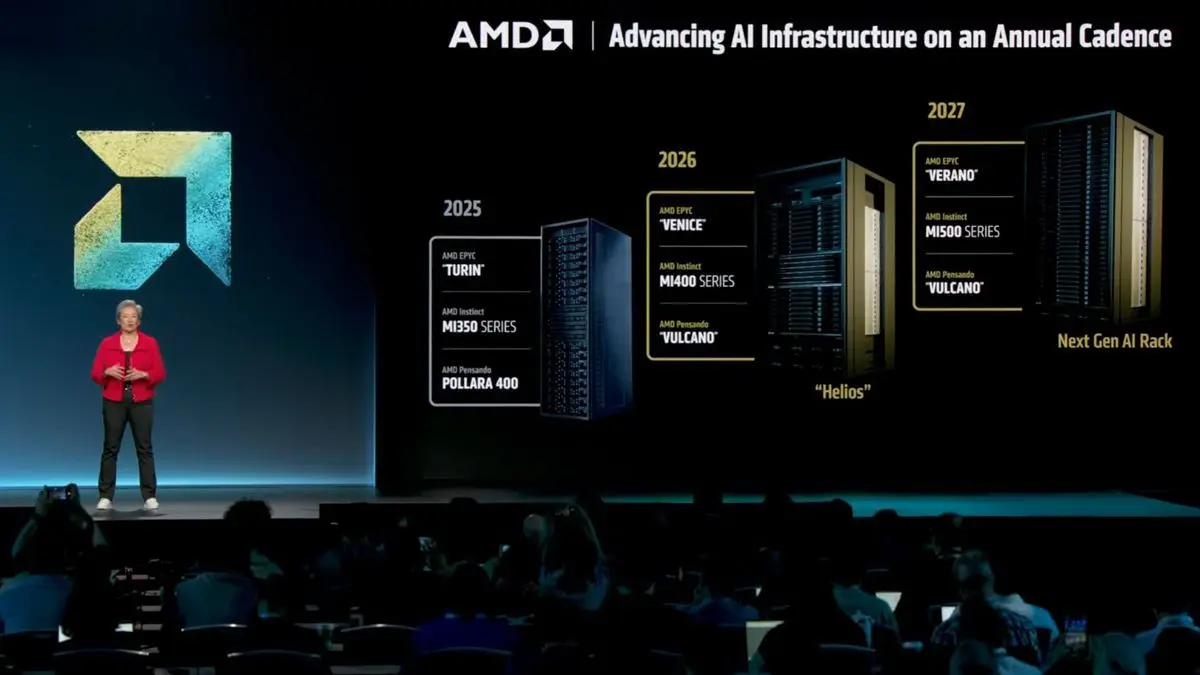
AMD Unveils Ambitious AI Plans: EPYC 'Venice' CPU with 256 Cores and Next-Gen AI Solutions for 2026-2027
13 Jun 2025•Technology
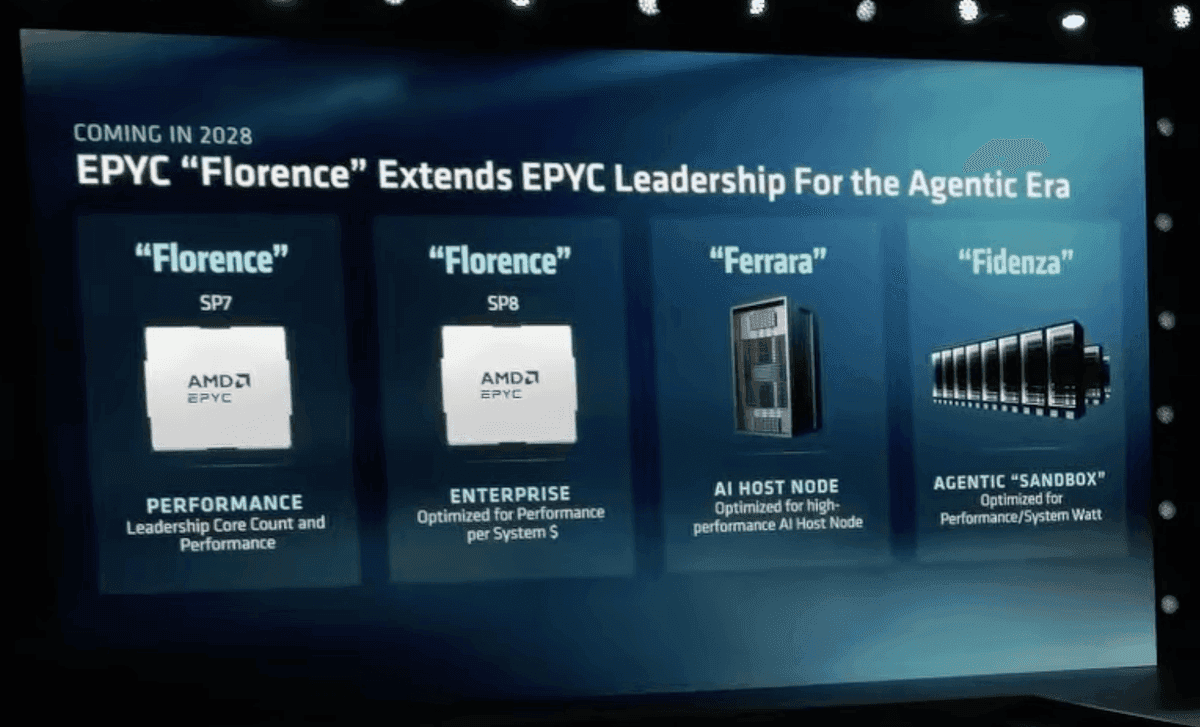
AMD splits Zen 7 into three EPYC families for 2028 as it pushes deeper into AI server market
23 Jul 2026•Technology
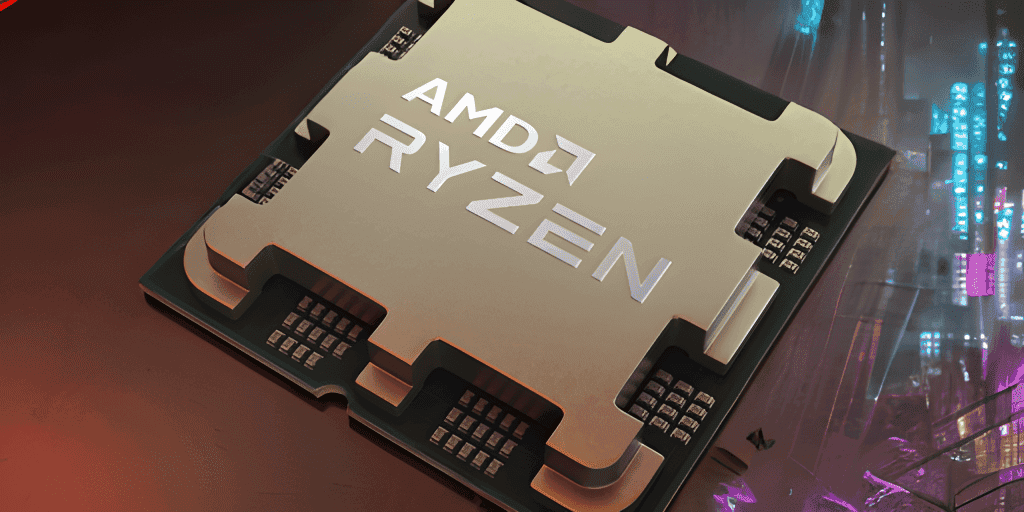
AMD Unveils Zen 6 and Zen 7 CPU Roadmap: 2nm Process Technology and Enhanced AI Capabilities Coming in 2026-2027
11 Nov 2025•Technology
Recent Highlights



Recent Highlights
Today's Top Stories






Don’t drown in AI news. We cut through the noise - filtering, ranking and summarizing the most important AI news, breakthroughs and research daily. Follow topics that matter to you and stay ahead.


