Anthropic lobbies Australia for AI copyright reform as $50bn datacentre deal sparks creator backlash


2 Sources
[1]
Australia AI copyright fight: creators vs datacentres
AI companies, Anthropic among them, are dangling tens of billions in datacentre investment in exchange for the right to train on Australia's books, music and journalism. The proposed copyright carve-out has split Labor and enraged creators, and Anthony Albanese will step into the row with a major
[2]
Mulling AI investment, Anthropic lobbied Australia on copyright law
Anthropic's chief executive Dario Amodei has lobbied Australian officials for "copyright reform" as the artificial intelligence giant seeks to make a major investment in the country, official briefing notes released Monday show. According to briefing notes released under freedom of information law,
Share
Copy Link
Anthropic is pushing Australia for copyright reform to train AI models on local creative works, dangling at least $50bn in datacentre investments. The proposal has split the Labor government and triggered fierce opposition from creators who call it the 'ultimate dirty deal.' Prime Minister Anthony Albanese addresses the controversy this week.
Anthropic Pushes Copyright Reform for AI Training in Australia
AnthropicCEO Dario Amodei met with Australia's Treasurer Jim Chalmers in April to lobby for copyright reform as the AI giant considers major investments in the country
2
. According to briefing notes released under freedom of information law, Amodei requested the meeting specifically to discuss barriers to AI training in Australia, particularly seeking changes to AI copyright laws2
. The company told officials that investment in AI model development capability and associated infrastructure like datacentres is contingent on clarity of copyright settings.
Source: ET
At the center of the AI copyright dispute sits a proposed text and data mining exemption that would allow AI firms to scrape copyrighted material to train their models without breaching Australian law
1
. The same work already trains ChatGPT, Gemini and Anthropic's Claude1
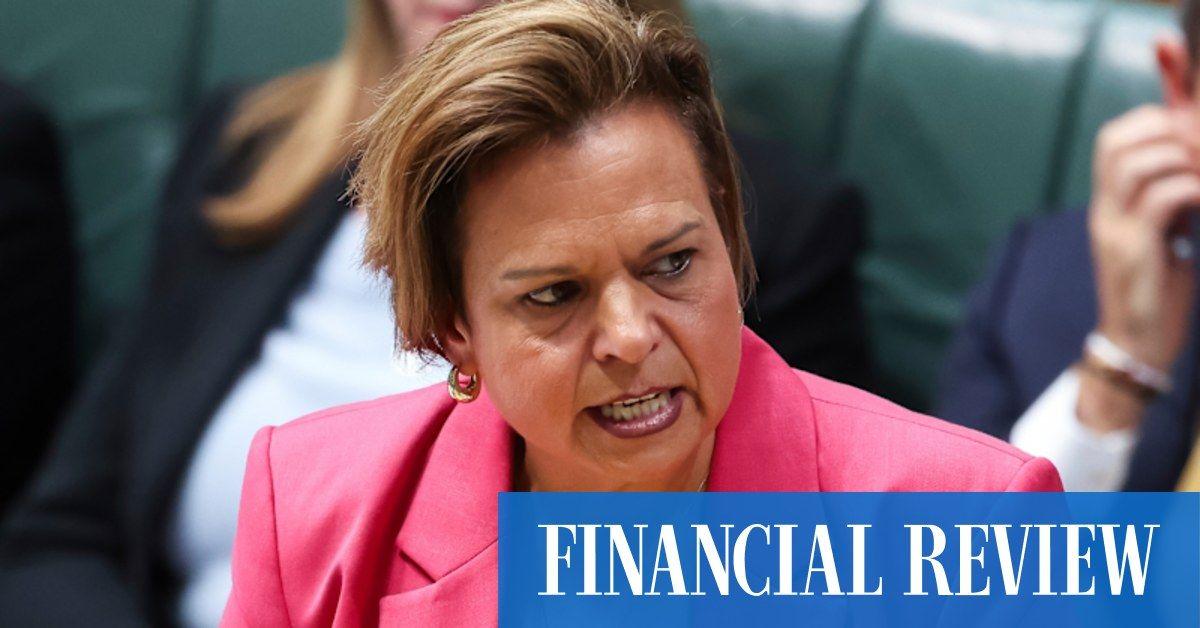
. Attorney General Michelle Rowland killed a Productivity Commission proposal for such an exemption in October after backlash from creators, officially taking the idea off the table1
.The $50bn Datacentre Deal Dividing Labor Government
Independent senator David Pocock revealed in late June that he had learned of an industry push to trade a copyright exemption for massive datacentre investments
1
. The alleged sums include at least $50bn for datacentres plus a creators' fund worth approximately $350m a year1
. Pocock called it the "ultimate dirty deal," though the Labor government rejected the account as inaccurate1
. Days later, the Australian Financial Review reported that Anthropic was indeed seeking a deal along those lines as part of a plan to make Australia its second home outside the United States1
.The controversy has exposed deep divisions within the Labor government. Industry minister Tim Ayres and digital economy assistant minister Andrew Charlton are keen on courting AI money, while Attorney General Rowland and arts minister Tony Burke want to protect creators' rights
1
. Prime Minister Anthony Albanese has tried to reassure both sides, pointing to his record of making tech firms pay for local content while acknowledging the issues are complex1
.Creators Fight Back Against AI Copyright Exemptions
Australia's centre-left Labor government faces mounting pressure from musicians, screenwriters and artists to reject proposals they say would let AI models use copyrighted works for free
2
. Currently, AI companies in Australia require permission from copyright holders through voluntary licensing arrangements2
. Anthropic told officials there is a "long tail" of smaller rights holders which impedes efforts to identify and purchase licensing rights2
.In the United States, Anthropic has argued AI training is covered as fair use of material, which does not require rightsholders' consent
2
. However, Australian officials disputed this position in the briefing note to Jim Chalmers, saying the matter is "not settled"2
. Frontier AI companies have told the government that copyright law is their "main barrier" to building training operations in Australia1
.Related Stories
What This Means for Global AI Copyright Battles
Australia's struggle mirrors debates unfolding across Europe, where text and data mining exemptions are already law and creators are fighting over how far opt-outs extend
1
. Newspapers are suing AI firms over training data, and artists are pressing disclosure claims in court1
. The lobbying by Anthropic introduces economic incentives as a new variable that governments must weigh against intellectual property protections.Former industry minister Ed Husic warned against moving too fast, arguing that "we have negotiating leverage here" and cautioning against an impulse buy the country might regret
1
. Australia is attractive for datacentre investments due to its stability, available land and access to renewable power1
. Anthony Albanese is set to deliver a speech on AI and "social licence" on Wednesday, though it will be a vision statement rather than firm policy1
2
. Public sentiment appears cautious, with only 22% of Australians believing AI brings more opportunity than risk1
.References
Summarized by

Navi
[1]
Related Stories
OpenAI and Anthropic Push Australia to Ease Copyright Laws for AI Training on Local Content
16 Sept 2026•Policy and Regulation

Anthropic signs AI safety deal with Australia, eyes data centre investments
01 Apr 2026•Policy and Regulation

Australia Debates AI Copyright Exemptions: Balancing Innovation and Creative Rights
06 Aug 2025•Policy and Regulation

Recent Highlights



Recent Highlights
Today's Top Stories







Don’t drown in AI news. We cut through the noise - filtering, ranking and summarizing the most important AI news, breakthroughs and research daily. Follow topics that matter to you and stay ahead.


