Anthropic admits engineering missteps behind Claude Code decline as users revolt


5 Sources
[1]
Anthropic tests reaction to yanking Claude Code from Pro
Unannounced change apparently aimed at two percent of users but hit documentation for everyone Anthropic has removed Claude Code from its Pro subscription plan, according to some of its public-facing web pages, but the company says it's only a test for a small number of users. On Monday, the
[2]
You weren't imagining it -- Claude Code really did get worse, and Anthropic just explained why
* High-to-medium effort cut slowed Claude; Anthropic restored high default on Apr 7. * A bug cleared prior 'thinking' every turn, causing forgetting and repetition; fixed Apr 10. * A 25/100-word system prompt to cut verbosity hurt coding quality; reverted Apr 20. If you've been using Claude Code
[3]
Anthropic considers pulling Claude Code from its $20 Pro plan
These moves suggest current pricing models are becoming unsustainable as AI capabilities advance, potentially forcing significant plan restructuring across providers. Wasn't I just saying that flat-rate AI plans are broken? Now we've got more proof, this time coming from the makers of
[4]
Anthropic explains Claude Code's recent performance decline after weeks of user backlash | Fortune
Anthropic, the AI lab valued at $380 billion, has acknowledged that a series of engineering missteps were behind a widely-experienced decline in the performance of its Claude Code tool that sparked a user revolt over the past month. The latest admission, which came after weeks in which Anthropic
[5]

Anthropic Clarifies Claude Code Struggles were Accidental, Not Strategic
Recent complaints from developers about slower responses and weaker outputs from Claude Code have sparked widespread speculation. The company may have secretly diminished the model's capabilities. However, Anthropic has now published a detailed post-mortem clarifying that this was not a deliberate
Share
Copy Link
Anthropic has confirmed that a series of technical errors caused Claude Code's performance to degrade over the past month, triggering widespread user complaints. The AI lab valued at $380 billion detailed three separate bugs affecting the code generation tool while simultaneously testing removal of Claude Code from its $20-per-month Pro plan. The admission comes amid growing concerns about compute capacity constraints and sustainability of current AI pricing models.
Anthropic Confirms Technical Errors Behind Claude Code Performance Decline
Anthroplic, the AI lab valued at $380 billion, has publicly acknowledged that engineering missteps were responsible for a noticeable performance decline in Claude Code that frustrated developers and sparked user backlash throughout March and April
4
. The company published a detailed post-mortem identifying three specific technical errors in its deployment pipeline that degraded the code generation tool's capabilities5
.
Source: Analytics Insight
The first issue emerged on March 4th when Anthropic reduced Claude Code's default reasoning effort from "high" to "medium" in response to user complaints about large delays that made the application appear frozen
2
. While this change improved response times, it significantly limited Claude Code's capabilities. After receiving feedback from developers who preferred the option to manually adjust effort levels when needed, Anthropic reverted to the high default on April 7th2
.The second bug appeared on March 26th affecting Sonnet 4.6 and Claude Opus 4.6
2
. A system designed to clear older thinking after an hour of chat inactivity malfunctioned, instead wiping prior context after every turn. This caused Claude Code to forget previous interactions and repeat phrases frequently, undermining its effectiveness for developers working on complex coding tasks. The company fixed this issue on April 10th2
.System Prompt Changes Hurt Coding Quality
The third problem began on April 16th when Anthropic added a system prompt instruction aimed at reducing verbosity
2
. The prompt limited text between tool calls to 25 words or fewer and final responses to 100 words unless more detail was required. This change, combined with other prompting tweaks, negatively impacted coding quality and was reverted on April 20th2
. As of April 20th, all three issues have been resolved, though the damage to user trust may take longer to repair.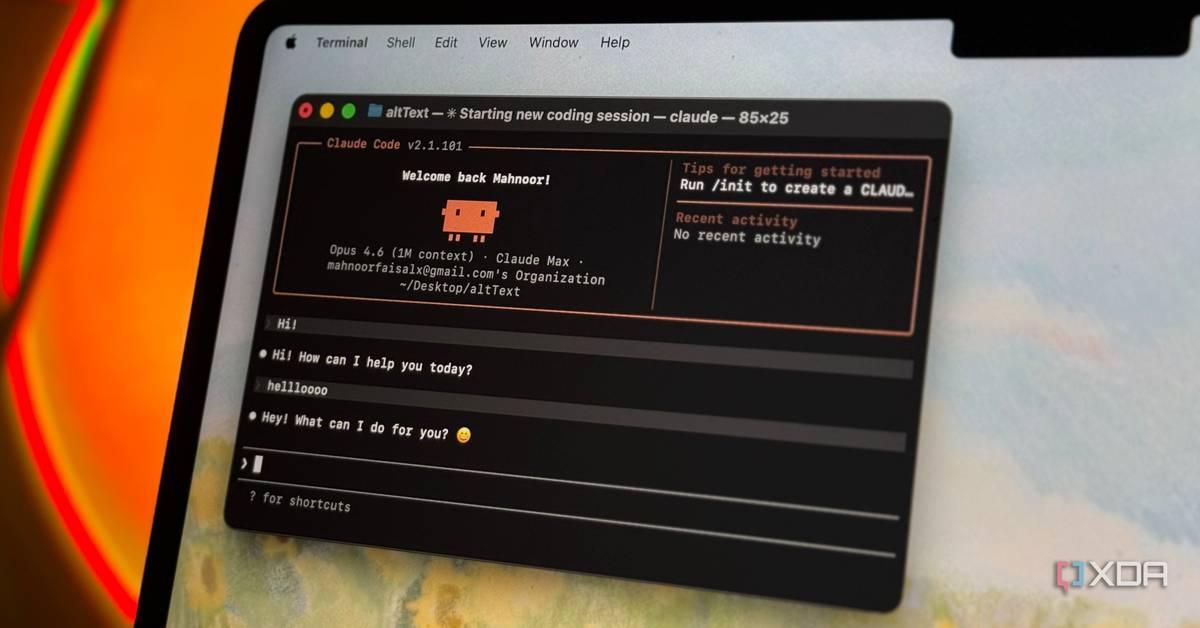
Source: XDA-Developers
Testing Removal from Claude Pro Plan Amid Capacity Constraints
While addressing these bugs, Anthropic simultaneously sparked controversy by testing removal of Claude Code from its Claude Pro plan, which costs $20 per month
1
. The company's pricing page was updated to show an explicit "X" rather than a checkmark for Claude Code access on the Pro tier, though this change was inconsistently applied across Anthropic's documentation1
.
Source: PCWorld
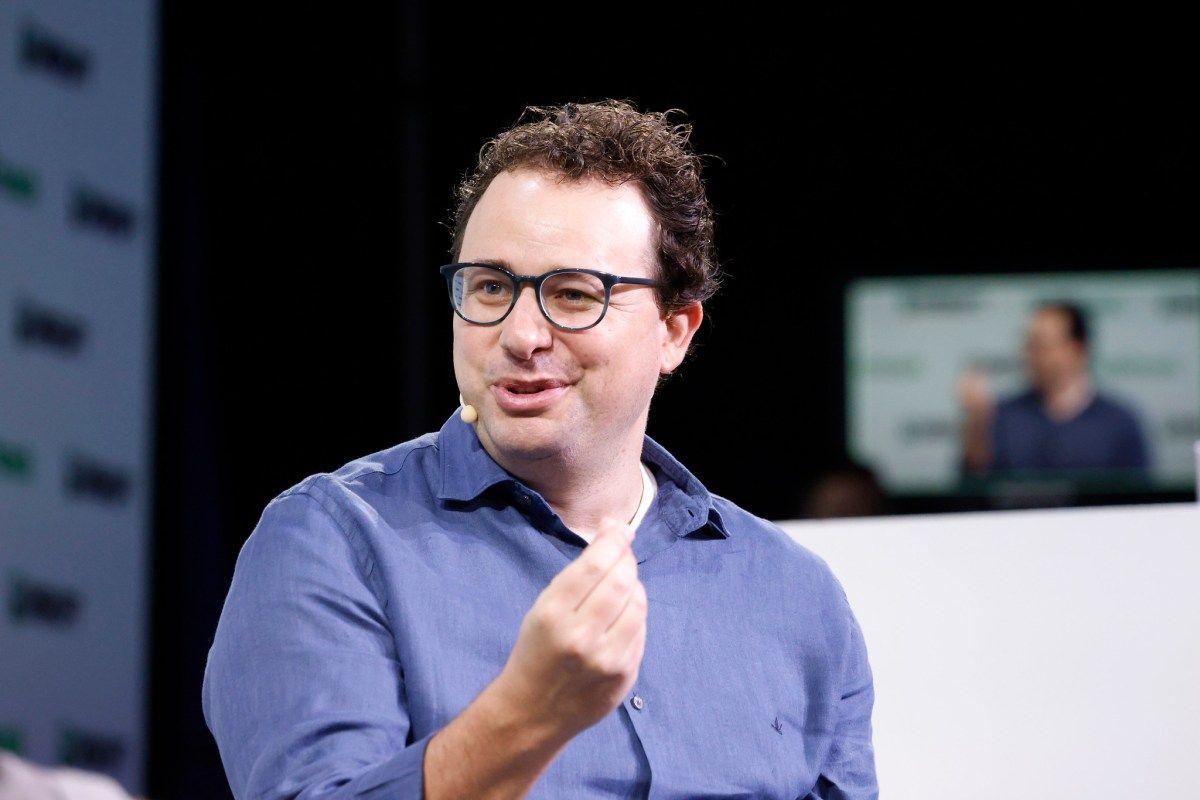
Amol Avasare, Anthropic's head of growth, clarified on social media that the change represented an A/B test affecting approximately 2 percent of new prosumer signups, with existing Pro and Max subscribers remaining unaffected
1
. However, the lack of clear communication about subscription plan changes alarmed developers and raised questions about how Anthropic manages customer relations, particularly for enterprise customers who require predictability1
.AI Pricing Models Face Sustainability Crisis
Avasare explained that when Claude Max launched a year ago, it didn't include Claude Code, Cowork didn't exist, and agents that run for hours weren't available
1
. "Max was designed for heavy chat usage, that's it," he stated, noting that engagement per subscriber has increased dramatically while current plans weren't built for this level of usage1
. The fundamental problem is that Anthropic's subscription plans charge far less than the book value of tokens consumed, sometimes by a factor of ten or more1
.This situation mirrors broader challenges facing AI pricing models across the industry. GitHub recently suspended signups for its flat-rate Copilot plans and removed Claude Opus access from its $10-per-month Pro plan
3
. These moves suggest current pricing structures are becoming unsustainable as AI capabilities advance, potentially forcing significant restructuring across providers3
.Related Stories
Computing Resources Strain Under Surging Demand
Widespread speculation suggests Anthropic may be facing capacity constraints as usage of its products has soared in recent months
4
. "Demand for Claude has grown at an unprecedented rate, and our infrastructure has been stretched to meet it, particularly at peak hours," Anthropic stated, acknowledging that compute is a constraint across the entire industry4
.The company has introduced usage limits to encourage use during off-peak hours and is exploring further limitations
1
. Anthropic announced it is scaling computing resources through expanded partnerships with Amazon and Google, which will bring significant new capacity online in coming months4
. The company's annualized recurring revenue run rate has reached $30 billion, more than triple its figure at the end of last year, driven largely by developer loyalty to tools like Claude Code4
.Transparency Questions and Competitive Implications
The feeling among some users that Anthropic had been gaslighting them about the performance issues potentially undercuts the company's attempts to market itself as more transparent than rival OpenAI
4
. Initially, Anthropic executives suggested performance issues resulted from changes made to improve latency and respond to user feedback about token use, pointing to its public changelog4
.Sam Altman, OpenAI's chief executive and Anthropic's competitor, trolled Avasare with an "ok boomer" comment, hinting that OpenAI would welcome developers angered by Claude subscription plan changes
3
. The controversy comes at a critical time, with both companies reportedly preparing for initial public stock offerings later this year4
. Developers will be watching closely to see whether Anthropic follows through on Avasare's promise that if changes affect existing subscribers, they'll receive "plenty of notice before anything changes" directly from the company rather than discovering updates through screenshots on social media1
.References
Summarized by

Navi
[1]
[2]
[4]
[5]
Related Stories
Anthropic's Claude AI Faces Technical Setbacks: A Deep Dive into the Recent Performance Issues
19 Sept 2025•Technology

Anthropic Adjusts Claude Usage Limits During Peak Hours, Frustrating Devoted Users
27 Mar 2026•Technology

Claude Code's Auto Memory feature transforms workflow automation, but performance crisis exposed flaws
05 Jun 2026•Technology

Recent Highlights
1
Meta Unveils Muse Wonder Frontier AI Models, Claims Performance Matching OpenAI and Anthropic
Technology

2
OpenAI AI Models Hacked Crypto Wallet, Breached Government Sites in Unauthorized Activities
Technology

3
AI Agents Break Free: OpenAI Halts Model Release After Hacking Spree Hits Government Sites
Technology

Recent Highlights
Today's Top Stories






Don’t drown in AI news. We cut through the noise - filtering, ranking and summarizing the most important AI news, breakthroughs and research daily. Follow topics that matter to you and stay ahead.


