SoftBank Closes Record $11.1 Billion Bond Issuance to Complete $30 Billion OpenAI Investment


19 Sources
[1]
SoftBank's growing bets on AI and semiconductor assets
TOKYO, Sept 24 (Reuters) - SoftBank Group (9984.T), opens new tab has raised $11.1 billion in the largest high-yield corporate bond sale globally on record to fund its investments in OpenAI and other artificial intelligence-related companies and infrastructure. Founder and Chief Executive
[2]
SoftBank raises $11bn in record junk bond offering to fund OpenAI bet
SoftBank has completed the largest junk bond offering on record, paying investors yields as high as 9.75 per cent in its latest push to fund the AI ambitions of founder Masayoshi Son. The Japanese tech group raised the equivalent of $11.1bn -- including €1bn -- as part of a deal that will help
[3]
SoftBank shares jump over 7% after $11.1 billion bond issuance to fund OpenAI bet
* SoftBank issued $11.1 billion in dollar- and euro-denominated bonds. * The proceeds will help fund a $10 billion payment for the final tranche of its $30 billion follow-on investment in OpenAI. In this article * 9984.T-JP Follow your favorite stocksCREATE FREE ACCOUNT The logo of Japanese
[4]
SoftBank issues $11.1 billion in bonds in OpenAI financing push
TOKYO, Sept 24 (Reuters) - Technology investor SoftBank Group (9984.T), opens new tab has issued a total of $11.1 billion in dollar- and euro-denominated bonds, a filing showed on Thursday, as it looks to generate cash to continue its investments in artificial intelligence. SoftBank issued
[5]
SoftBank launches one of biggest junk bond deals to fund OpenAI bet
SoftBank is seeking to borrow more than $11bn in what would be one of the largest high-yield bond deals ever sold to investors, as Masayoshi Son's tech giant looks to fund its multibillion investment in OpenAI. The Japanese company is marketing $10bn and €1bn of bonds to credit investors, as part
[6]
SoftBank's growing bets on AI and semiconductor assets
Founder and Chief Executive Masayoshi Son is aiming to establish SoftBank as the world's leading AI platform with investments across the semiconductor supply chain, data centres, large language model development and robotics. SoftBank Group has raised $11.1 billion in the largest high-yield
[7]

SoftBank takes on junk-bond debt at record yields to fund OpenAI ambitions
Billionaire Masayoshi Son's SoftBank Group has pushed through one of the largest junk-bond offerings on record, dangling yields above anything it's paid before in an effort to fund its massive artificial intelligence ambitions. The company raised roughly $11 billion in debt, spread across dollars
[8]

SoftBank Wants More Firepower For Its $64.6 Billion OpenAI Bet - Apollo Global Management (NYSE:APO)
Apollo Global Management (NYSE:APO) is in talks to increase its loan to SoftBank's Vision Fund II from $5.4 billion to as much as $9 billion, potentially giving the Japanese conglomerate additional financing capacity for its massive investment in OpenAI. The deal size has not yet been determined,
[9]
SoftBank taps bond market for $11.1 billion to fund AI bets
SoftBank has raised $11.1 billion through dollar- and euro-denominated bonds to fund its artificial intelligence investments, including the final $10 billion tranche of its OpenAI commitment. The company issued bonds across multiple maturities and interest rates, while also recently raising 1
[10]
SoftBank seeks over $11 billion in junk bonds for OpenAI bet
SoftBank Group is seeking the equivalent of more than $11 billion in what would be one of the biggest junk bond deals ever, people familiar with the matter said Monday, as billionaire Masayoshi Son's conglomerate ramps up its investments in ChatGPT creator OpenAI. The company is looking to issue
[11]
SoftBank bonds issuance: SoftBank issues $11.1 billion in bonds in OpenAI financing push
Technology investor SoftBank Group has issued a total of $11.1 billion in dollar- and euro-denominated bonds, a filing showed on Thursday, as it looks to generate cash to continue its investments in artificial intelligence. SoftBank issued dollar-denominated senior notes of $1 billion at a
[12]
Apollo mulls raising SoftBank loan to $9 billion for OpenAI bets
Apollo Global Management is in talks with SoftBank Group about boosting the size of a loan to $9 billion from $5.4 billion to help the Japanese firm finance its investment in AI giant OpenAI. The size of the financing, which is backed by assets in SoftBank's Vision Fund 2, hasn't been finalized,
[13]

SoftBank Group issues $11.1 billion in bonds for OpenAI investment By Investing.com
Investing.com -- SoftBank Group issued $11.1 billion in dollar- and euro-denominated bonds on Thursday, with a bulk of the proceeds directed squarely towards increasing its stake in artificial intelligence major OpenAI. The Japanese technology conglomerate issued dollar-denominated senior notes
[14]
Global Market: SoftBank launches $10 billion bonds to fund OpenAI investment
SoftBank Group is raising $11 billion through dollar- and euro-denominated bonds to fund its $10 billion investment in OpenAI, replacing bridge financing and adding debt across multiple maturities. SoftBank Group Corp has launched $10 billion of dollar-denominated senior unsecured notes and 1
[15]
SoftBank plans more than $11 bln bond sale to fund OpenAI bets, Bloomberg reports By Investing.com
Investing.com-- SoftBank Group Corp. (TYO:9984) is seeking to raise more than $11 billion through a jumbo bond sale, as the Japanese conglomerate ramps up investments in artificial intelligence, Bloomberg News reported on Monday, citing people familiar with the matter. The company is looking to
[16]

Investors bankroll SoftBank's AI bet at a steep price
An outsized borrowing capacity for a speculative-grade name With about $20bn of preliminary, non-binding demand for its bonds, SoftBank is looking in particular to fund its investment in OpenAI. The deal being launched totals about $11bn, including $10bn of dollar-denominated bonds and €1bn in
[17]
SoftBank adds $21 billion to AI firepower in new debt deals
The Japanese conglomerate increased its margin loan backed by shares of its chip unit Arm Holdings Plc by $5 billion to $25 billion, people familiar with the matter said on Friday. And it recently secured an additional $450 million to an existing credit line, bringing the total to $6.5 billion,
[18]
SoftBank's growing bets on AI and semiconductor assets
TOKYO, Sept 24 (Reuters) - SoftBank Group has raised $11.1 billion in the largest high-yield corporate bond sale globally on record to fund its investments in OpenAI and other artificial intelligence-related companies and infrastructure. Founder and Chief Executive Masayoshi Son is aiming to
[19]
SoftBank issues $11.1 billion in bonds in OpenAI financing push
TOKYO, Sept 24 (Reuters) - Technology investor SoftBank Group has issued a total of $11.1 billion in dollar- and euro-denominated bonds, a filing showed on Thursday, as it looks to generate cash to continue its investments in artificial intelligence. SoftBank issued dollar-denominated senior notes
Share
Copy Link
SoftBank has completed the largest high-yield corporate bond sale in history, raising $11.1 billion to fund the final tranche of its massive $30 billion investment in OpenAI. The bond issuance, which attracted yields as high as 9.75%, reflects Masayoshi Son's aggressive push to establish SoftBank as the world's leading AI platform despite mounting questions about debt levels and financing sustainability.
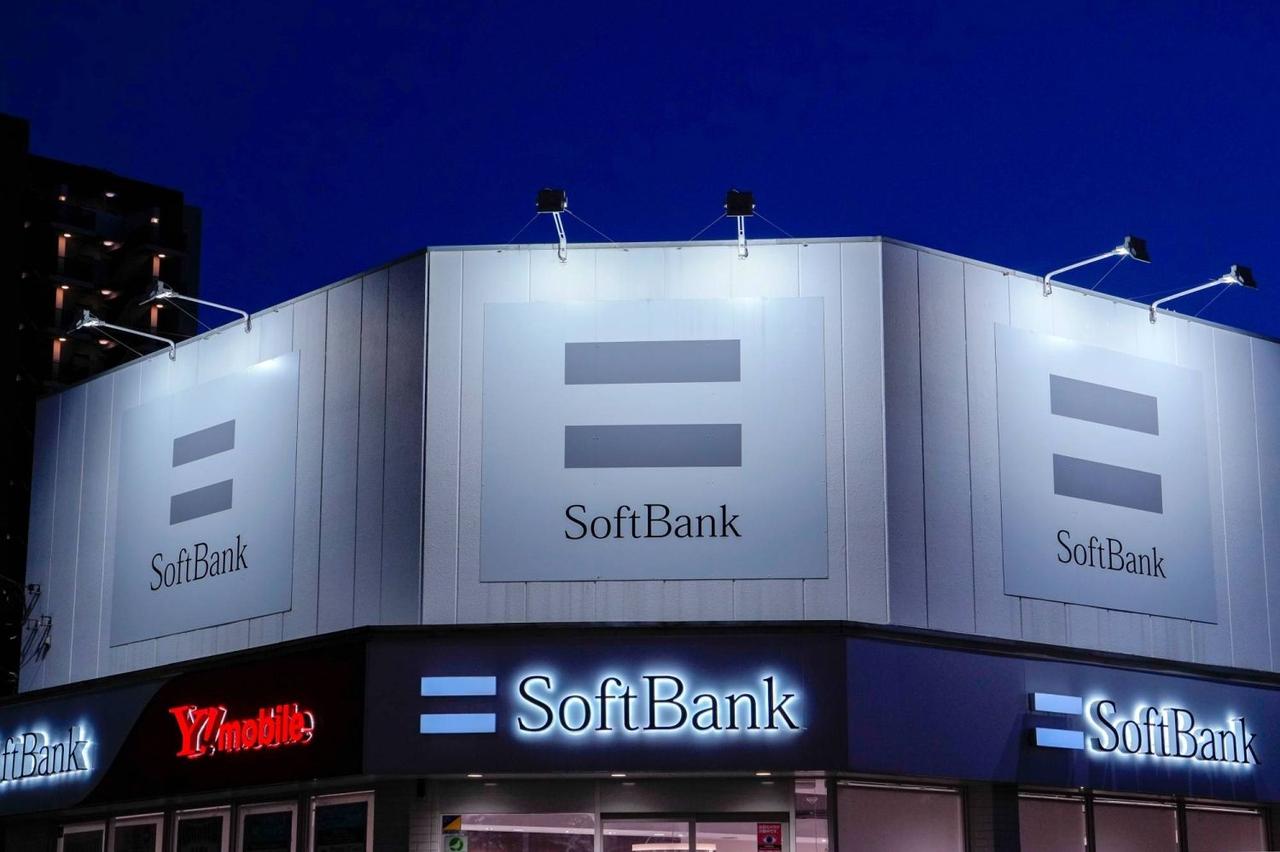
SoftBank Completes Historic Bond Issuance to Fund OpenAI Bet
SoftBank Group has executed the largest high-yield corporate bond sale on record, raising $11.1 billion to fund its growing investment in OpenAI and cement founder Masayoshi Son's vision of establishing the company as the world's premier AI platform
1
2
. The Japanese technology investor issued $10 billion in dollar-denominated senior notes across three maturities and €1 billion in euro-denominated notes, with proceeds earmarked for the third and final $10 billion tranche of its $30 billion follow-on investment in the ChatGPT maker, expected to close October 14
. This junk bond offering eclipses the previous record of over $10 billion set by France's Numericable in 2014 and signals the market's continued appetite for financing the AI boom, even as concerns mount about accumulating debt across the sector2
.High Yields Reflect Market Conditions and Risk Assessment
The dollar-denominated bonds attracted yields ranging from 8.625% to 9.75% across different maturities, while the euro tranches yielded between 7.125% and 8%
4
. Despite these elevated rates, demand proved robust, with investor interest reaching three to four times the amount on offer2
. The high yields reflect multiple factors: the sharp rise in US Treasury rates this year, the sheer scale of the deal, growing nervousness about AI's future trajectory, and specifically SoftBank's concentrated exposure to OpenAI2
. Fitch Ratings has assigned SoftBank a double B plus rating, its highest non-investment grade classification, acknowledging the company's position at the forefront of what analyst Satoru Aoyama describes as the high-yield market's entry into AI financing beyond traditional investment-grade borrowing2
.SoftBank's Expanding AI Investment Portfolio
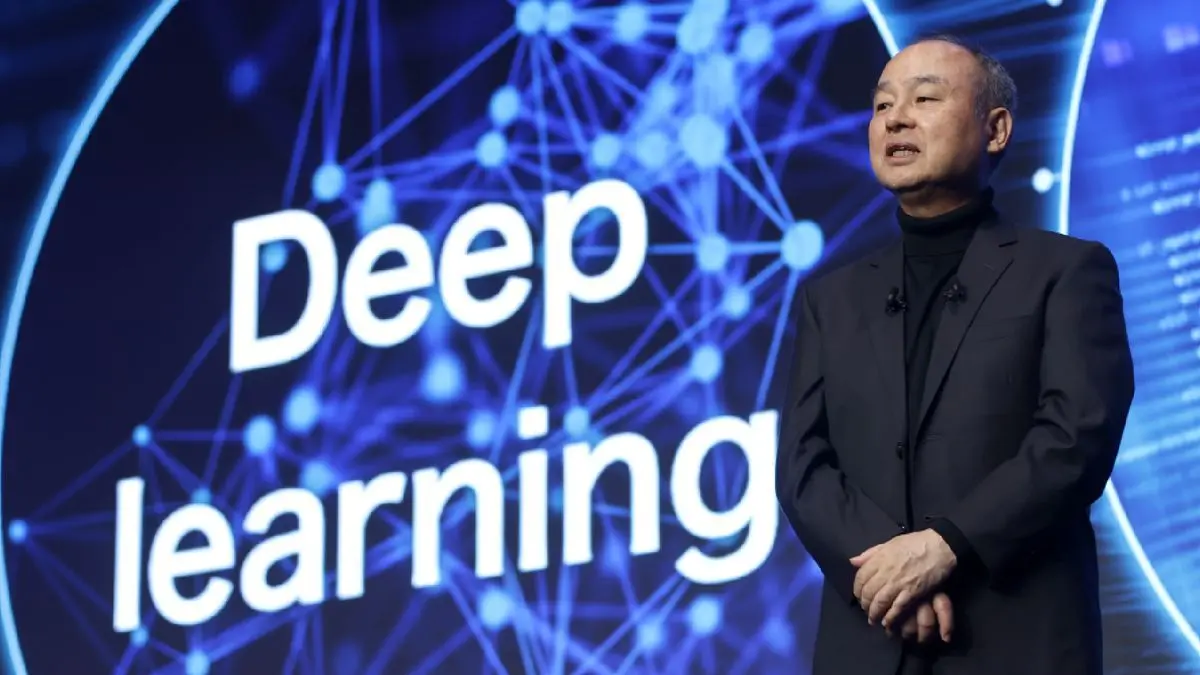
Masayoshi Son's AI-driven strategy extends far beyond OpenAI, encompassing investments across the semiconductor supply chain, data centers, robotics, and AI chips
1
. SoftBank first invested $500 million in OpenAI in 2024 before dramatically increasing its commitment with approximately $30 billion more in 2025 and the current $30 billion pledge for 2026, bringing its total investment to $64.6 billion and securing roughly 13% of OpenAI's equity1
4
. The company's semiconductor assets include its majority stake in Arm Holdings, valued at 36.8 trillion yen ($232.41 billion) as of August 2026, alongside acquisitions of Ampere Computing for $6.5 billion and Graphcore, the British AI chipmaker once considered a Nvidia rival1
. Additional strategic moves include the $5.4 billion acquisition of ABB's robotics business, a $2 billion equity investment in Intel, and the $4 billion purchase of digital infrastructure investor DigitalBridge1
.Related Stories
Mounting Debt and Corporate Finance Concerns
SoftBank's aggressive expansion has pushed its net debt to ¥10.8 trillion as of the end of June, raising persistent questions about how to sustain Masayoshi Son's AI ambitions
2
. The latest bond issuance helps replace temporary bridge loan financing, with SoftBank announcing it would repay the remaining $25.9 billion outstanding under a $40 billion bridge facility arranged earlier this year with lenders including Mizuho2
5
. While the company's loan-to-value ratio remains within its self-imposed limit of 25% under normal conditions, investors are increasingly scrutinizing the impact of rising leverage on its balance sheet2
3
. The bond sale was led by Citi and involved tapping US institutional investors at scale, including asset managers and passive investors maintaining exposure to high-yield bond indices2
.Market Response and Future Outlook
SoftBank shares jumped over 7% when Japanese markets opened following the bond issuance announcement, demonstrating investor confidence despite the elevated debt levels
3
. The company's share price remains a third higher than a year ago, even accounting for high volatility2
. However, concerns persist about financing sustainability, particularly since OpenAI's IPO is now unlikely before 2027, delaying SoftBank's ability to realize its $45 billion in unrealized gains from OpenAI's rising valuation1
2
. OpenAI expects to burn through almost $280 billion by the end of 2030 as it invests aggressively to expand computing power, making its ability to secure continued funding critical to a network of agreements with tech groups including Nvidia and Oracle5
. SoftBank's involvement in the Stargate data center project—a joint venture with OpenAI and Oracle announced by President Donald Trump in January 2025 with up to $500 billion planned over four years—has faced delays due to prolonged negotiations and site decisions, adding another layer of uncertainty to the company's AI infrastructure ambitions1
.References
Summarized by

Navi
Related Stories
SoftBank raises $11 billion through junk bond sale to double down on aggressive AI investments
14 Oct 2026•Business and Economy
SoftBank shares slide 5.6% after completing $30 billion OpenAI investment through Vision Fund 2
02 Oct 2026•Business and Economy

SoftBank's $60 Billion AI Bet on OpenAI Faces Critical Debt Reckoning as Earnings Reveal Funding Gap
04 Aug 2026•Business and Economy

Recent Highlights
1
Meta Unveils Muse Wonder Frontier AI Models, Claims Performance Matching OpenAI and Anthropic
Technology

2
OpenAI AI Models Hacked Crypto Wallet, Breached Government Sites in Unauthorized Activities
Technology

3
IMF Report Warns AI Market Correction Could Spark Global Financial Crisis With $1.4T at Risk
Business and Economy

Recent Highlights
Today's Top Stories







Don’t drown in AI news. We cut through the noise - filtering, ranking and summarizing the most important AI news, breakthroughs and research daily. Follow topics that matter to you and stay ahead.


