5 Sources
[1]
Kuo: Apple's Vision Pro Successors Off the Table as Focus Shifts to Smart Glasses
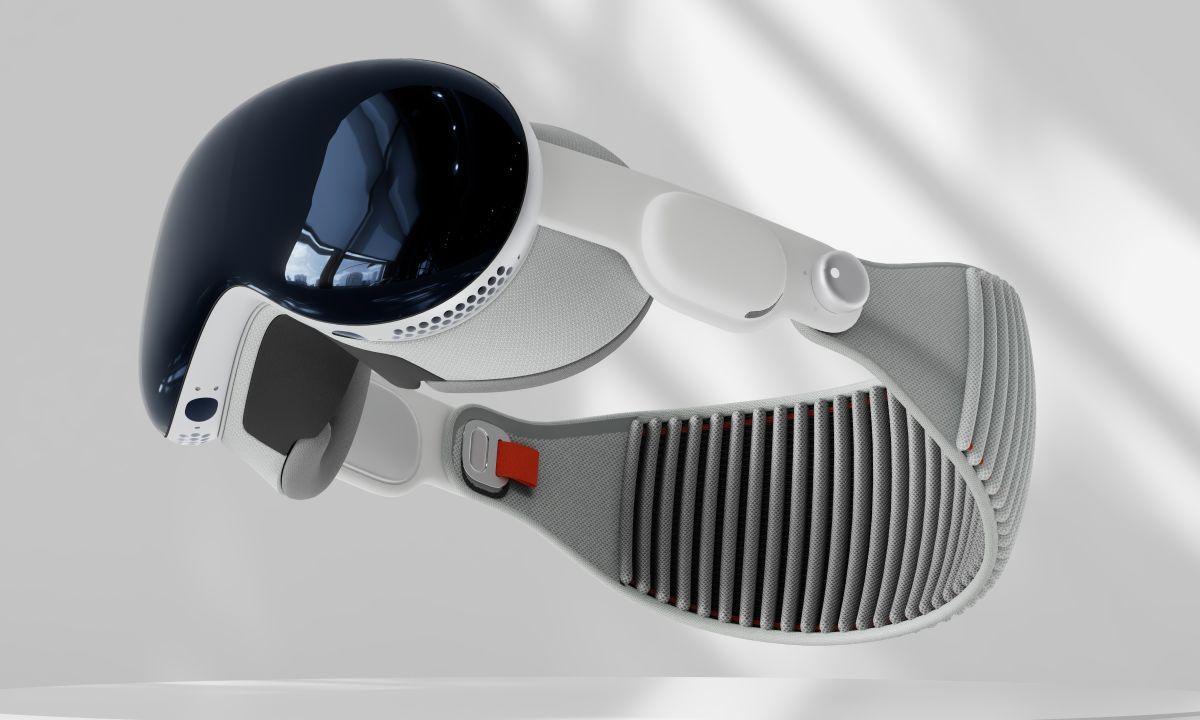
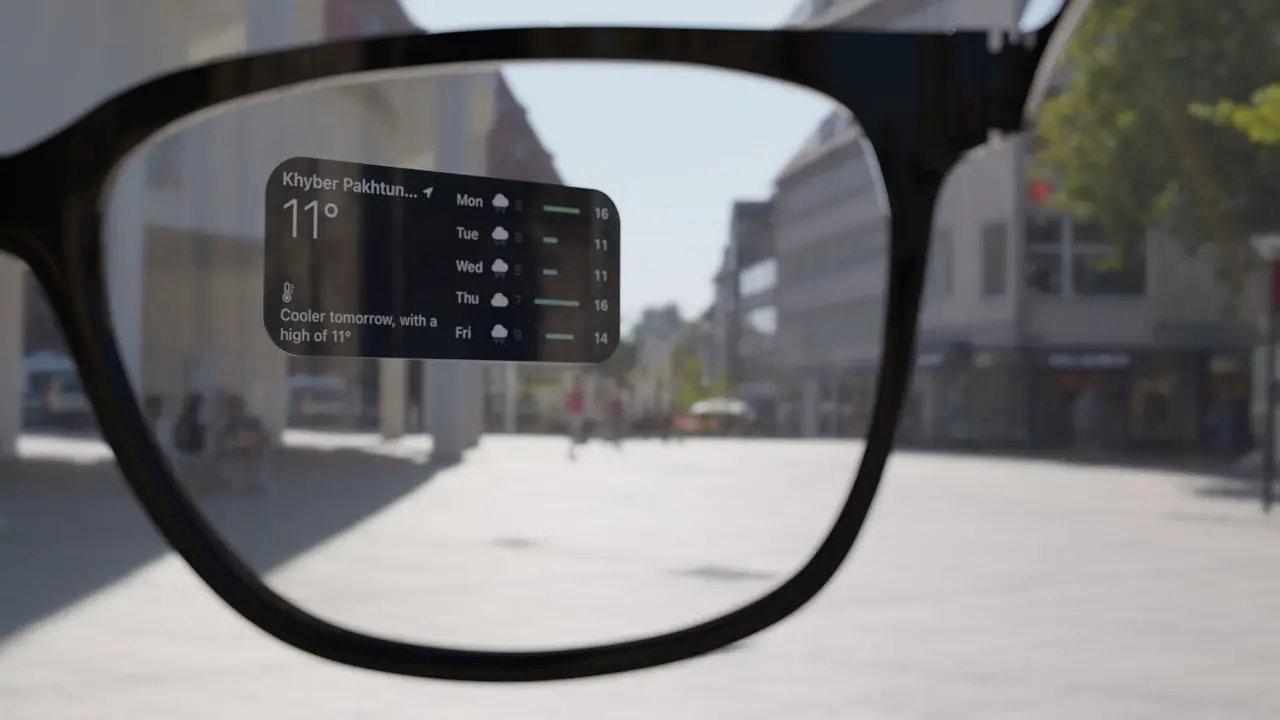
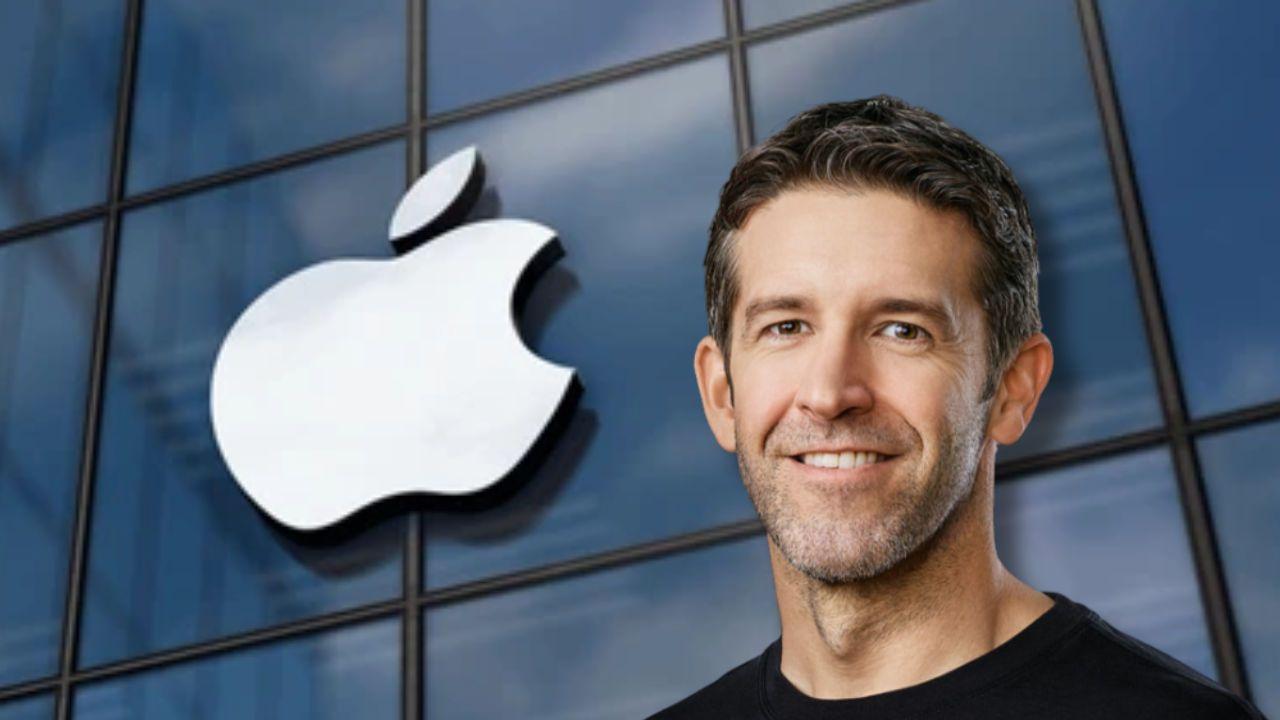
Incoming Apple CEO John Ternus signed off on a major revision of Apple's Vision Pro and smart glasses plans, consolidating Apple's work in the category. According to Apple analyst Ming-Chi Kuo, Ternus nixed plans for a second Vision Pro and a lighter Vision Air. Kuo says there are only two smart glasses products in development, including the AI smart glasses that Apple is creating to rival the Meta Ray-Bans and a display-equipped set of AR smart glasses. "I think removing the Vision Pro line was the right call, as Apple shifts resources toward smart glasses with greater mass-market potential," writes Kuo. Kuo says that the Vision products roadmap that he shared in June 2025 is no longer a useful reference because of the major changes that Apple has made to its plans over the last year. Kuo's product timeline originally featured seven products, but now it features just two that are still relevant. Kuo believes the AI smart glasses will ship in 2027, while the display-equipped augmented reality glasses with "optical waveguides" won't come out until 2029 at the earliest. Optical waveguides pair a micro-display with waveguides that guide the image to the user's eyes. Lenses remain transparent, so the virtual content looks like it's overlaid on the real world view. Bloomberg's Mark Gurman weighed in on Kuo's report and said the Vision Air was discontinued in October 2025, the display glasses meant to pair with a Mac were sunset in January 2025, and AI smart glasses will launch at the end of 2027. While Kuo does not believe Apple is working on any version of a Vision Pro, Gurman claims Apple has a Vision Pro 2 "in testing" but the category is "on ice." Earlier this week, Gurman also said Apple is working on a cheaper, lighter Vision Pro, but the device is unlikely to launch before late 2028 or 2029. John Ternus is set to take over as Apple's CEO on September 1, 2026. Current Apple CEO Tim Cook will remain on as Executive Chairman.
[2]
AppleInsider.com
Apple's head-mounted hardware plans are slowly being cut, reportedly by new CEO John Ternus himself, with Vision Air said to be killed off alongside Display glasses. The Apple Vision Pro was supposed to be the first salvo in a new platform for Apple to dominate. However, Apple has reportedly made some moves to curtail its ambitions for the head-wearable future. In an X post on Wednesday, analyst Ming-Chi Kuo of TF Securities has admitted that his Apple headset and glasses roadmap from one year ago is no longer a useful reference. Instead of many products on the horizon, it's been pruned down to just two smart glasses. Minutes later in reply, Bloomberg's Mark Gurman chimed in, explaining that the Vision Air was killed off back in October 2025. Display glasses were also off the table in January 2025. What's left are two more glasses, with AI glasses expected at the end of 20257. The other, the full-blown AR smartglasses referred to as Apple Glass, is apparently due at the end of the decade. And, reportedly, Apple's incoming CEO John Ternus is at the center of the scheduling and possible cancellations.
[3]
Apple to Scrap Vision Pro Successor and Focus on Smart Glasses | PYMNTS.com
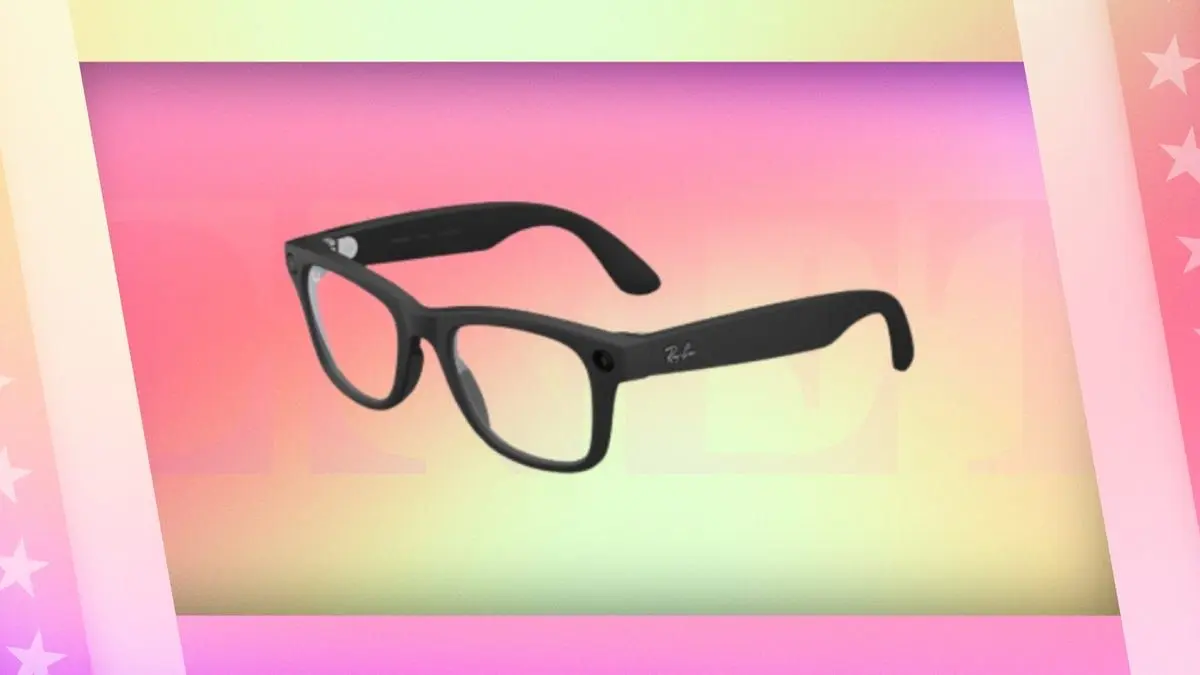
The company has two different versions of smart glasses on its agenda, according to the report. Apple is expected to ship display-less AI glasses in 2027. Kuo described this product as being similar to Ray-Ban Meta sunglasses, the report said. The company is expected to then ship display-equipped smart glasses in 2029. This product will incorporate both augmented reality and mixed reality, per the report. Kuo said in the report that incoming Apple CEO John Ternus signed off on the decision to drop a Vision Pro successor and that Apple is shifting its resources toward "smart glasses with greater mass-market potential." Apple did not immediately reply to PYMNTS' request for comment. PYMNTS reported in February 2025 that a new generation of smart glasses had emerged and that several companies, including Meta, Amazon and Google, were betting on this product category to be the next popular connected wearable. New AI-powered smart glasses present a game-changing alternative to bulky augmented reality/virtual reality headsets, the report said. The new smart glasses are encased in traditional frames of various styles, so users don't look out of place in public, but they carry serious electronics to power AI capabilities like online searches and translations. It was reported in January that Meta and eyewear maker EssilorLuxottica were considering doubling their capacity to produce Ray-Ban Meta smart glasses from 10 million to 20 million and, if demand continues to grow, to 30 million. A week before that report, Meta said that it was pausing its planned global expansion of the smart glasses to the United Kingdom, France, Italy and Canada due to "unprecedented demand and limited inventory" in the United States. Meanwhile, it was reported in February that Apple was accelerating its development of AI-powered smart glasses, a pendant and AirPods. The devices will be built around the company's Siri digital assistant and will be linked to the iPhone, in an effort to keep users within the Apple ecosystem, according to the report.
[4]
Kuo suggests Apple smart glasses with display delayed to 2029 By Investing.com
Investing.com - Apple Inc. (NASDAQ:AAPL) has pushed back the launch of its display-equipped AR/XR smart glasses to 2029, according to TF International Securities analyst Ming-Chi Kuo, citing his latest supply chain checks. The device, which will use optical waveguide technology, was previously expected earlier. Kuo said Wednesday that Apple's roadmap for extended reality products has changed significantly from a year ago. Only two smart glasses products now remain visible in the company's development pipeline. The analyst said Apple's next CEO, John Ternus, approved a major overhaul of the product line that removed the Vision Pro line. Kuo said the shift happened some time ago but he was late updating his projections. Apple's display-less AI glasses, similar to Ray-Ban Meta, remain on track to ship in 2027, according to Kuo's supply chain checks. He said the company is redirecting resources toward smart glasses with greater mass-market potential. Ternus will succeed Tim Cook as Apple's chief executive, though the company has not announced a transition date. Kuo said he believes removing the Vision Pro line was the right decision. Apple Inc stock is down 2% amid the news. This article was generated with the support of AI and reviewed by an editor. For more information see our T&C.
[5]
Apple may ditch Vision Pro successors to focus on smart glasses, claims analyst
Gurman says a Vision Pro 2 exists in testing but the headset category is "on ice" at Apple Apple's spatial computing ambitions look very different today than they did a year ago. Analyst Ming-Chi Kuo posted on X this week, saying that the XR roadmap he published in June 2025, which originally featured seven products, is no longer a useful reference. Most of those products have been shelved. What remains is a two-product plan: a pair of AI smart glasses expected in late 2027 and a display-equipped augmented reality headset pushed to 2029 at the earliest. Kuo attributes the overhaul to John Ternus, who takes over as Apple CEO on 1 September 2026 from Tim Cook, who will remain Executive Chairman. The decision to consolidate Apple's XR roadmap was reportedly signed off by Ternus and, according to Kuo, happened some time ago. "I think removing the Vision Pro line was the right call, as Apple shifts resources toward smart glasses with greater mass-market potential," he wrote. Bloomberg's Mark Gurman filled in some of the timeline on the products that did not make it. The Vision Air, a lighter version of the Vision Pro headset, was discontinued in October 2025. A separate set of display glasses designed to work alongside a Mac was killed in January 2025. Gurman also confirmed that the AI glasses have slipped from early 2027 to the end of the year. The two analysts diverge on one point. Kuo says Apple no longer has a Vision Pro successor in its roadmap. Gurman says a Vision Pro 2 does exist in testing, but that the headset category as a whole is "on ice" at Apple. The original Vision Pro, which launched in early 2024 at $3,499, was widely regarded as an impressive technical achievement that struggled to find a mainstream audience. The pivot toward AI glasses, which are expected to compete directly with the Meta Ray-Bans and other AI glasses, reflects a reorientation of where consumer demand for wearable technology is actually heading.
Share
Copy Link
Apple's incoming CEO John Ternus has overhauled the company's headset strategy, canceling the Vision Pro 2 and Vision Air to focus on two smart glasses products. The shift marks a dramatic retreat from spatial computing toward lighter, AI-powered wearables with broader consumer appeal, targeting launches in 2027 and 2029.
Apple has dramatically scaled back its spatial computing ambitions, with incoming CEO John Ternus signing off on a major overhaul of the company's product roadmap. According to analyst Ming-Chi Kuo of TF International Securities, Apple has canceled plans for a Vision Pro successor and the lighter Vision Air model, consolidating its efforts around just two smart glasses products
1
. The shift in Apple's strategy represents a significant departure from the seven-product XR roadmap Kuo published in June 2025, which is now obsolete5
.
Source: Digit
Bloomberg's Mark Gurman provided additional timeline details, revealing that the Vision Air was discontinued in October 2025, while display glasses designed to pair with a Mac were sunset in January 2025
1
. Kuo believes removing the Vision Pro line was the right decision as Apple redirects resources toward smart glasses with greater mass-market potential4
.The first of Apple's two remaining wearable technology products will be display-less AI-powered smart glasses, expected to ship by the end of 2027. Kuo describes this product as similar to Meta Ray-Bans, positioning it as a direct competitor in the lightweight smart eyewear market
3
. The device will be built around Apple's Siri digital assistant and linked to the iPhone ecosystem, helping retain users within Apple's product family3
.
Source: AppleInsider
This timing represents a slight delay from earlier projections, with Gurman confirming the AI glasses have slipped from early 2027 to the end of the year
5
. The pivot reflects where consumer demand for connected wearables is actually heading, as companies including Meta, Amazon, and Google bet on AI-enabled eyewear as the next popular category3
.Apple's second product, a display-equipped augmented reality headset incorporating AR/MR features, won't arrive until 2029 at the earliest according to Kuo's latest supply chain checks
4
. This device will use optical waveguide technology, which pairs a micro-display with waveguides that direct images to the user's eyes while keeping lenses transparent, making virtual content appear overlaid on the real world1
.The analysts diverge on one critical point regarding the Vision Pro successor canceled status. While Ming-Chi Kuo states Apple is no longer working on any version of a Vision Pro, Mark Gurman claims a Vision Pro 2 exists "in testing" but the entire headset category is "on ice" at Apple
1
. Gurman also reported earlier this week that Apple is developing a cheaper, lighter Vision Pro variant unlikely to launch before late 2028 or 20291
.
Source: PYMNTS
Related Stories
The original Vision Pro, which launched in early 2024 at $3,499, was widely regarded as an impressive technical achievement that struggled to find a mainstream audience
5
. John Ternus, who takes over as Apple CEO on September 1, 2026, while Tim Cook remains Executive Chairman, appears committed to pursuing products with broader consumer appeal1
.Apple stock dropped 2% following the news
4
. The market for AI glasses shows strong momentum, with Meta and EssilorLuxottica considering doubling Ray-Ban Meta production capacity from 10 million to potentially 30 million units, and Meta pausing global expansion due to unprecedented demand in the United States3
. Apple's strategic realignment suggests the company recognizes that lightweight, AI-enabled eyewear in traditional frames presents a more viable path to mainstream adoption than bulky XR products requiring significant consumer education and investment.Summarized by
Navi
[2]
1
Technology

2
Policy and Regulation

3
Policy and Regulation