Apple CEO John Ternus Pushes Craig Federighi to Accelerate AI Development Beyond Siri


3 Sources
[1]
Apple's CEO Reportedly Pushing for More AI Features, Faster
CEO John Ternus has pressured Apple's software head to accelerate AI development beyond Siri, reports Bloomberg. Apple CEO John Ternus pressured Apple senior VP of Software Engineering Craig Federighi to "accelerate the company's road map and move quickly beyond merely making necessary
[2]
Report: John Ternus pushing Craig Federighi to speed up Apple software engineering
In the past few years, a major Apple story (especially in the age of AI) has been that the company isn't moving fast enough in the space to keep up with competitors. According to Bloomberg's Mark Gurman, new Apple CEO John Ternus is reportedly pushing on software chief Craig Federighi to
[3]
Apple CEO Pushes for Greater Progress on AI | PYMNTS.com
Apple's CEO is reportedly pressuring the company's artificial intelligence czar to move faster with the company's AI efforts. Chief Executive John Ternus has pushed Apple senior vice president of software engineering Craig Federighi to "accelerate the company's road map and move quickly beyond
Share
Copy Link
Apple CEO John Ternus is pressuring software chief Craig Federighi to accelerate the company's AI roadmap beyond incremental improvements to Siri. The move signals mounting frustration with Apple's pace in AI development as competitors advance rapidly. Meanwhile, Vision Pro leader Mike Rockwell may leave his Siri AI role.
Apple CEO Demands Faster AI Progress
Apple CEO John Ternus has pressured senior vice president of software engineering Craig Federighi to accelerate AI roadmap development beyond incremental improvements to Siri, according to Bloomberg's Mark Gurman
1
. In a closed-door meeting, Ternus expressed frustration with what he perceives as reluctance to embrace AI with the same urgency as competitors2
. This push for speed marks a significant shift in Apple's AI development strategy as the company faces mounting pressure from rivals like Meta, Google, OpenAI, and Anthropic3
.
Source: PYMNTS
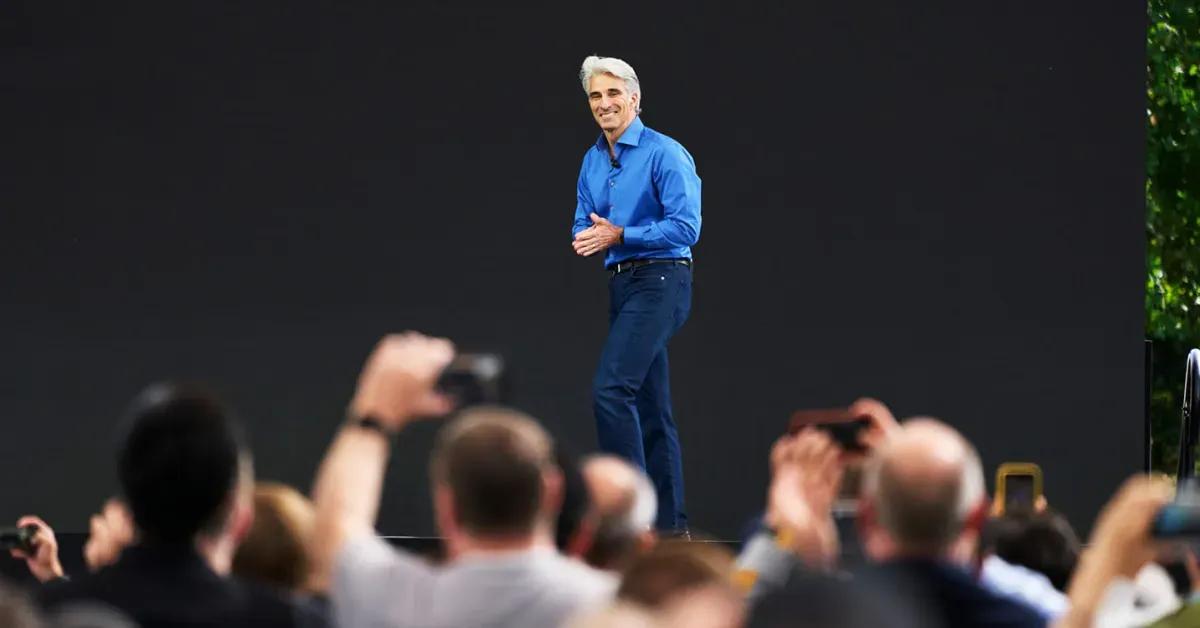
Craig Federighi's Cautious Approach Creates Tension
Craig Federighi has earned a reputation as an AI skeptic, voicing concerns about the technology's privacy and security concerns, along with societal and employment implications
1
. His hands-on management style leaves little room for competing ideas to gain traction, with some employees feeling they have limited influence over product direction2
. Federighi is known for vigorously debating opposing viewpoints using his command of technical details to push back against proposals he disagrees with. Additionally, his planning typically spans only 12-18 months, contrasting sharply with the years-long roadmaps used in Apple software engineering hardware divisions2
.
Source: 9to5Mac
Mike Rockwell Considers Departure Amid Leadership Changes
Mike Rockwell, who led Vision Pro development before taking the Siri AI reins, is seriously considering leaving his role as vice president of Siri engineering or departing Apple altogether next year
1
. Rockwell has reportedly been frustrated about not receiving enough credit for fixing Apple's digital assistant1
. If he leaves, his Siri AI work could transfer to Amar Subramanya, a Google veteran hired last year to strengthen Apple AI efforts, and Sebastien Marineau, a Federighi deputy1
. Such leadership changes would represent a major blow given Rockwell's role in bringing the new Siri to market after an embarrassing two-year delay2
.Agentic AI Capabilities Emerge as Priority
Siri's AI upgrade that arrived with iOS 27 finally delivered many promises Apple made in 2024, yet remains more limited than competing AI systems
1
. Users still cannot ask Siri to execute lengthy agentic AI capabilities in the background1
. Apple wants to make Siri more agentic, with Ternus calling these capabilities "promising" during a recent earnings call1
. This focus on agentic AI capabilities represents Apple's attempt to catch up with competitors who have already deployed more advanced autonomous AI features.Related Stories

Apple Revamps Software Development Process for iOS 28
Apple is updating its software development process across major platforms for iOS 28 and other upcoming OS updates
1
. The company is adjusting development cycles to allow 50% more time for coding, exploration and feature development, while reducing time spent on integration2
. Apple employees have responded positively to the change, indicating it creates more time for generating and exploring ideas before locking them in1
. However, questions remain about whether rushing the timeline for incorporating these ideas into operating systems will result in more bugs for users.Enterprise AI Spending Reveals Broader Industry Pressure
The pressure on Apple AI development reflects broader enterprise AI trends. Among American enterprises with at least $1 billion in yearly revenue, 62% reported spending more than $10 million on new forms of enterprise AI in the previous 12 months, with median spending between $10 million and $25 million
3
. This rapid adoption creates new cost realities, as usage-based AI expenses increase with greater worker reliance on the technology3
. Apple's internal AI restrictions and development challenges mirror concerns facing finance teams across industries about balancing AI utilization costs against productivity gains.References
Summarized by

Navi
Related Stories
Apple's Siri AI Upgrade Faces Significant Delays, Causing Internal Turmoil
15 Mar 2025•Technology

Craig Federighi rejected AI-powered iPhone home screen, now leads Apple's AI strategy shift
22 Jan 2026•Technology
Apple Ramps Up AI Investments and Considers Acquisitions to Catch Up in AI Race
31 Jul 2025•Business and Economy

Recent Highlights
1
Anthropic AI Development Doubles Speed as Self-Improving Systems Near Breakthrough
Technology

2
Google's AI Policy Forces Schools to Accept AI Overviews or Lose Search Access Entirely
Technology

3
Nvidia Opens Investigation as Jensen Huang Faces Chinese Spy Allegations Linked to $2B Chip Smuggling
Policy and Regulation
Recent Highlights
Today's Top Stories






Don’t drown in AI news. We cut through the noise - filtering, ranking and summarizing the most important AI news, breakthroughs and research daily. Follow topics that matter to you and stay ahead.


