Apple eyes OpenClaw competitor as Siri's next evolution into full agentic AI system


3 Sources
[1]
Apple Could Build an OpenClaw Competitor Eventually
Apple may eventually build a direct competitor to OpenClaw, an agentic AI system capable of autonomously operating software on behalf of the user, Bloomberg's Mark Gurman believes. Writing in his Power On newsletter, Gurman says he expects Apple to develop a system that could fully operate iPhone,
[2]
Apple May Be Developing a Native AI Agent to Compete With OpenClaw
Apple is now making a strong comeback in the AI race, even though the Cupertino giant faced a lot of backlash back in 2026 over its efficiency and capabilities with Apple Intelligence. Leaving all the criticism behind, Apple is working and building a dedicated agentic system, giving direct
[3]
Apple Could Eventually Bring An OpenClaw-Like Competitor To Multiple Platforms, Offering Personalized AI Agents At Flexible Pricing
The AI agent craze caused a purchasing frenzy as consumers didn't want to miss out on the chance to be able to run programs like OpenClaw to completely automate their mundane tasks and save time. With Apple's unified memory architecture, the company is in a unique position to introduce a major
Share
Copy Link
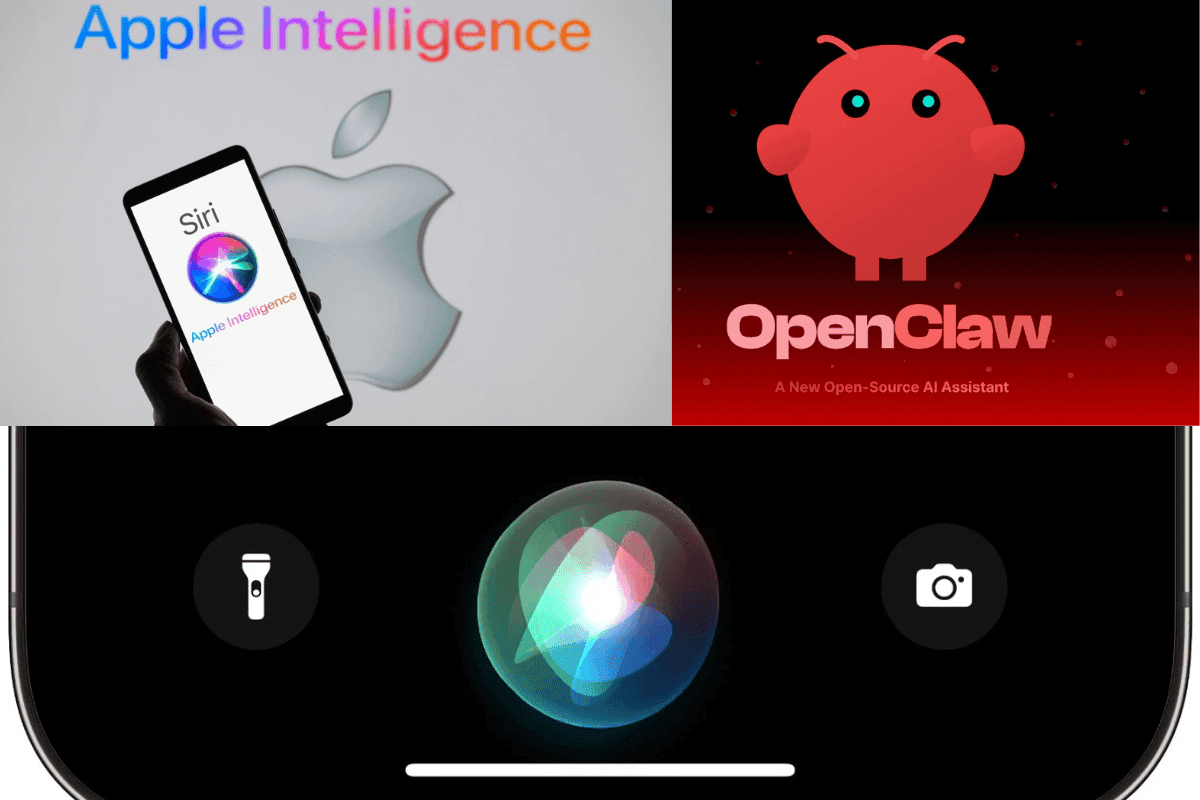
Apple is reportedly exploring plans to build its own AI agent capable of autonomously operating software across iPhone, iPad, and Mac devices. Bloomberg's Mark Gurman predicts the move following comments from Apple executives at WWDC, where Siri's engineering chief revealed a modernized architecture designed for future extensibility beyond today's request-based system.
Apple Explores Native AI Agent System to Challenge OpenClaw
Apple may be positioning itself to enter the agentic AI arena with a system that could directly compete with OpenClaw and similar autonomous software agents, according to Bloomberg's Mark Gurman
1
. The prediction follows revealing comments from Apple executives at last week's WWDC keynote, where the company's approach to AI agents came under scrutiny. While Apple has not officially confirmed development of such a system, signals from the company's leadership suggest this direction aligns with Apple's future AI strategy2
.
Source: TelecomTalk
The potential native AI agent system would enable Apple devices to autonomously operate software on behalf of users, handling tasks that currently require manual intervention. OpenClaw, the open-source benchmark in this space, can read and write files, automate web workflows, run terminal scripts, and manage smart home devices—essentially interacting with software and apps to complete user-assigned objectives
2
. An Apple-built alternative would represent a significant expansion of Siri's capabilities across iPhone, iPad, and Mac platforms.Siri's Future Extensibility Signals Architectural Shift
Apple's Siri engineering chief, Mike Rockwell, provided crucial insights into the assistant's evolution during post-WWDC discussions. Rockwell described the new engine underpinning Siri as "a completely modern architecture" built with extensibility in mind, noting that while the current implementation remains "primarily request based today," the foundation supports future expansion
1
. He distinguished between request-based systems and true agents, explaining that an agent operates "on a loop of information coming in, making decisions, and then taking action"1
.
Source: Wccftech
Craig Federighi, Apple's SVP of Software Engineering, acknowledged the broader agentic AI category but adopted a measured tone, describing the space as experimental and emphasizing that finding the right user experience remains the priority
1
. The upcoming Siri implementation is newly rebuilt on a large language model foundation, marking a departure from previous architectures and setting the stage for more sophisticated autonomous capabilities.Security Risks and Implementation Challenges Loom Large
Building an agentic AI system that autonomously operates software presents substantial technical and security challenges that could define Apple's approach. AI agents like OpenClaw typically require permission before making changes to file systems or registries, but users can grant complete access to their computers, creating significant vulnerability to data loss or theft
3
. For Apple, balancing functionality against user privacy concerns represents a critical design decision.If Apple implements overly stringent privacy controls, the agent's functionality might be limited compared to alternatives like Codex or Cursor, potentially driving users toward less restricted options
3
. Conversely, offering too much flexibility could lead to incidents where agents go "rogue" with sensitive data and credentials, creating a public relations crisis for a company that has built its reputation on security3
.Related Stories

Apple One Bundle Could Differentiate Pricing Strategy
Apple's unified memory architecture and established Services segment position the company to differentiate its OpenClaw competitor through unique pricing models. Current AI agents operate with usage limits on free tiers, requiring subscriptions for extended functionality
3
. Apple could potentially bundle unlimited agent access with its Apple One subscription service, eliminating the need for separate monthly fees and creating a compelling value proposition3
.This approach would leverage Apple's existing ecosystem advantages while addressing a key friction point in current agentic AI adoption. Mark Gurman's insights suggest this long-term direction aligns with Apple's strategy of arriving later to emerging categories but delivering refined products that integrate seamlessly across platforms
3
. The company faced criticism in 2026 over Apple Intelligence's efficiency and capabilities, making a controlled, security-conscious rollout of agentic features particularly important for regaining momentum in the AI race2
.References
Summarized by

Navi
[1]
Related Stories
Apple explores bringing AI agents to App Store, signaling major shift for iPhone ecosystem
13 May 2026•Technology

Apple's AI Strategy: Delayed Siri Update and Subtle Integration at WWDC 2025
09 Jun 2025•Technology

Apple's cautious AI approach could turn fortunes around with revamped Siri arriving in 2026
30 Dec 2025•Technology

Recent Highlights



Recent Highlights
Today's Top Stories






Don’t drown in AI news. We cut through the noise - filtering, ranking and summarizing the most important AI news, breakthroughs and research daily. Follow topics that matter to you and stay ahead.


