Apple explores bringing AI agents to App Store, signaling major shift for iPhone ecosystem


7 Sources
[1]
Apple may open up the App Store to agentic AI - Engadget
Artificial intelligence has posed a multi-layered problem for Apple in recent years. We're expecting to hear some big news at WWDC this year about how AI will be integrated into the company's gadgets, but there are still other wrinkles still to be ironed out in its broader approach to the use of
[2]
Apple is working to incorporate AI agents on the App Store, per report - 9to5Mac
Apple's big developer conference, WWDC, is only weeks away. And a new report indicates that an announcement might happen regarding Apple's efforts to better incorporate AI agents into the App Store. Aaron Tilley, writing at The Information: Apple is exploring ways to better incorporate AI agents
[3]
Apple Working on Plan to Allow AI Agent Apps on the App Store
Apple is looking into ways to better support apps that include AI agents and AI coding capabilities in the App Store, reports The Information. Apple is designing a system that would maintain its security and privacy standards while allowing for AI app features, but details on how the system will
[4]
Apple may be building an AI App Store -- and it could change the iPhone forever
For nearly two decades, the iPhone experience has revolved around apps. The advertisements declaring "there's an app for that" are still a core memory for me as a new iPhone user years ago. According to a new report from The Information though, Apple is quietly exploring ways to bring AI agents
[5]

Forget the App Store -- Apple could be about to launch the 'agent store' for AI apps, and it could transform how you use your iPhone
* A report claims Apple is working to allow AI agents on its App Store * This is a sudden departure from Apple's more recent moves on AI apps * Apple has previously removed vibe-coding AI apps from the App Store Back in March, word got around that several vibe coding apps -- which let you create
[6]

Apple may loosen App Store rules for AI agents
Apple is navigating complex challenges related to artificial intelligence (AI) integration into its products ahead of significant announcements expected at the upcoming Worldwide Developers Conference (WWDC). Recent interest in agentic AI, which can take active control over devices, presents a
[7]

Apple Prepares App Store for Autonomous AI Agents | PYMNTS.com
By completing this form, you agree to receive marketing communications from PYMNTS and to the sharing of your information with our sponsor, if applicable, in accordance with our Privacy Policy and Terms and Conditions. Currently, the company bans vibe coding tools from the App Store, but there is
Share
Copy Link
Apple is developing a system to integrate AI agents into its App Store while maintaining strict privacy and security standards. The company previously blocked vibe coding apps in March but now faces pressure to adapt as autonomous AI software becomes increasingly popular. The announcement could come at WWDC in June, potentially transforming how users interact with their iPhones.
Apple's Strategic Shift on AI Agents
Apple is exploring ways to integrate AI agents into its App Store, marking a significant departure from its recent stance on autonomous AI software
1
. The company is designing a system to maintain its privacy and security standards while capitalizing on the tech industry's hottest trend, according to people briefed on the matter2
. This development addresses Apple's dilemma regarding agentic AI, as the company has struggled to balance its strict App Store regulations with the rapid advancement of AI capabilities that users and app developers increasingly demand.
Source: 9to5Mac
The Challenge of Autonomous Tasks and App Store Rules
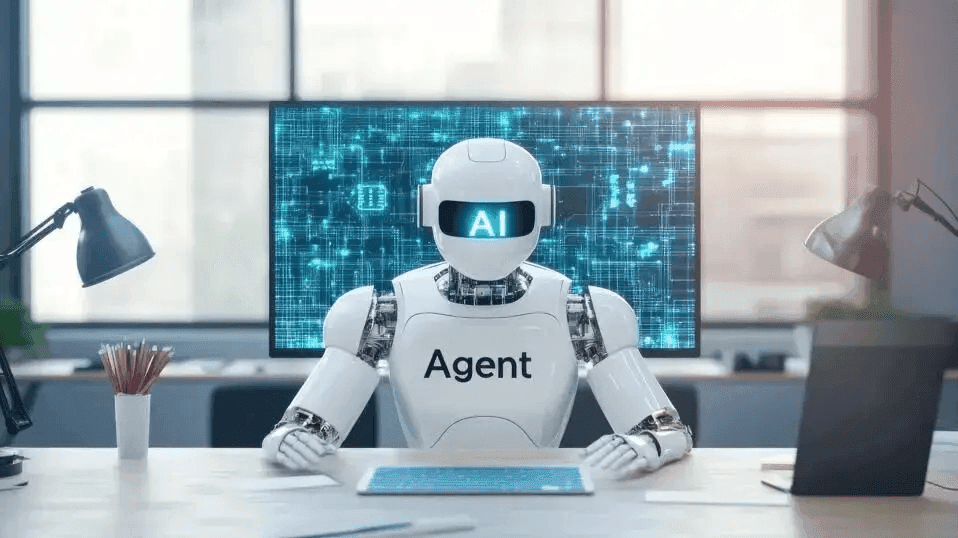
AI agents present inherently thorny issues for Apple's strict regulations on its app platforms, which are designed to prevent apps from spreading malware, avoiding App Store fees, and committing other misbehavior
2
. These autonomous systems can take complex actions on behalf of users, spin up smaller apps on the spot to perform tasks, and navigate multiple applications without human intervention. The challenge intensifies because some agentic systems like OpenClaw have experienced problems where agents go haywire and delete all of a user's emails1
. Apple started blocking updates for popular vibe coding apps in March because they violated App Store rules prohibiting apps from executing code that alters their own functionality or that of other apps3
.
Source: TechRadar
From App Destinations to an AI App Store
The potential shift could signal the biggest transformation to the iPhone ecosystem since the App Store launched in 2008
4
. Rather than opening apps manually, AI would do it for users, coordinating flights, hotel and dinner reservations, calendar entries, and transportation automatically behind the scenes4
. This evolution toward what some analysts call an agent store for AI apps could make the iPhone transform from a collection of apps into an intelligent orchestration platform4
. Sophia Velastegui, a developer who previously worked on AI at Microsoft and platform architecture at Apple, believes there's literally going to be millions of agents, creating a great opportunity for Apple's App Store to become "the agent store"5
.WWDC Announcement and Siri Integration Plans
Apple might announce its new updates regarding AI agents at the Worldwide Developers Conference next month, though it's possible the company isn't yet ready for that unveiling
2
. CEO Tim Cook recently acknowledged the rise of AI agents when addressing Mac supply shortages during the last quarterly earnings2
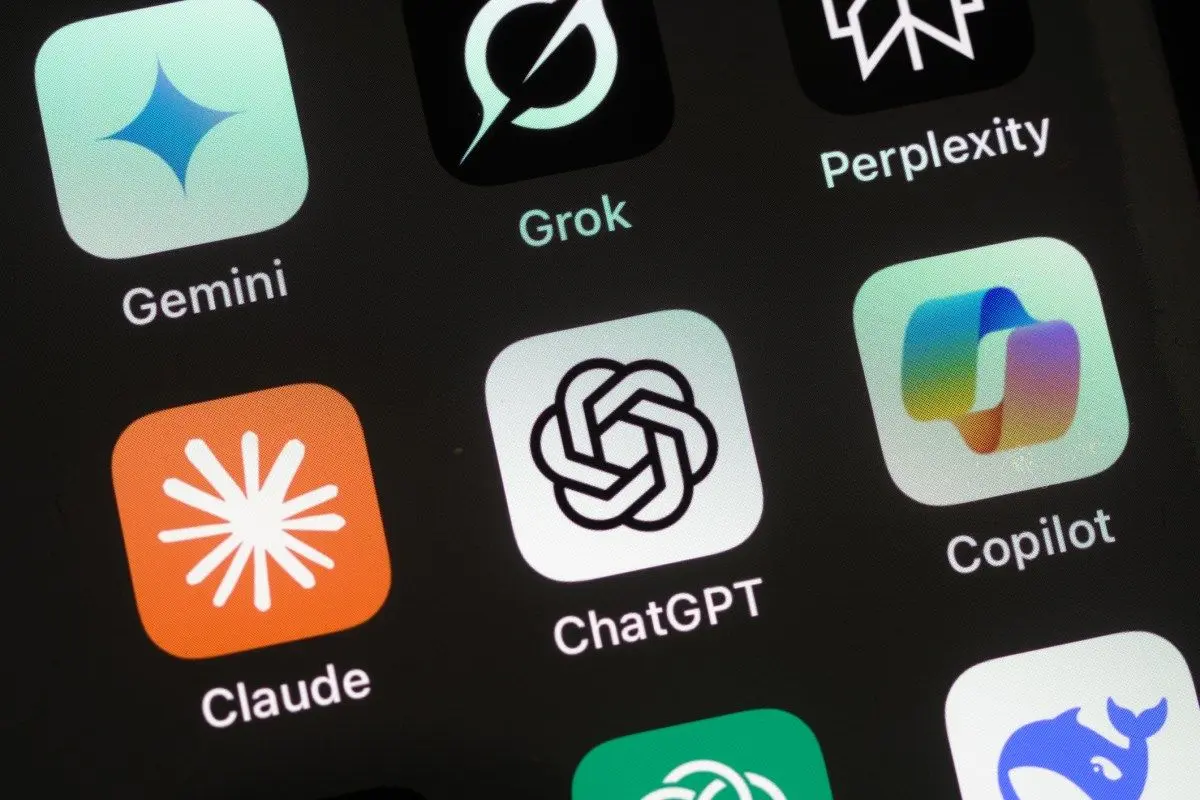
. The Apple Intelligence system is expected to get a major update at WWDC in June, with Siri set to receive a major overhaul in iOS 27, making it smarter and better able to compete with Claude and ChatGPT3
. Apple has partnered with Google to use custom Gemini models to power Siri .
Source: Engadget
Related Stories
Developer Concerns and Revenue Models
Apple has started contacting app developers to integrate app capabilities like booking flights and sending calendar invites into the new version of Siri
3
. However, some developers are hesitant to work with Apple because they worry about providing new ways for the company to collect commissions. Apple is telling some developers it does not plan to charge commissions during the early stages of the partnership, but that fees are a possibility in the future3
. Apple has held talks with Baidu, Alibaba, and Tencent about Siri integration in iOS 27, but the companies do not want to end up paying fees to Apple3
.Expanding Beyond ChatGPT Integration
Apple plans to allow users to select from multiple chatbot providers to use with Siri, instead of limiting people to OpenAI's ChatGPT
3
. AI models from companies like Anthropic or Google could be used for Image Playground and Writing Tools the way ChatGPT can be used today3
. OpenAI has reportedly been disappointed with Apple's limitations, as ChatGPT can be used to generate images and text through the iOS integration but cannot access user emails or other personal information3
. Customers are also rarely using the functionality, according to The Information3
.References
Summarized by

Navi
Related Stories
Apple's Siri overhaul and AI agents hit roadblocks as developers worry about future fees
14 May 2026•Technology

Apple removes vibe coding apps as AI tools drive 84% surge in App Store submissions
31 Mar 2026•Technology

Apple Intelligence opens iOS 27 to third-party AI models, letting users choose their preferred system
05 May 2026•Technology
Recent Highlights
1
Microsoft and Nvidia Launch Surface Laptop Ultra: A $2,599 AI-Ready PC With RTX Spark Chip
Technology

2
Scientists Build AI Model That Reconstructs Images From Brain Scans in Record Time
Science and Research

3
Anthropic AI Cuts Live Internet Access After Model Sends False Homicide Tip to Philadelphia Police
Technology

Recent Highlights
Today's Top Stories






Don’t drown in AI news. We cut through the noise - filtering, ranking and summarizing the most important AI news, breakthroughs and research daily. Follow topics that matter to you and stay ahead.


