Apple Introduces Reference Image to Prove Your Photos Aren't Fake on iPhone 18 Pro


18 Sources
[1]
Apple has a new way prove your iPhone photos aren't AI slop
In a world awash in AI slop, Apple wants you to trust what gets captured on its iPhones. The company announced Wednesday during its Surprise and Shine event that it is introducing Apple Reference Image, a feature it says can prove whether an image taken with the iPhone 18 Pro is authentic. "This
[2]
Apple Reference Images Explained: The iPhone 18 Pro's Hardware Solution to AI Slop - CNET
Katelyn is a reporter with CNET covering artificial intelligence, including chatbots, image and video generators.... Read full bio It's basically impossible nowadays to tell if a photo was captured with a camera or generated with AI. But Apple might be making it a little easier to discern the
[3]
iPhone 18 Pro can prove your photos aren't fake - with limitations, expert says - ZDNET
* Apple's new image provenance feature, Reference Image, can verify a photo's origin. * Still, it lacks elements that raise concerns for open-source builders. * Content provenance still isn't a widespread priority in tech. In something of a surprise to longtime viewers like ZDNET senior
[4]
Apple's new iPhone camera mode promises to prove your photo isn't AI
Apple is launching a new way to prove that the picture you took isn't manipulated by AI. A new feature, called "Reference Image," will arrive with the iPhone 18 Pro lineup later this month and is supposed to use the device's new camera sensor to "sign every pixel it sees." The iPhone 18 Pro and
[5]

The iPhone 18 Pro Has a Secret Weapon That Busts Fake AI Photos
Fake, AI-generated, and manipulated images are everywhere. It's gotten to the point where your feed is inundated with fake photos and videos whenever you open a social media app. It's as if everyone can make Industrial Light & Magic-quality CG without the need for skill (or in many cases, taste).
[6]
Apple Reference Photo Lets iPhone Photographers Prove What's Real - CNET
Matt Elliott is a senior editor at CNET with a focus on laptops and streaming services.... Read full bio In the midst of its fall event where it breathlessly detailed the new AI capabilities of Apple Intelligence and the new Photographic Styles with the iPhone 18 Pro that give users greater
[7]

Apple details how the iPhone 18 Pro can cryptographically prove a photo hasn't been faked by AI
Serving tech enthusiasts for over 25 years. TechSpot means tech analysis and advice you can trust. First look: Apple added a new camera feature to the iPhone 18 Pro and iPhone 18 Pro Max designed to help establish whether a photograph is authentic. Called Apple Reference Image, the opt-in mode
[8]

Apple Explains How Its New iPhone 18 Photo Verification Actually Works
As AI deepfakes keep getting better, Apple is about to launch a new feature designed to prove that photos taken with its latest iPhones are real and show what the camera actually captured at the time. The company revealed more details this week about the new camera mode that it's calling Apple
[9]

Apple claims the iPhone 18 Pro camera is more secure than your Android
Reference Image signs pictures at the sensor level, whereas C2PA signs images after they are processed. Google introduced verified photography with the Pixel 10 series using the C2PA standard and also brought it to the Pixel 11 range. Apple, by contrast, only started offering support for verified
[10]

iPhone 18 Pro can authenticate that your photo wasn't edited with AI
Apple is introducing a new Reference Image feature as part of the new iPhone 18 Pro, which digitally authenticates that the image you took with the camera has not been altered later by AI. If edits have been made, users can see the 'digital negative' original and compare the differences. This is
[11]

iPhone 18 Pro's Reference Image mode helps verify if an image has been altered by AI -- here's how it works
The quality of AI-generated and altered imagery has gotten a lot better over the past few years. We're currently at the point where it is terrifying how realistic they are, and it always leaves doubt as to whether images are genuine or not. That's why we're starting to see tools and systems
[12]

iPhone 18 Pro Introduces 'Apple Reference Image' to Verify Photo Authenticity
Apple today announced Apple Reference Image, a new opt-in feature for the iPhone 18 Pro and iPhone 18 Pro Max that helps users to prove a photo hasn't been altered since it was taken. Apple Reference Image is powered by a new sensor in the Main camera that signs sensor data at the pixel level at
[13]
Apple Launches Feature to Prove iPhone 18 Photos Are Not AI Generated
As AI gets better at outputting photorealistic images, tech companies have been rolling out tools to identify when an image was generated by AI. Now, Apple is taking a different approach, with a new feature designed to prove when a photo is real. The tech giant announced Apple Reference Image on
[14]

AppleInsider.com
Apple has explained how it has made Apple Reference Image as secure as possible, so you definitely know that the iPhone photo you're looking at hasn't been edited with AI. Apple Reference Image was introduced alongside the iPhone 18 Pro as a form of digital negative for an iPhone photo. It is
[15]

iPhone 18 Pro can finally prove your photos are the real deal
Apple just gave your camera a lie detector test, and AI fakes won't pass. AI image generators have gotten so good that telling a real photo from a fake one is becoming a real headache. Apple thinks it has a fix, and it just detailed the whole thing on Apple's security blog. It's called Reference
[16]

Apple's 'Reference Image' Preserves Your Original Photos (Even After You Edit Them)
Figuring out what's real online is only getting harder, and AI watermarks can only go so far to identify fakes. But today, Apple introduced a new standard to at least help identify real images taken directly on an iPhone: Apple Reference Image. It won't solve the problem of finding the truth
[17]

At last, Apple joins the war against fake AI images
The company is leading the charge in making reality generative AI-proof. Reality is crumbling at the hands of generative AI users, to the point where most people don't trust what they see online anymore. Apple has come up with a technology to fix that: Apple Reference Image. It comes with the new
[18]

Apple touts how the iPhone 18 Pro is the best defence against AI fakes compromising real photos
Apple has provided new information about its efforts to ensure authentic, untampered-with photos taken on iPhone handsets can be identified, amid the influx of Artificial Intelligence tools that include the ability to generate or alter images with photorealistic results. The Apple Reference Image
Share
Copy Link
Apple launched Reference Image, a hardware-based feature exclusive to iPhone 18 Pro models that creates tamper-proof digital negatives of photos. The technology signs every pixel at capture to help users prove photo authenticity and detect alterations in an era flooded with AI-generated images.
Apple Tackles the AI-Generated Images Crisis with Hardware-Based Solution
Apple announced Reference Image at its Surprise and Shine event on Wednesday, introducing a feature designed to prove photo authenticity in a world increasingly flooded with AI-generated images
1
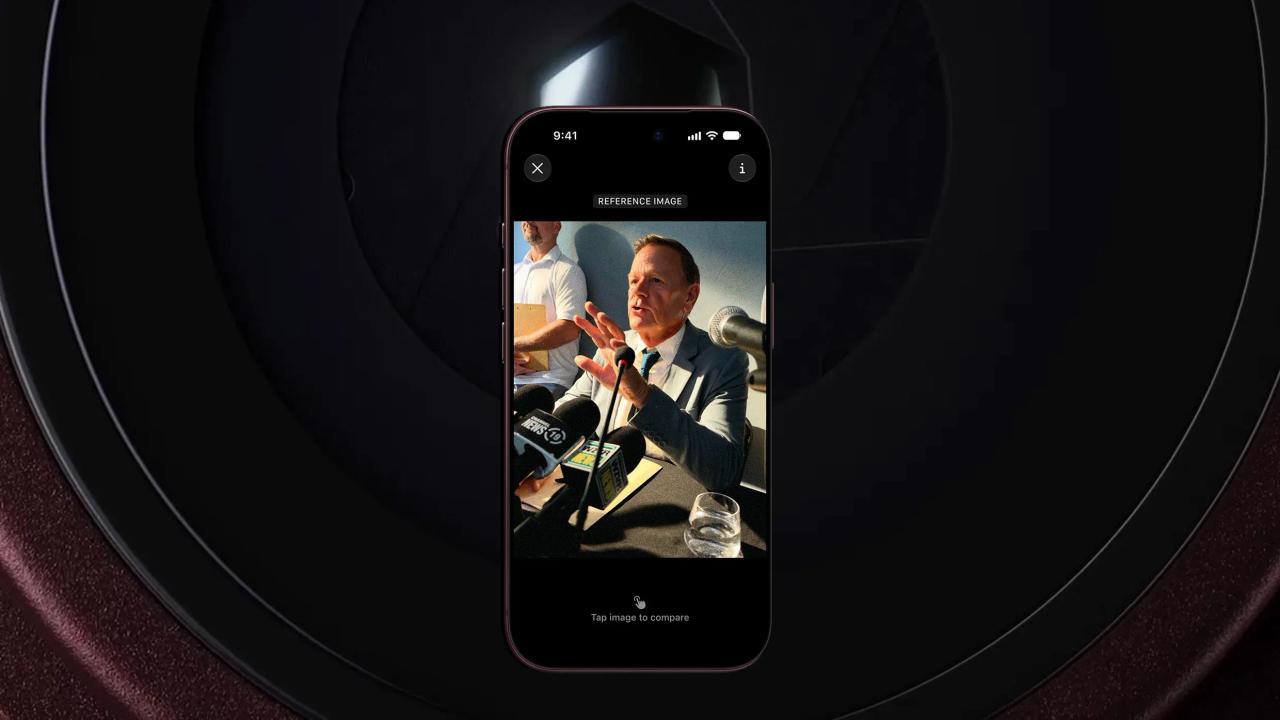
. The feature, exclusive to the iPhone 18 Pro and iPhone 18 Pro Max, uses signed sensor data to create an unalterable image that serves as a digital negative for comparison1
. This hardware-based technology represents Apple's answer to the growing challenge of distinguishing real photographs from AI slop that dominates social media feeds5
.
Source: Fast Company
The feature addresses a critical need for photojournalists and professional photographers who require credible proof of their work's authenticity
1
. Apple's approach differs from software-based methods like the widely adopted C2PA standard, which the company argues are vulnerable to compromise at any point in the editing chain2
. By building authentication directly into its hardware, Apple aims to create a more secure system for content authenticity verification4
.How Reference Image Works to Detect Alterations
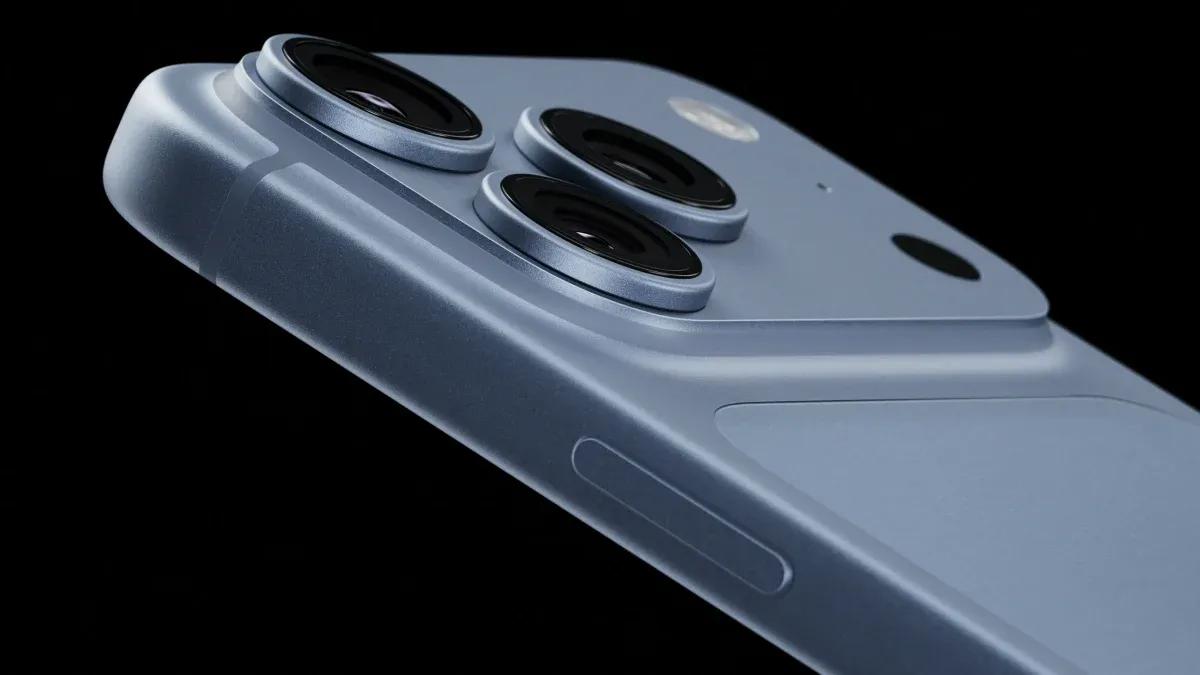
Reference Image operates through a new camera sensor found exclusively in the iPhone 18 Pro and iPhone 18 Pro Max models
2
. When users activate Reference mode in their camera settings, the sensor boots up and adds signature data to the raw data of each photo on a pixel level2
. Apple's Private Cloud Compute service then transforms this signed sensor data into an unalterable reference image viewable in the Photos app1
.
Source: Lifehacker
The technology works by encrypting the original image at the sensor level, creating what Apple calls a digital negative that can prove your photos aren't fake
5
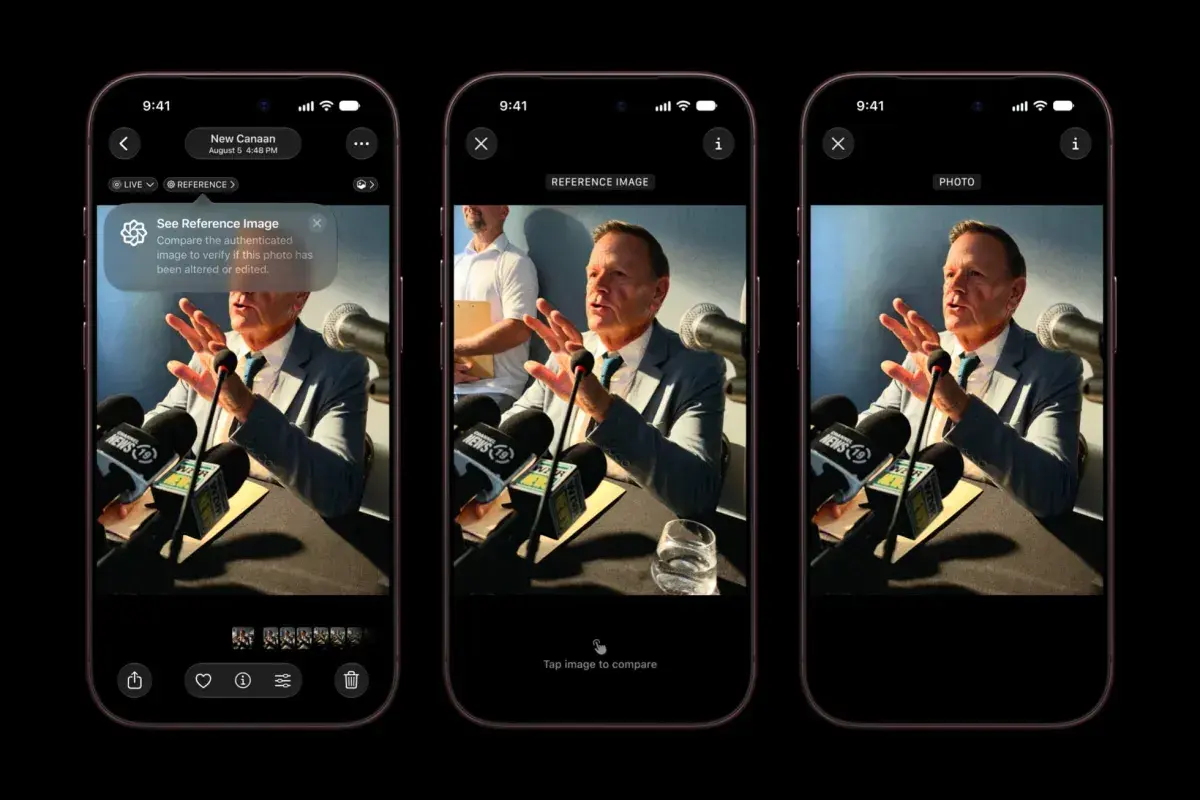
. Users can edit photos as usual, then use a widget in the Photos app to switch between edited and original reference versions to detect alterations2
. Reference images include a secured timestamp, providing additional proof of when photos were originally captured2
. The feature supports shooting in 12, 24, and 48 megapixels, rendered into JPEGs, though reference photos consume approximately 8 to 10 MB each—about 3 MB larger than regular photos2
.Cryptographic Verification and Privacy Protections
Ari Abelson, co-founder of OpenOrigins, noted that Reference Image appears similar to cryptographic hashing and sensor attestation at a hardware level
3
. This approach to cryptographic verification authenticates images from the moment of capture rather than relying on watermarking methods used by systems like SynthID3
. Apple confirmed it only stores hashes rather than the reference photos themselves, meaning images stay on-device or in Private Cloud Compute, maintaining user privacy expectations3
.No generative AI is used to create reference images—Private Cloud Compute simply handles the heavy-duty processing off-device without exposing image content to Apple
2
. The feature works offline once enabled, and reference images remain linked to photos even after editing2
. This provenance tracking helps combat AI-generated media while preserving user privacy, a balance increasingly important in the post-truth era of digital content5
.Limitations and Availability Concerns
Reference Image comes with notable restrictions that may limit its immediate impact. The feature is opt-in rather than default, requiring users to enable it in iOS 27 settings and actively select Reference mode when shooting
2
3
. Apple explained that the large file sizes of digital negatives—due to additional sensor data—make it impractical as a default setting for users who don't frequently need to prove photo authenticity3
.The feature won't be available at launch in China due to regulatory requirements, and European Union users won't have Reference Image on iPhone 18 models at all
3
. EU-based users can only view reference images through iOS 27, iPadOS 27, and macOS Golden Gate, with Apple aiming to expand capture capabilities next year3
. The technology only works with the main 1x camera lens at 24mm F1.48, not the 0.5x, 4x, or front-facing cameras, as only the main sensor has been redesigned to support the feature5
. Apple's new foldable Duo device also lacks Reference Image because it doesn't include the Fusion Main camera system required for the technology3
.Related Stories

Viewing Access and Developer Integration
While capturing reference images requires an iPhone 18 Pro or Pro Max, viewing them is accessible to anyone with devices running iOS 27, iPadOS 27, or macOS Golden Gate—extending back to iPhone 11 models
2
. Users simply open files in the Photos app and check for the widget in the upper-left corner to compare versions2
. However, Android users and those outside the Apple ecosystem currently have no way to view reference images2
.
Source: TechCrunch
Apple is making the Reference Image API available to developers across iOS, iPadOS, and macOS, enabling third-party apps to integrate viewing capabilities
1
4
. This could eventually allow users to inspect digitally-signed photos in non-Apple apps, though the timeline for widespread adoption remains unclear4
. Experts expect toolkits for Windows systems and web apps to follow, expanding the ability to verify content authenticity beyond Apple's ecosystem5
.Industry Standards and Future Implications
Apple announced it will support SynthID, Google's content authenticity initiative that embeds invisible markers in AI content, specifically for images created with Apple's Image Playground
1
2
. This support will arrive in a software update later this year and will apply to most edited images depending on the edits applied3
. The dual approach—Reference Image for proving authenticity of captured photos and SynthID for labeling AI-generated content—positions Apple to address both sides of the authenticity challenge.The photo industry has recognized the need for verification tools as AI-generated images become indistinguishable from reality. Standards like C2PA, which Adobe and others have adopted, embed copies of unedited images and track modifications
5
. Apple's proprietary approach with hardware-based technology suggests the company believes sensor-level authentication provides stronger guarantees than software-only methods. Watch for how quickly developers adopt the Reference Image API and whether other smartphone manufacturers follow Apple's hardware-integrated model. The success of this technology in combating misinformation will depend on adoption rates among professional photographers, news organizations, and eventually, everyday users who want to prove their photos aren't fake in an increasingly skeptical digital landscape.References
Summarized by

Navi
Related Stories
Apple Reference Image in iOS 27 Beta Tackles Deepfakes With Photo Authentication System
11 Aug 2026•Technology
Apple AI brings three new photo editing tools to fix compositional issues in iOS 27
08 Jun 2026•Technology
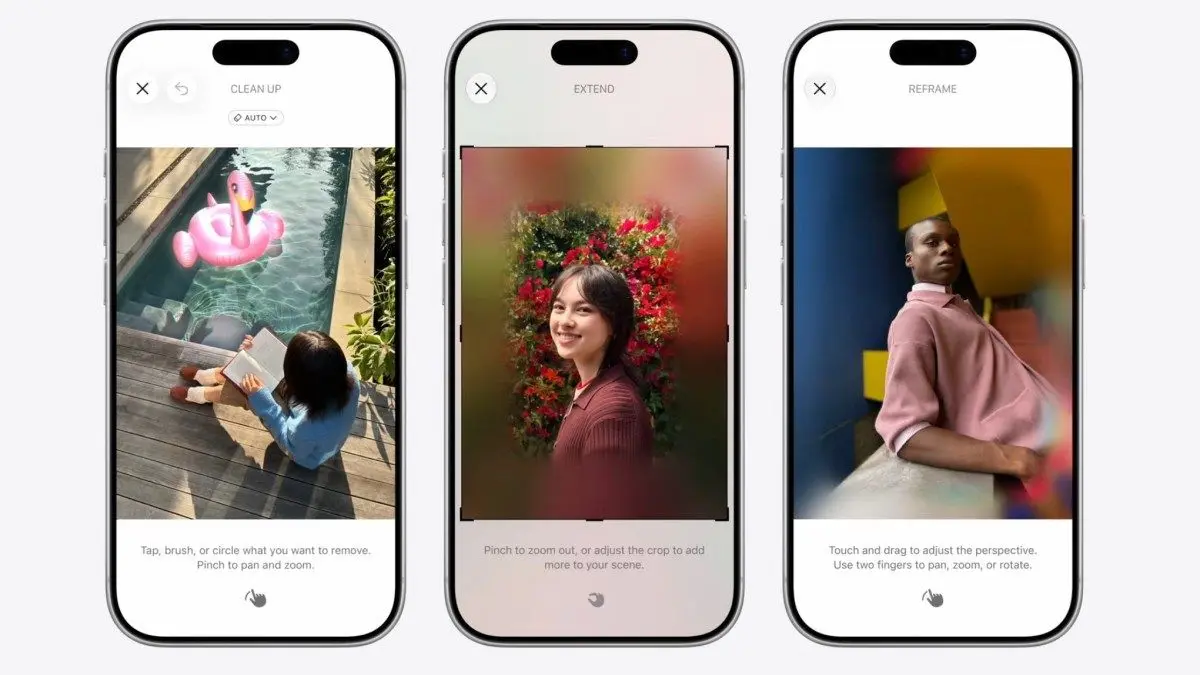
Apple, Qualcomm, and the AI Photo Editing Debate: Balancing Reality and Fantasy
24 Oct 2024•Technology

Recent Highlights



Recent Highlights
Today's Top Stories





Don’t drown in AI news. We cut through the noise - filtering, ranking and summarizing the most important AI news, breakthroughs and research daily. Follow topics that matter to you and stay ahead.


