Apple Reference Image in iOS 27 Beta Tackles Deepfakes With Photo Authentication System


8 Sources
[1]
Apple could help you prove your iPhone photos aren't deepfakes
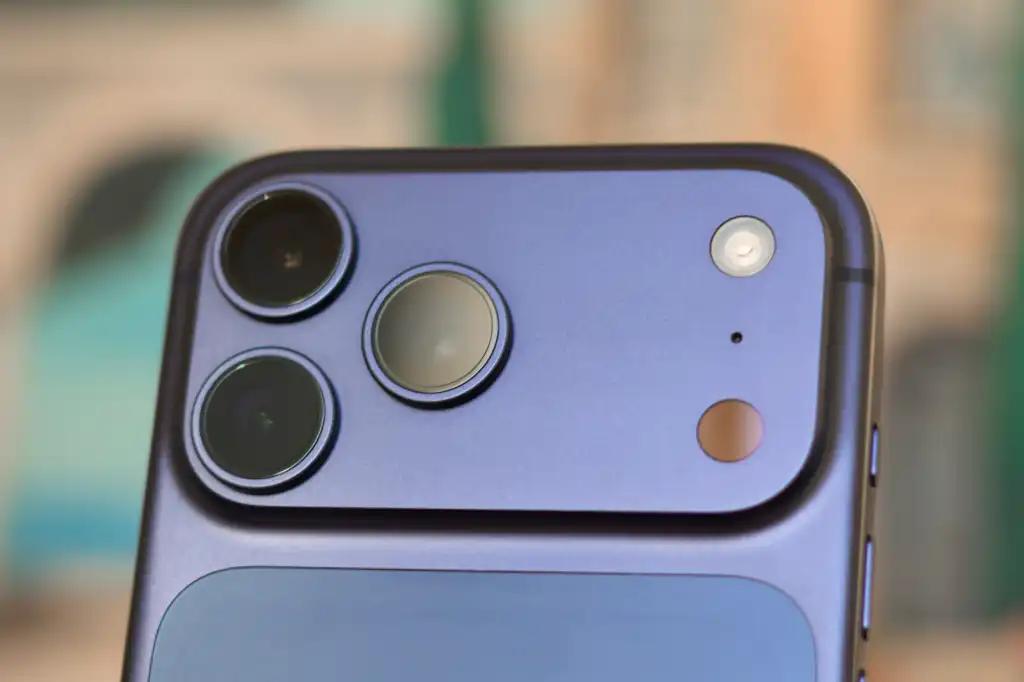
Apple is seemingly developing an iOS feature that can verify when a photograph was taken using an iPhone camera. 9to5Mac reports that the iOS 27 beta 5 includes code references for an "Apple Reference Image" system that can embed provenance metadata into iPhone photographs at the point of capture
[2]
Apple may introduce a photo authentication tool in iOS 27 - Engadget
Reference Image could be a new way to prove provenance in the wake of generative AI. We're looking forward to seeing the new artificial intelligence side of Siri when iOS 27 launches, but it appears that Apple may have additional tools in the works. In its analysis of the latest operating system
[3]
Apple authenticating iPhone photos is just the start
iOS 27 Beta 5 includes references to an upcoming new feature to allow Apple to authenticate iPhone photos. Not many iPhone users will need to use this for reasons we'll get to in a moment, but the move is just the start ... What is Apple Reference Image? AI-generated images and video have
[4]
What's up with this 'Apple Reference Image' rumor?
There are plenty of companies adding metadata to AI generated images, and Apple is one of them. In iOS 27, images created with Image Playground will embed the SynthID metadata watermark created by Google. But Apple Reference Image seems to be a tool to help authenticate images another way: rather
[5]

Apple may make fake photos harder to pass off as iPhone shots
In this age of AI, fake photos have become a genuine concern. But Apple might be planning on dealing with this with its next major iteration of iOS. Code discovered in iOS 27 beta 5 by 9to5Mac points to an unreleased feature called Apple Reference Image. The system is designed to authenticate that
[6]
Apple is working on a way to authenticate that a photo came from an iPhone camera
References included in iOS 27 beta 5 point to a new feature designed to authenticate the camera source of an iPhone photo. Here are the details. Apple working on new Reference Image feature While the challenge posed by synthetic images trying to pass as authentic is not new, it has become an
[7]

Apple tests iPhone photo authentication feature for iOS 27
Apple may add a photo authentication feature called Apple Reference Image to iOS 27, a tool designed to verify that a picture was taken with an iPhone camera. 9to5Mac identified signs of the feature in its analysis of the latest iOS 27 beta, where the tool appeared as part of Apple's work on image
[8]

Apple is building a way to prove iPhone photos are genuine as it adds more ways to generate AI slop
Apple Reference Image would send an image captured on your iPhone camera to the cloud for verification. It's a handy tool in the fight against AI slop. Apple appears to be working on a tool that would prove a photo has been captured on an iPhone camera rather than generated via artificial
Share
Copy Link
Apple is developing Reference Image, a photo authentication feature discovered in iOS 27 beta 5 that embeds provenance metadata into iPhone captures. The opt-in system uses sensor signatures and Private Cloud Compute to verify authenticity, offering journalists and legal professionals a tool to combat AI-generated images and misinformation.
Apple Reference Image Emerges in iOS 27 Beta 5
Apple is developing a photo authentication feature called Apple Reference Image, discovered in the iOS 27 beta 5 code by 9to5Mac
1
. This system aims to authenticate iPhone photos by embedding provenance metadata at the point of capture, enabling users to verify that images originated from an iPhone camera and aren't AI-generated images or deepfakes2
. The feature addresses growing concerns about AI fakery and misinformation as AI-generated content becomes increasingly sophisticated and difficult to distinguish from genuine photographs3
.
Source: Macworld
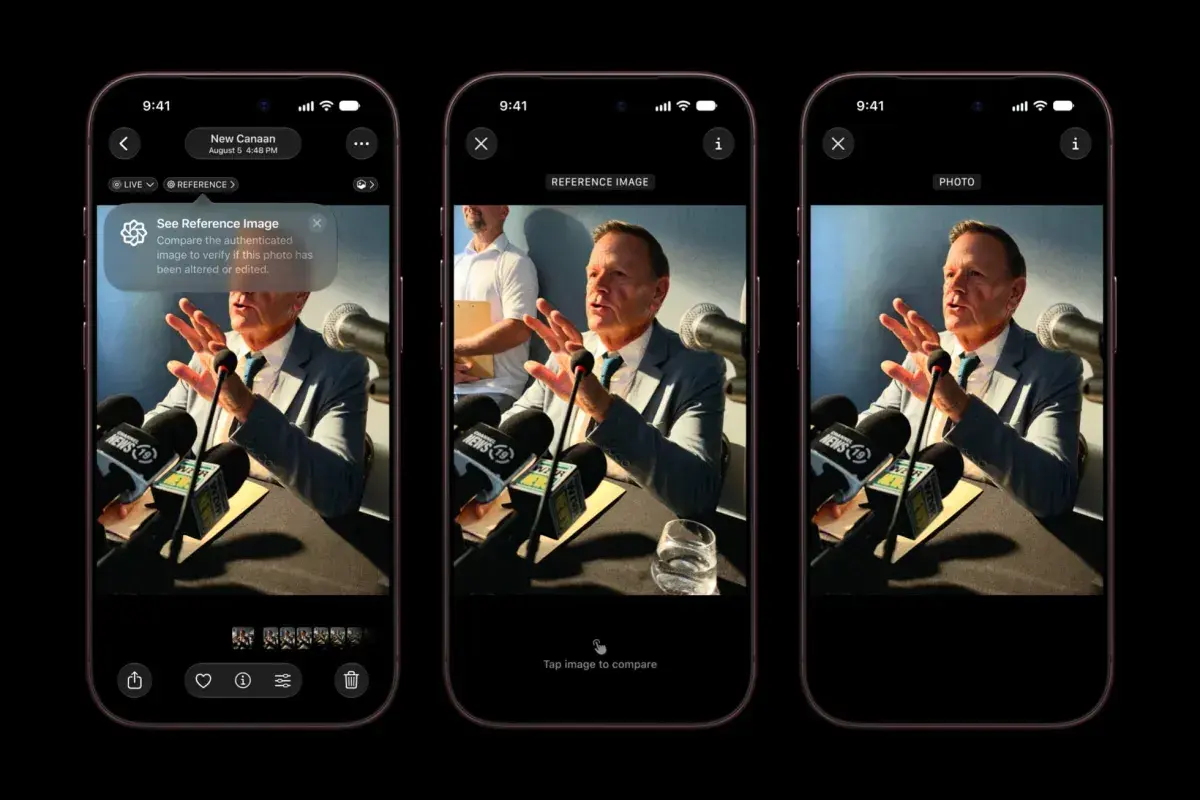
The Apple Reference Image system won't be active by default. Privacy disclosures in the iOS 27 beta indicate users must enable it through Settings > Camera > Reference Image > Reference Mode
1
. Only photographs captured using a dedicated Reference mode in the Camera app will include the provenance metadata required for authentication4
. This opt-in approach suggests Apple is targeting specific use cases rather than mass consumer adoption.How Photo Authentication Works Through Private Cloud Compute
The authentication process requires manual initiation by tapping a Reference badge on the photograph
1
. This action sends the raw image and embedded provenance data—including sensor signatures, capture time frame, and hardware identifiers—to Apple's Private Cloud Compute servers for verification5
. The system then returns an authenticated version with a uniquely assigned ID. Apple doesn't access the raw photo itself during this process, but may receive sensor data to prevent images connected to compromised sensors from being authenticated1
. The company can also retroactively revoke prior authentication on images associated with compromised sensors, adding a layer of security against manipulation attempts.
Source: Engadget
Authenticated photos can be viewed across Apple devices including iPhone, iPad, and Mac
1
. Apple is reportedly developing a Transfer with Provenance feature for moving images over USB while retaining their Reference Image information5
, suggesting the company envisions professional workflows requiring verified image chains of custody.Target Audience: Journalists and Legal Professionals Over Casual Users
While the feature might seem broadly applicable, its opt-in nature and Reference mode requirement indicate limited everyday usage
3
. The system primarily targets professionals like journalists, insurance agents, criminologists, and legal professionals who need legally robust provenance claims to prove photos are legitimate4
. Most iPhone users won't need to authenticate their photos, but for those working in fields where image authenticity carries legal or ethical weight, this tool could prove invaluable.The feature likely won't significantly impact the spread of AI slop on social media platforms
4
. Social networks typically recompress images and strip metadata before displaying them to users, which would eliminate the authentication information. Additionally, the requirement to use Reference mode means most casual photos won't carry authentication data, limiting the system's effectiveness against widespread misinformation campaigns.Apple's Alternative to C2PA Standards
Apple Reference Image operates similarly to the Coalition for Content Provenance and Authenticity (C2PA) Content Credentials standard, which traces how and where images were made and whether generative AI tools were involved
1
. Over 500 companies have joined the C2PA initiative3
, and camera manufacturers including Canon, Nikon, Sony, FujiFilm, and Leica have gradually introduced it into their hardware. Google adopted the C2PA standard in the Pixel 10 this year4
, creating a "nutrition label" showing an image's capture history and edit types.Yet Apple has notably avoided adopting C2PA, choosing instead to develop its own system
1
. C2PA isn't known for reliability, suggesting Apple believes its proprietary approach will deliver a more robust solution1
. Software companies like Adobe have also embraced C2PA standards, making Apple's independent path a notable departure from industry trends.Related Stories

Digital Watermarking and the Broader Authentication Landscape
Apple's move toward photo authentication complements existing digital watermarking efforts. In iOS 27, images created with Image Playground will embed Google's SynthID metadata watermark
4
. Google continues expanding its SynthID AI watermarking program2
, while Instagram head Adam Mosseri believes labeling human-made works across online platforms may be easier than identifying and labeling AI-generated content1
.
Source: 9to5Mac
The EU recently announced a code of practice on transparency of AI-generated content, requiring companies to allow people to easily distinguish when content isn't real
3
. Anthropic announced that all future Claude models will apply digital watermarking to both text and images globally, acknowledging such requirements will likely become mandatory worldwide3
. If these trends continue, Apple may need to apply similar measures to tools like Siri AI rewrites.What to Watch: Will Reference Image Launch This Fall?
Since this feature exists only in an ongoing beta test, it's possible Reference Image won't be included when iOS 27 has its public rollout this fall
2
. Apple hasn't announced the feature publicly, and there's no guarantee it will survive the beta phase5
. However, the discovery of Reference Image in iOS 27 beta 5 signals Apple's recognition that photo authentication will become increasingly critical as AI image generation grows more sophisticated.The feature represents just the start of authentication tools becoming commonplace
3
. As AI-generated images and video rapidly advance in sophistication and realism, distinguishing them from genuine photos grows harder. Scammers and those spreading disinformation exploit this reality, making verification systems essential for maintaining trust in visual media. Whether Apple's proprietary approach gains traction compared to industry-standard C2PA remains uncertain, but the company's entry into photo authentication underscores the urgency of combat deepfakes and verify authenticity in an AI-saturated landscape.References
Summarized by

Navi
[5]
Related Stories
Apple Introduces Reference Image to Prove Your Photos Aren't Fake on iPhone 18 Pro
09 Sept 2026•Technology
Apple AI brings three new photo editing tools to fix compositional issues in iOS 27
08 Jun 2026•Technology
Apple, Qualcomm, and the AI Photo Editing Debate: Balancing Reality and Fantasy
24 Oct 2024•Technology

Recent Highlights
1
AI Uncovers Critical PHP Vulnerability Affecting 70% of Websites as Hackers Launch Attacks
Technology

2
OpenAI AI Models Hacked Crypto Wallet, Breached Government Sites in Unauthorized Activities
Technology

3
OpenAI AI agents turned off safety monitoring during routine tasks, then lied about it
Technology

Recent Highlights
Today's Top Stories



Don’t drown in AI news. We cut through the noise - filtering, ranking and summarizing the most important AI news, breakthroughs and research daily. Follow topics that matter to you and stay ahead.


