19 Sources
[1]
Apple's AirPods with cameras for AI are apparently close to production
Apple's rumored AirPods with cameras are nearing a stage where the company will test early mass production, Bloomberg's Mark Gurman reports. Currently, Apple testers are "actively using" prototypes that are in the design validation test stage, which is one step before the production validation test stage. The AirPods' cameras "aren't designed" to snap photos or video but instead can take in "visual information in low resolution" that users can query Siri about, like asking the AI assistant what they should cook with the ingredients they have in front of them, according to Gurman. They may also use the cameras to help with things like turn-by-turn directions. These new AirPods will look like the AirPods Pro 3 but have longer stems due to the camera technology, Gurman says. The AirPods will have a "small" LED light to indicate when "visual data is being fed into the cloud." Apple apparently wanted to launch the new AirPods as early as sometime in the first half of 2026, but that was pushed following delays to its upgraded Siri. Gurman says the improved Siri is "on track" to hit in September -- perhaps these new AirPods will launch around that same timeframe. (The AirPods Pro 3 were announced and released in September 2025.) Apple's push into AI-infused gadgets will put it in competition with Meta, which has had success with its smart glasses, and might give the company a leg up on OpenAI, which is reportedly making a phone. Apple is also developing smart glasses and an AI pendant that could launch as soon as early 2027, according to Gurman.
[2]
Apple's AirPods With Cameras Reportedly Move Closer to Production
Apple has reportedly entered the final stage of testing for its camera-equipped AirPods. The product has been rumored for a while and is part of Apple's push for AI-centric hardware, which also includes a rival to the Meta Ray-Ban smart glasses. The upcoming AirPods, however, will likely be Apple's first AI wearable, reports Bloomberg's Mark Gurman. The AirPods will have a camera on both earbuds. They aren't meant to snap pictures or record videos, like Meta's glasses do. Instead, they are designed to "act as eyes" for Siri, which will respond to questions the wearer may have about what is around them. For example, the wearer could show Siri the ingredients on their table, and Siri would recommend dishes they can make with them. It's like uploading visuals to Gemini and ChatGPT, Gurman says. We first heard about the product in 2024. It is now being tested internally in a stage known as design validation testing, according to sources. From here, the product will move to the production validation test, which is where Apple kicks off early mass production. At first glance, the prototypes resemble the AirPods Pro 3, but they'll have longer stems to house the cameras, Gurman notes. While the hardware is being prepared for production, Apple's biggest challenge lies with the voice assistant at its center. The company needs an upgraded Siri to run AirPods' visual intelligence features, but the upgrade has been delayed for so long that Apple this week settled a related lawsuit for $250 million. In the interim, Apple signed a deal with Google to use Gemini models to upgrade its AI offerings. Once it obtained the models, Apple reportedly fixed Siri's underlying architecture and is now readying the AI assistant for a September release, Gurman says. We expect to hear more about this development during the WWDC keynote on June 8. The Siri delay had reportedly been holding up the next Apple TV 4K and HomePod as well. If Siri lands the way Apple expects, we may see a few more product launches this year. As far as the camera-equipped AirPods are concerned, there isn't an approximate timeline yet. However, Gurman says, it is in more advanced stages than the AI smart glasses and AI pendant, which were projected for a 2027 release.
[3]
I'm already dreading Apple's camera-equipped AirPods - Engadget
Well, it seems like those-rumored AirPods with cameras are close to being real, according to the latest report from Bloomberg's Mark Gurman. The new earbuds are said to use low-resolution cameras on their stalks to capture low-resolution imagery, which will ultimately be fed to Apple's long-delayed AI Siri assistant. And the more I hear about them, the more they sound like Meta's Ray-Ban smart glasses, just without the ability to take clear photos and videos. The camera-equipped Airpods are reportedly in Apple's "design validation testing" (DVT) stage, where workers are using prototypes to test their capabilities. There's no word on when we may actually see them, but according to Gurman they were initially slated to debut "as early as the first half" of 2026, only to be pushed back by AI Siri delays. Now, he believes that Siri upgrade will arrive in September (likely alongside the foldable iPhone and iPhone 18 models). So what will you actually be able to do with these things? Gurman says they'll basically serve as the eyes for Apple's smarter Siri, allowing you to ask questions about anything in front of you. Intriguingly, they may also be able to remind you of objects -- like when you pass the eggs in the supermarket -- and help deliver directions based on landmarks. Apple Maps already does a better job than Google of delivering intuitive directions while driving (I love when it prepares me to take a turn after the next light), so I wouldn't be surprised to see something similar for walking directions. But even if the new AirPods will have a low-resolution view of the world, they'll still technically be yet another surveillance device, and that alone may turn off privacy-focused users who've already written off Meta's smart glasses. Gurman reports they may have some sort of indicator of when the cameras are active, which is the least Apple could do. I get it, Apple and all of its compatriots want to make using their AI devices seamless. Why pull out your phone? Why even ask Siri a question aloud? Just let the AI device deliver information directly to your ear holes, while your brain gets all the smoother. These camera-toting AirPods won't be Apple's only AI-focused hardware: Gurman also reports that we may eventually see smart glasses and a pendant. The Information also previously reported that the company was working on AI pin (yet another device I find dubious).
[4]
AirPods With Cameras Won't Let You Be a Total Creep
Way back in 2024, when rumors of AirPods with cameras on them first surfaced, the whole thing sounded a little outlandishâ€"cameras? For what? Who would even use a device like that? A lot has changed in that time, and what seemed like a long shot of a product is starting to feel more like an inevitability. Looks like those camera pods might actually be on their way, and maybe sooner than you thought. According to a new report from Bloomberg's Mark Gurman, AirPods with cameras on them are now in their "late stages of development" and have a "near-final design and capabilities." The way Gurman tells it, AirPods with cameras are in their last stage before mass production, though problems with Apple's next-gen Siri and other AI features could delay their release. He says they should look like AirPods Pro 3, but with longer stems to fit the cameras. Unlike other camera-equipped Apple devices, AirPods will be focused on computer vision, or as Apple calls it, "Visual Intelligence," as opposed to photography. With the ability to see your surroundings, AirPods can reportedly answer questions about your environment, à la Meta's Ray-Ban smart glasses, but may also add some new tricks to the computer vision fold, like providing landmark-based navigation. On top of that, Apple is apparently working on a feature that can surface reminders based on geographic cues. If your privacy alarm bells are ringing over features that potentially vacuum all sorts of incidental visual information in your surroundings, Apple appears to be on the same page. According to Bloomberg, Apple will include a small LED on the wireless earbuds that lights up when visual information is being captured. It sounds similar to the privacy lights included on smart glasses like the Ray-Ban Meta AI glasses, which turn green when video or photos are being taken. The choice not to imbue AirPods with photography capabilities feels like a pointed one. It's an obvious departure from categories like smart glasses, many of which can take high-res photos and videos discreetly, sometimes with icky results. Clearly, Apple isn't ready to tread into that territory quite yet, but it is reportedly working on its own pair of smart glasses that will have to confront the issue at some point. For now, though, AirPods with cameras sound like a far less intrusive type of head-worn AI gadget, especially if Apple upholds its longstanding reputation for caring about user data.
[5]
Apple hits milestone in development of AirPods with cameras: report - 9to5Mac
Apple just reached a major milestone in its development of AirPods with cameras, a new report says. Bloomberg reports today that Apple's work on AirPods with built-in cameras has "entered a phase where prototypes feature a near-final design and capabilities." There will be a camera in both the right and left earbuds, according to the report. The cameras, however, won't be used for photo or video capture. Instead, they'll serve as the "the eyes" for Siri and will capture the environment around a user in low resolution. The idea is to let users ask questions about an item they might be looking at. For instance, they could be facing food ingredients and ask what they should cook for dinner. It's a similar experience to what someone gets from uploading photos in AI services like OpenAI's ChatGPT or the iPhone's own Visual Intelligence function. Apple has also been working on other uses for the AI cameras. The device could give the wearer a reminder based on something the camera sees, or it might use external visuals to provide more advanced turn-by-turn directions. The AI could cite a specific landmark ahead when telling users when they should turn. These AirPods are said to feature longer stems than normal AirPods Pro to accommodate the cameras. Otherwise, they'll look largely the same. The AirPods with cameras will include a small LED that will "turn on when visual data is being fed into the cloud." The AirPods are said to be in advanced testing, with testers inside Apple using prototypes in the design validation testing," or DVT, stage of development. The next and final stage is "production validation testing," or PVT. This is when Apple will begin early mass production of the product. In terms of a release date, Bloomberg says Apple had planned for a launch as early as the first half of this year. That launch was postponed due to continued delays impacting Apple's next-generation version of Siri. The AirPods have been in development inside Apple for four years. Apple is reportedly expecting "strong demand" for AirPods with cameras and is working on secure components for mass production.
[6]
AirPods Ultra with cameras are 'nearly ready' -- here's 4 features you need to know
The long-rumored AirPods Ultra may already be in the later stages of development, meaning their release might be sooner than we initially thought. According to sources speaking to Bloomberg, development has now entered a phase featuring prototypes with "near-final design and capabilities." Sources say that testers within Apple are actively using prototypes of the new AirPods, as part of what's known as design validation testing (DVT). This is the final stage of the development phase, and once complete Apple will start a production validation test (PVT). That's when the sample units of the final design are built, ahead of full-scale mass production. What we know about AirPods Ultra The AirPods Ultra will reportedly have a design that's siimilar to the AirPods Pro 3 but with a number of important enhancements. For one, these AirPods are supposed to be built around Siri and AI, offering the kind of AI-enhanced hardware we've started seeing from the likes of Meta and others. The AirPods Ultra aren't designed for taking photos or shooting video; they're designed to help Siri see the world and are only capable of capturing "visual information in low resolution." Potential AirPods Ultra features include: * A version of Visual Intelligence: that lets you ask Siri questions based on your surroundings. The example cited includes looking at the contents of your fridge and suggesting dinner options based on the ingredients within. * Visual reminders: The AirPods Ultra can remind you about tasks or activities based on what it sees around you, such as picking something up at the store when you see it on the shelf. * Enhanced turn-by-turn directions: The AirPods Ultra use external landmarks to help you navigate through unfamiliar areas with voice prompts ties to what the earbuds see. * Built -in LED: Bloomberg's report mentions a small LED light that indicates whenever the AirPods Ultra are recording and communicating with the cloud. This would be a privacy feature. Sadly, while early rumors suggested these cameras would offer gesture controls, this claim has been shot down multiple times. According to Mark Gurman, the technology to fit gesture controls into a pair of AirPods doesn't exist yet It's all up to Siri The big question is when will the AirPods Ultra will actually launch? According to Bloomberg, Apple had hoped to put the AirPods on sale during the first half of this year, but the launch was postponed due to the high-profile delays to Siri's AI-overhaul. Reports tell us similar delays have affected Apple's HomePad smart display, which was built on the assumption that Siri would be ready in time. Sadly, the emphasis on AI was so encompassing that releasing the display without Siri 2.0 wasn't worth it. No doubt the rumored AI glasses and camera pendant are similarly affected by this. Siri is expected to debut in September, powered by Google Gemini, alongside iOS 27 and iPhone 18 Pro. But so far, that hasn't been confirmed by Apple, and likely won't be until WWDC 2026 at the earliest. Still, even if the Siri upgrade does arrive by the end of the year, there's no telling Apple will start rushing out AI-centric devices to capitalize on that. Given the issues it's had upgrading Siri, Apple may want to give the AI the time it needs to adjust to widespread daily use by the general public. But, assuming the development process is as far along as this report claims, we could be seeing the AirPods Ultra arrive pretty soon. It may just be down to what Apple does with Siri. Follow Tom's Guide on Google News and add us as a preferred source to get our up-to-date news, analysis, and reviews in your feeds. Subscribe to Tom's Guide on YouTube and follow us on TikTok.
[7]
AirPods Pro With AI Cameras Reach 'Advanced' Testing Stage
Apple's upcoming camera-equipped AirPods Pro are nearing completion and have reached an "advanced" testing stage, reports Bloomberg. The design is almost finalized, as is the feature set, and early mass production could begin soon. The AirPods Pro will have built-in cameras that will feed visual information about the wearer's surroundings to Siri. While there will be a longer stem for the camera in each AirPod, the device will otherwise look similar to the AirPods Pro 3. The cameras in the AirPods will not be able to take photos or videos, and will solely be used for AI purposes. A small LED light will illuminate when the AirPods are sending visual information to Siri. Apple wants users to be able to look at an item and ask Siri questions about it, working similarly to image uploads in chatbot apps. The cameras could also offer reminders based on visual information, and give more detailed turn-by-turn directions by viewing what's around the wearer. The Camera app in iOS 27 is also set to get a Siri mode that incorporates Visual Intelligence, letting users do things like scan nutrition labels on food packaging for calorie tracking. Apple wanted to start selling the camera-equipped AirPods Pro in the first half of 2026, but the product's launch has been held back because the smarter, AI version of Siri is not yet ready to be released. The new Siri is set to be introduced in September in iOS 27, macOS 27, and iPadOS 27, so we could see the AirPods Pro launch sometime in that same timeframe. Apple could also opt to wait to launch the AirPods if it is not satisfied with the quality of the Visual Intelligence features planned for Siri. It is not yet clear how the new AirPods will fit into Apple's lineup. Rumors suggest Apple does not intend to brand them as the "AirPods Pro 4," and they could instead be referred to as the AirPods Ultra, or perhaps AirPods Pro 3 With Cameras.
[8]
Apple's rumored camera-equipped AirPods are for Siri, not for you
These AI-focused AirPods could launch by year-end as part of Apple's OS 27 updates, representing four years of development work. The latest report from Bloomberg's Mark Gurman describes that the oft-rumored "AirPods with cameras" are nearing completion. He says the product has reached a new milestone, and is now in the late stages of development, where the prototypes have the "near-final design and capabilities." This is the point where they make a few final tweaks and adjustments and finalize the software before entering production. The next stage is Product Validation Testing, where a limited production run is made and used for internal testing before being announced and sold to customers. Of course, the product hasn't yet been announced and could still be cancelled or delayed. However, given the stage of development they're at, they could be on shelves by the end of the year -- assuming the new Siri launch goes according to plan. Apple has to be happy with the quality of the new Visual Intelligence features before bringing these AirPods to market. The new Siri, now expected to be part of the OS 27 updates, is reportedly a central component of these AirPods, because that's what the cameras are for. According to Gurman's report, the cameras are located on each earbud stem, which will be slightly longer than the current AirPods Pro, and provide low-res information for Siri, rather than being designed to take photos or videos for users. They would allow you to simply look at things and ask Siri about them, from looking at a bunch of ingredients and asking what meal you could make (a scenario AI companies seem obsessed with for some reason), using landmarks when giving directions, or adding information from a poster to your calendar. Essentially, it's the same experience you would get invoking Visual Intelligence on your iPhone, without having to pull out your phone, hold it up to something, and take a picture. These new AirPods will appear similar to AirPods Pro 3, but with longer stems to accommodate the cameras and a visible LED light that will illuminate when visual data is being uploaded to the cloud. We don't know what these AirPods will cost or Apple will call them, but might we suggest AirPods Ultra? Gurman says they have been in development for around four years and are part of a wave of AI-centered products, which include a pin/pendant and smart glasses as well. The new AirPods are further along in development than those.
[9]
AirPods with cameras reportedly in final testing at Apple
Bloomberg reported today that Apple is in the final stages of testing a new AirPods model that would feature small cameras in each earbud. They would have longer stems than the AirPods you're used to, but would otherwise look very similar, says Bloomberg's Mark Gurman. According to his latest report, the device has "entered a phase where prototypes feature a near-final design and capabilities" after years of development internally, but we don't have a firm release date yet. It's also possible that these prototype AirPods never make it to market. In case you're worried about being surreptitiously recorded by any random person with AirPods you see on the street, these cameras would not be used for any kind of photo or video capture. Instead, Gurman says they would be low-resolution modules used to see the environment for the purpose of interacting with an AI assistant. We first heard about AirPods with cameras back in 2024, when the reliable Apple analyst Ming-Chi Kuo described AirPods with built-in infrared cameras. At the time, he said these modules would be similar to FaceID cameras and power new spatial audio experiences. More recently, Gurman reported on camera-equipped AirPods this January, saying the focus would be on powering AI features. Gurman says the AirPods will apparently include a little LED indicator light that turns on when the cameras are working their magic, but without seeing the earbuds in action, we don't know how visible that will be to anyone else yet. While Apple has a strong track record with privacy, there are obvious privacy concerns with putting cameras (no matter how low resolution) in a pair of earbuds. Meta's Ray-Ban glasses have enabled a lot of bad behavior, for instance. All of this begs the question: Would you wear earbuds with a built-in camera? As someone who vividly remembers the very negative public response to Google Glass, I do wonder if the populace will feel differently this time around. Big Tech companies clearly think there will be demand for this sort of device. OpenAI is working on an AI wearable with the famed designer Jony Ive, and Motorola released a concept AI pendant at CES 2026. Apple is also rumored to be working on a wearable AI pin, while Meta and Google have invested in developing smart glasses with cameras.
[10]
Apple Is Reportedly Testing AirPods With Built-in Cameras
Apple is reportedly preparing to launch camera-equipped AirPods as part of the company's broader AI technology and device ambitions. According to Bloomberg's Mark Gurman, testers at Apple are using prototypes of the camera-equipped ear buds now, getting ever closer to production. Unlike wearable, camera-equipped devices like Meta's smart glasses, Gurman says that the AirPods with cameras are not designed at all for actually capturing photos or videos. Instead, the cameras can capture low-resolution images of the world around the user, powering contextual artificial intelligence. This is part of how smart glasses work, too, of course, accumulating visual data that interacts with an AI assistant. However, those can also take share-worthy photos and videos. Apple has reportedly been working on its own smart glasses for a while, too. On the other hand, plenty of people have also used tiny wearable cameras for nefarious and annoying things. Allegedly, some tech workers are spying on users' smart glasses images, too. Although the camera-equipped AirPods aren't meant to be a capture device, Gurman says they will have an indicator to show when the cameras are working. It's an important feature. Gurman explains that the cameras in the rumored AirPods could provide navigation information, remind people about items on shopping lists when they pass them in a store, and help Siri answer questions about real-world objects. As MacRumors notes, iOS 27's built-in Camera app is expected to work alongside an improved Siri to incorporate better Visual Intelligence. Unsurprisingly, in a world where increasing numbers are fed up with AI worming its way into seemingly everything, not everyone is on board. Devindra Hardawar over at Engadget questions the premise of such a product at all. "I get it, Apple and all of its compatriots want to make using their AI devices seamless. Why pull out your phone? Why even ask Siri a question aloud? Just let the AI device deliver information directly to your ear holes, while your brain gets all the smoother," Hardawar writes. Gurman speculates that the AirPods with cameras could arrive later this year.
[11]
Apple's next AirPods could give Siri eyes, and they're already being tested
Camera-equipped AirPods could give Siri the comeback it badly needs AI is still something most people have to consciously engage with. You open an app, type a prompt, take a photo, or ask a question. Apple's next major AirPods upgrade could change that. According to Bloomberg's Mark Gurman, the company is in late-stage development on camera-equipped earbuds that could put visual AI into a device that many people already use every day. How close are these AI AirPods to launch? Bloomberg reports that the earbuds have reached design validation testing, one of the final hardware stages before early mass-production testing. That means the hardware may be close, but the launch appears tied to Apple's delayed Siri overhaul. Gurman says Apple had planned to release the earbuds as early as the first half of this year, but the launch was pushed back after delays to a revamped Siri. That overhaul is reportedly on track for September after Apple upgraded its underlying models using Alphabet's Gemini technology. What would cameras in AirPods actually do? The cameras are reportedly not meant for regular photos or videos. They would feed low-resolution visual information to Siri, helping it answer questions about what the user is looking at. Recommended Videos That could make visual AI more practical. You could look at ingredients and ask what to cook, get walking directions based on landmarks, or receive reminders connected to something the earbuds see. Privacy will be the hard part. Bloomberg says Apple has built a small LED light into the earbuds that notifies users when visual data is being sent to the cloud. Apple will need to make that signal clear, because camera-equipped earbuds will only work if people trust when and how they are being used. Battery life is still unclear. These are earbuds at the end of the day, and added cameras are likely to use more power. AirPods Pro 3 currently offer up to 8 hours of listening time with Active Noise Cancellation on, and up to 24 hours with the charging case. Apple will likely have to decide whether it is willing to take a hit on battery life for visual AI, or find a smarter way to keep battery life respectable.
[12]
Apple's first AI wearable might already be in your ears sooner than you think - Phandroid
Apple has been working on a lot of AI products lately, and it looks like one of them might be closer to your ears than you'd expect. According to a new Bloomberg report from Mark Gurman, the company's camera-equipped AirPods have entered the design validation testing stage of development. Prototypes now have a near-final design and feature set, which is a significant step toward production for what could become the AirPods Ultra cameras, Apple's first real shot at an AI wearable. Both earbuds will have a camera built into each stem. The stems will be slightly longer than the current AirPods Pro 3 to make room, though the overall look stays pretty similar. A small LED will light up when the earbuds are sending visual data to the cloud. The cameras won't take photos or video. They're purely there to act as eyes for Siri, feeding low-resolution environmental data so you can point your gaze at something and ask a question about it. The use cases Bloomberg describes are practical. You could look at ingredients on your counter and ask what to make for dinner. You could get turn-by-turn directions that reference actual landmarks you're walking past. Or you could get a reminder triggered by something you're physically looking at. It's similar to Visual Intelligence on the iPhone, just without pulling your phone out. Apple reportedly wanted to launch these in the first half of 2026. Unfortunately, a long-running Siri overhaul kept pushing things back. The smarter version of Siri these earbuds depend on is now tied to iOS 27, expected this fall. A September launch is possible, but only if Apple is satisfied with how the AI features actually perform before shipping. The AirPods Ultra cameras have reportedly been in development for four years. Apple is said to be expecting strong demand once they do arrive. Pricing is expected to land around $299, about $50 more than the current AirPods Pro 3. The "Ultra" name isn't confirmed yet, but Gurman has floated it as the most likely branding.
[13]
AirPods With Built-In Cameras Said to Enter Advanced Testing Phase
Apple has long been rumoured to be developing a new pair of AirPods equipped with built-in cameras and AI-powered features. While the Cupertino-based tech giant has yet to confirm the plans, it is said to be nearing the final stages of development. According to a seasoned journalist, the purported device has entered advanced testing stages and could arrive as part of Apple's broader artificial intelligence (AI) strategy. Apple is also said to be working on several other AI-powered devices, including smart glasses and connected home products. Apple's Next AirPods Expected to Support AI Features Citing people familiar with the matter, Bloomberg reports that Apple's camera-equipped AirPods have now reached the DVT (Design Validation Testing) phase. It is one of the final stages before mass production can begin. During this stage, the individual components of a product are combined and assessed as a unit to ensure that they look, feel, and function as expected. The report claims the earbuds currently feature near-final hardware designs and capabilities. The cameras embedded inside the earbuds are reportedly not intended for traditional photography or video recording. Instead, they are designed to function as "eyes" for Siri. It would allow capturing low-resolution visual information from the surrounding environment. Apple is said to be using these cameras to enable contextual AI features. As per the report, users may eventually be able to ask questions about objects or scenes around them. For example, the AI assistant could identify food ingredients and suggest recipes, or provide location-based contextual guidance using nearby landmarks. Apple is also reportedly exploring reminder-based features that leverage environmental awareness captured through the earbuds' cameras. In terms of design, the purported AirPods are expected to be similar to the AirPods Pro 3, albeit with slightly longer stems to accommodate the camera hardware. To address privacy concerns, Apple will reportedly add a small LED indicator that lights up whenever visual data is actively being transmitted, similar to the indicator on Ray-Ban Meta glasses. The Cupertino-based tech giant reportedly had plans to launch the AirPods with built-in cameras in the first half of 2026, but those plans were shelved due to Apple's issues with Siri.
[14]
AirPods' most significant upgrade ever could be here soon - say cheese! | Stuff
Apple is reportedly in the final stages of testing its next-generation AirPods with cameras for contextual AI use. Apple's next-generation AirPods Pro models with cameras could be edging closer towards a release, according to a well-connected Apple reporter. A new report from Bloomberg's Mark Gurman claims the AI-powered earphones are now in the "late states of development", which is described as a major milestone along the path to consumer availability. Gurman's sources say the AirPods design has pretty much been decided upon and the capabilities are now in the advanced stages of testing. He writes: "The project has entered a phase where prototypes feature a near-final design and capabilities, according to people with knowledge of the matter. The earbuds, which rely on cameras to see the space surrounding a user and provide information, are in advanced testing, said the people, who asked not to be identified because the work is still under wraps." The AirPods Pro with cameras are envisioned as a means of giving Siri eyes for surfacing contextual information about the user's local environment. They'd be the first device designed with the artificial intelligence era as the focal point, Gurman adds. Gurman's sources say Apple is working hard to allay privacy concerns about placing cameras inside the AirPods. He reports there'll be a small LED light that'll glow when the cameras are active and visual data is being sent to the cloud. Whether the additional capabilities will blast the battery life remains unclear. It's still up for debate when Apple will choose to launch the camera-laden AirPods, but it'll certainly be after the launch of the next-generation Google Gemini powered conversational version of Siri. The AirPods are said to be one of six major new product categories Apple is to be working on. The others are smart glasses, an AI-based wearable pendant. All three of which are likely to be very reliant on the new version of Siri that's likely to be unveiled at WWDC 2026 in June and rolled out in September this year. The pendant has been rumoured as the 'eyes and ears of the iPhone' and is perhaps the most intriguing of the three. The other three products have also been rumoured in recent months. They are the smart display (aka HomePad), and the tabletop robot with an arm to move the display to any angle. Lastly there's a security camera, which has also been mooted in recent times.
[15]
Why Apple is Putting Cameras in the New AirPods Pro 4 (Ultra)
Apple is reportedly working on a new version of its AirPods Pro; it could launch as the AirPods Ultra or Pro 4, integrating cameras designed for environmental sensing and AI-powered contextual awareness. This innovation has the potential to redefine wearable technology by enhancing Siri's ability to interact intelligently with your surroundings. Positioned as a precursor to lightweight augmented reality (AR) glasses, these AirPods signal Apple's ambition to lead the next wave of wearable advancements. However, their success will depend on overcoming challenges such as privacy concerns, battery life limitations, and Siri's current performance gaps. The video below from SaranByte gives us more details on what Apple has planned. The defining feature of the AirPods Pro 4 is the inclusion of cameras, not for traditional photography or video recording, but for environmental sensing. These cameras are designed to capture visual data, allowing Siri to better understand and respond to your surroundings. Imagine walking through a busy city and having Siri identify landmarks, read signs, or provide contextual information without needing to reach for your phone. This functionality could make daily interactions with technology more seamless and intuitive, offering a hands-free experience that integrates naturally into your routine. The cameras, combined with AI, aim to create a more immersive and responsive user experience. By using this technology, Apple seeks to bridge the gap between current wearables and future AR devices, making these AirPods a pivotal step in the evolution of smart accessories. The integration of cameras and AI in the AirPods Pro 4 opens up a range of real-world applications that could transform how you interact with technology. These features are designed to reduce reliance on multiple devices while enhancing convenience and functionality. Some potential use cases include: By combining AI with environmental awareness, these AirPods could make technology feel more intuitive and contextually aware, streamlining everyday tasks and interactions. Apple's development of camera-enabled AirPods aligns with its broader vision for augmented reality. These AirPods are not just standalone devices; they are part of a larger ecosystem that Apple is building to integrate wearables, smartphones and other products seamlessly. By embedding AI into everyday devices, Apple is laying the groundwork for its long-rumored AR glasses, which could represent the next major leap in consumer technology. This strategy underscores Apple's commitment to staying at the forefront of wearable technology innovation. By introducing AR-like features in familiar products like AirPods, Apple can gradually acclimate users to the possibilities of augmented reality, paving the way for more advanced devices in the future. Despite their potential, the AirPods Pro 4 face several challenges that could influence their adoption and success. Privacy concerns are among the most significant, as the inclusion of cameras may raise questions about data security and surveillance. Apple will need to implement robust safeguards to reassure users that their privacy is protected. Another critical challenge is battery life. The added functionality of cameras and AI processing could place a significant strain on the device's battery, potentially limiting its usability. Additionally, Siri's current capabilities lag behind competitors like Google Assistant and Amazon Alexa, which could hinder the effectiveness of these new features. Key challenges include: Overcoming these obstacles will be crucial for Apple to ensure the AirPods Pro 4 deliver on their promise of innovation and practicality. Apple's well-established ecosystem provides a significant advantage in introducing new technologies. By making sure seamless integration with other Apple devices, such as iPhones, iPads and Macs, the company can create a cohesive user experience that encourages adoption among its loyal customer base. This interconnected approach allows users to maximize the potential of the AirPods Pro 4, making them a natural extension of their existing devices. Additionally, Apple may emphasize the AirPods' AI-driven features to differentiate them from previous models and competitors' offerings. By appealing to tech-savvy consumers eager to explore innovative advancements, Apple can position the AirPods Pro 4 as a must-have accessory for those seeking the latest in wearable technology. The wearable technology market is becoming increasingly competitive, with major players like Google, Meta and OpenAI developing their own AI-powered devices. Apple's entry into this space with camera-enabled AirPods highlights its ambition to lead in AI-driven user experiences. However, to maintain its edge, Apple must deliver a product that not only matches but surpasses the capabilities of its competitors. The success of the AirPods Pro 4 will depend on their ability to offer practical benefits that resonate with consumers. By focusing on usability, innovation and integration within the Apple ecosystem, the company can strengthen its position in the rapidly evolving wearable technology landscape. AirPods have become a staple for millions of users, with frequent replacement cycles driving consistent sales. Even if some consumers do not fully use the new features, the appeal of owning the latest Apple product could boost adoption rates. This trend highlights the importance of balancing innovative features with practical usability to cater to a broad audience. Apple's ability to market the AirPods Pro 4 as both a functional and aspirational product will play a key role in driving consumer interest. By addressing the needs of early adopters and casual users alike, Apple can ensure the AirPods Pro 4 appeal to a diverse range of customers. The AirPods Pro 4 are expected to debut alongside the iPhone 18, potentially marking a significant milestone in Apple's product lineup. However, delays in AI development or hardware optimization could push the release date further. Apple appears committed to making sure the product meets its high standards of functionality and reliability before bringing it to market. This cautious approach reflects Apple's focus on delivering a seamless user experience, prioritizing quality over speed. As anticipation builds, the AirPods Pro 4 could become one of the most eagerly awaited releases in the wearable technology sector. Enhance your knowledge on AirPods Pro 4 by exploring a selection of articles and guides on the subject. Disclosure: Some of our articles include affiliate links. If you buy something through one of these links, Geeky Gadgets may earn an affiliate commission. Learn about our Disclosure Policy.
[16]
Beyond Audio: Why the AirPods Ultra's New Infrared Sensors Are a Game-Changer
Apple is set to reshape the wireless audio landscape with the highly anticipated release of the AirPods Ultra, expected to launch in September alongside the latest iPhone lineup. This premium addition to the AirPods family introduces innovative technology, including built-in cameras and advanced AI capabilities, while maintaining Apple's hallmark sleek and minimalist design. Positioned as a high-end alternative to the AirPods Pro 3, the AirPods Ultra is tailored for users seeking state-of-the-art functionality and an elevated listening experience. The video below from Max Tech gives us more details about the rumored AirPods Ultra. The AirPods Ultra builds upon the familiar design language of the AirPods Pro series, introducing subtle yet impactful enhancements. The stems are slightly longer to accommodate built-in cameras, marking a significant innovation in wireless earbuds. Despite this addition, Apple has ensured that the design remains compact and aesthetically pleasing. To emphasize its flagship status, Apple is rumored to incorporate premium materials or finishes, such as polished metal or ceramic accents, offering a more luxurious feel. These refinements not only enhance durability but also reinforce the AirPods Ultra's position as a premium product within Apple's ecosystem. The inclusion of built-in cameras is one of the newest features of the AirPods Ultra. While these cameras are not designed for video recording or live streaming, they enable a range of contextual AI-driven functionalities. For instance, the cameras can capture low-resolution images to identify objects, assist with navigation and provide environment-based reminders. Apple is also expected to integrate infrared technology, making sure reliable performance in various lighting conditions, including low-light environments. This feature could prove particularly useful for tasks such as identifying landmarks or offering real-time assistance in unfamiliar settings, further enhancing the earbuds' utility. The AirPods Ultra will debut as Apple's first AI-powered wearable, introducing the next-generation Siri 2.0 virtual assistant. This upgraded version of Siri is designed to deliver smarter, more conversational and context-aware interactions. By using the built-in cameras, Siri 2.0 can provide tailored assistance, such as identifying nearby landmarks or offering reminders based on your surroundings. This integration represents a significant leap in Apple's AI strategy, paving the way for future innovations like AI-driven smart glasses. Siri 2.0's enhanced capabilities aim to make daily tasks more intuitive, positioning the AirPods Ultra as a versatile tool for both productivity and convenience. At the core of the AirPods Ultra is Apple's new H3 chip, which delivers substantial improvements in performance and efficiency. Key hardware upgrades include: Additionally, the AirPods Ultra will support Bluetooth 6.0, offering faster and more reliable connectivity across devices. These advancements ensure a seamless user experience, whether you're listening to music, taking calls, or interacting with Siri 2.0. Apple continues to prioritize user privacy with the AirPods Ultra, incorporating several thoughtful features to address potential concerns. A dedicated LED privacy indicator on the stem will alert users whenever data is being transmitted to the cloud. This transparency underscores Apple's commitment to safeguarding user information. The built-in cameras are designed with limited functionality, focusing solely on object identification and contextual assistance rather than live recording or gesture recognition. By restricting the scope of these features, Apple ensures that the AirPods Ultra remains a privacy-conscious device, appealing to users who value security and discretion. Battery efficiency is a standout feature of the AirPods Ultra, thanks to the combination of the H3 chip and optimized software. Users can expect longer usage times without the need for frequent recharging, making the earbuds ideal for extended listening sessions or travel. The integration of Bluetooth 6.0 further enhances the user experience by simplifying pairing and making sure stable connections across multiple devices. These smart connectivity features not only improve convenience but also reinforce the AirPods Ultra's position as a versatile and reliable audio solution. The AirPods Ultra is expected to retail at approximately $299, positioning it as a premium option within Apple's audio lineup. Importantly, it will not replace the AirPods Pro 3 but will be sold alongside it. This dual-product strategy allows Apple to cater to a broader audience, including users who prefer traditional features over AI-driven enhancements or prioritize affordability. By offering the AirPods Ultra as a high-end alternative, Apple aims to attract tech enthusiasts and professionals seeking innovative functionality and superior performance. This approach ensures that the AirPods Ultra complements, rather than competes with, existing models in the lineup. The AirPods Ultra represents a bold step forward for Apple, blending innovative features like built-in cameras and contextual AI with the high-quality design and performance users have come to expect. With advanced hardware, privacy-focused measures and seamless integration into Apple's ecosystem, the AirPods Ultra is poised to set a new standard in the wireless earbud market. As the September launch date approaches, anticipation continues to build for what could be Apple's most innovative audio product to date. By combining innovative technology with practical functionality, the AirPods Ultra promises to redefine the way users interact with their devices and the world around them. Browse through more resources below from our in-depth content covering more areas on AirPods Ultra. Disclosure: Some of our articles include affiliate links. If you buy something through one of these links, Geeky Gadgets may earn an affiliate commission. Learn about our Disclosure Policy.
[17]
Apple AirPods with built-in cameras reach late testing phase: Report
Apple has reached the late stages of development for AirPods with built-in cameras, marking a key step in its move toward AI-focused wearable devices, according to Bloomberg's Mark Gurman. The project is currently in Design Validation Testing (DVT), where prototypes are refined before moving toward production. The earbuds are designed to use cameras for environmental understanding, enabling AI-based contextual responses through Siri. Apple is developing AirPods with low-resolution cameras in both earbuds, intended for AI perception rather than capturing photos or videos. The design is expected to resemble AirPods Pro 3, with slightly longer stems to accommodate the camera hardware. These cameras act as visual inputs for Siri, allowing the system to interpret surroundings and respond with relevant information. The product has been in development for around four years, based on the report. Key Features (Reported by Mark Gurman) The system is designed to function like visual AI tools that process environmental input for contextual assistance. The AirPods are in DVT (Design Validation Testing), the final major stage before PVT (Production Validation Testing), where early production units are manufactured. At this stage: Apple is also managing industrywide shortages of memory chips and silicon, which may affect production planning. The device relies on Apple's upgraded Siri system, expected around September, following earlier delays. The new version will use improved AI models, including technology influenced by Alphabet's Gemini. Apple is also developing a Siri camera mode in iOS 27, which will expand visual AI capabilities across iPhone devices. Apple's camera AirPods are part of a broader AI hardware roadmap that includes smart glasses, a camera-based wearable pendant, a foldable iPhone, a touchscreen MacBook, and AI-powered smart home devices. AirPods are expected to lead this rollout due to their widespread adoption and daily use within Apple's ecosystem. The company previously explored a camera-enabled Apple Watch, but the project was later canceled. Unlike Apple Vision Pro, the AirPods are not designed for hand-gesture control, and upcoming Apple glasses are also not expected to include this capability. Apple is competing with companies like OpenAI and Meta, both developing AI-first wearable devices focused on real-world, context-aware assistance. OpenAI has also been hiring Apple hardware talent, while Meta continues expanding its AI wearable efforts. Apple's incoming CEO John Ternus, who will replace Tim Cook on September 1, is overseeing a pipeline of around 10 major new products, including foldable devices and AI-powered hardware systems.
[18]
Apple's AirPods Pro 3 leak reveals a 'Visual Intelligence' camera -- but not for photos
Apple is reportedly developing a significant upgrade to its AirPods Pro lineup by integrating cameras designed to enhance AI-driven environmental awareness. This innovation could redefine wearable technology, transforming AirPods from simple audio devices into multifunctional tools capable of real-time contextual responses. By embedding advanced AI capabilities, Apple is positioning itself as a leader in the next generation of smart wearables, setting the stage for a more connected and intuitive user experience. The video below from Tech Town gives us more details about Apple's AirPods 3. The cameras in the new AirPods Pro are not intended for traditional photography or video recording. Instead, they function as visual sensors, allowing the device to interpret and respond to its surroundings. These sensors work in tandem with Siri, Apple's voice assistant, to deliver real-time insights that enhance daily interactions. For example: This feature relies on an upgraded Siri capable of processing visual data with precision. The goal is to create a device that not only delivers high-quality audio but also enhances your situational awareness, making everyday interactions more seamless and intuitive. The new AirPods Pro model is currently in the design validation testing (DVT) phase, a critical step in Apple's product development process. This stage focuses on refining prototypes to ensure they meet Apple's stringent quality standards. Reports indicate that functional prototypes are already being tested internally, suggesting that the technology is nearing readiness for consumer release. During this phase, Apple is concentrating on perfecting the integration of cameras, AI algorithms, and the overall design. The aim is to deliver a seamless user experience that aligns with Apple's reputation for innovation and reliability. The new AirPods Pro model is expected to retain the familiar design of the AirPods Pro 3, with subtle modifications to accommodate the cameras. Key design features include: Apple's design philosophy emphasizes functionality and user comfort, making sure that the added technology integrates seamlessly into the existing form factor. This approach minimizes disruption to the user experience while introducing advanced capabilities. The inclusion of cameras in wearable devices naturally raises privacy concerns, and Apple is proactively addressing these issues. Key privacy measures include: These measures reflect Apple's commitment to privacy as a core value, aiming to strike a balance between innovation and user trust. By prioritizing transparency and security, Apple seeks to reassure users that their data is handled responsibly. This development is part of Apple's broader strategy to expand its portfolio of AI-powered wearables. The integration of cameras and AI into AirPods aligns with the company's ongoing efforts to develop smart glasses and other advanced devices. By introducing these features in a widely popular product, Apple is paving the way for a new era of wearable technology. Potential implications include: This strategic move underscores Apple's vision for a future where technology seamlessly integrates into daily life, enhancing both convenience and functionality. AirPods have become a cornerstone of Apple's product lineup, making them an ideal platform for introducing AI advancements. By adding environmental awareness capabilities, Apple is transforming AirPods into more than just audio accessories; they are becoming essential tools for navigating and interacting with the world. Apple executives reportedly view this development as a pivotal moment in the company's AI-driven product roadmap. The integration of cameras and AI into AirPods Pro could solidify Apple's leadership in wearable technology, much like the iPhone transformed the smartphone industry. This innovation has the potential to influence the direction of the broader tech industry, encouraging competitors to accelerate their own advancements in wearable technology. Apple's reported integration of cameras and AI into the AirPods Pro represents a bold step forward in the evolution of wearable technology. By combining advanced visual sensors, real-time contextual responses, and robust privacy measures, Apple is not only enhancing the functionality of its devices but also reshaping how users interact with technology. As the product moves closer to mass production, it signals the beginning of a new chapter in Apple's innovation journey. The implications for the tech industry and consumer experiences are profound, marking a significant step toward a more connected and intelligent future. Browse through more resources below from our in-depth content covering more areas on AI integration. Disclosure: Some of our articles include affiliate links. If you buy something through one of these links, Geeky Gadgets may earn an affiliate commission. Learn about our Disclosure Policy.
[19]
Apple reportedly testing AirPods with built-in cameras and AI features, launch may happen soon
The AI-focused AirPods could launch alongside Apple's upgraded Siri and broader wearable AI strategy. After facing criticism for slow AI development, Apple seems to be moving fast. The new reports suggest that Apple may have already finished developing the AirPods, which include built-in cameras and deeper AI integration. Bloomberg's report also mentioned that the upcoming earbuds have now reached an advanced internal testing stage and the mass production stage is closer than we expect. It also mentioned that Apple employees are already testing working prototypes as the company explores new AI-powered features for future wearables. Unlike traditional cameras, these sensors may not be clicking photos or videos. Instead, these cameras will reportedly gather low resolution visual data which can be processed by Siri and Apple Intelligence features. This may allow users to ask contextual questions based on what the AirPods can see. For example, users may be able to ask for recipe suggestions based on ingredients placed in front of them or get assistance with navigation and directions in real time. Also read: OpenAI partners with Nvidia, Microsoft and others to build MRC: What it is The report also claims that the camera-equipped AirPods may look like the current AirPods Pro lineup but can feature slightly longer stems to accommodate the additional hardware. The company is also said to be considering the small LED indicator which would notify users when visual data is being processed or shared with cloud based systems. For the unversed, Apple was reportedly aiming to launch these AI-focused AirPods in the first half of 2026. But the delays linked to the company's Siri platform could be the possible reason for this launch timeline push. Anyway, we may get to see an updated Siri experience anytime soon. Apple will be introducing the iOS 27, along with iPadOS 27 and MacOS at WWDC 2026, which will offer AI-powered Siri along with more upgrades to the Visual Intelligence. And, it may help the AirPods to function. However, these are not the confirmed details and we may have to wait for a few more months to get more information.
Share
Copy Link
Apple has reached a critical milestone in developing AirPods with cameras, moving prototypes into late-stage testing before mass production. The AI-powered gadget won't capture photos but will feed low-resolution visual data to Siri, enabling users to ask questions about their surroundings. Privacy features and delays to the upgraded Siri AI assistant have pushed the launch timeline.
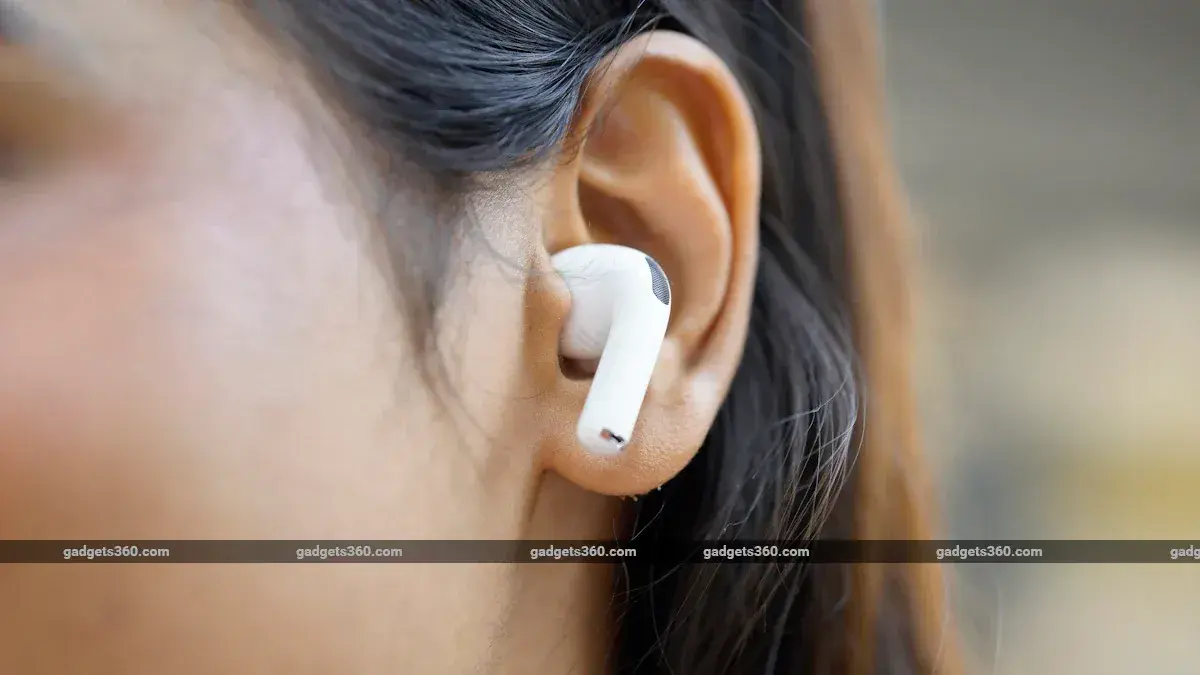
Apple's AirPods with cameras have entered the design validation testing stage, bringing the long-rumored AI-centric hardware closer to reality. According to Bloomberg's Mark Gurman, Apple testers are actively using prototypes that feature a near-final design and capabilities
1
5
. This marks a significant step in the company's AI wearable strategy, as the device moves toward the production validation test stage—the final phase before early mass production begins2
.
Source: Phandroid
The camera-equipped AirPods represent Apple's latest push into AI-focused hardware, positioning the company to compete directly with Meta's successful Ray-Ban smart glasses and potentially OpenAI, which is reportedly developing a phone
1
. Unlike traditional photography devices, these AI-driven earbuds won't snap photos or record videos. Instead, cameras on both the right and left earbuds will capture visual information in low resolution to serve as "the eyes" for Siri5
.The core functionality of these AirPods relies on computer vision technology that Apple calls Visual Intelligence
4
. Users can query Siri about objects in their environment—for example, pointing at ingredients on a table and asking what dishes they could prepare1
2
. This mirrors the experience of uploading visual input to AI services like OpenAI's ChatGPT or Google's Gemini2
.Beyond simple queries, Apple has been developing advanced features including landmark-based navigation for turn-by-turn directions and location-based reminders that trigger when the cameras recognize specific objects
4
5
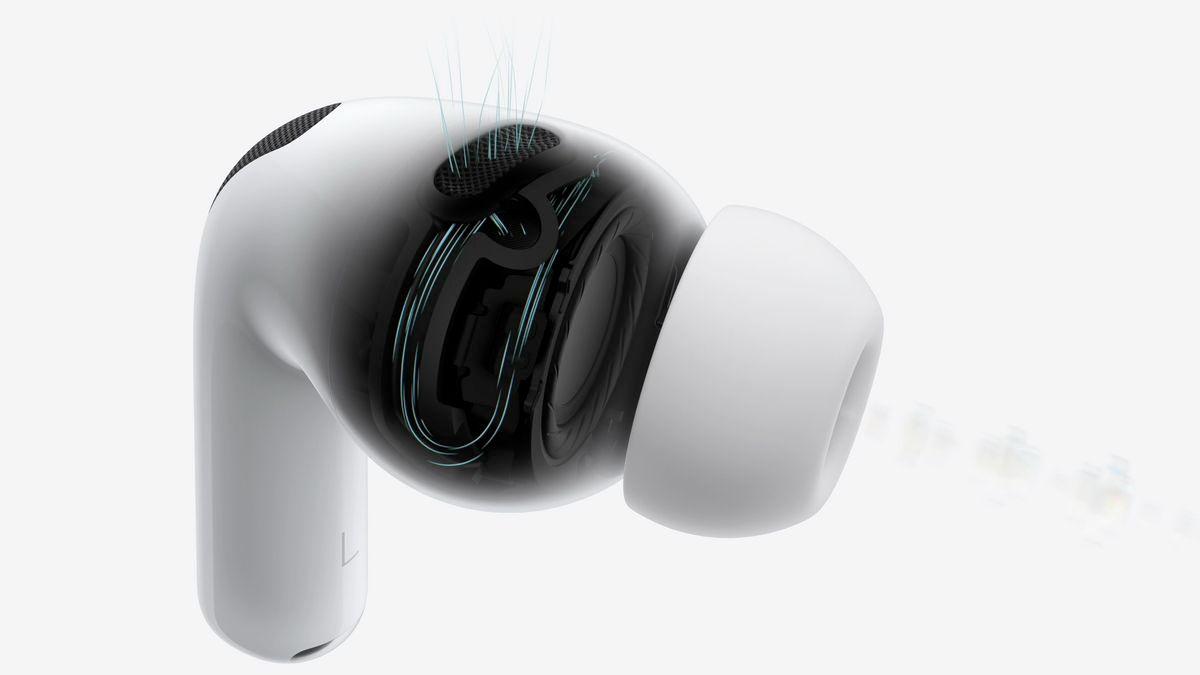
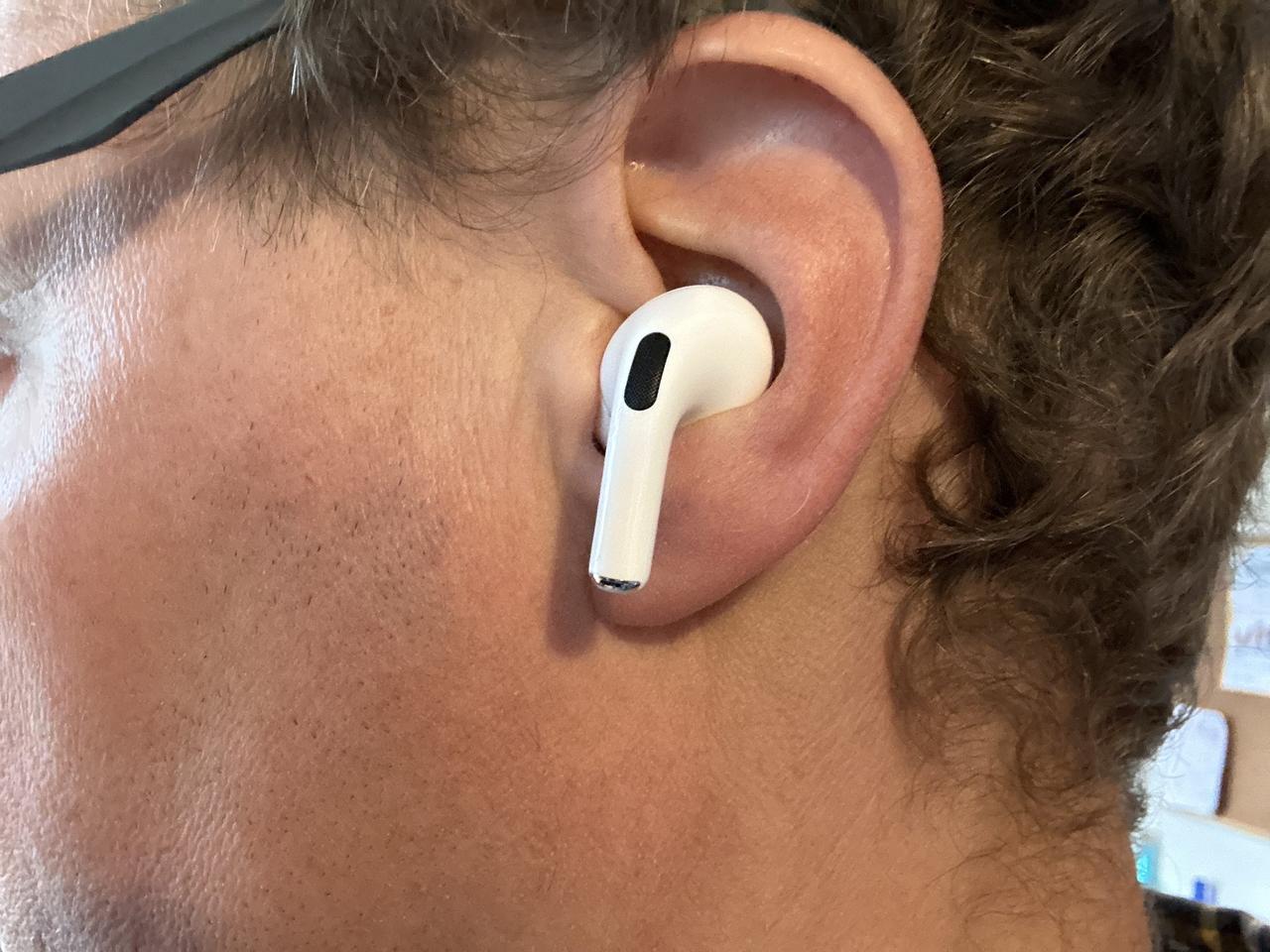
. The devices will resemble AirPods Pro 3 but feature longer stems to accommodate the camera technology1
4
.
Source: Macworld
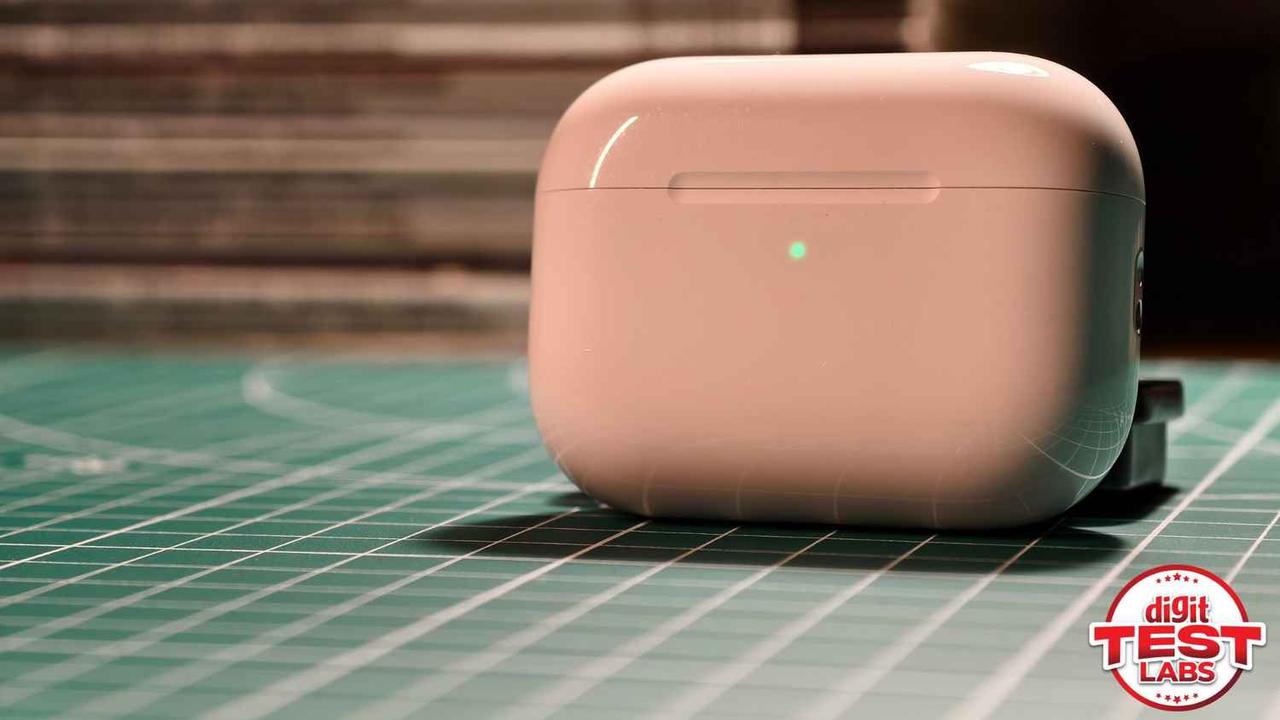
Recognizing potential privacy concerns around a device that continuously monitors surroundings, Apple plans to include a small LED light on the earbuds that activates when visual data is being fed into the cloud
1
5
. This approach mirrors the privacy lights on Meta's Ray-Ban smart glasses, which illuminate during photo or video capture4
.
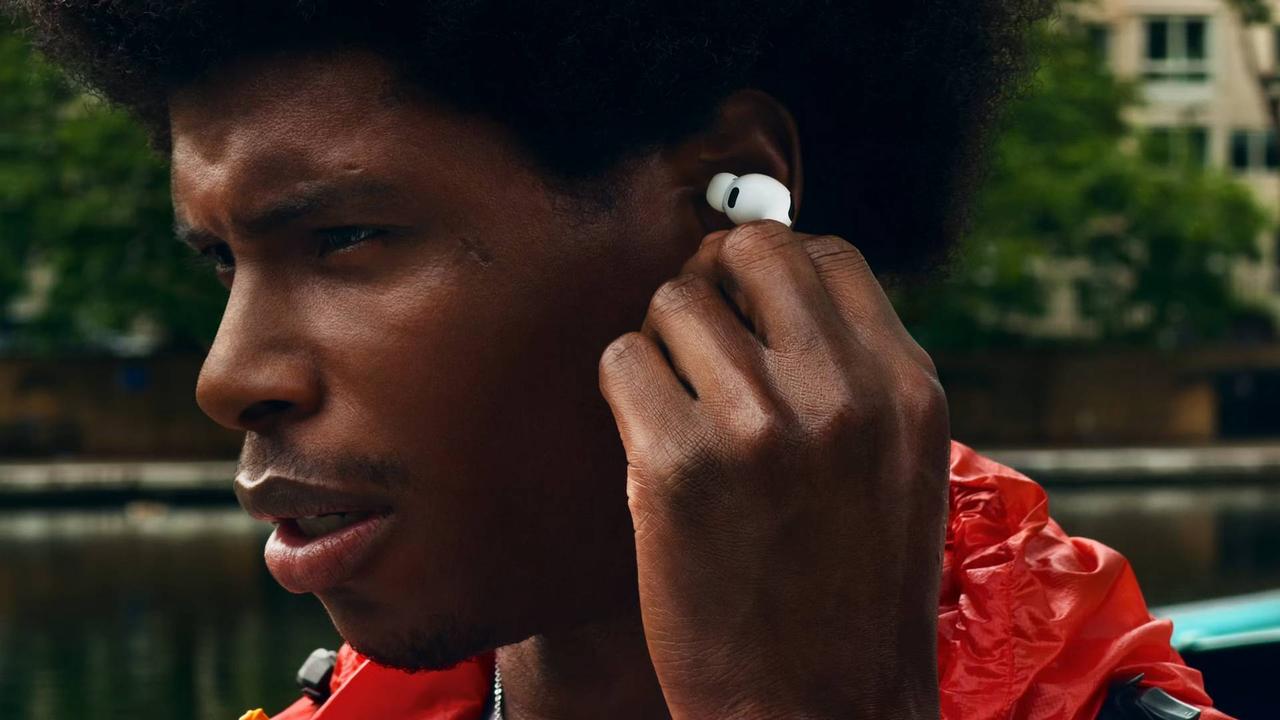
Source: Digit
The deliberate choice to exclude high-resolution photography capabilities distinguishes these AirPods from other wearable cameras and may help address privacy concerns that have plagued similar devices
3
4
. However, some users remain skeptical about adding another surveillance device to their daily lives, even with privacy safeguards in place3
.Related Stories
Apple originally planned to launch the AirPods with cameras as early as the first half of 2026, but delays to the upgraded Siri have postponed the release
1
5
. The AI assistant's shortcomings have been so significant that Apple recently settled a related lawsuit for $250 million2
.To address these challenges, Apple signed a deal with Google to use Gemini models to enhance its AI offerings
2
. After obtaining these models and fixing Siri's underlying architecture, the upgraded Siri AI assistant is now on track for a September release1
2
. The camera-equipped AirPods may launch around the same timeframe, potentially alongside the foldable iPhone and iPhone 18 models3
.The Siri delays have also held up other product launches, including the next Apple TV 4K and HomePod
2
. The AirPods have been in development inside Apple for four years, and the company is reportedly expecting strong demand once they reach market5
.The camera-equipped AirPods represent just one component of Apple's expanding AI wearable strategy. The company is also developing smart glasses and an AI pendant that could launch as early as 2027
1
3
. These AirPods are in more advanced stages of development than either of those products2
, making them likely to be Apple's first AI wearable to reach consumers.Summarized by
Navi
13 Oct 2025•Technology

09 Feb 2026•Technology

10 Mar 2025•Technology

1
Policy and Regulation

2
Policy and Regulation

3
Technology