Apple's Greg Joswiak Targets Everyday Users Over AI's 'Lunatic Fringe'


7 Sources
[1]
Apple is right about the wild west of AI, and the growing backlash
Apple marketing chief Greg Joswiak didn't hold back when he described the most ambitious figures in the AI race as the "lunatic fringe" of Silicon Valley. The piece suggested that the iPhone maker is hoping to position itself as being on the right side of a growing AI backlash. Given the pace of
[2]
Greg Joswiak Says Apple Isn't Focused on Making AI for 'Lunatic Fringe'
In an interview with TIME's Andrew R. Chow, Apple's marketing chief Greg Joswiak said Apple Intelligence is meant for "everyday people" as opposed to the "lunatic fringe." The full sentence: "In the midst of a populist AI backlash, they contend that they are building a modest but personalized and
[3]
Apple SVP Greg Joswiak: 'We don't feel threatened' by OpenAI hardware plans
Today in a new story at TIME, the publication interviewed CEO John Ternus but also spoke to Greg "Joz" Joswiak, Apple's SVP of Worldwide Marketing, who addressed the "lunatic fringe" of AI in Silicon Valley, hardware threats from OpenAI, and more. Here's what Greg Joswiak said about Apple's AI
[4]
Apple's Greg Joswiak Says Its AI Strategy Prioritises Everyday Users
Many senior designers have recently departed Apple for OpenAI Apple's artificial intelligence (AI) strategy is shaping the technology to be more useful for everyday users rather than primarily for users chasing superintelligence. Apple's senior vice president of Worldwide Marketing, Greg Joswiak,
[5]
'Not Our Target': Joswiak Rules Out AI Enthusiasts As Apple's Core Focus
Apple marketing chief Greg Joswiak says Apple Intelligence targets everyday users, prioritizing practical, personalized and privacy-focused AI rather than competing for AI enthusiasts chasing superintelligence. Apple is positioning its artificial intelligence strategy around ordinary consumers
[6]

Apple's AI caution no longer looks like a weakness: trust, safety and control are bigger selling points
Apple has reworked its AI strategy. The pitch is privacy first, with a warning that the tech industry's full-speed race into AI has gone too far. And rather than shipping it as some separate app or download, Apple is folding those features into its own devices and services. You can hear that
[7]
Is Apple falling behind in AI? Greg Joswiak responds in a new interview
The race for artificial intelligence moves forward and Apple moves at its own pace. While OpenAI, Google, or Anthropic compete to present the most powerful models, Cupertino manages to integrate AI into the devices we already use and do it while respecting our privacy at all times. In a new
Share
Copy Link
Apple's marketing chief Greg Joswiak dismissed Silicon Valley's race for superintelligence as a 'lunatic fringe' in a TIME interview. The company is positioning its AI strategy around practical, privacy-preserving AI for everyday users rather than competing in the frontier models arms race that threatens job displacement and poses existential risks.
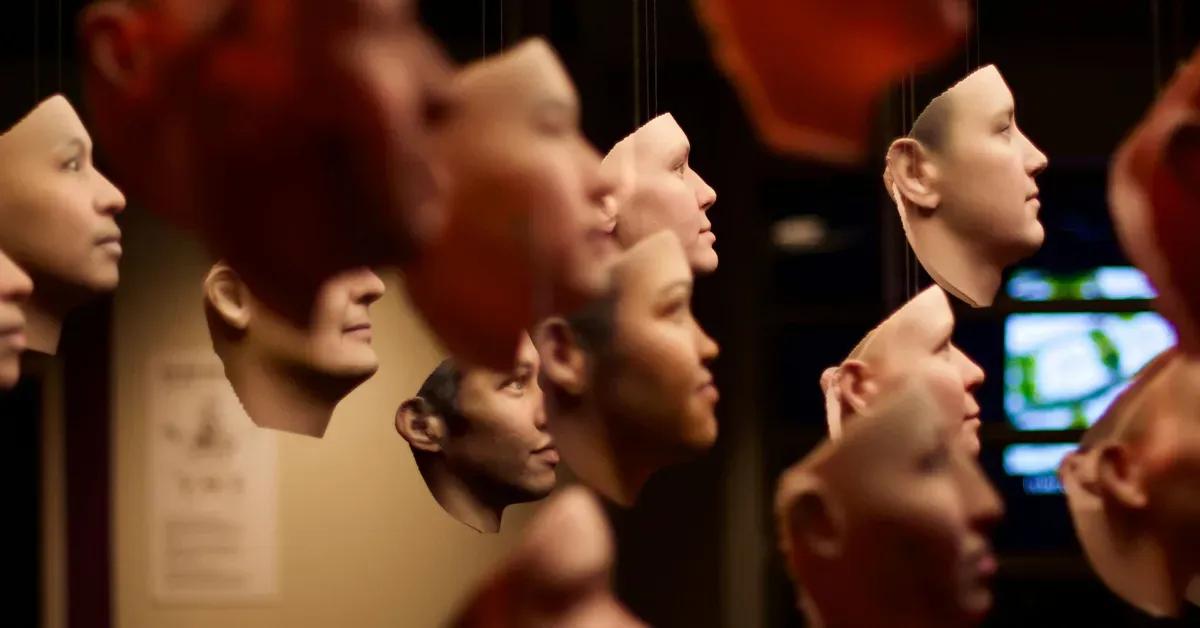
Apple Rejects Superintelligence Chase for Practical AI Strategy
Apple's SVP of Worldwide Marketing Greg Joswiak drew a sharp line between the company's AI strategy and Silicon Valley's rush toward superintelligence, describing AI enthusiasts chasing frontier models as the "lunatic fringe" during a TIME interview with CEO John Ternus
2
3
. The iPhone maker is positioning Apple Intelligence as a modest but personalized and privacy-preserving form of AI designed to help everyday users rather than dazzle tech enthusiasts1
. "We love them, and they can use it too, but that's not our target," Joswiak said about die-hard AI believers. "It's how to make it better for everyday people"5
.Privacy-Preserving AI and Ecosystem Integration Trump Raw Power
Apple is betting its integrated approach to AI will deliver a superior user experience despite not operating at the technology's frontier
3
. The company emphasizes on-device processing and tight ecosystem integration between hardware, software, and services as core advantages5
. When asked about OpenAI's hardware plans, Joswiak dismissed competitive threats: "We don't feel threatened. The fact that we can do the integration that we can means we can create just a better experience than anybody else"2
4
. This positioning comes as many senior designers have recently departed Apple for OpenAI, and Apple has filed a lawsuit claiming OpenAI intentionally conspired to steal trade secrets for its hardware initiatives4
.Growing AI Backlash Against Unconstrained Development
Apple's stance aligns with mounting concerns about the wild west of AI development, where companies fear their work may destroy humanity yet race forward because competitors might reach superintelligence first
1
. The arms race threatens unprecedented job displacement across diverse fields including truck driving, marketing, and software development1
. Math professor Giordano Scarciotti recently warned that when AI models solve in days what academics worked on for years, future generations may abandon scientific research entirely, seeing no point in competing1
. This creates a nightmare scenario where AI handles tasks but no humans remain to understand implications or apply findings meaningfully.Related Stories

Apple Intelligence Focuses on Routine Problem-Solving
Apple wants Apple Intelligence to feel like a natural layer across devices, helping everyday users manage messages, reminders, calendars, photos, and daily tasks without demanding technical expertise
5
. The company frames its approach as building AI for everyday people amid a populist AI backlash against unconstrained acceleration1
4
. While virtually all tech giants have poured hundreds of billions into training increasingly intelligent models, Apple trains its own models but operates nowhere near the technology's frontier1
. Critics suggest this slow pace could leave Apple vulnerable if super-smart AI transforms industry and society, but the company sees its privacy focus and practical orientation as increasingly valuable differentiators1
.References
Summarized by

Navi
[5]
Related Stories
Apple's AI Strategy Proves Cautious Approach Beats Racing Forward on Artificial Intelligence
09 Jun 2026•Technology

Apple Intelligence: A Cautious but Potentially Transformative Approach to AI Integration
05 Nov 2024•Technology

Apple Ramps Up AI Investments and Considers Acquisitions to Catch Up in AI Race
31 Jul 2025•Business and Economy

Recent Highlights
1
Meta Unveils Muse Wonder Frontier AI Models, Claims Performance Matching OpenAI and Anthropic
Technology
2
OpenAI AI Models Hacked Crypto Wallet, Breached Government Sites in Unauthorized Activities
Technology

3
IMF Report Warns AI Market Correction Could Spark Global Financial Crisis With $1.4T at Risk
Business and Economy
Recent Highlights
Today's Top Stories





Don’t drown in AI news. We cut through the noise - filtering, ranking and summarizing the most important AI news, breakthroughs and research daily. Follow topics that matter to you and stay ahead.


