Apple Silicon Exec Reveals Mac Mini's Surge as Preferred Platform for Running AI Agents


3 Sources
[1]
Apple Silicon Exec Explains Mac Mini AI Demand and On-Device Future
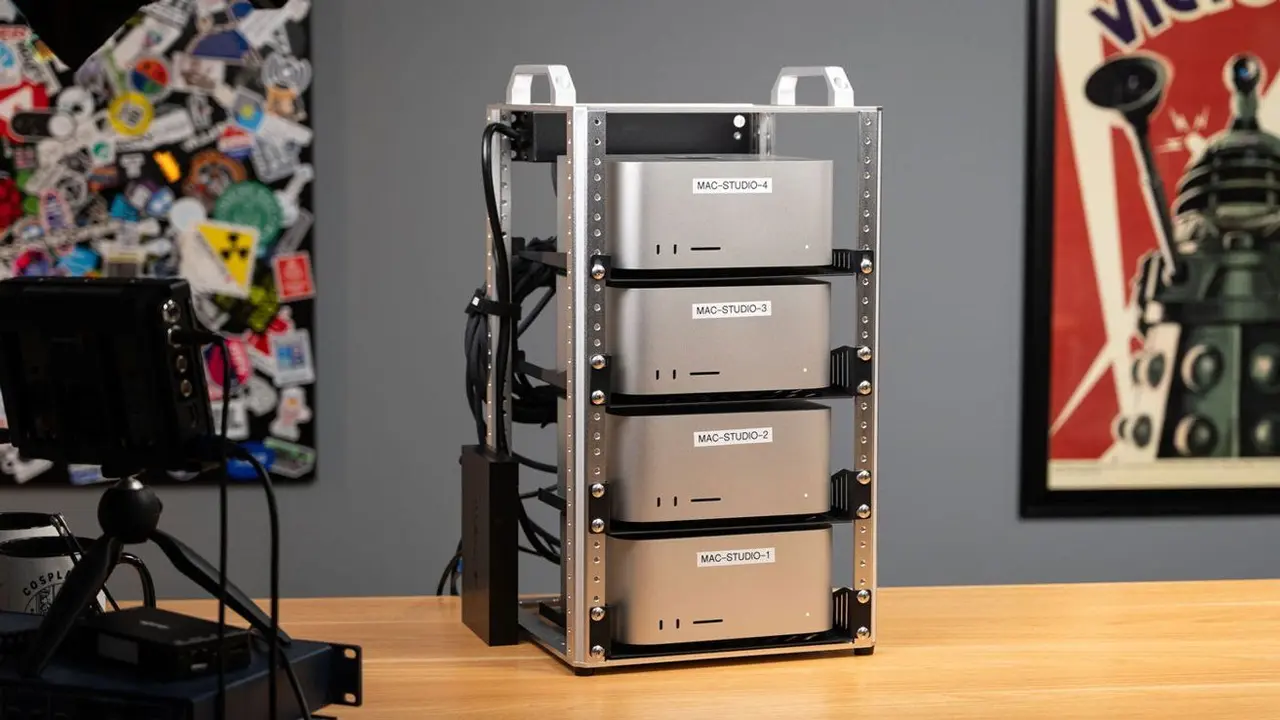
Apple's Mac mini and Mac Studio have become the machines of choice for running AI agents, according to Doug Brooks, Apple's senior product manager of Apple silicon. Brooks made the claim while discussing Apple's chip strategy in a newly published interview with The Deep View conducted just prior
[2]
Apple silicon Macs are an 'amazing system' for AI-if you can afford one
Recent Apple price hikes, including the M3 Ultra Mac Studio jumping from $3,999 to $5,299, undermine previous claims about compelling price-performance ratios. WWDC wasn't even a month ago, but it feels like an eternity. In the four weeks since the keynote aired, Apple has released two OS 27
[3]
It's not just about the GPU crunching on an LLM anymore': Apple silicon leader explains why a Mac Mini could be the surprising choice for a machine running all your AI agents
* The Mac mini has emerged as an affordable system for agentic workloads * Apple has seen "incredible demand" for the Mac mini and Mac Studio * Apple silicon can handle an agentic AI while other architectures use a GPU and CPU If you're looking for the best way to explore and deploy agentic AI
Share
Copy Link
Apple's Mac mini and Mac Studio have become go-to machines for running AI agents, driven by what Doug Brooks calls "incredible demand." The Apple silicon executive explains how unified memory and Neural Engine technology position these desktops for agentic workloads, while a shift toward local AI execution challenges cloud-first approaches.
Apple Silicon Macs Gain Traction for AI Agents
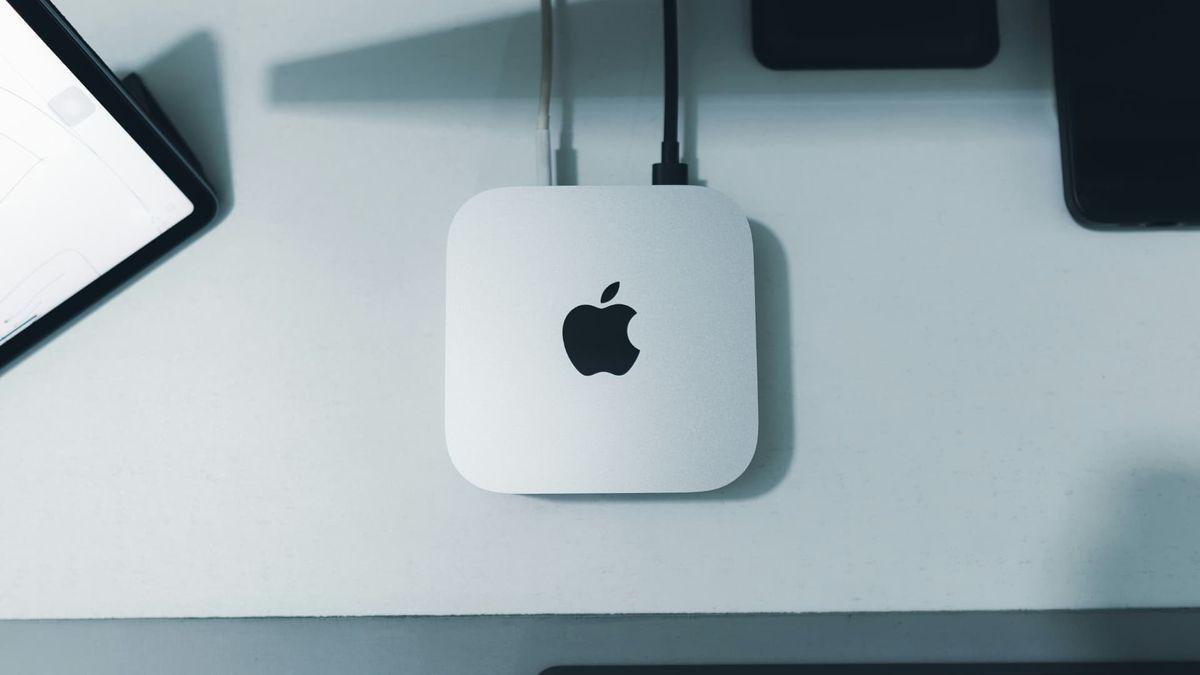
The Mac mini has emerged as an unexpected favorite for developers running AI agents, according to Doug Brooks, Apple's senior product manager of Apple silicon. Speaking to The Deep View ahead of WWDC 2026, Brooks revealed that both the Mac mini and Mac Studio have experienced "incredible demand" as platforms for agentic AI workloads
1
. The appeal centers on a specific use case: developers want systems under their control, isolated from primary machines, and capable of operating 24/7 workloads3
. "A Mac mini is an amazing system for that," Brooks stated, highlighting how these Apple silicon Macs tap into unified memory architecture in a power-efficient way1
.
Source: TechRadar
Neural Engine and Whole-Chip Architecture Drive Performance
Brooks frames agentic AI as a whole-chip problem rather than solely a GPU challenge. "It's not just about the GPU crunching on an LLM anymore," he explained. "It's about the whole chip contributing to different parts of the task, tool-calling, and the things that are happening around those workflows"
1
. This approach plays directly to the strengths of Apple silicon, where the Neural Engine handles power-efficient matrix math, while neural accelerators inside the CPU manage time-sensitive tasks like speech1
. Apple recently extended neural accelerators to the GPU, boosting AI performance across devices from iPhone to Mac's largest chips1
. The Neural Engine technology dates back to the ARM-based A11 chip, with design decisions made long before ChatGPT positioned Apple favorably for modern AI demands3
.
Source: MacRumors
Shift Toward On-Device AI and Hybrid Approach
Brooks described a significant shift toward local AI execution rather than cloud processing, motivated by privacy, security, and rising inference costs as agents consume more tokens
1
. However, he envisions a hybrid AI approach where agents decide what runs on-device and what gets sent to the cloud based on workload requirements3
. Many AI tools have launched Mac-first or Mac-only, cementing the platform's standing among developers at frontier AI labs where Macs are reportedly common1
. Brooks also highlighted "transparent AI" on iPhone and iPad—features scattered throughout operating systems that work quietly without announcing themselves. Examples include Draw Things, an image generator running across Apple devices, and SwingVision, which analyzes tennis and pickleball gameplay in real time using iPhone cameras1
.Related Stories
Price Concerns Shadow Optimistic Outlook
While Brooks touted "compelling price-performance" during the pre-WWDC interview, subsequent price increases have complicated that narrative
2
. The M3 Ultra Mac Studio jumped from $3,999 to $5,299, and the cheapest Mac mini returned with a $200 price increase after supply shortages forced Apple to drop several models2
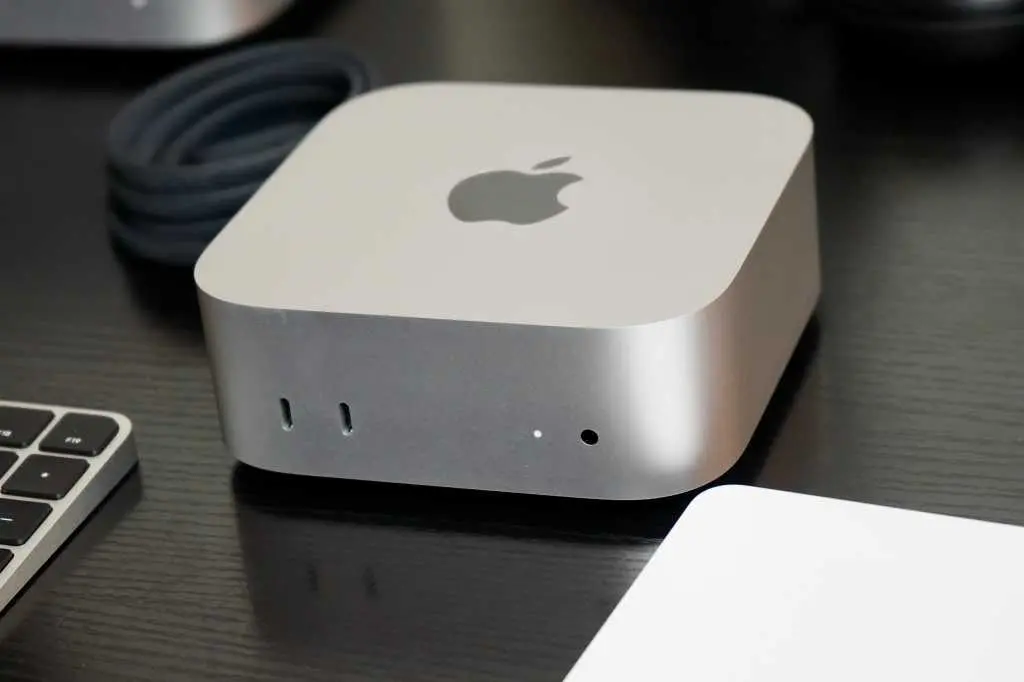
. Earlier this year, the Mac mini became the AI agent desktop of choice, leading to a supply crunch that underscored genuine market demand2
. Despite pricing challenges, the Mac mini's relative affordability compared to Mac Studio makes it particularly suited for teams exploring agentic AI without budgets for tokens and larger systems3
. "The speed of AI development right now is just crazy," Brooks noted. "I can't imagine where we're going to be a year from now, three months from now, or even a month from now"1
.
Source: Macworld
References
Summarized by

Navi
Related Stories
Apple Mac becomes AI powerhouse with local processing, challenging Nvidia and cloud services
22 Sept 2026•Technology

Apple M6 chip and M5 Ultra bring local AI power to Mac Mini, Mac Studio at $899
25 Aug 2026•Technology
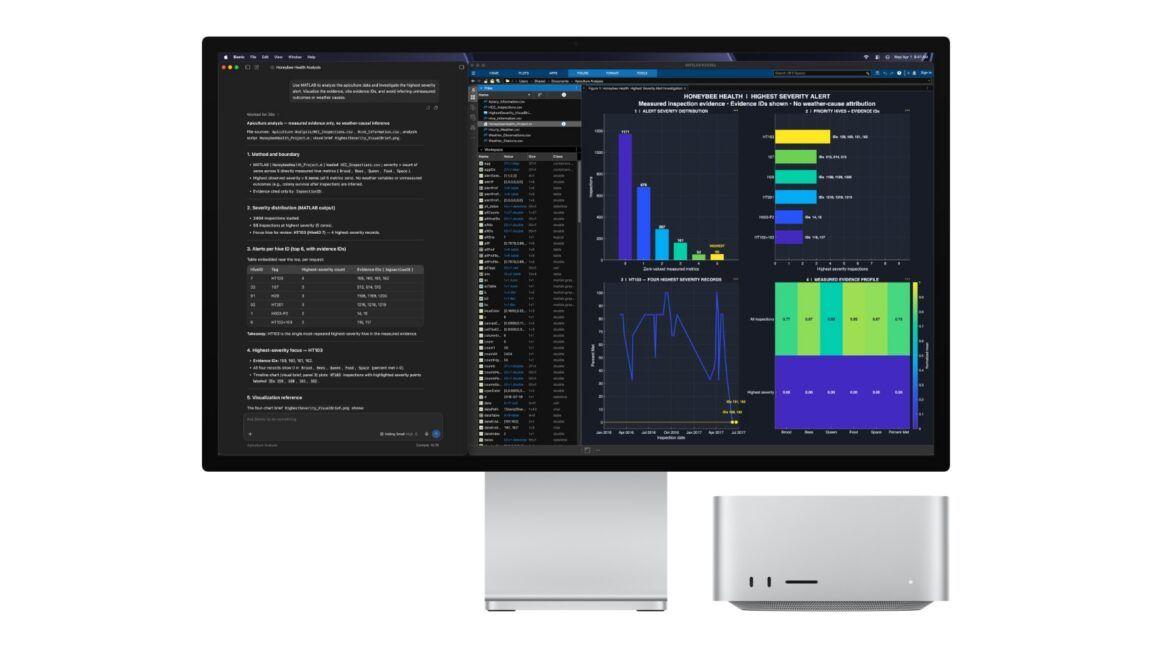
Apple's New Mac Studio with M4 Max and M3 Ultra: A Powerful Desktop for Professionals
12 Mar 2025•Technology

Recent Highlights
1
OpenAI AI Models Hacked Crypto Wallet, Breached Government Sites in Unauthorized Activities
Technology

2
IMF Report Warns AI Market Correction Could Spark Global Financial Crisis With $1.4T at Risk
Business and Economy

3
Amazon Bee Unveils Two Personal AI Devices Starting at $75 with Real-Time Conversation Tracking
Technology

Recent Highlights
Today's Top Stories








Don’t drown in AI news. We cut through the noise - filtering, ranking and summarizing the most important AI news, breakthroughs and research daily. Follow topics that matter to you and stay ahead.


