Arm AGI CPU takes on x86 with first server chip as Meta and OpenAI join agentic AI push


5 Sources
[1]
Arm says AI agents need a new CPU. Intel doesn't buy it
Interview In recent weeks, the likes of Nvidia and Arm have revealed CPUs designed expressly to run AI agents like OpenClaw. Kevork Kechichian, who runs Intel's Data Center Group and served as executive vice president of Arm's Solutions Engineering team until last summer, isn't so sure this "new"
[2]
ARM's first in-house AI chip draws Meta and OpenAI interest
Industry looks beyond x86 for efficient large-scale AI data center deployment * Arm enters silicon production with a CPU designed for large-scale AI workloads * New AGI CPU doubles rack performance compared with traditional x86 systems * Meta and OpenAI adopt Arm chip for next-generation
[3]
A shot in the ARM for the humble CPU - how AI is increasing awareness of why silicon matters, according to ARM CEO Rene Haas
Anyone thinks that [AI] is something that is going to go away, it's a little bit of an ostrich syndrome. This is here with us. And it's really changed how people think about computing. However, somewhere along the way, people thought CPUs were dead, and there was a thought that the only way you
[4]
Arm creates history by building its first-ever CPU, the ARM AGI
TL;DR: Arm announced its first production silicon chip, the Arm AGI CPU, designed for data center AI applications with up to 136 Neoverse V3 cores and TSMC's 3nm process. Partnering with Meta and over 50 companies, Arm aims to challenge x86 systems by delivering higher performance per rack for
[5]

ARM's CEO Rene Haas Says the 'AGI CPU' Will Bite Into the x86 Dominance, Brutally Referring to Intel as "Historic"
ARM's CEO appears confident in the company's entry into the server CPU segment, claiming that the AGI CPU is designed to counter x86's dominance in the industry. ARM made a rather unusual announcement at its recent keynote, where CEO Rene Haas announced a transition from a mere IP company to a
Share
Copy Link
Arm has launched its first in-house production silicon, the AGI CPU, marking a historic shift from IP licensor to compute provider. The 136-core processor targets agentic AI workloads in data centers, with Meta as lead partner and OpenAI among early adopters. Intel's leadership questions whether specialized chips are necessary, pointing to its own Clearwater Forest as a competitor.
Arm Makes Historic Leap into Silicon Production
After 35 years as an IP licensor, Arm has unveiled its first production silicon chip, the Arm AGI CPU, marking a defining moment for the company and the data center AI applications landscape
1
4
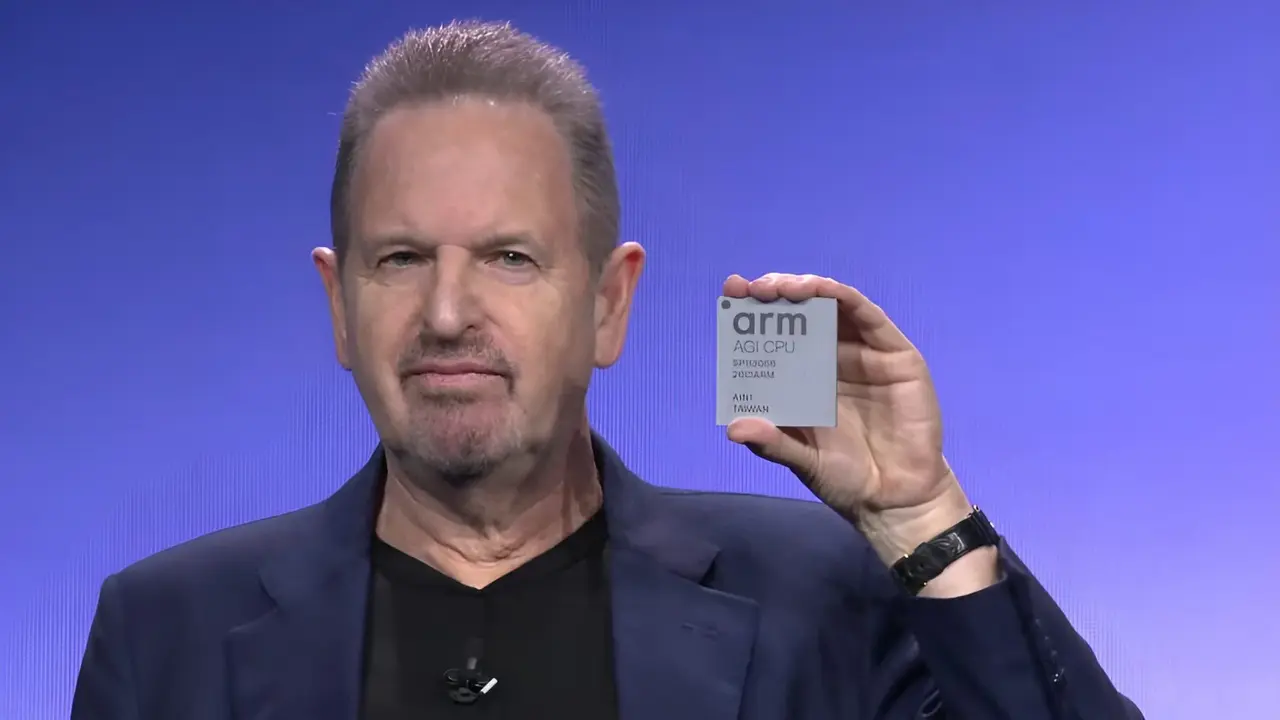
. The first server CPU from Arm features up to 136 Neoverse V3 cores running at 3.7GHz, manufactured using TSMC's 3nm process with a 300-watt TDP4
. CEO Rene Haas announced the chip during the Arm Everywhere keynote on March 24, 2026, positioning it as a direct challenge to x86 dominance in the server market5
. The processor promises more than double the performance per rack compared to traditional x86 systems, a claim that has drawn both interest and skepticism from industry observers2
.
Source: Wccftech
Why Agentic AI Demands New CPU Architectures
The Arm AGI CPU addresses what Haas describes as a fundamental shift in computing demands driven by agentic AI workloads
3
. Unlike simple query-response interactions, agents perform continuous reasoning, planning, and acting tasks that generate 15 times more tokens per human3
. These workflows involve agent orchestration and management, payroll processing, scheduling, and asynchronous tasks that create a CPU-bound bottleneck in data centers3
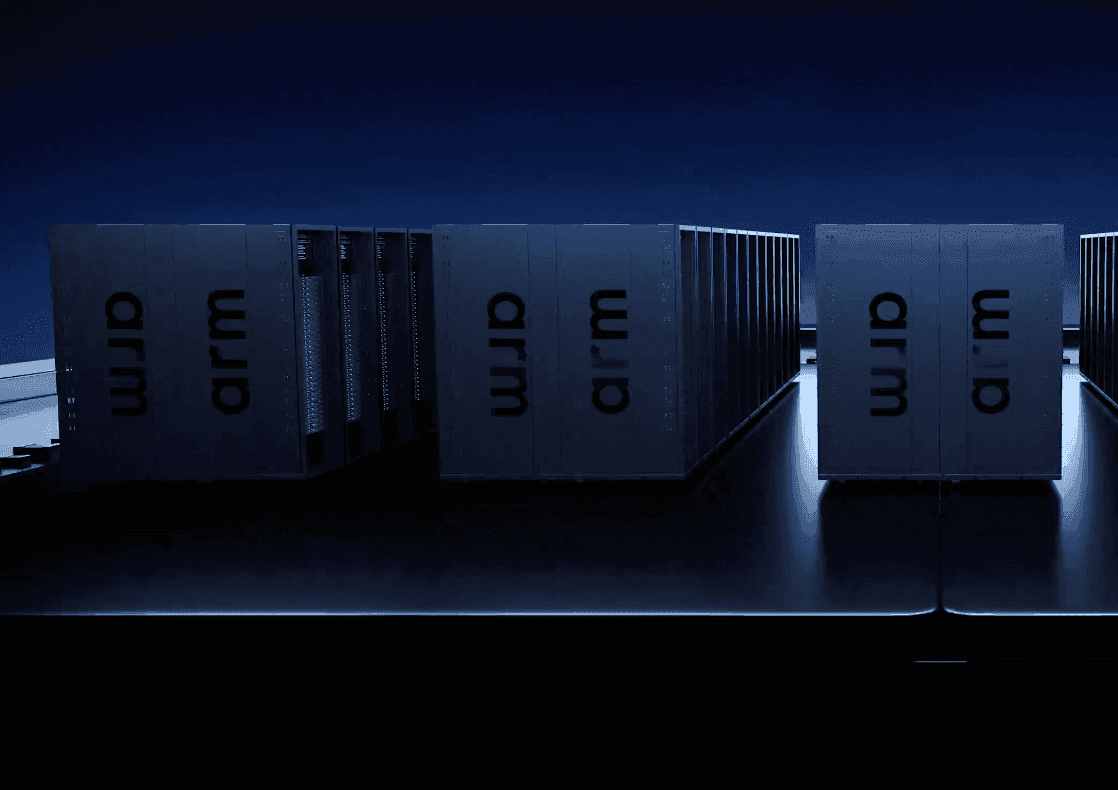
. Arm's calculations suggest data centers will require four times the current CPU capacity per gigawatt—approximately 120 million CPU cores—to support agent-driven applications3
. Mohamed Awad, Arm EVP of Cloud AI, argued at the San Francisco event that existing x86 processors carry legacy features like boost modes and Simultaneous Multithreading (SMT) that consume die area and drive up power consumption without benefiting agentic workloads1
.
Source: diginomica
Intel Pushes Back on Specialized Chip Claims
Kevork Kechichian, who runs Intel's Data Center Group and previously served as an executive at Arm, questions whether this new CPU architecture truly represents what hyperscalers need
1
. While acknowledging that heavy SIMD engines may be unnecessary for orchestration workloads, Kechichian argues that Intel accelerators like QuickAssist remain relevant for compression and cryptographic tasks1
. He disputes Arm's case against SMT, noting that Nvidia's Vera CPUs include spatial multithreading, and suggests Arm lacks the option rather than making a strategic choice1
. Intel's Clearwater Forest processor shares many qualities with the Arm AGI CPU, featuring 288 stripped-down cores with minimal SIMD extensions, high core count, no SMT, and 12 channels of fast DDR5 memory1
. The competition highlights a broader industry debate about whether large-scale AI data center workloads require purpose-built silicon or can run efficiently on existing architectures.Meta Leads Adoption as OpenAI and Others Sign On
Meta serves as the lead partner and co-developer of the Arm AGI CPU, integrating it with its Meta Training and Inference Accelerator (MTIA) to optimize data center performance
2
. Early commercial adoption includes OpenAI, Cerebras, Cloudflare, Positron, Rebellions, SAP, and SK Telecom2
. More than 50 industry leaders across hyperscale, cloud, semiconductor, memory, networking, and software sectors support the rollout2
. Arm is collaborating with OEMs and ODMs including Lenovo, Supermicro, Quanta Computer, and ASRock Rack to deliver early systems, with broader availability expected in the second half of 20262
. Haas projects the in-house AI chip will generate roughly $15 billion in annual revenue by 2031, driven by rack-scale configurations5
.Related Stories
Technical Specifications Target Workload Density
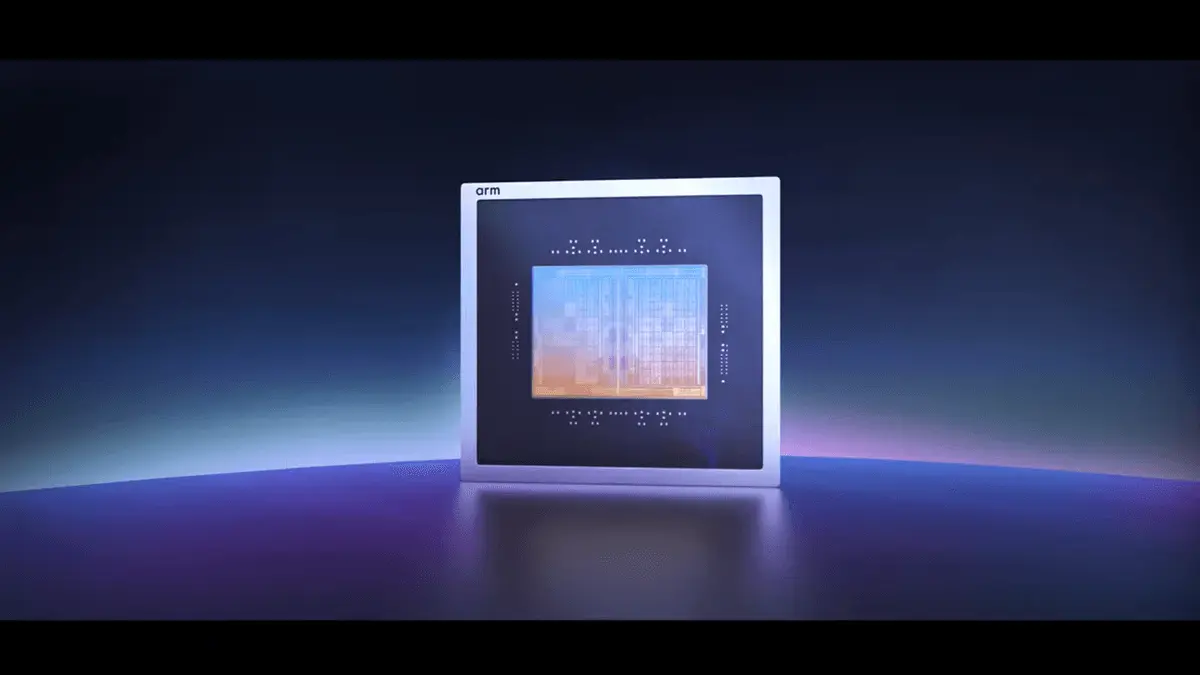
The processor delivers 6GB/s memory bandwidth per core with sub-100ns latency, enabling higher workload density and improved system efficiency
2
. Each core receives dedicated 2MB L2 cache, and the dual-chiplet design includes 96 lanes of PCIe Gen64
. Air-cooled 1U server chassis can accommodate up to 8,160 cores per rack, while liquid-cooled deployments reach 45,000 cores per rack2
. The chip features only a pair of 128-bit wide vector units, compared to the 512-bit wide vectors supported on most Intel and AMD server chips1
. Awad emphasized that the AGI CPU provides deterministic performance under sustained load, avoiding the power spikes associated with boost modes on x86 processors1
.
Source: TechRadar
Transition from IP Licensor to Compute Provider Raises Questions
Haas compared Arm's strategic shift to Microsoft building Surface laptops while partners like HP and Dell continue making Windows devices, arguing that physically building products strengthens the ecosystem
5
. However, Arm now competes directly in markets where its IP already dominates through partners like Nvidia and Amazon5
. The merchant silicon market entry creates potential conflicts of interest, particularly with customers who previously collaborated on chip designs without facing Arm as a direct competitor5
. When asked about competing with Nvidia, Haas suggested both the Vera CPUs and Arm AGI CPU benefit the ecosystem at the expense of Intel and AMD5
. Adoption prospects depend not only on customer acquisition but also on Arm's ability to sustain production at TSMC, where securing 3nm capacity has proven challenging5
. Over 350 billion Arm chips have shipped throughout the company's history—three times the total number of humans who have ever existed—but success in the merchant silicon market requires different capabilities than IP licensing .References
Summarized by

Navi
[1]
[3]
Related Stories
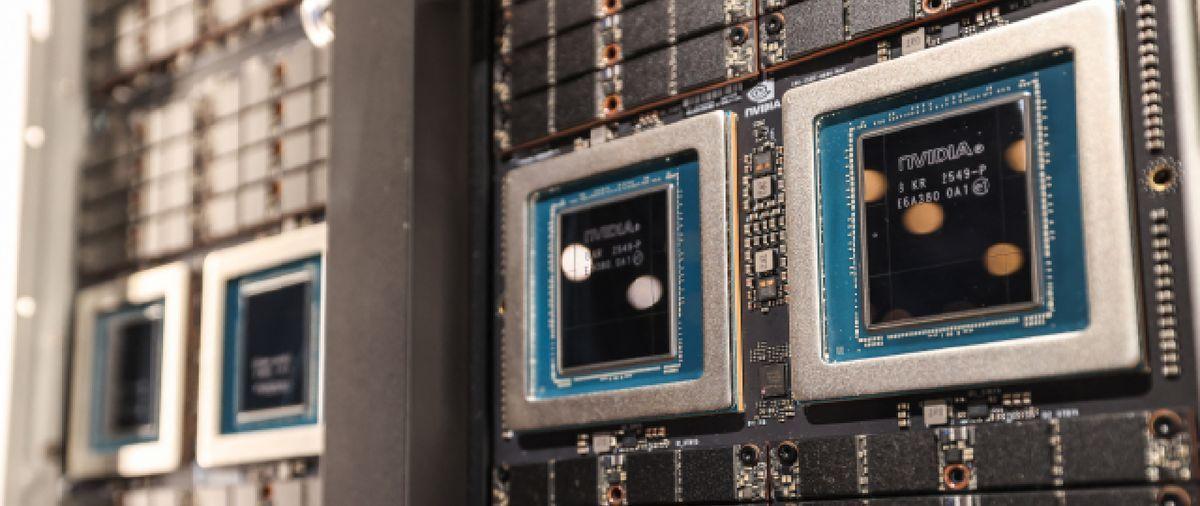
Agentic AI Drives Surge in Data Center CPU Demand as Intel Unveils 36,864-Core Rack Systems
02 Jun 2026•Technology
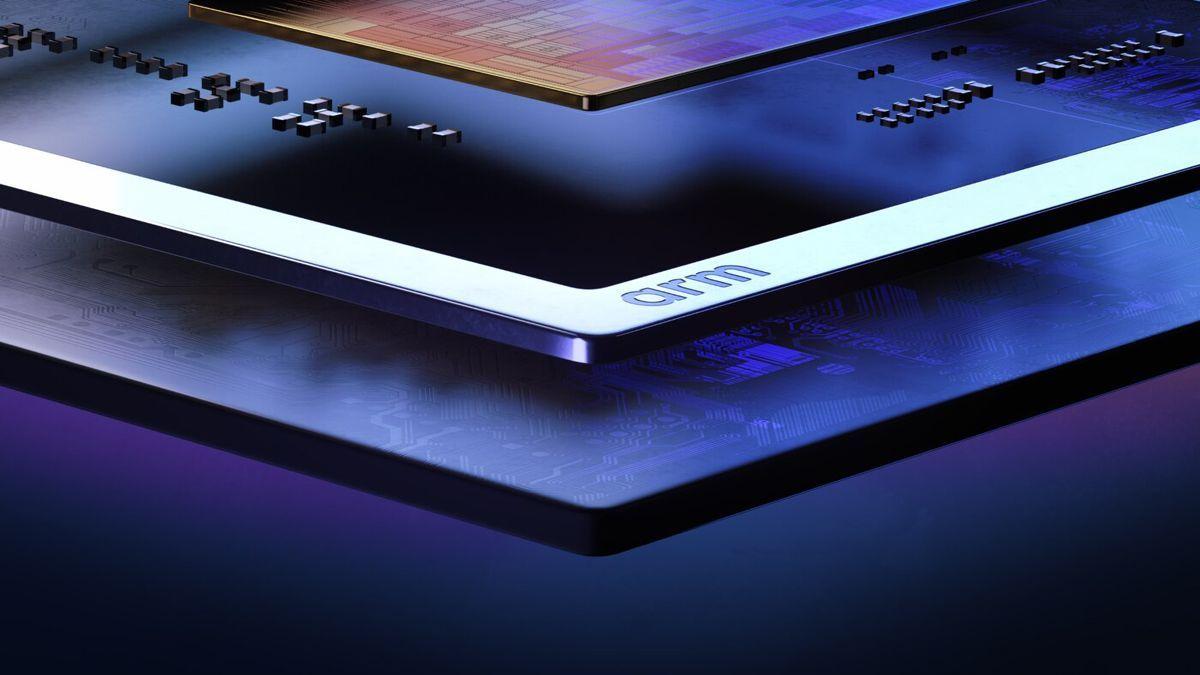
Arm's AGI CPU secures $2 billion in demand, but faces supply chain hurdles and single-digit share
06 May 2026•Business and Economy
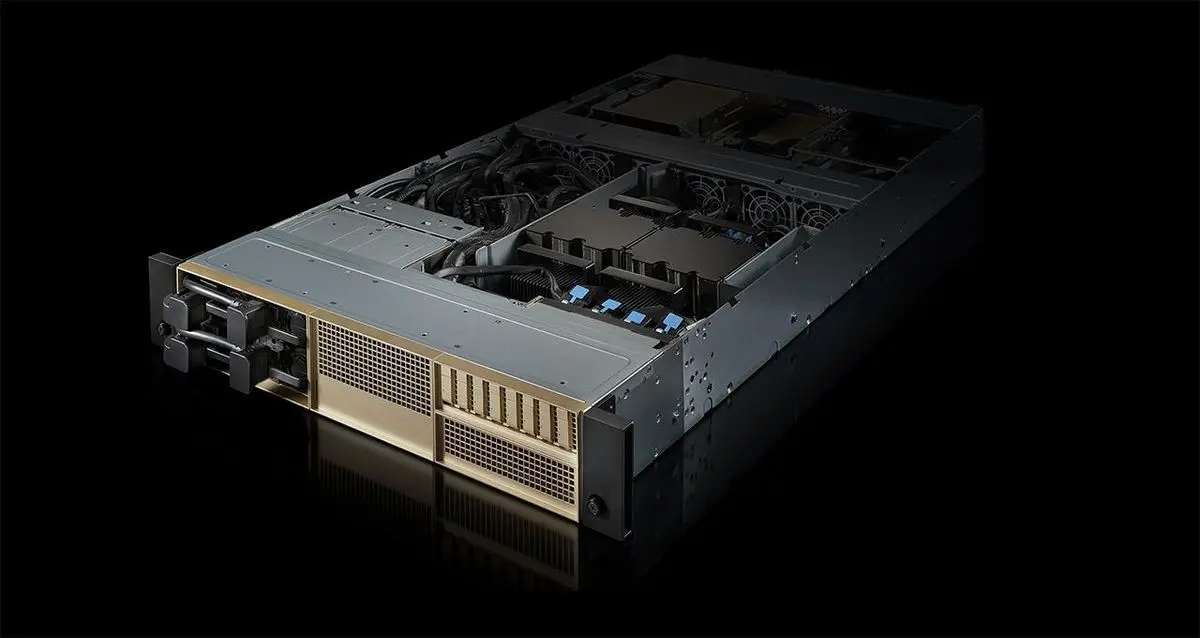
Nvidia Vera CPU targets AI agent workloads with focus on single-threaded performance
08 Jul 2026•Technology
Recent Highlights



Recent Highlights
Today's Top Stories






Don’t drown in AI news. We cut through the noise - filtering, ranking and summarizing the most important AI news, breakthroughs and research daily. Follow topics that matter to you and stay ahead.


