Arm Reports Record Revenue Amid AI Boom, Faces Uncertainty from Potential Tariff Impacts


3 Sources
[1]
Arm says it isn't worried by tariffs, but no FY26 guidance
No direct impact on royalty, licensing biz but device end demand in firing line World War Fee Arm shares took a tumble after it declined to issue guidance for the year ahead in light of the current economic uncertainty, despite the chip designer claiming record revenue for the quarter just
[2]
ARM Says Tariffs Can't Touch Its Business As AI Boom Fuels Record Revenue: 'Can't Run AI Without ARM,' CEO Rene Haas Says - ARM Holdings (NASDAQ:ARM)
ARM Holdings ARM executives reassured investors that the company's business model protects it from direct tariff impacts amid growing U.S.-China trade tensions, according to its fourth quarter of 2025 earnings call. What Happened: "We don't have direct impact on tariffs since tariffs today are
[3]
Arm Holdings Posts Record Q4 Revenues, Q1 Guidance Lower As 'Indirect Tariff Impacts Loom': Analysts Cut Price Targets - ARM Holdings (NASDAQ:ARM)
Arm Holdings PLC ARM shares tanked in early trading on Thursday, after the company on Wednesday reported its fiscal fourth-quarter results. The announcement came amid an exciting earnings season. Here are some key analyst takeaways. KeyBanc Capital Markets On Arm Holdings Analyst John Vinh
Share
Copy Link
Arm Holdings reports record Q4 revenue driven by AI demand but declines to provide full-year guidance due to economic uncertainties, including potential indirect impacts from tariffs.

Record-Breaking Financial Performance
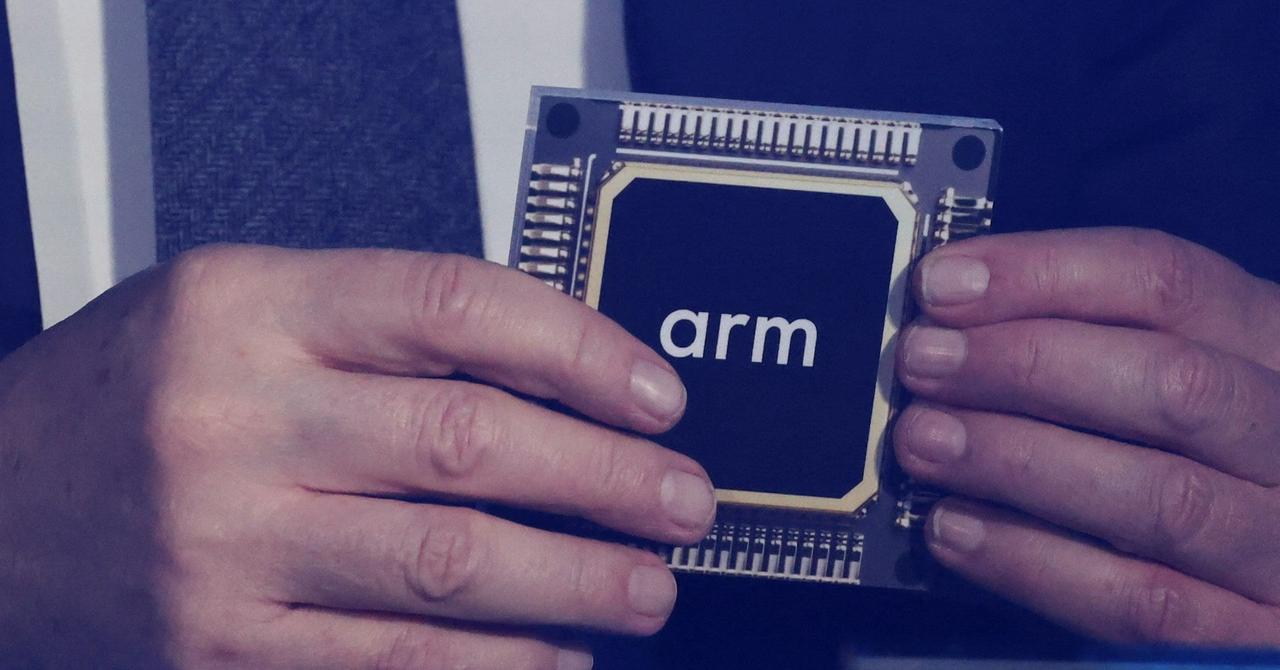
Arm Holdings, the UK-based chip design firm, has reported exceptional financial results for its fiscal year 2025, ending March 31. The company achieved record revenue of $1.24 billion for Q4, contributing to a full-year revenue of over $4 billion for the first time in its history
1
2
. This represents a 24% year-on-year increase, with royalties accounting for $2.17 billion (up 20%) and licensing revenue reaching $1.84 billion (up 29%)1
.AI Boom Fuels Growth
CEO Rene Haas emphasized the pivotal role of AI in driving Arm's success, stating, "AI is changing everything, and you can't run AI without Arm"
2
. The company's technology is increasingly being adopted in data centers, with Haas projecting that "up to 50% of new server chips at hyperscalers to be Arm-based this year"2
. This growth is further bolstered by Arm's presence in Nvidia's latest accelerator products, which now use Arm Grace CPUs in their Blackwell architecture1
.Royalty and Licensing Highlights
Arm's royalty business demonstrated robust growth across various sectors, including datacenter, automotive, smartphones, and IoT. Notably, smartphone royalties increased by 30% year-on-year, significantly outpacing the 2% growth in phone shipments
1
. The licensing segment also saw substantial gains, with a 50% year-over-year increase to $634 million in Q4, driven by new deals such as a multi-year AI partnership with the Malaysian government1
2
.Tariff Concerns and Economic Uncertainty
Despite the strong performance, Arm has declined to provide full-year guidance for fiscal year 2026 due to economic uncertainties, particularly potential indirect impacts from tariffs
1
2
3
. CFO Jason Child explained that while Arm doesn't expect direct impacts from tariffs, as they primarily apply to end products rather than services, there could be indirect effects on end demand for products using Arm technology1
.Projected Impact and Mitigation Strategies
Arm estimates that 10-20% of its royalty revenue stems from shipments into the U.S., creating some exposure to demand fluctuations
2
. Child suggested that a 10% or 20% impact on demand could translate to "a couple percent impact on royalties probably at most"1
2
. Despite these concerns, Arm plans to continue aggressive R&D investments to support customers and partners, aiming to "press our advantages to ensure AI is everywhere and runs on Arm"1
.Related Stories


Future Outlook and Analyst Perspectives
For Q1 of fiscal year 2026, Arm forecasts revenue between $1 billion to $1.1 billion, representing a 12% year-over-year growth
2
3
. Analysts have maintained generally positive outlooks on Arm's prospects, with several reiterating Buy ratings despite lowering price targets due to near-term uncertainties3
. The company's focus on AI, data center growth, and continued penetration of its v9 CPU architecture are seen as key drivers for future success3
.Market Reaction and Investor Sentiment
Following the earnings announcement, Arm's stock experienced significant volatility. Shares initially tumbled in after-hours trading, dropping by as much as 11.63%
2
3
. This reaction reflects investor concerns about the lack of full-year guidance and potential headwinds from global trade tensions, despite the company's strong historical performance and optimistic outlook on AI-driven growth.References
Summarized by

Navi
[1]
Related Stories
Recent Highlights



Recent Highlights
Today's Top Stories



Don’t drown in AI news. We cut through the noise - filtering, ranking and summarizing the most important AI news, breakthroughs and research daily. Follow topics that matter to you and stay ahead.


