Memory shortage drives PC and smartphone price increases up to 20% as AI demand reshapes markets


13 Sources
[1]
Why you'll pay more for phones and computers in 2026
Expect to pay more for PCs and smartphones this year.Memory chips are seeing shortages and cost increases.Apple and Samsung aren't likely to be affected. Are you looking to buy a new computer or smartphone this year? Well, you may have to shell out more money to snag that new device. Also: CES
[2]
Asus confirms AI-driven price increases amid supply chain strain
Serving tech enthusiasts for over 25 years. TechSpot means tech analysis and advice you can trust. A hot potato: A few weeks ago, Asus forecast a change in its pricing schemes to reflect the current AI-driven market hysteria. The increase is now official, although the Taiwanese corporation isn't
[3]
Samsung warns your next phone and laptop will cost more
DRAM and storage power everything from phones to fridges, but AI servers are buying it in bulk, leaving less for consumer devices. Samsung just issued a warning that's hard to miss. The huge demand for memory chips -- driven by AI data center buildouts -- is squeezing supplies so tightly that
[4]
Samsung CEO Says What We Already Know About the Memory Shortage
For anyone who’s been paying attention over the past few months, it’s no surprise that the AI-driven memory chip shortage is pushing up prices on consumer electronics, and that those increases aren’t slowing down anytime soon. Now, months after most consumers had already come to terms with
[5]

Computer prices could go up by 20% due to RAM shortage, PC makers warn
Analyst firm IDC says that major PC makers are actually telling customers that prices will increase. The DIY market will take the largest hit from the shortages and price increases in the DRAM and SSD market, a leading analyst firm predicts. But there will be no escape for those buying a prebuilt
[6]
Analysts warn AI demand could push consumer tech prices up 20%
Serving tech enthusiasts for over 25 years. TechSpot means tech analysis and advice you can trust. Recap: The surge in artificial intelligence development is straining global chip supply chains and setting the stage for a wave of consumer price increases spanning smartphones, laptops, and
[7]

The 'RAM Rationing' of 2026 could lead to some awkward moments of irony for the likes of Google and Apple -- here's why
In case you missed it, there's a computing crisis going on right now. As the world continues to push more funds to AI infrastructure, the price of RAM is not just going up - it's exploding. The RAM price crisis for consumers is likely to hit just about anyone, whether you're a work-from-home
[8]

Why Samsung Says Memory Shortages Will Make Every Gadget Pricier
Samsung increased memory chip prices by 60 percent in November Samsung delivered some grim news amid the ongoing festivities at the Consumer Electronics Show (CES) 2026 in Las Vegas. On the second day of the event, a company executive reportedly said that the ongoing memory chip shortage is
[9]

ASUS Announces Price Hikes for "Certain" Product Combinations, Starting 5th January 2026
Now, ASUS has announced price hikes for some of its products, and you can already guess the reason. We saw it coming since a few manufacturers have already announced price hikes for their products. ASUS, being one of the major vendors that sell a variety of products have also officially announced
[10]
Here's Why Asus PCs Could Become Costlier in 2026
RAM manufacturers have reportedly redirected memory sticks to AI firms Asus is set to increase the prices of its select PC lineups next week, as the PC industry struggles to contain manufacturing costs, according to a report. After the smartphone industry, various PC brands also appear to have
[11]

Why Your Next Phone or Laptop Will Cost 20% More as AI Swallows Global Memory Supply
As AI Firms Lock Up Global Memory Supply Until 2027, Will Rising RAM and SSD Shortages Force Consumers to Pay Significantly More for Smartphones and PCs Soon? Artificial intelligence's fast-paced growth is beginning to disrupt the consumer electronics market. Smartphones and personal computers are
[12]

Samsung co-CEO hints at price increases as chip shortage hits consumer tech
He explained that the shortage affects not only mobile phones, but also TVs and home appliances. Samsung Electronics co-CEO TM Roh has warned that higher prices for smartphones, televisions and other consumer devices may be unavoidable, as the global shortage of memory chips continues to affect
[13]
How memory supply shortage is making your next phone or PC expensive
If you've noticed that your next smartphone, laptop, or PC upgrade suddenly costs noticeably more than it did a year ago, you're seeing the effects of the 2026 memory supply shortage play out in real time. This isn't a repeat of the pandemic-era chip crunch, where factories shut down and logistics
Share
Copy Link
Major PC and smartphone manufacturers are warning of significant price increases in 2026 due to an AI-driven memory chip shortage. Companies like Dell, Lenovo, HP, Asus, and Samsung confirm that rising costs of DRAM and NAND chips will push device prices up by 15-20%, as AI data centers consume the bulk of global memory production.
Major Manufacturers Confirm Price Increases Amid Memory Shortage
The consumer electronics industry faces a significant shift as demand from AI data centers creates an unprecedented memory shortage. According to a December report from IDC, DRAM and NAND chips used in PCs, smartphones, and other devices are experiencing severe shortages, forcing manufacturers to implement substantial consumer electronics price increases
1
. Major vendors including Lenovo, Dell, HP, Acer, and Asus have warned clients of 15-20% price hikes as an industry-wide response to the crisis5
.
Source: Digit
Asus recently confirmed the price increases through an internal letter sent to partners, stating the changes are essential for facing challenges in this new era of AI-driven computing
2
. The Taiwanese manufacturer cited structural volatility in the global supply chain strain and strong demand for PC and IT infrastructure products, particularly DRAM and SSDs, as primary factors driving the increased cost of computer components2
.AI Hyperscalers Demand Reshapes Silicon Wafer Capacity
The shortage of memory chips stems from AI hyperscalers demand, as companies like Microsoft, Google, Meta, and Amazon aggressively expand their AI data centers. These systems require substantially larger amounts of memory than conventional consumer devices. Tom's Hardware reported that massive data center projects like OpenAI's Stargate are calling for hundreds of thousands more DRAM wafers per month, amounting to roughly 40% of global DRAM output
4
. In October, OpenAI entered agreements with Samsung and SK Hynix to scale production of advanced memory chips, targeting approximately 900,000 new DRAM wafer starts per month4
.IDC characterizes this as a "potentially permanent, strategic reallocation of the world's silicon wafer capacity," noting that the top three memory makers—Samsung Electronics, SK Hynix, and Micron Technology—are shifting limited resources toward higher-margin enterprise components
1
. Samsung raised its own memory contract prices by up to 60% late last year amid the crunch, with industry analysts forecasting continued steep increases throughout 20263
.Component Shortages Hit Smartphones and AI PCs Hardest
The AI-driven memory chip shortage affects smartphones significantly, particularly Android devices. Memory can represent 15-20% of the total bill of materials for mid-range devices and 10-15% for high-end flagship phones
1
. At CES 2026 in Las Vegas, Samsung's global marketing head Wonjin Lee acknowledged that the company is considering "repricing" products to reflect new market economics3
. Samsung co-CEO TM Roh told Reuters that the situation is "unprecedented" and "no company is immune to its impact," noting potential effects on smartphones, TVs, and home appliances4
.
Source: Analytics Insight
Apple and Samsung maintain some protection due to ample cash reserves and long-term supplier agreements, allowing them to secure memory supplies one to two years in advance
1
. However, flagship devices from both manufacturers likely won't see RAM increases in 2026, with iPhone Pro models and Samsung's high-end Galaxy devices expected to maintain 12GB rather than jumping to 16GB1
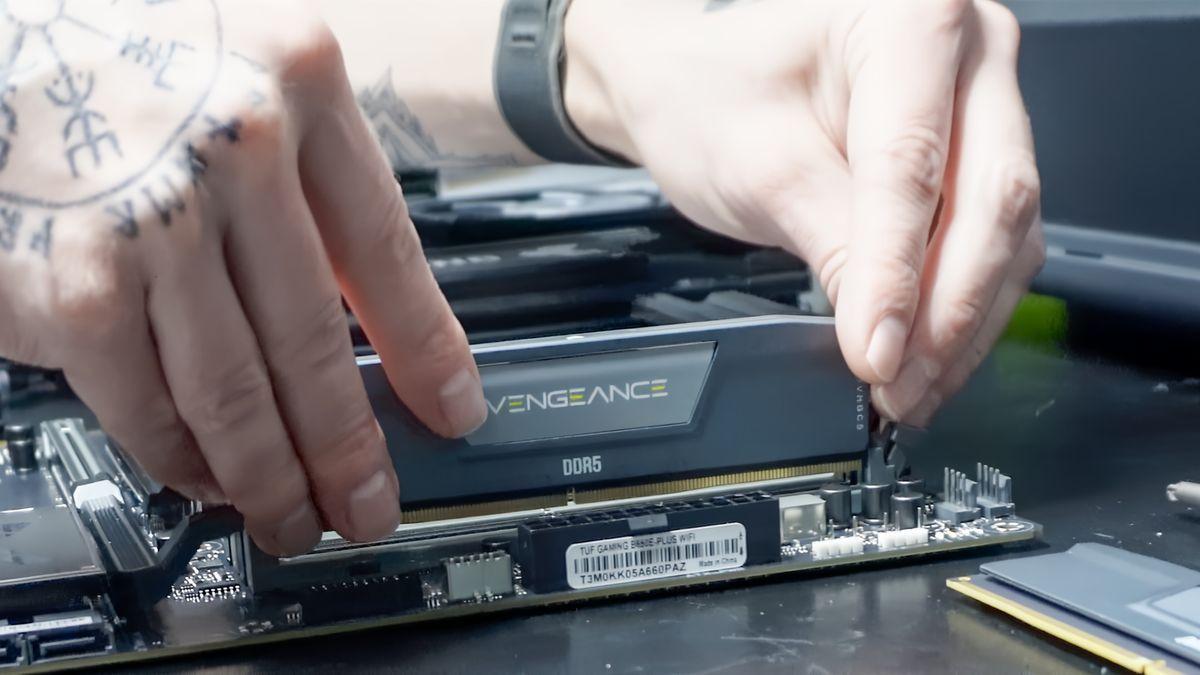
.The rising costs of DRAM and NAND create particular pressure for AI PCs, which require substantial memory allocation. Intel-based AI PCs typically allocate half of available DRAM to VRAM, where AI applications currently run. Copilot+ PCs require at least 16GB of DRAM, with many higher-end systems shifting toward 32GB or higher
5
. Supply constraints arrive precisely when the industry needs to add more RAM, resulting in higher prices, lower margins, or reduced memory in new systems5
.
Source: Tom's Guide
Related Stories
Market Impact and Future Outlook
IDC expects average PC selling prices to rise by 4-6% in a moderate scenario and 6-8% in a more pessimistic outlook
1
. Larger OEMs with higher existing inventory and greater leverage with suppliers will be better positioned, while smaller boutique vendors and DIY companies face the greatest burden5
. This represents an opportunity for large OEMs to gain market share from smaller assemblers in the gaming space by positioning pre-built systems as offering higher value5
.Market research firm IDC estimates the global smartphone market could shrink by 5% in 2026, while the PC market could contract by 9%, largely due to rising prices
4
. At worst, the PC market could drop 8.9% depending on supply constraints5
. With more memory supply not expected until at least 2027, consumers should prepare for sustained price increases across electronics3
. Industry observers note that if AI technology persists, corporations will need to increase chip manufacturing capacity, but if the AI bubble bursts, existing capacity should stabilize market conditions2
.References
Summarized by

Navi
[3]
Related Stories
AI Demand Triggers Memory Chip Shortage, Threatening Higher Prices for Smartphones and Electronics
18 Nov 2025•Business and Economy
Memory shortage driven by AI demand could keep prices high until 2027 or beyond
19 Apr 2026•Business and Economy
Memory shortage to persist beyond 2026 as AI demand reshapes chip industry and drives prices up
16 Jan 2026•Business and Economy

Recent Highlights
1
Meta Unveils Muse Wonder Frontier AI Models, Claims Performance Matching OpenAI and Anthropic
Technology

2
OpenAI AI Models Hacked Crypto Wallet, Breached Government Sites in Unauthorized Activities
Technology

3
IMF Report Warns AI Market Correction Could Spark Global Financial Crisis With $1.4T at Risk
Business and Economy

Recent Highlights
Today's Top Stories







Don’t drown in AI news. We cut through the noise - filtering, ranking and summarizing the most important AI news, breakthroughs and research daily. Follow topics that matter to you and stay ahead.


