Memory shortage driven by AI demand could keep prices high until 2027 or beyond


8 Sources
[1]
Report: Samsung execs worried company could lose money on smartphones for the first time
Selling smartphones used to be easy -- everyone wanted one, and every new phone was a lot better than the one that came before. Things are different now that smartphones are mature products. Plenty of manufacturers have thrown in the towel, leaving big players like Samsung to sell a new phone every
[2]
The RAM demand won't resolve in 2026, and 2027 doesn't look great either, claims report
* RAM and storage prices are skyrocketing; don't expect relief anytime soon. * Nikkei reports RAM shortage may not clear until 2027 or later. * Samsung's Pyeongtaek lines won't ease supply until 2027-2028; AI demand keeps pressure. Things look pretty dire in the world of PC hardware. RAM and
[3]
Chipmakers on track to meet only 60% of AI memory demand by 2027
Serving tech enthusiasts for over 25 years. TechSpot means tech analysis and advice you can trust. AI Economy: Big Tech players and hyperscalers are buying up virtually every memory chip they can secure, and even that isn't enough to satisfy demand driven by AI. The conversation has shifted from
[4]
AI's chip hunger could keep memory prices painfully high for years
Memory shortages may haunt your next phone, laptop, and GPU for years While recent reports claimed that memory prices may not fall till 2027, it seems like the memory chip crunch isn't a short-term headache. And that's bad news for anyone hoping phone, laptop, and GPU prices will get cheaper again
[5]

Global memory shortage expected to get worse before it gets better
TL;DR: DRAM manufacturers are projected to fulfill only 60% of the global demand by the end of 2027, indicating a continuing shortage in the DRAM market. The global memory crisis doesn't appear to be easing anytime soon, with new reports suggesting DRAM shortages could stretch well into the end of
[6]

AI-Driven Global Memory Shortage Might Not End Until 2030
Samsung, SK Hynix are reportedly also building new HBM fabrication plants The ongoing global memory shortage has shaken up the consumer tech market, with the rising component costs driving up the selling prices of devices such as smartphones, laptops, gaming consoles, and more. A new report now
[7]

Samsung's Memory Division Cares More About AI Than Its Smartphone Business, As Executive Warns Of A Deficit Due To Rising Costs
The AI industry has grown exponentially, but at the cost of gobbling up nearly all of the DRAM supply, leaving next to nothing for a multitude of manufacturers hailing from other businesses. Memory makers are also struggling to keep up with demand and may only meet 60 percent of the entire supply
[8]
Memory Makers Will Only Meet 60% of DRAM Demand Through 2027, Locking In Years of Shortages and Price Pain
Memory shortages are expected to last several years, with no sign of stabilization anytime soon, as DRAM makers fail to meet demand. Memory supply constraints continue to grip the industry as the rise of Agentic AI has led to severe shortages. The demand is so massive that it will take years
Share
Copy Link
The global memory shortage shows no signs of easing, with manufacturers expected to meet only 60% of demand by 2027. AI's appetite for high-bandwidth memory is pushing DRAM and NAND prices to record highs, forcing Samsung to consider its first-ever smartphone loss while consumers face steeper prices for phones, laptops, and other devices.
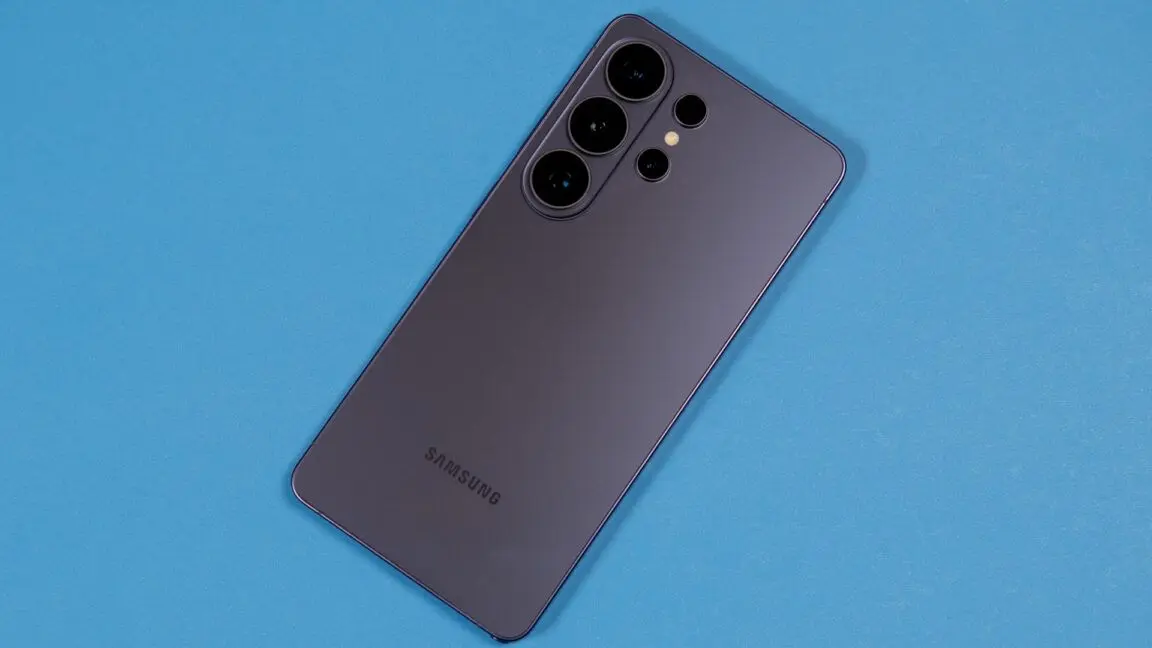
Memory Shortage Threatens to Reshape Consumer Electronics Market
The global memory shortage has evolved from a temporary supply chain hiccup into a structural crisis that could fundamentally alter the economics of consumer electronics for years to come. According to
Nikkei Asia
, DRAM manufacturers are projected to fulfill only 60% of global demand by the end of 2027, despite aggressive expansion plans from industry leadersSamsung
,SK Hynix
, andMicron
. This shortfall stems directly from surging AI industry demand for memory components, particularly high-bandwidth memory (HBM) critical to AI accelerators and data center operations.AI Demand Drives Unprecedented Component Costs
The skyrocketing component costs have upended traditional smartphone economics in dramatic fashion. MX division head TM Roh has warned company leadership about the possibility of the first net loss on smartphones in the company's history. The AI era has roughly doubled memory prices, with
Counterpoint Research
reporting that RAM will account for more than a third of the cost of building a budget phone in mid-2026. Even premium devices see memory representing over 20% of total component costs. This represents a fundamental shift from previous years when application processors and displays dominated the bill of materials.The numbers illustrate the scale of AI's appetite: Nvidia's Vera AI CPU, replacing Grace later in 2026, will feature up to 1.5 TB of LPDDR5x memory. A single rack-scale AI platform with 36 Vera CPUs will consume enough RAM for 4,600 Galaxy S26 Ultra devices at 12GB each
1
.Fabrication Plants Won't Deliver Relief Until 2028
Samsung
plans to bring its fourth fabrication plant at the Pyeongtaek campus online in 2026, but full-scale mass production won't begin until 2027 or later. The facility will also produce logic chips for computing, limiting capacity to increase memory output. A fifth production line dedicated to AI-focused RAM won't arrive until 2028 or later2
. Industry analysts estimate wafer production needs to grow by approximately 12% annually through 2027 to meet demand, but current projections hover closer to 7.5%5
.SK Hynix
recently opened a new facility in Cheongju, but broader capacity expansions across foundries won't materialize until 2027 or 2028. SK Group chairman Chey Tae-won projects the chip wafer shortage will persist until 2030, with shortages remaining above 20% as AI systems continue burning through massive quantities of HBM4
. With SK Hynix controlling 57% of the HBM market and 32% of global DRAM market share, these warnings carry significant weight.Related Stories
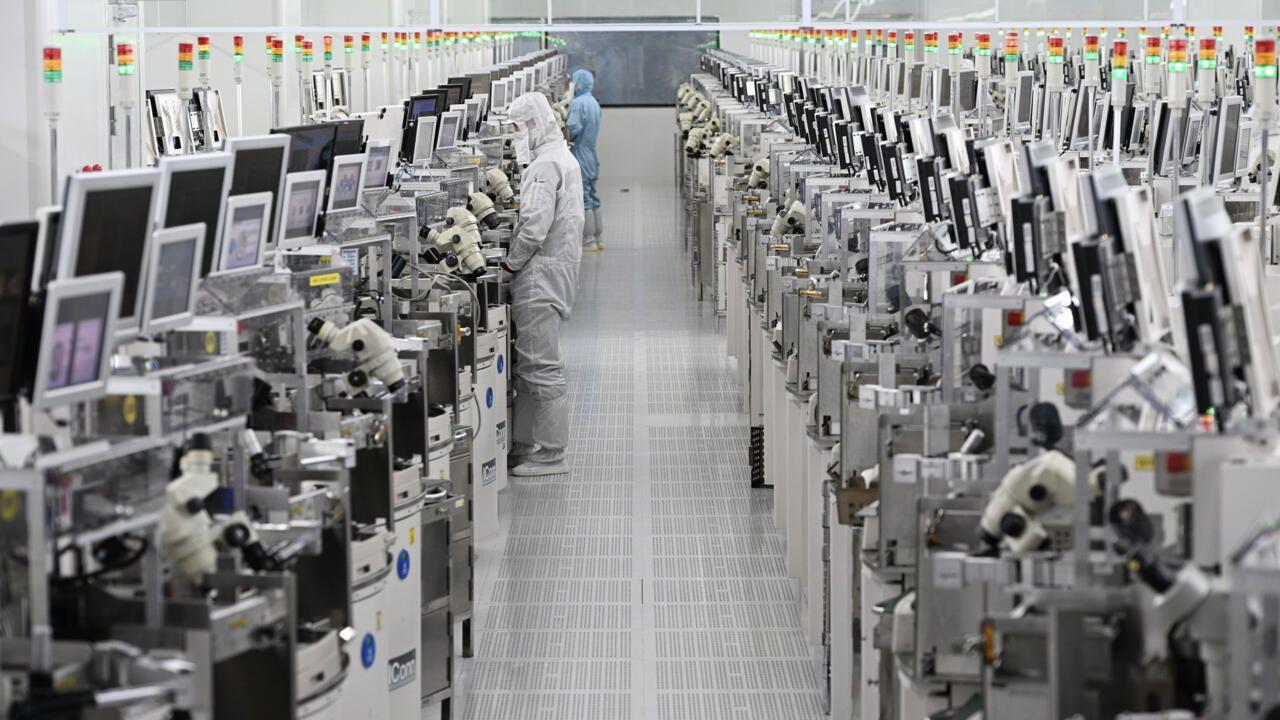
Consumer Hardware Prices Climb Across Categories
The DRAM production shortage has triggered immediate price increases across consumer hardware. Motorola raised prices on its Moto G budget phones by up to 50%, while Samsung added $50 to the Galaxy A37 and A57 mid-range devices. Premium models face steeper hikes: the Galaxy Z Flip 7 (512GB) and Z Fold 7 (512GB and 1TB) each increased by $80, and the Galaxy Tab S11 jumped $100
1
. These memory prices affect laptops, gaming handhelds, consoles, SSDs, and graphics cards equally, as manufacturers prioritize high-margin HBM production over traditional DRAM and NAND used in consumer devices.Profitability Challenges Create Market Paradox
The supply chain constraints have created a paradox where Samsung's semiconductor division thrives while its mobile business struggles. Samsung Semiconductor earned an estimated $38 billion (KRW 57.2 trillion) in Q1 2026 profit—more than seven times its net from Q1 2025
1
. Yet this success comes at the expense of consumer markets. Production of legacy standards like DDR3, DDR4, and LPDDR4 is being scaled back as manufacturers chase higher profits from AI-focused components.Samsung
has started spinning down LPDDR4 production to boost LPDDR5 supply, but supply and demand imbalances persist.AI companies are pre-booking large portions of future supply, further limiting availability across consumer markets
5
. Some system integrators and OEMs have begun shipping consumer hardware with reduced performance targets, reflecting tighter component availability3
. The shift suggests that constrained tradeoffs will define the consumer electronics landscape through the remainder of the decade, fundamentally altering expectations around device affordability and performance accessibility.References
Summarized by

Navi
[1]
[2]
[4]
Related Stories
Memory shortage drives PC and smartphone price increases up to 20% as AI demand reshapes markets
31 Dec 2025•Business and Economy

Memory shortage to persist beyond 2026 as AI demand reshapes chip industry and drives prices up
16 Jan 2026•Business and Economy

Memory shortage drives smartphone market to worst slump in 13 years as AI demand reshapes industry
14 Jul 2026•Business and Economy
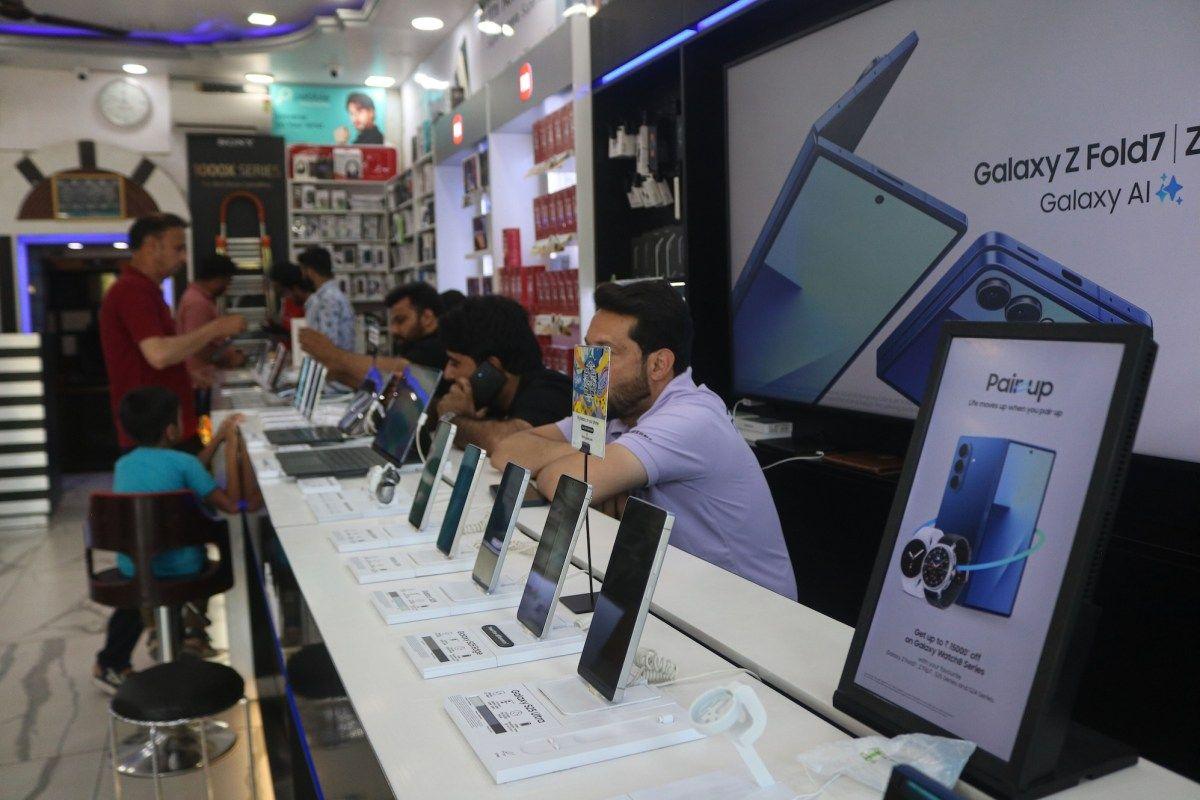
Recent Highlights
1
Microsoft and Nvidia Launch Surface Laptop Ultra: A $2,599 AI-Ready PC With RTX Spark Chip
Technology

2
Meta Muse AI Agent Surges to 6.6M Downloads Despite Privacy and Security Controversies
Technology

3
Scientists Build AI Model That Reconstructs Images From Brain Scans in Record Time
Science and Research

Recent Highlights
Today's Top Stories









Don’t drown in AI news. We cut through the noise - filtering, ranking and summarizing the most important AI news, breakthroughs and research daily. Follow topics that matter to you and stay ahead.


