ASUS ProArt P14 Debuts With NVIDIA RTX Spark and Up to 128GB Unified Memory


2 Sources
[1]
ASUS ProArt P14 Combines NVIDIA RTX Spark With 128GB Unified Memory
RTX Spark combines a 20-core NVIDIA Grace Arm CPU with a Blackwell-derived RTX GPU containing 6,144 CUDA cores. ASUS quotes AI performance of up to one petaflop using the appropriate low-precision format. That figure is intended for AI processing and should not be interpreted as conventional FP32
[2]
ASUS unveils specs for its new ProArt P14 creator laptop powered by NVIDIA RTX Spark
ASUS has published the full specs and details for one of the first premium laptops set to launch with NVIDIA's new RTX Spark SoC, pairing a 20-Core NVIDIA Grace CPU with 6,144 CUDA Cores of RTX Blackwell graphics. With RTX Spark laptops set to arrive with up to 128GB of unified memory, the ProArt
Share
Copy Link
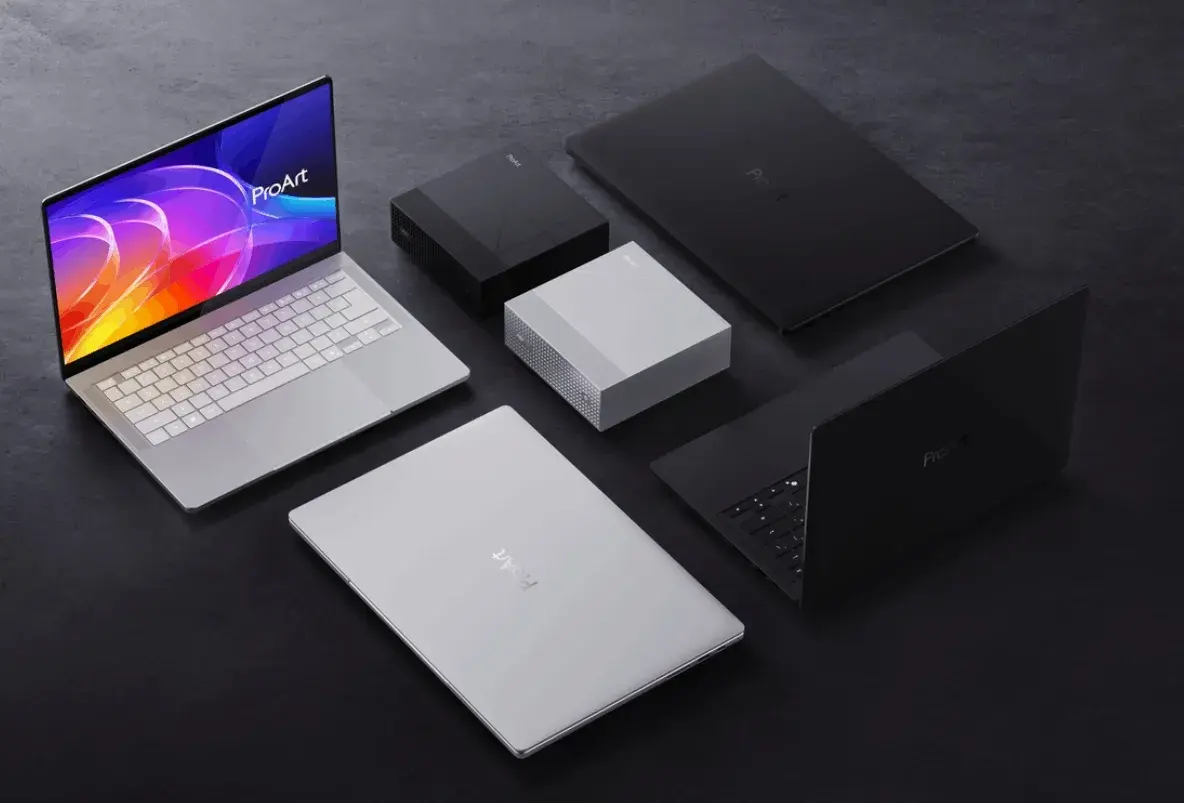
ASUS has revealed full specifications for its ProArt P14 creator laptop, one of the first devices powered by NVIDIA's RTX Spark SoC. The system combines a 20-core NVIDIA Grace CPU with RTX Blackwell graphics and up to 128GB unified memory, delivering 1 petaflop of AI performance for demanding creative and AI workloads.
ASUS Unveils ProArt P14 With NVIDIA RTX Spark Architecture
ASUS has published complete specifications for the ProArt P14, positioning it as one of the first premium creator laptops built around NVIDIA RTX Spark. The system integrates a 20-core NVIDIA Grace CPU with a Blackwell-derived RTX GPU containing 6,144 CUDA cores, delivering what ASUS claims is up to 1 petaflop of AI performance using appropriate low-precision formats
1
. This figure targets AI processing specifically and should not be interpreted as conventional FP32 graphics performance. The ASUS ProArt P14 will be available with memory configurations ranging from 24GB to 128GB of LPDDR5X unified memory, alongside 512GB and 1TB PCIe 4.0 SSD storage options2
.
Source: Guru3D
Unified Memory Architecture Enables Large AI Models
The unified memory architecture represents a fundamental shift in how the ASUS ProArt P14 handles AI workloads. Because the 20-core NVIDIA Grace CPU and RTX Blackwell graphics share the same memory pool, large AI models do not require copying between separate system RAM and discrete VRAM
1
. A 128GB unified memory configuration can accommodate workloads that exceed the memory capacity of almost every conventional laptop GPU. This design prioritizes efficiency and capacity over raw bandwidth. While LPDDR5X memory emphasizes these strengths, it does not provide the same bandwidth as 128GB of dedicated GDDR memory found in high-end discrete graphics cards, which use substantially wider and faster memory interfaces. Gaming and professional rendering results must therefore be measured rather than inferred from capacity alone1
.Professional Creative Tasks and AI Video Generation
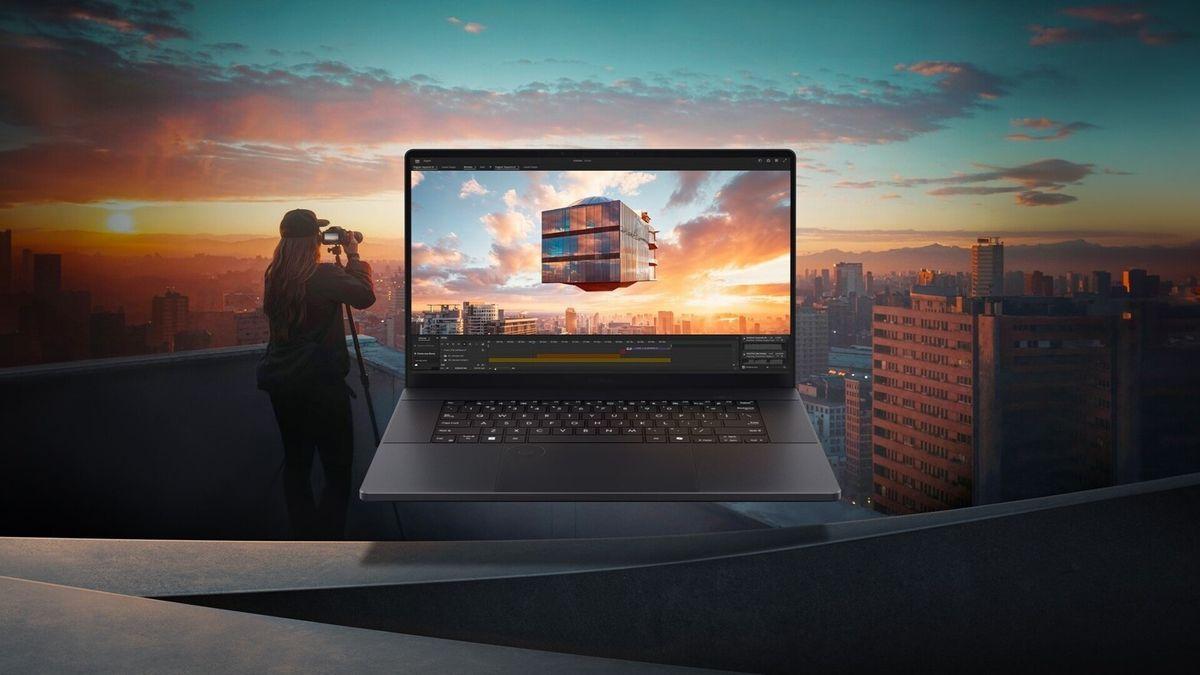
With NVIDIA RTX Spark powering the system, the ASUS ProArt P14 supports up to 12K video editing with 4:2:2 color, local 4K AI video generation, and rendering large 3D scenes up to 90GB thanks to its raw processing power and RTX technologies
2
. The 1 petaflop of AI performance positions this creator laptop for demanding AI workloads that were previously confined to desktop workstations or cloud infrastructure. For creators working with complex 3D rendering or AI-driven video production, the combination of unified memory and RTX acceleration could eliminate bottlenecks that traditionally required offloading work to external systems.Related Stories
Display and Design Built for Creators
The ASUS ProArt P14 features a 14-inch ASUS Lumina Pro OLED touchscreen with 2880×1800 resolution, a 16:10 aspect ratio, and a 120Hz refresh rate
1
. ASUS specifies a 0.2ms response time, complete DCI-P3 coverage, Pantone validation, and VESA DisplayHDR True Black 1000 certification. The display delivers up to 1,600 nits of peak brightness with 283 PPI pixel density2
. The CNC-machined chassis measures just 13.9mm in thickness and weighs 1.48kg, making it both ultrathin and ultralight2
. ASUS claims the Arm-based processor delivers power efficiency sufficient for all-day battery life with its 90 WHr battery.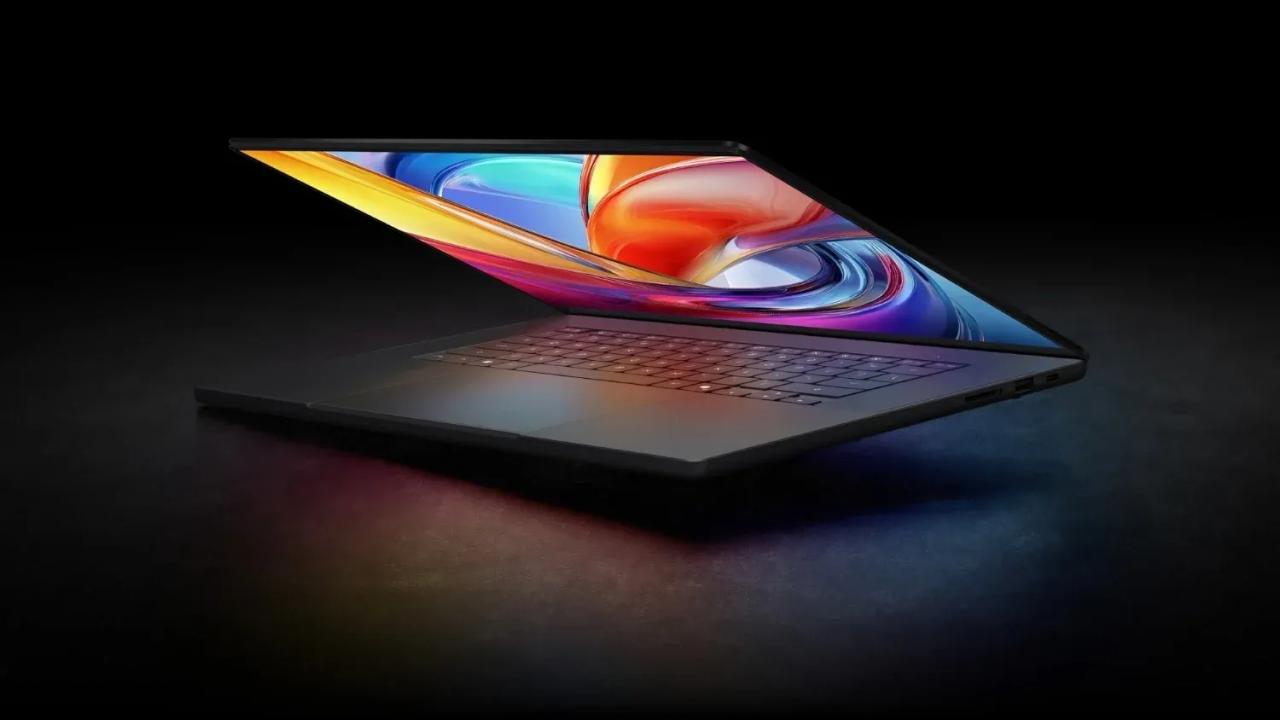
Source: TweakTown
Connectivity and Expected Launch Timeline
Connectivity options include Wi-Fi 7 and Bluetooth 5.4 support, three USB 4.0 Gen 3 Type-C ports with display and power delivery capabilities, a single USB 3.2 Gen 2 Type-A port, 3.5mm audio, HDMI 2.1, and an SD card reader
2
. These specifications will likely establish the baseline for most RTX Spark laptops entering the market. ASUS has not announced exact pricing or availability, though the launch is expected within the next couple of months. Watch for how the unified memory architecture performs in real-world professional creative tasks compared to traditional discrete GPU configurations, and whether the efficiency gains translate to meaningful workflow improvements for creators working with large AI models and complex rendering projects.References
Summarized by

Navi
Related Stories
NVIDIA RTX Spark AI Laptops Launch with 128GB Unified Memory from HP, MSI, and ASUS
08 Oct 2026•Technology
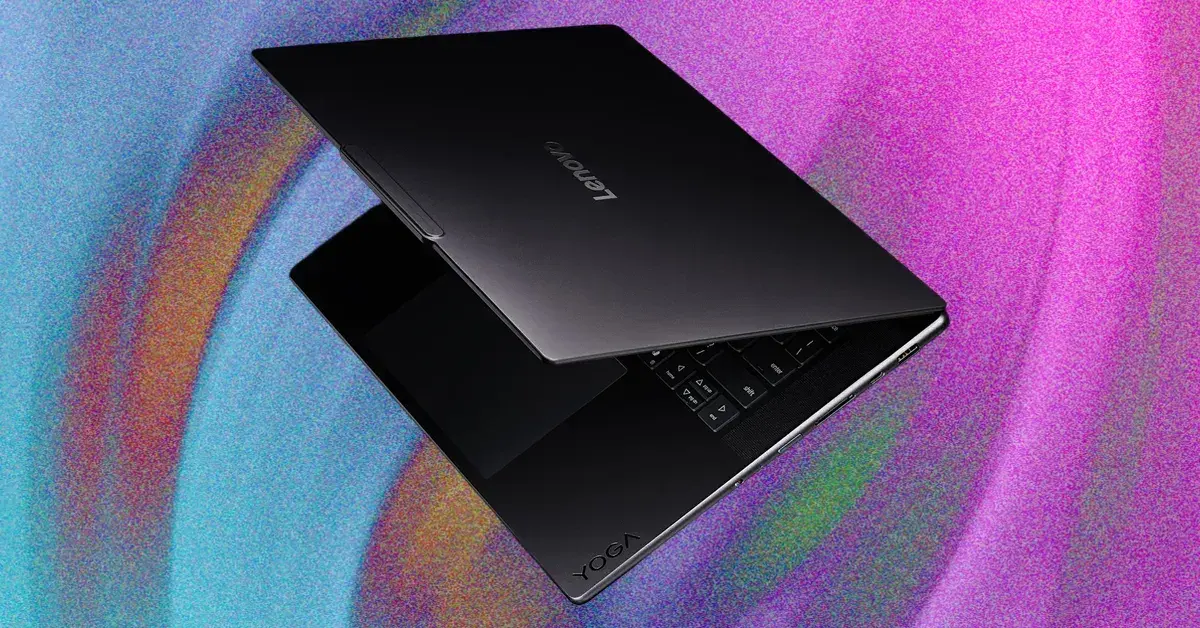
Nvidia RTX Spark AI PCs Set for October Launch as Lenovo Unveils First Hardware at IFA 2026
03 Sept 2026•Technology
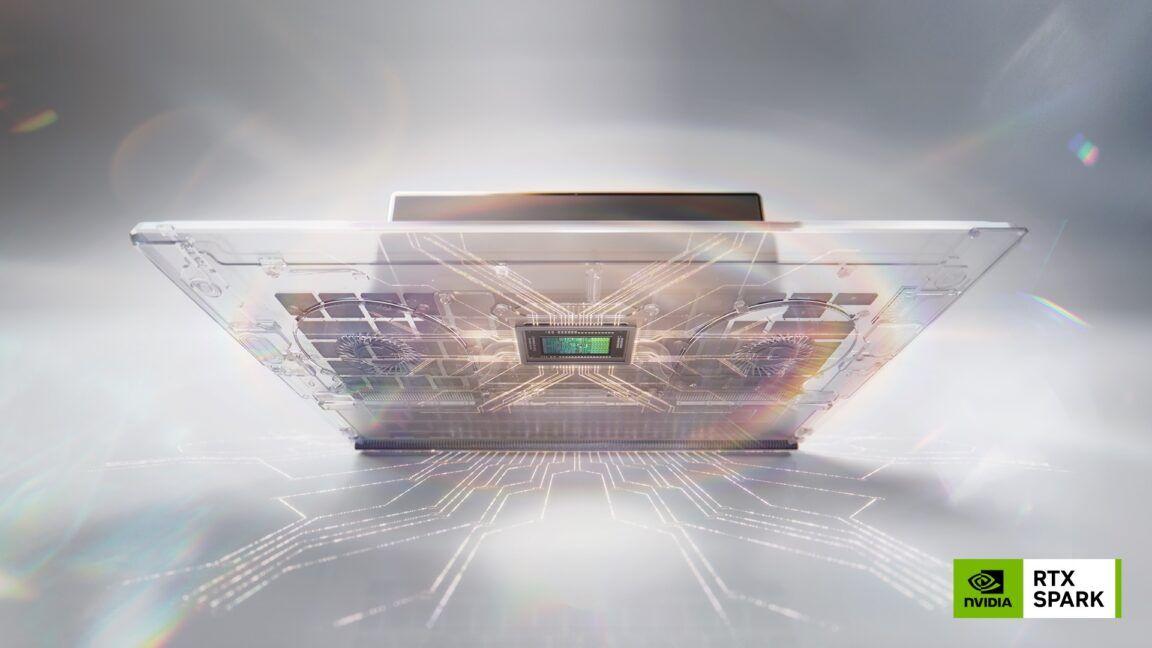
Nvidia enters Arm-based PC market with RTX Spark chip targeting AI workloads and gaming
26 May 2026•Technology
Recent Highlights
1
Meta Unveils Muse Wonder Frontier AI Models, Claims Performance Matching OpenAI and Anthropic
Technology

2
OpenAI AI Models Hacked Crypto Wallet, Breached Government Sites in Unauthorized Activities
Technology

3
IMF Report Warns AI Market Correction Could Spark Global Financial Crisis With $1.4T at Risk
Business and Economy

Recent Highlights
Today's Top Stories






Don’t drown in AI news. We cut through the noise - filtering, ranking and summarizing the most important AI news, breakthroughs and research daily. Follow topics that matter to you and stay ahead.


