NVIDIA RTX Spark AI Laptops Launch with 128GB Unified Memory from HP, MSI, and ASUS


5 Sources
[1]
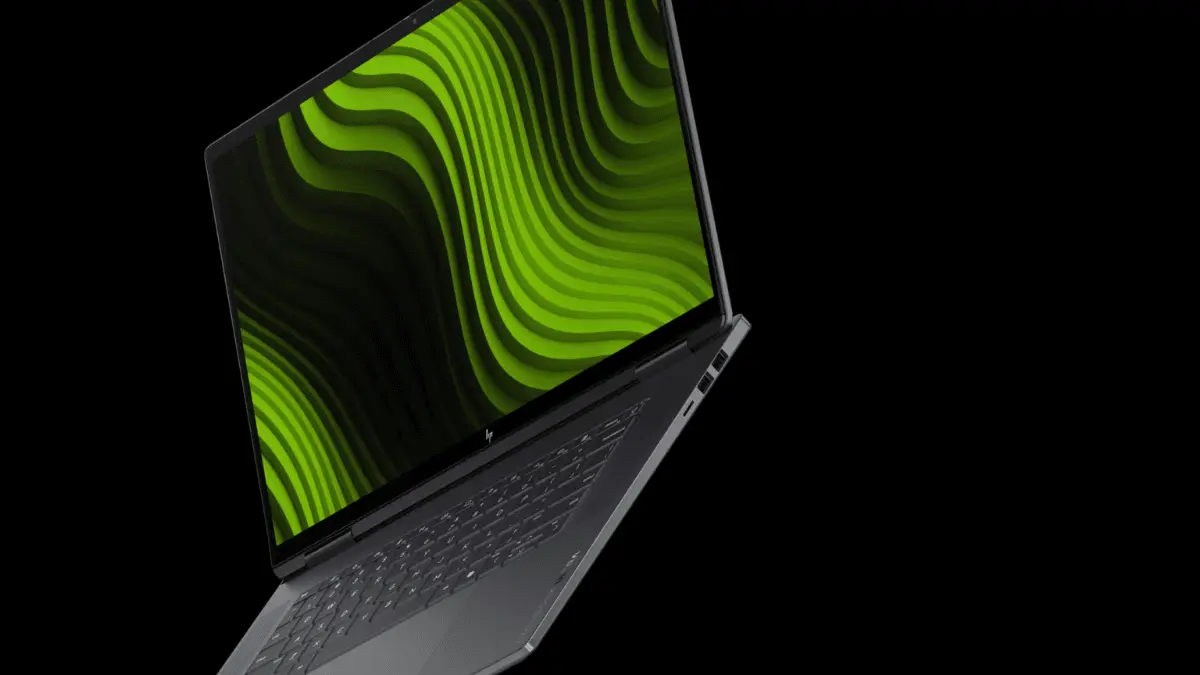
HP OmniBook Ultra 16 Brings NVIDIA RTX Spark to a 128GB AI Notebook
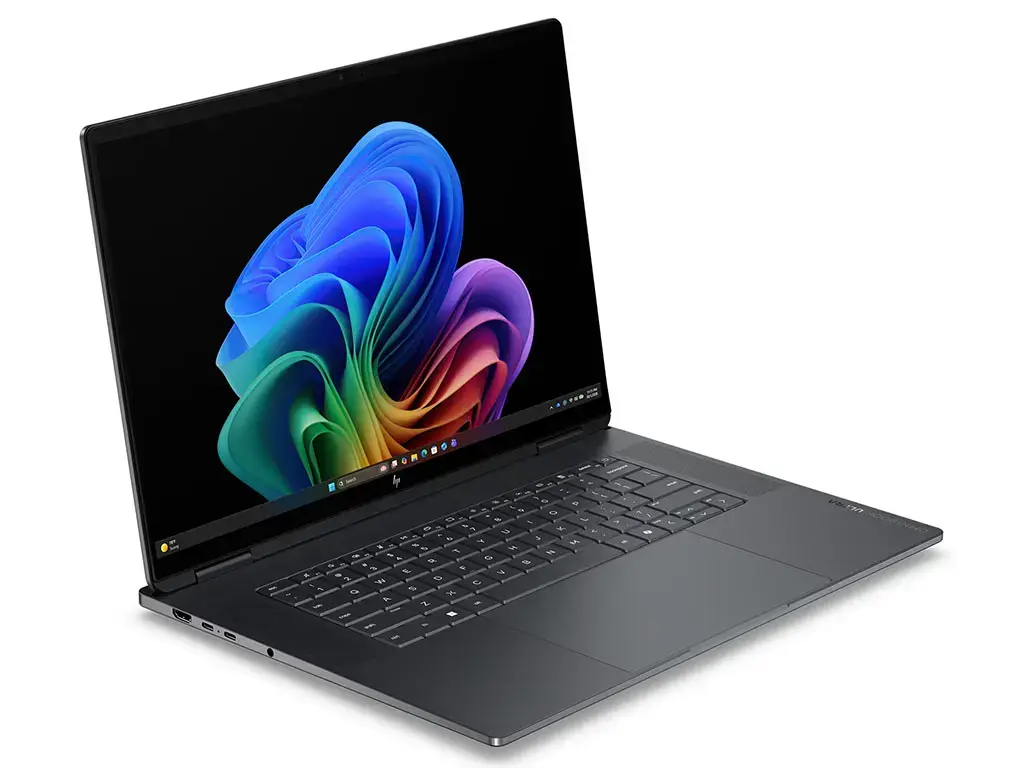
HP has announced the OmniBook Ultra 16 AI PC, a 16-inch notebook built around NVIDIA's RTX Spark N1X platform. The system combines a 20-core NVIDIA Grace CPU with a Blackwell-derived RTX GPU containing 6,144 CUDA cores, creating a unified-memory design aimed at local AI development, content
[2]
MSI's new Prestige N16 Flip AI+ is a two-in-one RTX Spark laptop
NVIDIA's RTX Spark is ushering in a new era of premium laptops built for the AI era, powered by a chip that pairs up to a 20-core Arm-based Grace CPU, 6,144-core RTX Blackwell GPU, and 128GB of unified memory. With the first wave of devices expected to start shipping around October 16, MSI's first
[3]
MSI Prestige N16 Flip AI+ Combines RTX Spark, Tandem OLED and 128GB Memory
MSI has announced the Prestige N16 Flip AI+, a 16-inch convertible notebook built around NVIDIA's RTX Spark platform. The system combines a Grace CPU and Blackwell RTX GPU with up to 128GB of LPDDR5X unified memory, making it one of the highest-capacity consumer 2-in-1 PCs announced so far.
[4]
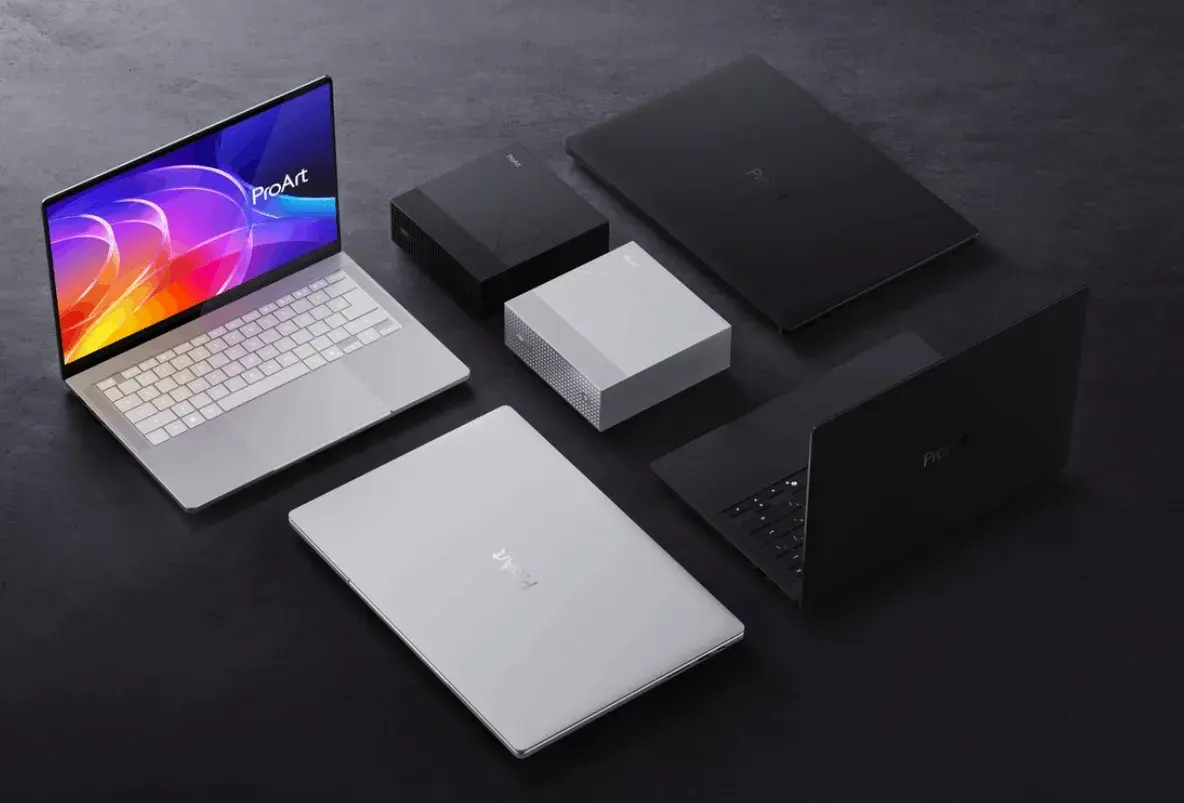
ASUS launches ProArt P16 and P14 laptops powered by NVIDIA RTX Spark
This month, the first wave of laptops powered by NVIDIA RTX Spark launches, and ASUS has two impressive options: the ProArt P16 and P14 laptops. As the name suggests, the ProArt P16 is a 16-inch ProArt laptop, while the ProArt P14 is a rare 14-inch RTX Spark laptop. These new devices are also
[5]
MSI Prestige N16 Flip AI+ Brings NVIDIA RTX Spark To Deliver Up To 1 Petaflop Of AI Performance Coupled With 120 Hz OLED
MSI launched its first RTX Spark-powered laptop, featuring a powerful NVIDIA SoC and up to 128 GB of unified memory for local AI workloads. MSI Debuts RTX Spark-Powered Prestige N16 Flip AI+ Laptop With UHD+ Tandem OLED Touchscreen Many vendors have started accepting pre-orders for their new
Share
Copy Link
HP, MSI, and ASUS have launched the first wave of NVIDIA RTX Spark AI laptops featuring up to 128GB unified memory, Grace CPU, and Blackwell GPU. The devices target creators and developers running local AI workloads, with pricing starting at $2,599.
Major Manufacturers Launch NVIDIA RTX Spark AI Laptops
HP, MSI, and ASUS have unveiled their first NVIDIA RTX Spark AI laptops, marking a shift in premium mobile computing with devices engineered specifically for local AI workloads. The new lineup includes the HP OmniBook Ultra 16, MSI Prestige N16 Flip AI+, and ASUS ProArt P16 and P14, all featuring NVIDIA's Grace CPU paired with a Blackwell GPU and up to 128GB unified memory
1
2
3
4
. Pre-orders are now open, with shipping expected to commence on October 16, 2026, and pricing starting at $2,599 for ASUS models4
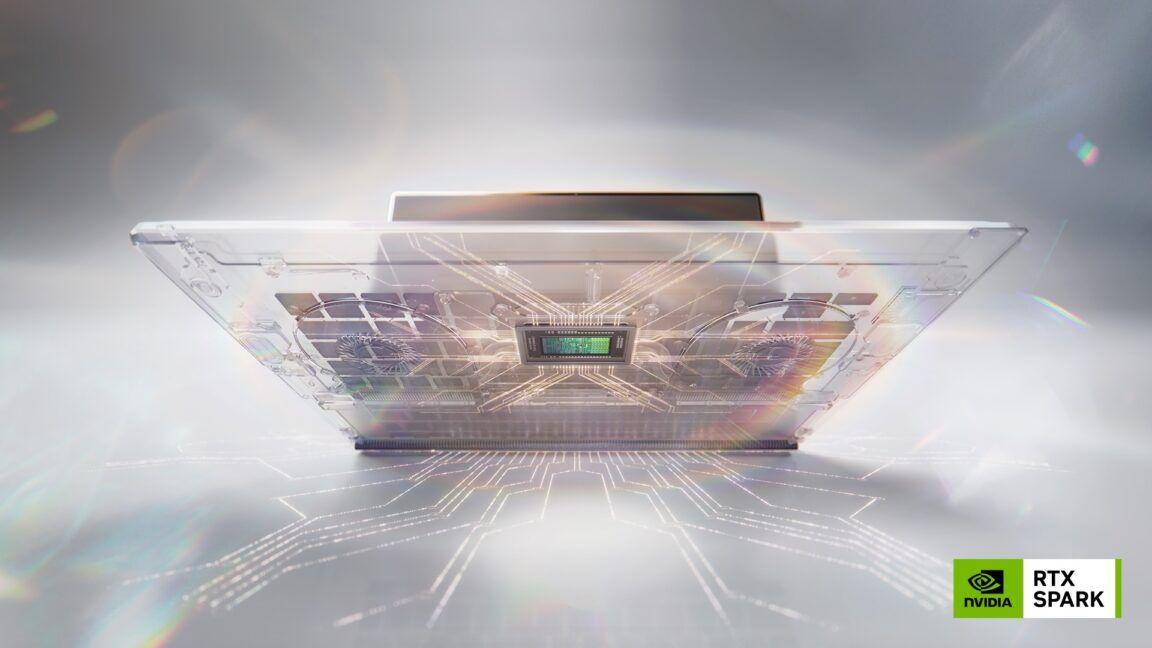
.The NVIDIA RTX Spark platform combines up to a 20-core Arm-based Grace CPU with a Blackwell-derived RTX GPU containing 6,144 CUDA cores in its flagship N1X configuration
1
2
. A cutdown variant offers an 18-core CPU and 5,120-CUDA-core GPU2
. This unified architecture allows both CPU and GPU to access the same memory pool, simplifying large-model deployment and reducing data copies during high-end mobile workstation tasks1
.Unified Memory Architecture Enables Local AI Development
Source: Guru3D
The most distinctive feature across these AI laptops is the 128GB unified memory capacity, a significant departure from conventional notebooks with separate system RAM and graphics VRAM
1
3
. This unified memory architecture proves critical for running large language models and vision-language models locally, including Hermes Agent and ComfyUI, without relying on cloud servers4
5
. Memory configurations start at 24GB of on-board LPDDR5X memory, expandable to 32GB, 48GB, 64GB, and 128GB depending on the model4
.All manufacturers claim up to 1 petaflop of FP4 AI performance for agentic AI workloads
2
5
. However, FP4 is a very low-precision format intended primarily for inference, and the headline number should not be interpreted as general-purpose floating-point performance1
. The practical performance will depend on model quality, software kernels, sparsity support, and thermal limits during sustained workloads1
.Premium Display Technology for Creators
The new laptops for creators feature advanced display technology tailored for professional workflows. MSI's Prestige N16 Flip AI+ offers two panel choices: a 3,840 × 2,400 UHD+ tandem OLED and a 2,880 × 1,800 2.8K OLED, both supporting variable refresh rates from 30Hz to 120Hz
3
5
. The tandem OLED panel uses stacked emitting structures to improve efficiency and brightness compared with conventional OLED designs3
. MSI specifies 1,000 nits of peak brightness, 100% DCI-P3 color coverage, Calman Verification, and Delta E < 1 calibrated color accuracy for creator workflows across tools like Blender, DaVinci Resolve, and Adobe Premiere Pro2
.
Source: TweakTown
ASUS's ProArt P16 and P14 laptops feature premium ASUS Lumina Pro OLED displays with 120Hz refresh rate, Delta E<1 color accuracy, and 1,600-nit peak brightness
4
. The flagship ProArt P16 includes a 4K option with NVIDIA G-SYNC, while the ProArt P14 includes a 3K display4
. Both devices incorporate ray tracing and DLSS technologies for gaming and creative applications5
.Convertible Design and Connectivity Options
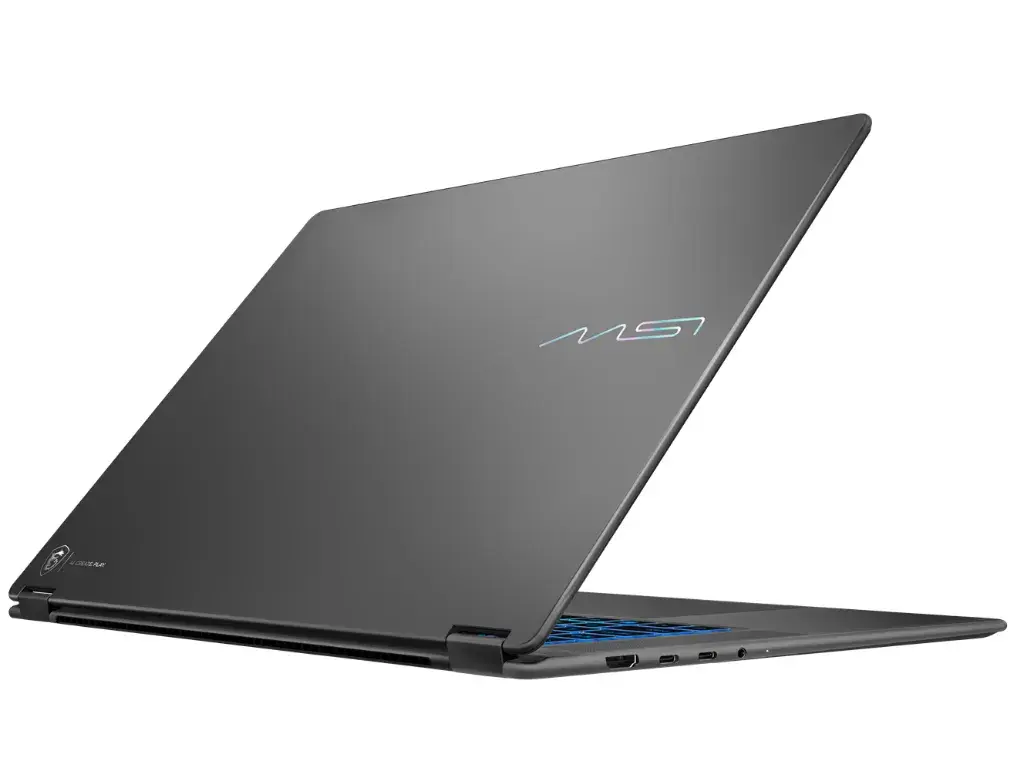
MSI positions the Prestige N16 Flip AI+ as a versatile convertible notebook with a 360-degree hinge, 16-inch touchscreen, and MSI Nano Pen stylus support
2
3
. The device measures 357.7 × 254.3mm and varies from 13.9mm to 16.9mm thick, weighing approximately 1.9kg3
. This makes it one of the highest-capacity consumer 2-in-1 PCs announced so far3
.
Source: Guru3D
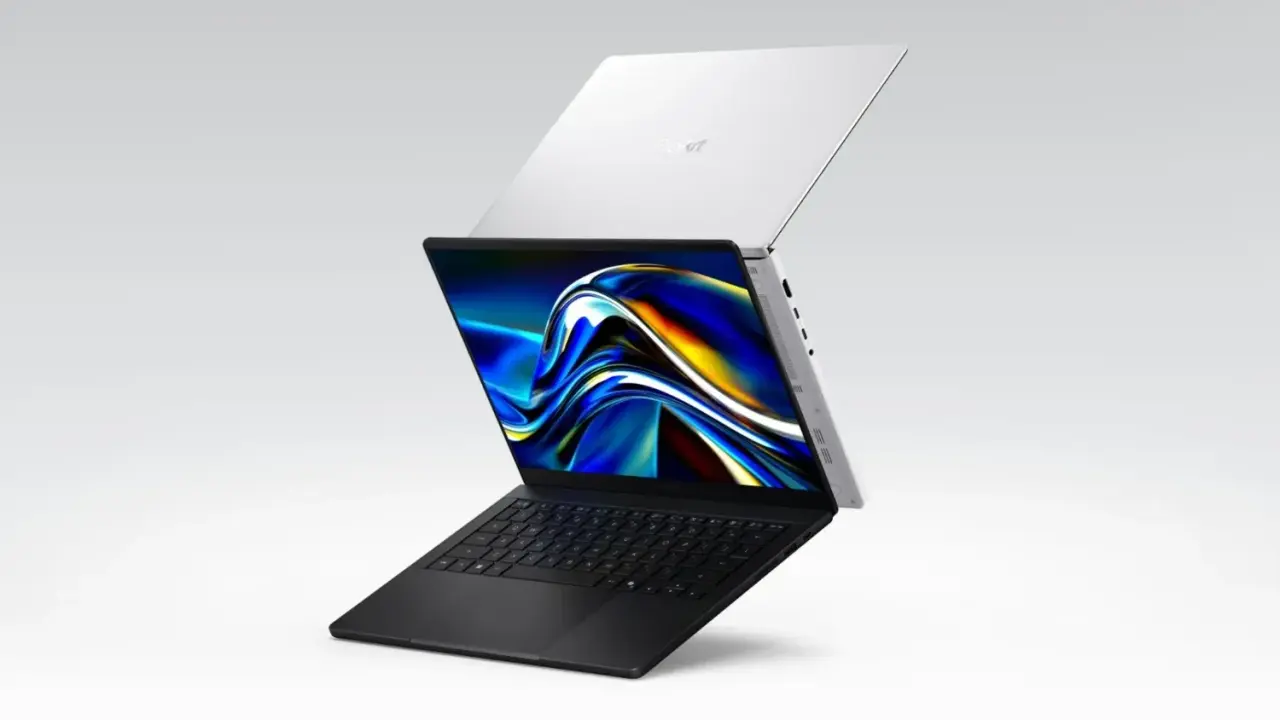
ASUS emphasizes portability with the ProArt P16 measuring 12.9mm thin and weighing 1.77kg, making it the company's thinnest 16-inch ProArt laptop
4
. The ProArt P14 measures 13.9mm thin and weighs only 1.48kg, positioning it as ASUS's lightest ProArt laptop4
. HP's OmniBook Ultra 16 maintains a 16-inch chassis designed to dissipate significant heat when both the Grace CPU and Blackwell GPU are loaded1
.Connectivity across the lineup includes Wi-Fi 7, Bluetooth 5.4, dual USB4 Type-C ports with display capabilities, HDMI 2.1, and SD card readers
2
3
4
. ASUS provides three USB 4.0 Gen 3 Type-C ports with display capabilities on its ProArt models4
. All devices feature batteries close to the 99.9Whr airline limit, though real battery life will depend heavily on display brightness, AI workload, and performance mode3
.Related Stories
Software Ecosystem and Practical Considerations
The NVIDIA RTX Spark platform is designed for CUDA developers and NVIDIA Studio applications, providing access to a mature software ecosystem for AI frameworks, rendering, and video production
1
4
. Windows 11 Pro comes preinstalled on the MSI Prestige N16 Flip AI+, useful for business deployment and virtualization3
. However, the Arm-based CPU architecture raises questions about application compatibility, as some Windows utilities, games, and x86-specific development tools may behave differently1
.Pricing varies significantly across configurations and manufacturers. ASUS ProArt models start at $2,599, with high-capacity 64GB and 128GB models available from limited sources including the ASUS eShop, Best Buy, and Micro Center
4
. HP lists a starting price of approximately $3,949 for the OmniBook Ultra 161
. MSI's Prestige N16 Flip AI+ starts at $3,299 for the 32GB RAM and 1TB storage configuration, while the 128GB + 2TB variant costs $6,7995
. Japanese availability for MSI models is scheduled for late October 2026, with pricing listed as open3
.Performance and Thermal Management Questions
Sustained AI inference, rendering, and compilation may reduce clock speeds if cooling systems cannot maintain the platform's power target
1
. Independent testing should measure long-duration performance, fan noise, surface temperatures, and battery behavior under typical workloads1
. The unified memory is soldered and cannot be upgraded after purchase, making initial configuration choices critical for users planning large local datasets3
. Storage options include 512GB or 1TB M.2 NVMe PCIe 4.0 SSDs, with some models offering 2TB configurations3
4
5
.References
Summarized by

Navi
Related Stories
RTX Spark Laptops Excel at Local AI Coding But Memory Constraints and Price Tags Raise Questions
26 Oct 2026•Technology

ASUS ProArt P14 Debuts With NVIDIA RTX Spark and Up to 128GB Unified Memory
01 Sept 2026•Technology
HP Unveils Next-Gen PCs Powered by Nvidia RTX Spark for AI Development and Personal Agents
02 Jun 2026•Technology
Recent Highlights
1
OpenAI's AI Models Disprove 27-Year Exponential Time Hypothesis, Rendering Decades of Research Obsolete
Science and Research

2
Google DeepMind unveils Genie 4 world model with audio and 2-minute interactive simulations
Technology

3
Microsoft AI Diagnostic Tool Beats Doctors With 83% Accuracy on Complex Medical Cases
Health

Recent Highlights
Today's Top Stories







Don’t drown in AI news. We cut through the noise - filtering, ranking and summarizing the most important AI news, breakthroughs and research daily. Follow topics that matter to you and stay ahead.


