AUKUS defense pact advances undersea drones for 2027, as partners pledge faster delivery


4 Sources
[1]
AUKUS to develop unmanned undersea vehicles, delivery set for 2027
SINGAPORE, May 30 (Reuters) - The United States, Britain and Australia are working together to develop unmanned undersea vehicles as part of their trilateral AUKUS defence pact, U.S. Secretary of Defense Pete Hegseth told reporters on Saturday. AUKUS said in a joint statement that delivery of the
[2]
Aukus: US, UK and Australia to develop underwater drone technology
The US, UK and Australia say they will develop underwater drone technology to protect undersea cables and boost defence, under their military alliance known as Aukus. The uncrewed unmanned vehicles (UUVs) technology is expected to be ready by next year. While the project's total cost was not
[3]
US to supply used 8,000-ton nuclear attack submarines under AUKUS
AUKUS partners have streamlined Australia's submarine acquisition plan while advancing a new undersea drone program set to begin deliveries in 2027. Australia will receive three operational U.S. Navy nuclear-powered submarines as part of a revised AUKUS agreement, announced at the Shangri-La
[4]
AUKUS nations to develop underwater drones through defence pact
The US, Britain and Australia will develop underwater drones to respond to the threat of adversaries damaging submerged cables and pipelines. Unmanned undersea vehicles will be developed under the AUKUS defence pact, US secretary of defence Pete Hegseth said. Defence leaders from the US, Britain
Share
Copy Link
The United States, Britain, and Australia announced their first major technology delivery under the AUKUS defense pact: unmanned undersea vehicles set to arrive in 2027. The underwater drone technology will protect critical infrastructure like seabed cables and pipelines while enhancing reconnaissance and strike capabilities across the Indo-Pacific region.
AUKUS Delivers First Signature Technology Project
The AUKUS defense pact between the United States, Britain, and Australia has announced its first concrete deliverable: a fleet of unmanned undersea vehicles scheduled to enter service in 2027
1
2
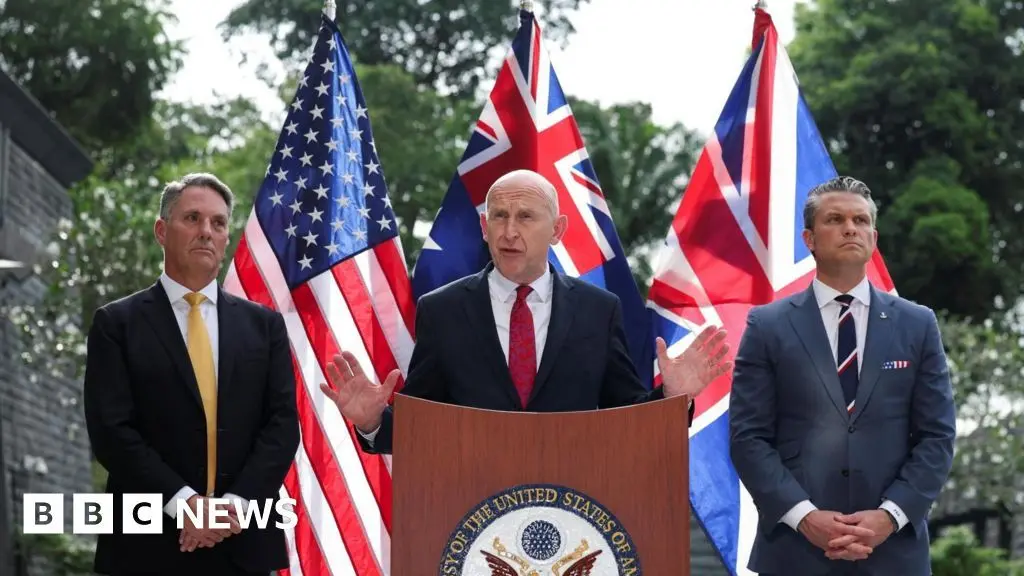
. U.S. Secretary of Defense Pete Hegseth revealed the development at the Shangri-La Dialogue in Singapore, marking a significant acceleration for the trilateral alliance formed in 2021. The underwater drone technology represents the first signature project under AUKUS Pillar Two, which focuses on advanced defense technology including artificial intelligence, quantum computing, hypersonic systems, and cyber technology1
.
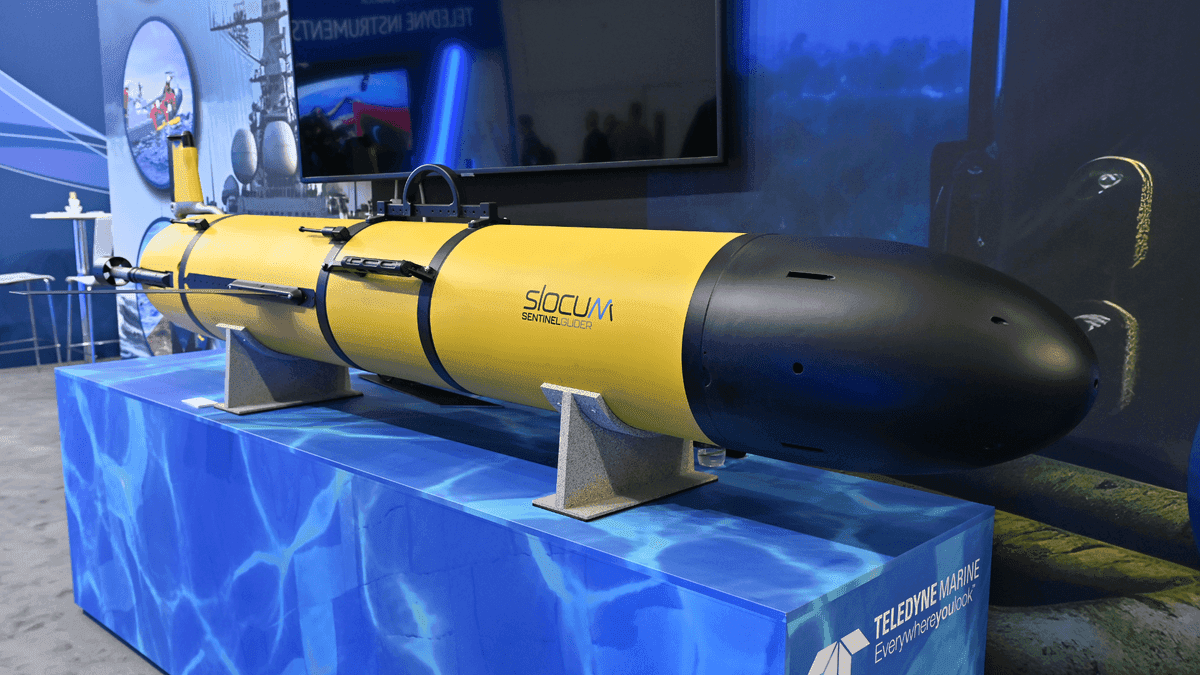
Source: BBC
British Defence Secretary John Healey acknowledged past criticism of slow progress, stating "for too long in AUKUS, we talked too much and delivered too little"
2
. The UK will contribute £150m ($201m) to the project, though the total cost was not disclosed2
. The announcement signals a shift toward tangible outcomes as the three nations work to counter China's expanding presence in the Indo-Pacific region.Enhanced Reconnaissance and Strike Capabilities for Maritime Operations
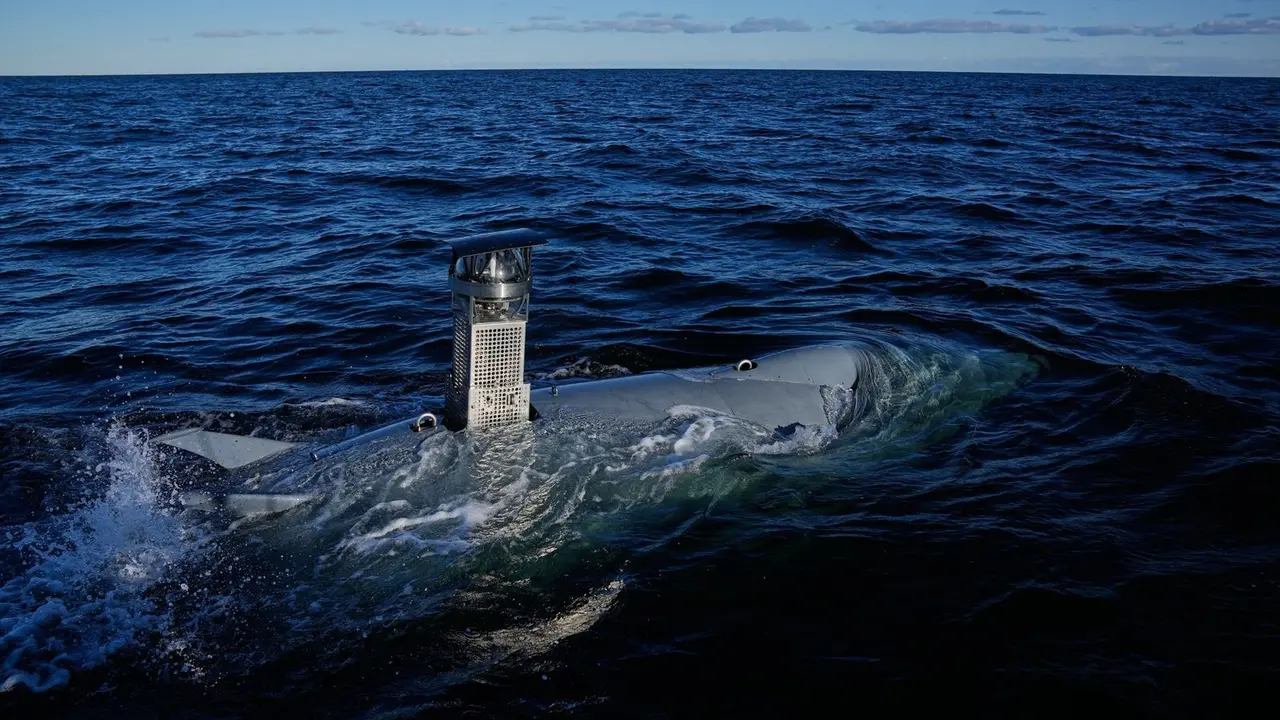
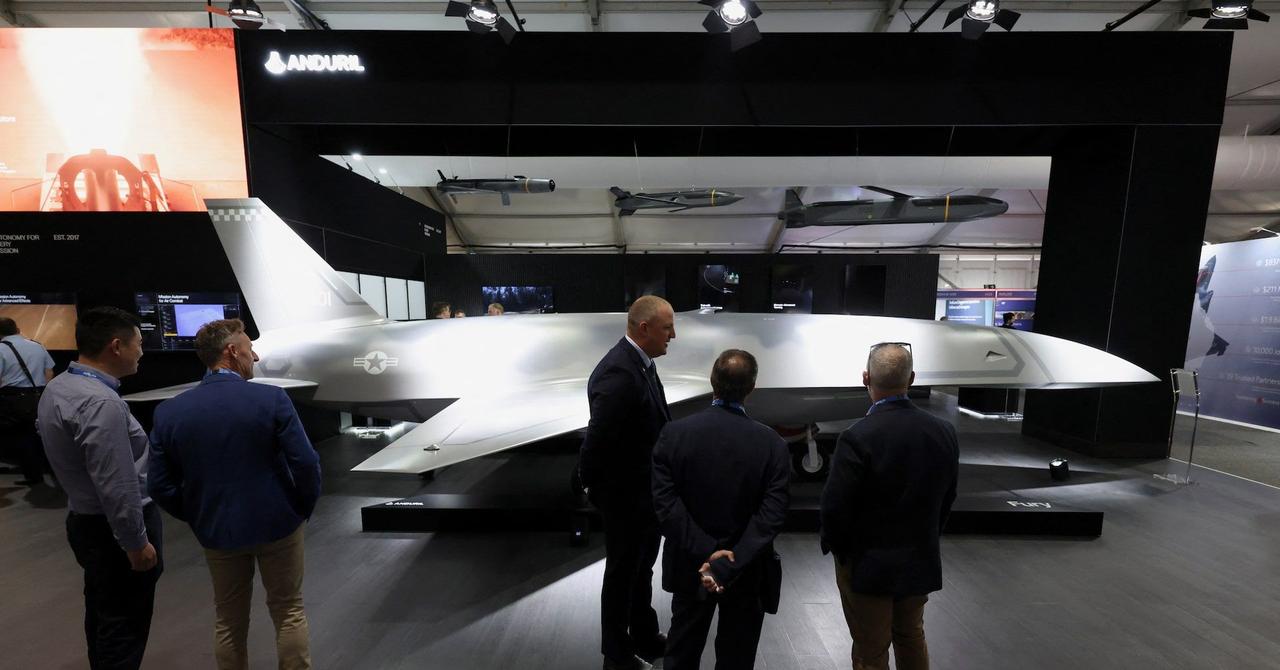
The unmanned undersea vehicles will deliver "a suite of highly adaptable multi-mission UUV payloads designed to support undersea operations and maintain our collective advantage in the maritime domain," according to Hegseth
3
. The program will improve reconnaissance and strike capabilities while bolstering superiority in anti-submarine warfare, mine countermeasures, electronic warfare, and contested littoral maneuvers1
.
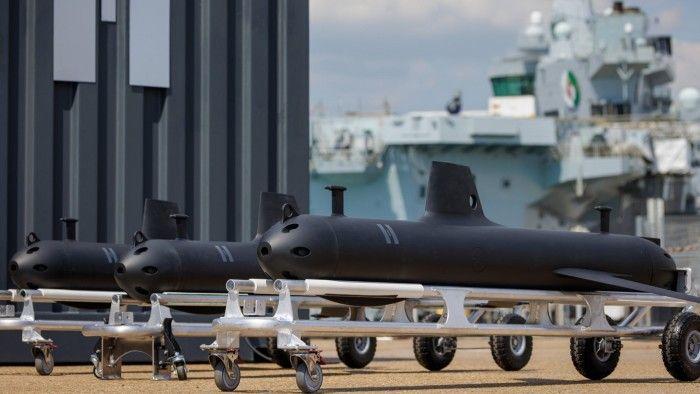
Source: Sky News
The undersea drones will feature cutting-edge sensors and weapons systems capable of conducting strikes, surveillance, reconnaissance, and logistics operations
2
. This technology will rapidly equip forces with advanced battlefield capabilities, strengthening deterrence across the Pacific, Atlantic, and High North waters2
. The multi-mission design allows the vehicles to adapt to various operational requirements, providing flexibility in contested maritime environments.Protecting Critical Undersea Cables and Infrastructure
Healey emphasized the vehicles will sharpen all three countries' ability to respond to threats targeting undersea cables and pipelines, infrastructure on which "so much of our daily life depends"
1
2
. The UK is connected by approximately 60 undersea cables, which British officials say face increasing threats from Russia, with a 30% rise in Russian vessels spotted in UK waters over recent years2
. Last month, Healey accused Russia of running covert operations over cables and pipelines in waters north of the UK, though Moscow denied these allegations2
.Chinese ships are also suspected of damaging undersea cables in waters surrounding Taiwan and in Swedish territory
2
. The development of these unmanned undersea vehicles addresses a growing vulnerability as nations increasingly recognize the strategic importance of protecting seabed infrastructure that supports global communications and commerce.Related Stories
Australia Streamlines Nuclear-Powered Submarines Acquisition
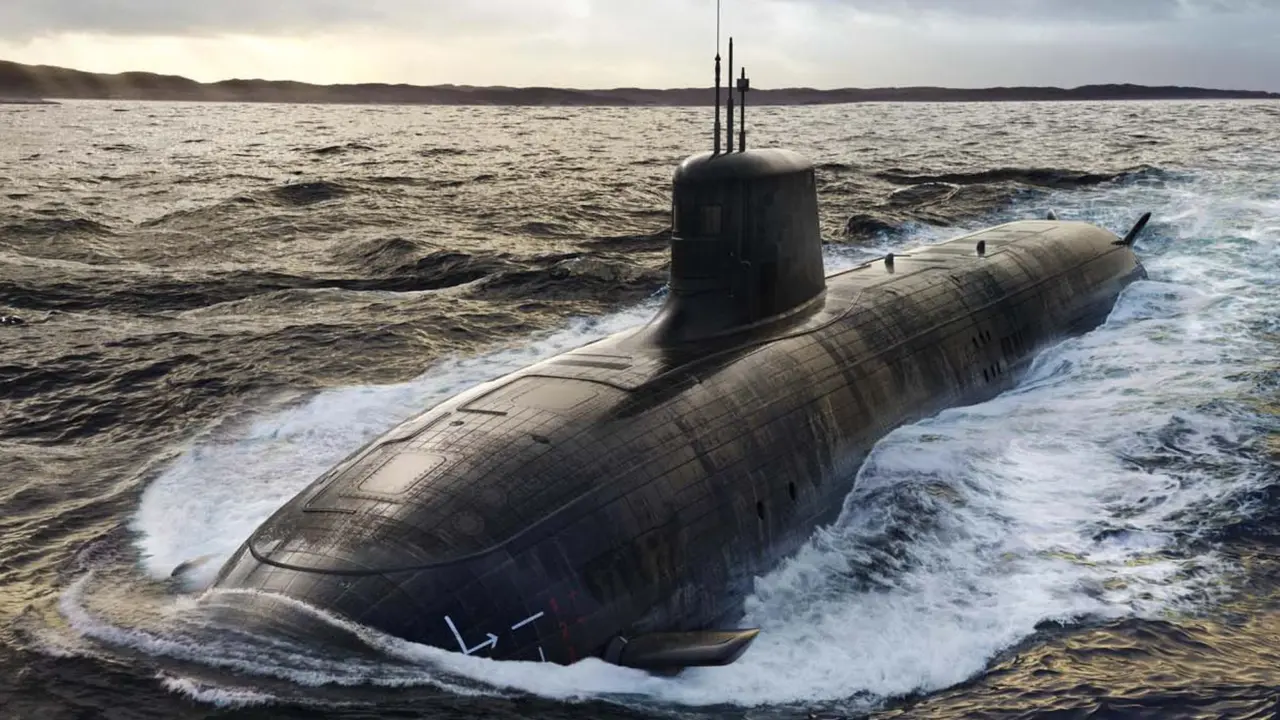
Alongside the drone announcement, AUKUS partners revealed a streamlined approach to Australia's submarine acquisition. Australia will now receive three operational Virginia-class nuclear-powered submarines already in service with the U.S. Navy, rather than a mixture of new and used vessels
3
. Australian Defense Minister Richard Marles said this change would make the program easier to manage and more cost-effective, noting "in the context of a very complicated endeavor, we need to place a premium on simplicity"3
.
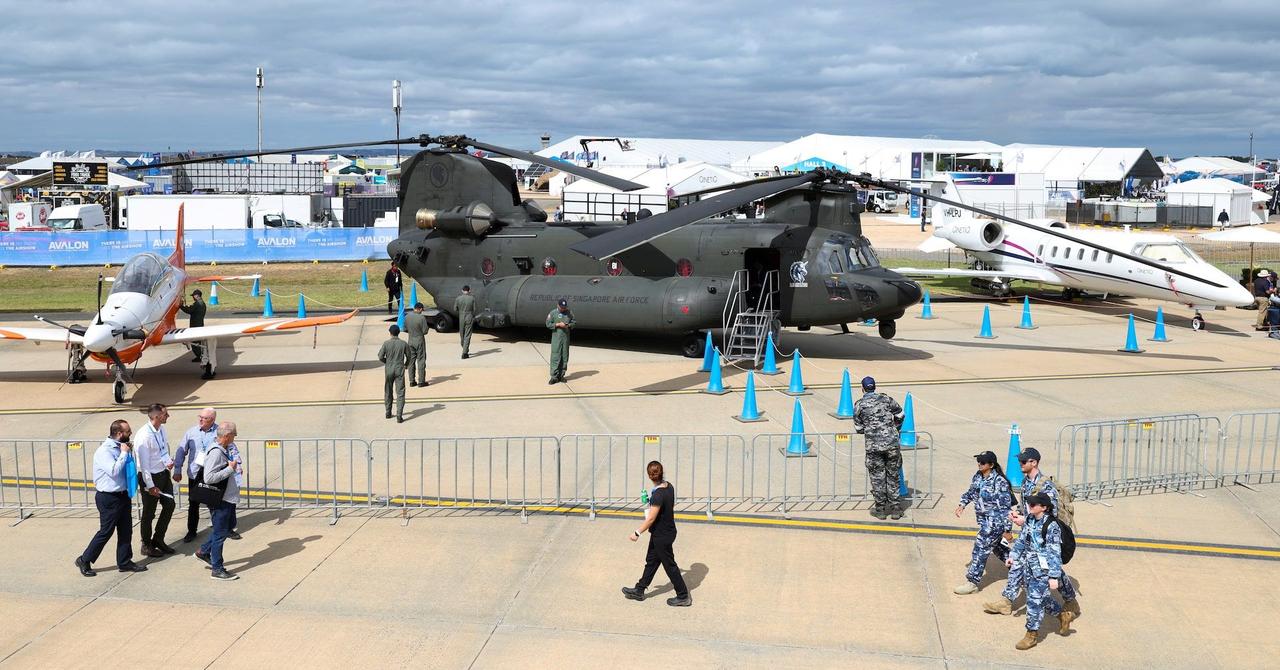
Source: Interesting Engineering
The revised arrangement means Australian crews and maintenance teams will work with a single submarine type, significantly simplifying training and sustainment. Marles emphasized the financial benefits as Australia's program could cost up to $235 billion over the next 30 years
3
. Each Virginia-class submarine measures approximately 377 feet long, displaces roughly 7,800-8,000 tons, and can reach underwater speeds of about 25 knots3
. The HMAS Stirling navy base in Western Australia will be ready to host the rotational submarine force by the end of 20272
.Strategic Implications for the Indo-Pacific Region
The AUKUS defense pact remains central to efforts pushing back against China's growing power in the Indo-Pacific region
1
4
. China has called the pact dangerous and warned it could spur a regional arms race1
4
. Hegseth told the Shangri-La conference that China cannot be allowed to dominate the region, stating "there is rightful alarm regarding China's historic military build up and the expansion of its military activities in the region and beyond"4
.Marles noted that when international rules apply, smaller states have agency, but "when the rules yield to power, sovereignty becomes the purview of the powerful"
4
. The 2027 delivery timeline for unmanned undersea vehicles suggests partners are accelerating technology development to address near-term security challenges while the longer-term nuclear-powered submarines project extends into the 2040s2
. Watch for how China responds to these developments and whether other regional powers seek similar technology partnerships to maintain strategic balance in contested waters.References
Summarized by

Navi
[3]
Related Stories
US, UK, and Australia Deploy Undersea Drones to Shield $1.8 Trillion Infrastructure from Sabotage
02 Jun 2026•Technology
Helsing Unveils AI-Powered Underwater Drone Swarm for Naval Surveillance
13 May 2025•Technology
Australia Shifts Focus to Autonomous Defense Systems to Overcome Geographical Challenges
26 Mar 2025•Technology
Recent Highlights
1
Microsoft and Nvidia Launch Surface Laptop Ultra: A $2,599 AI-Ready PC With RTX Spark Chip
Technology

2
Meta Muse AI Agent Surges to 6.6M Downloads Despite Privacy and Security Controversies
Technology

3
Scientists Build AI Model That Reconstructs Images From Brain Scans in Record Time
Science and Research

Recent Highlights
Today's Top Stories








Don’t drown in AI news. We cut through the noise - filtering, ranking and summarizing the most important AI news, breakthroughs and research daily. Follow topics that matter to you and stay ahead.


