Australia Moves to Ban AI Chatbots from Building Emotional Intimacy with Children


3 Sources
[1]
Australia's duty of care bill would stop chatbots bonding with kids
The bill now heads to the Senate, where the Coalition and One Nation oppose it. The Greens back the duty of care bill and want platforms open to lawsuits. Australia's digital duty of care bill would bar AI chatbots from building "emotional intimacy" with children. The bill passed the House of
[2]
'Emotional intimacy' from AI chatbots would be banned under Australia's digital duty of care laws
Labor government under pressure to create social media watchdog as new online safety standards bill passes lower house The federal government wants to ban AI chatbots which seek to create "emotional intimacy" after prime minister Anthony Albanese raised the alarm in a heartfelt speech about
[3]
Australia government wants to ban AI chatbots that create 'emotional intimacy' -- but critics are accusing it of creating 'an 'Orwellian' system of censorship'
The government hopes the bill will pass before the end of 2026 * Australia government has issued a bill to ban chatbots that create 'emotional intimacy' with users * The bill is also designed to reshape broader online standards to shield users from harmful content * It arrives as the American
Share
Copy Link
Australia's digital duty of care bill passed the House of Representatives, targeting AI chatbots that simulate emotional intimacy with children. The legislation now heads to the Senate amid fierce political debate, with the Coalition and One Nation opposing it while the Greens push for stronger enforcement mechanisms.
Digital Duty of Care Bill Targets AI Chatbots
Australia's digital duty of care bill passed the House of Representatives on Wednesday, October 28, introducing groundbreaking restrictions on AI chatbots that build emotional intimacy with children
1
2
. The legislation would ban "material or conduct that simulates emotional intimacy and encourages or fosters a child's dependence on it in place of human relationships"1
. This chatbot rule emerged through amendments from independent MP Kate Chaney, which the government accepted during the debate2
. The wording specifically covers a child's dependence on a chatbot but does not extend to adults who use AI companions1
.
Source: TechRadar
Comprehensive Online Safety Standards Framework
The digital duty of care bill establishes new online safety standards across social media, games, apps, and chatbots. Labor said it places "an overarching obligation" on tech platforms "to provide a safe online environment for all Australians"
2
. The framework would replace several existing online codes and standards with one broader duty of care requirement1
. Communications Minister Anika Wells has indicated that harmful content promoting misogyny, terrorism, suicide, self-harm, and eating disorders would be captured by the laws2
. The bill also mandates social media platforms offer an algorithm opt-out feature, with another Chaney amendment requiring this opt-out to be "accessible, easy to use" and "prominently available"1
.Prime Minister's Emotional Appeal
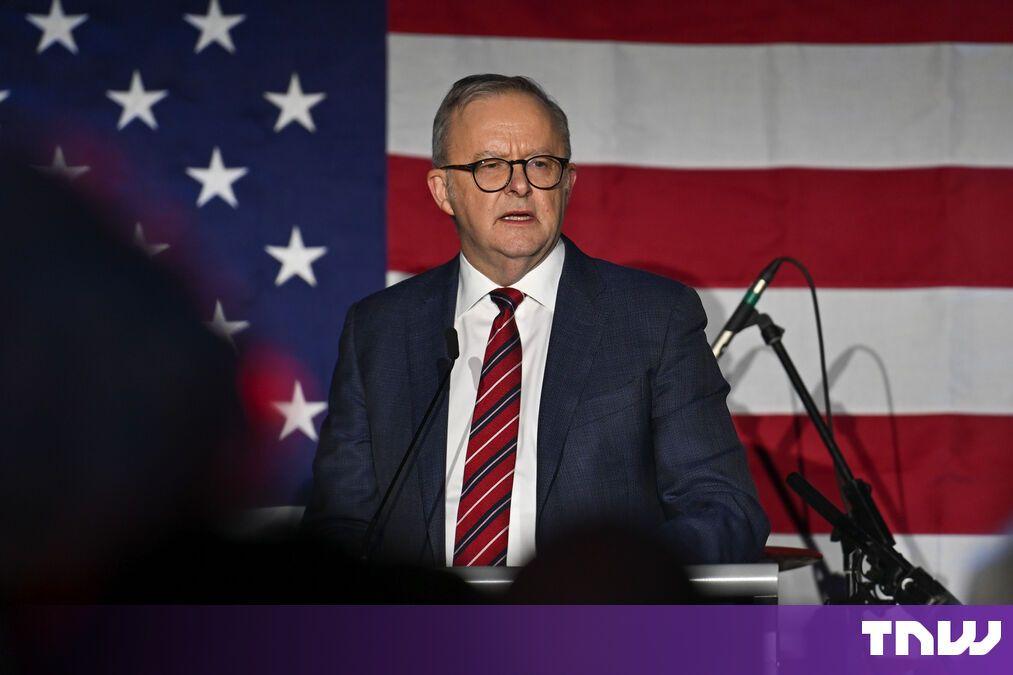
Prime Minister Anthony Albanese made an impassioned case for the legislation in a speech on Tuesday night, directly appealing to the opposition Coalition to support the bill. "The stories we hear about people identifying a chatbot, a non-person as their best friend, should be a huge wake up call for every member of this parliament to be prepared to act," Albanese stated
2
. This concern about fostering dependence in children on AI rather than human relationships has become central to the government's argument for urgent AI regulation1
.
Source: The Next Web
Senate Battle and Political Opposition
The bill now moves to the Senate, where its pathway remains uncertain despite Labor's hopes to pass it by the end of 2026
2
. The Coalition and One Nation voted against the bill in the House of Representatives, accusing Labor of building an "Orwellian" system of "censorship"1
3
. Wells strongly rejected these claims, telling ABC radio: "If they really care, the test is simple here, they should bring an amendment, not a slogan to 'kill the bill'"1
. The Greens support the bill and have established a Senate inquiry due to report in late November1
. Senator Sarah Hanson-Young backed the digital duty of care while calling for the legislation to be strengthened, with the Greens wanting Australians to have the right to pursue private legal action against platforms and for penalties to be increased2
.Related Stories
Push for Big Tech Ombudsman
Labor faces mounting pressure to expand the telecommunications ombudsman's role to cover social media and AI complaints. Independent MP Sophie Scamps proposed changes to the bill that would make the telecommunications industry ombudsman a watchdog for big tech, allowing ordinary social media users to seek remedies if their accounts were hacked or inaccessible, including compensation
2
. Labor did not accept this amendment in the lower house, but the Greens will push for it during Senate negotiations1
. Telecommunications ombudsman Cynthia Gebert said her office could take on this role, funded by big tech. "We can help with your Telstra account, but we can't help with your Gmail account," Gebert noted1
. She emphasized that while the digital duty of care bill puts the onus on platforms to create child safety, "the area that needs to be strengthened is giving people somewhere to go if they can't get their complaints resolved with the platform"2
.Global Context of Chatbot Dependency
Australia's duty of care bill follows growing international concern about AI chatbots and children. The country already implemented an under-16 social media ban, making it the first nation to do so in 2025
1
3
. China's Cyberspace Administration recently introduced similar regulations banning AI-generated romantic companions and virtual relationships with minors, forcing companies like ByteDance, Tencent, and Alibaba to submit their companion chatbots for evaluation3
. According to a recent American Psychological Association survey, 49% of adults who use AI conversed with it as a friend, and 47% used it as if it were a mental health professional3
. These findings underscore why simulating emotional intimacy through AI chatbots has become a focal point for regulators seeking to protect vulnerable users from developing unhealthy dependencies on non-human relationships.References
Summarized by

Navi
[2]
Related Stories
Senators Propose Sweeping Ban on AI Chatbots for Minors Following Teen Suicides
29 Oct 2025•Policy and Regulation
Australia Introduces Digital Duty of Care Laws to Force Tech Platforms to Protect Users
08 Sept 2026•Policy and Regulation

Senate committee backs AI child safety bill targeting OpenAI and Meta amid rising chatbot concerns
28 Apr 2026•Policy and Regulation

Recent Highlights


Recent Highlights
Today's Top Stories





Don’t drown in AI news. We cut through the noise - filtering, ranking and summarizing the most important AI news, breakthroughs and research daily. Follow topics that matter to you and stay ahead.


