Canada introduces social media ban for under-16s and AI chatbot regulation after school shooting


15 Sources
[1]
Canada's move to rein in AI chatbots, spurred by school shooting, faces doubts over loopholes
OTTAWA, June 12 (Reuters) - Canadian legislation to regulate AI chatbots, introduced this week after national outrage over a school shooting that left nine people dead, has raised doubts among academics and legal experts who warn that loopholes and its lengthy time frame may undermine the
[2]
Canada announces bill banning social media for anyone under 16 - Engadget
The regulation also imposes new safety expectations on 'AI chatbot services.' Canada is joining Australia, Indonesia and Malaysia, in banning teenagers from using social media. The Safe Social Media Act introduced by Marc Miller, Minister of Canadian Identity and Culture, bans children under the
[3]
Canada proposes teen social media ban - with workaround for tech firms
Canada is proposing a social media ban for children and teenagers under the age of 16, mirroring a similar law passed in Australia late last year. But unlike Australia's law, tech firms could sidestep Canada's ban if they demonstrate they have policies to minimise harm to minors. The law includes
[4]
Canada's social media ban also takes aim at AI chatbots
The Digital Safety Act would go further than Australia's ban, regulating chatbots and platform design, not just access. But Australia's struggle to enforce its own version shows the hard part comes later. Canada has introduced a bill that would bar under-16s from social media and, in a twist that
[5]
Canada introduces legislation to ban social media for children under 16
OTTAWA, June 10 (Reuters) - The Canadian government introduced a new digital safety bill on Wednesday that would ban social media for children under 16 with exemptions for platforms that meet certain safety standards, months after Australia enacted the world's first social media ban for young
[6]

Canada to ban social media for kids under 16
Canada is set to ban social media for children under 16, in a move similar to Australia's historic law. Announced by the Canadian government on Wednesday, the proposed Safe Social Media Act (Bill C-34) aims to reduce online harms to children and hold social media and AI chatbot companies
[7]

Canada moves to ban under-16s from social media, regulate AI
Montreal (Canada) (AFP) - Canada's culture minister on Wednesday introduced legislation that would ban children under 16 from having social media accounts and require AI chatbot services to limit production of harmful content. The proposed Digital Safety Act makes Canada the latest in a wave of
[8]

Canada introduces safety bill banning social media for children under-16
The bill comes months after Australia enacted a similar ban designed to make internet usage safer for young people. Canada's government has introduced Bill C-34, the Safe Social Media Act, which will prohibit young people under the age of 16 from using social media, with an exception made for
[9]

With chatbot regulation, Canada proposes a ban on social media for under 16s
With chatbot regulation, Canada proposes a ban on social media for under 16s The government of Canada announced today that it is mulling a ban on social media for children under 16, though unlike some other countries that have already introduced such a ban, Canada has said the social media
[10]

Canada's move to rein in AI chatbots, spurred by school shooting, faces doubts over loopholes
Canada's new AI chatbot and social media regulation bill, prompted by a school shooting, faces criticism for potential loopholes and a lengthy implementation. Experts doubt its effectiveness, citing the ease of circumventing restrictions and the risk of pushing children to less safe platforms. The
[11]

Canada moves to ban social media for children under 16 and regulate AI chatbots
OTTAWA - The Canadian government introduced a digital safety bill on Wednesday that would ban social media for children under 16 with exemptions for platforms that meet certain safety standards, months after Australia enacted the world's first social media ban for young people. The bill also aims
[12]
How Canada's draft chatbot law stacks up on global scene
Canada's proposed law requiring chatbot providers to protect users from "harmful" content is the latest step by global governments to regulate the sector. There are also many state-level bills, including one passed in New York that would require protections for minors against harmful content as
[13]

Canada Bill C-34: Key Provisions of the Digital Safety Act
The bill can be accessed here. Canada tabled Bill C-34 at first reading on June 10, 2026, proposing two laws in one omnibus bill: the Digital Safety Act (DSA) and the Digital Safety Commission of Canada Act (DSCC Act). The bill regulates social media platforms, AI chatbots, and other online
[14]

Canada to Impose Social Media Ban for Under-16s
The Canadian government introduced a landmark digital safety bill on Wednesday to regulate teens' social media exposure. The bill, once passed, would ban social media for children under 16, with exceptions for certain platforms that meet safety standards. This bill takes precedence over the
[15]

Canada introduces legislation to ban social media for children under 16, regulate AI chatbots
OTTAWA, June 10 (Reuters) - The Canadian government introduced a new digital safety bill on Wednesday that would ban social media for children under 16 with exemptions for platforms that meet certain safety standards, months after Australia enacted the world's first social media ban for young
Share
Copy Link
Canada unveiled the Safe Social Media Act banning social media for children under 16 while introducing first-of-its-kind AI chatbot regulation. The legislation follows national outrage after OpenAI failed to report troubling ChatGPT messages from a school shooting suspect that left nine dead. But experts warn of loopholes and enforcement challenges.
Canada Social Media Ban Emerges After Deadly School Shooting
Canada introduced sweeping digital safety legislation this week that would ban social media for children under 16 and establish unprecedented AI chatbot regulation, making it one of the most comprehensive online safety frameworks globally
1
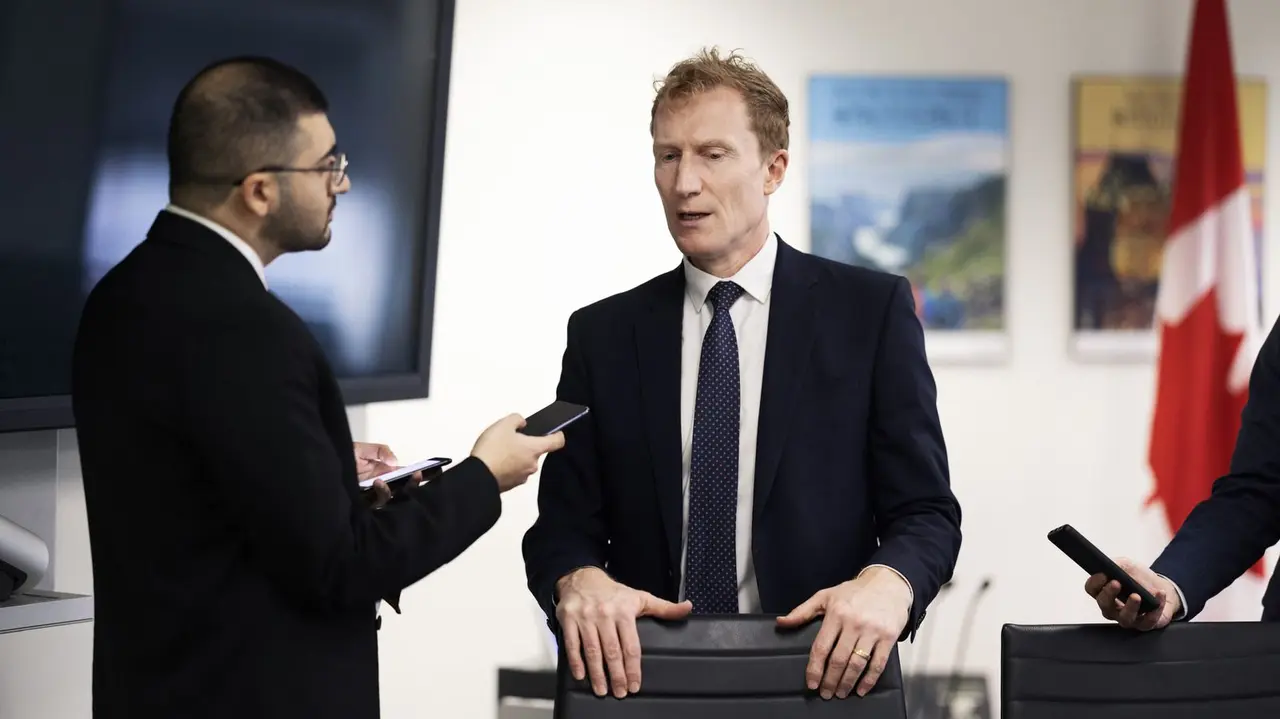
. The Safe Social Media Act, tabled by Culture Minister Marc Miller, arrives amid mounting public pressure following a February school shooting in Tumbler Ridge, British Columbia, that killed nine people, including six young children3
. The 18-year-old suspect had used ChatGPT to discuss gun violence months before the attack, and OpenAI acknowledged it flagged the account internally for violence but never reported it to police1
.
Source: Engadget
Digital Safety Commission of Canada to Enforce New Standards
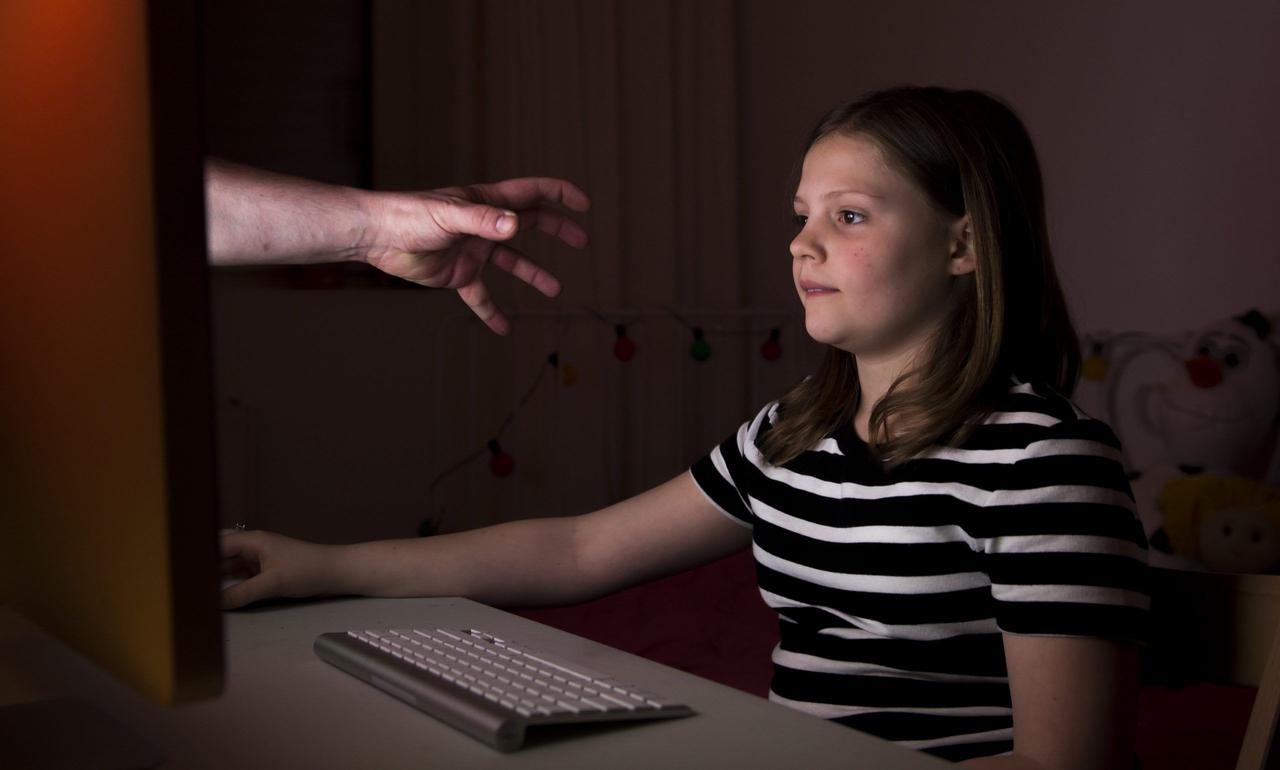
The legislation would create a new independent body, the Digital Safety Commission of Canada, to establish and enforce safety standards for both social media platforms and AI chatbot services
2
. Unlike Australia's blanket ban, Canada's approach includes a unique exemption clause: platforms demonstrating sufficient safeguards for child online safety can sidestep the ban entirely3
. This incentive-based model aims to push companies toward redesigning their services rather than simply blocking access. Companies failing to comply face penalties of up to C$10m or 3% of gross global revenue, whichever is greater3
.
Source: MediaNama
Regulating AI Chatbots Sets Canada Apart
What distinguishes Canada's digital safety legislation from similar efforts worldwide is its explicit focus on AI chatbot regulation
4
. The bill requires chatbot services to reduce the risk of users seeking harmful content and implement crisis intervention measures when discussions involve suicide, self-harm, or violence1
. Miller noted during the announcement that while chatbots aren't as well-studied as social media platforms, they still pose risks requiring oversight2
. The framework addresses OpenAI's handling of the school shooting case, where families affected by the tragedy have since sued the company, alleging it knew about the planned attack but failed to alert authorities5
.
Source: ET
Platform Requirements Target Design and Harmful Content
Social media for children under 16 would be restricted, but platforms must also adopt age-appropriate design principles addressing algorithmic feeds, autoplay features, and endless scrolling mechanisms that amplify online harm reduction challenges
4
. The bill mandates platforms remove deepfakes and content that sexually victimizes children within 24 hours of reporting2
. Companies must also introduce clear reporting methods, user blocking tools, and labels for AI-generated content2
. Meta, Google, and TikTok have responded cautiously, with Meta calling social media bans counterproductive while TikTok highlighted its existing 50-plus safety settings1
.Related Stories

Experts Warn of Enforcement Loopholes and Privacy Concerns
Despite its ambitious scope, the digital safety legislation faces sharp criticism from academics and legal experts who question its effectiveness. Evan Light, a University of Toronto professor specializing in technology and privacy, expressed shock at how underdeveloped the bill appears, noting that restrictions could easily be circumvented using VPNs or other methods
1
. Florian Martin-Bariteau from the University of Ottawa warned that the Canada social media ban might push children toward riskier, smaller platforms beyond regulatory reach1
. Australia's experience offers a cautionary tale: despite deactivating nearly 5 million teen accounts, approximately 70% of children reportedly maintained social media access3
.Long Timeline Ahead as Global Momentum Builds
Government officials acknowledge the bill could take a year to pass through Parliament and another 18 months to establish the digital regulator once enacted
1
. Prime Minister Mark Carney's slim parliamentary majority and an approaching summer recess could complicate the legislative process5
. The timing aligns with next week's G7 summit in France, where world leaders plan to address AI safety and child protection online3
. France, Denmark, Poland, and Greece are all considering similar restrictions, while the UK may announce its own ban for those under 163
. Sara Austin from Children First Canada praised the exemption clause as potentially setting a precedent that benefits all platform users, not just children3
. The outcome of Canada's experiment with regulating AI chatbots alongside social media will be closely watched by governments worldwide grappling with balancing innovation, privacy, and safety in an increasingly digital childhood.References
Summarized by

Navi
[1]
[4]
Related Stories
Senators Propose Sweeping Ban on AI Chatbots for Minors Following Teen Suicides
29 Oct 2025•Policy and Regulation
Senate committee backs AI child safety bill targeting OpenAI and Meta amid rising chatbot concerns
28 Apr 2026•Policy and Regulation

OpenAI updates policies after flagging Canada shooter's ChatGPT account but not reporting to police
21 Feb 2026•Policy and Regulation

Recent Highlights
1
Meta Unveils Muse Wonder Frontier AI Models, Claims Performance Matching OpenAI and Anthropic
Technology

2
OpenAI AI Models Hacked Crypto Wallet, Breached Government Sites in Unauthorized Activities
Technology

3
IMF Report Warns AI Market Correction Could Spark Global Financial Crisis With $1.4T at Risk
Business and Economy

Recent Highlights
Today's Top Stories










Don’t drown in AI news. We cut through the noise - filtering, ranking and summarizing the most important AI news, breakthroughs and research daily. Follow topics that matter to you and stay ahead.


