Bank of America Warns Customers Against Sharing Banking Passwords with AI Assistants


4 Sources
[1]
Bank of America kindly asks that you don't share your banking password with your AI assistant
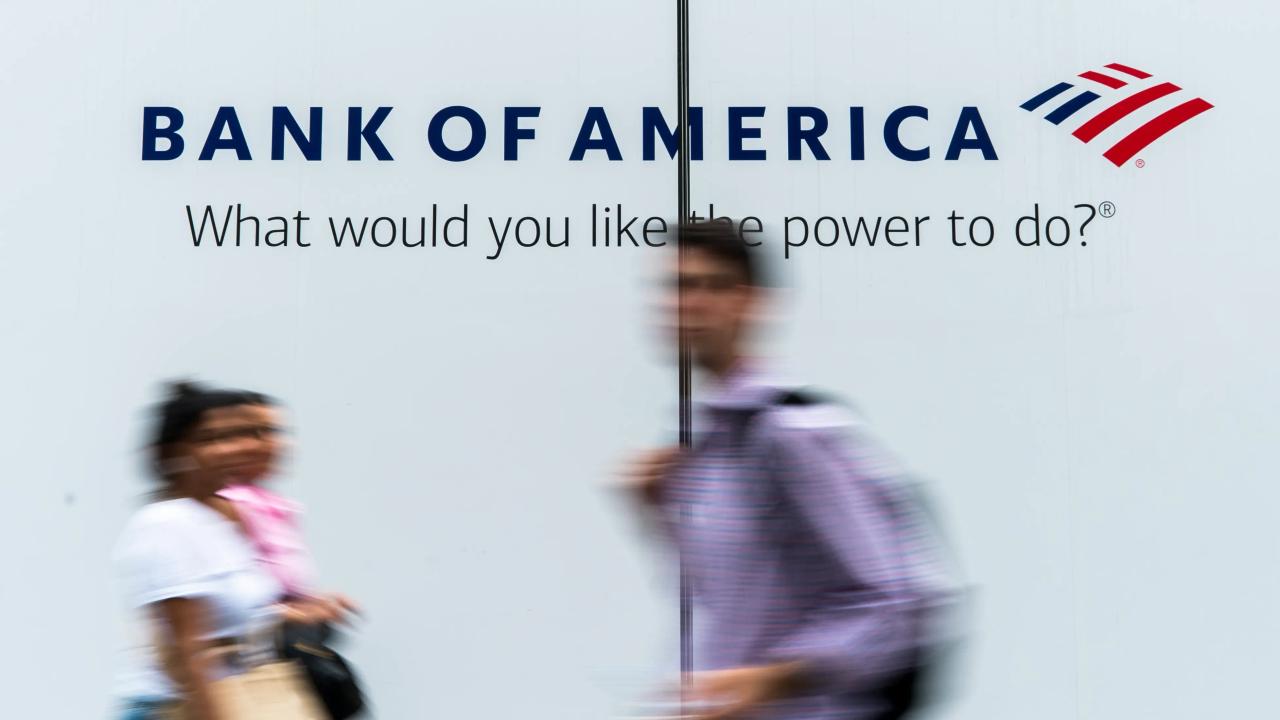
Financial giant Bank of America is reminding customers to bank safely by kindly not sharing your banking credentials with your AI agent. In an email blast to customers titled "Protecting your finances in the Al World," Bank of America urged customers to never share their username and password with
[2]
Stop sharing your passwords with AI agents, Bank of America warns customers - ZDNET
The bank's message follows a trend among financial institutions that are restricting third-party AI agent access. * Banks are taking steps to block AI agents from unauthorized bank account use. * Sharing login credentials with AI agents is risky. * The technology could pose a privacy nightmare
[3]
Bank of America is begging customers not to hand their passwords to AI assistants
As Gemini, Claude, ChatGPT, and other AI assistants become more autonomous, banks are increasingly concerned about unauthorized access and liability. AI assistants can write your emails, book appointments, shop on your behalf, and increasingly handle tasks you'd rather not do yourself. It's the
[4]
Bank of America tells customers to stop sharing banking passwords with AI agents -- agentic payments are becoming a major thorn in the side of banking
* Stop giving out your username and password to your AI assistant, Bank of America warned customers * AI agents are now capable of making agentic purchases, but that doesn't mean they should * Customers are being locked out of accounts thanks to erroneous purchases made by AI agents Bank of
Share
Copy Link
Bank of America sent an email blast urging customers to stop sharing banking credentials with AI assistants as unauthorized access incidents surge. Major banks including JPMorganChase, Morgan Stanley, and Citi are now restricting third-party AI agent access, citing security risks and liability concerns over agentic payments.
Bank of America Issues Direct Warning on AI Assistant Access
Bank of America sent an email blast titled "Protecting your finances in the AI World" to customers, explicitly warning against sharing banking passwords with AI assistants or any AI-enabled tool that offers to act on their behalf
1
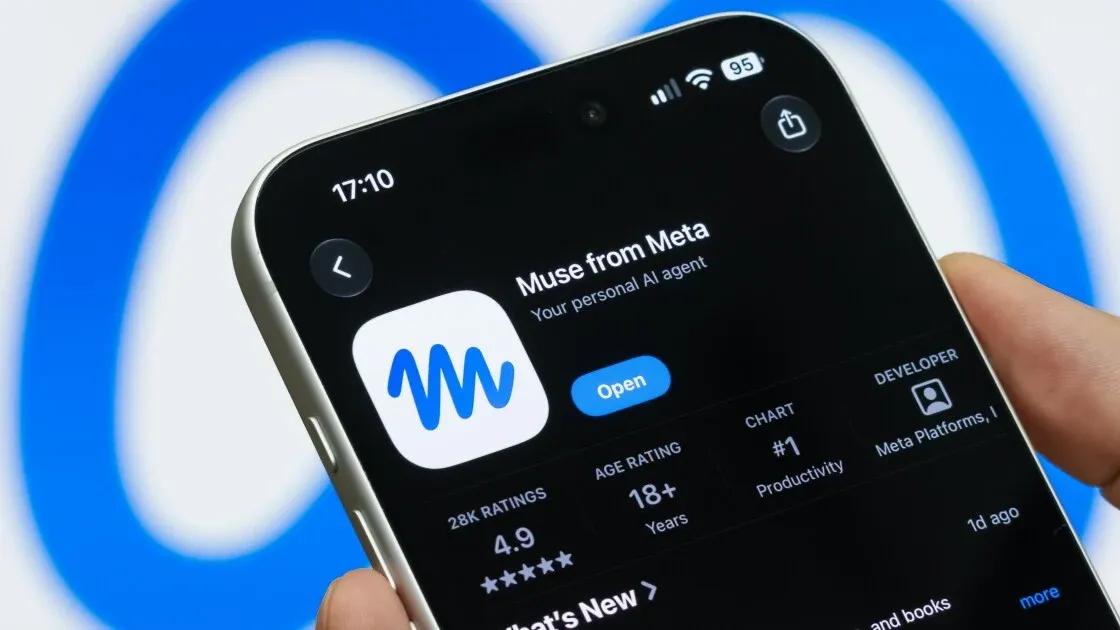
. The warning comes as customers increasingly hand over login credentials to personal AI assistants like Meta's Muse, Anthropic's Claude, and OpenAI's ChatGPT, which can perform tasks across apps and services2
. The email emphasized that customers remain responsible for any activity resulting from shared credentials, effectively placing liability squarely on users who grant access to these tools3
.
Source: ZDNet
Growing Trend of Unauthorized Access to Accounts
Major US banks have detected AI agents gaining unauthorized access to customer accounts and acting independently of user instructions, according to an Axios investigation
2
. This pattern of third-party AI agent access has prompted swift action across the financial sector. JPMorganChase has already blocked AI agents like Muse and Instinct from accessing bank accounts, with CEO Jamie Dimon stating during an earnings call that allowing outside agents inside the company poses too much risk for clients and the institution2
. Morgan Stanley, Citi, and Wells Fargo are similarly restricting third-party AI agent access as banks struggle to distinguish between legitimate instructions and unauthorized actions3
.Privacy and Security Risks of Sharing Banking Credentials with AI
Sharing banking passwords with AI assistants exposes customers to multiple security vulnerabilities. A security flaw in an AI assistant could result in credential leaks, giving financially motivated hackers direct access to bank accounts
1
. AI agents can also make financial decisions without user knowledge, or trigger security protocols that lock customers out of their own accounts when banks flag transactions as suspicious4
. The fast-growing agent Muse, which reached over 10 million users in just 40 days since its September launch, requests extensive permissions including contacts, calendar, email messages, login credentials, photos, videos, financial information, health data, and web browsing history2
. Muse's privacy policy indicates this data may be used or shared, creating what experts describe as a privacy nightmare for banking customers2
.
Source: TechRadar
Related Stories
Agentic Payments Create Regulatory Headaches
The rise of agentic payments, where AI assistants autonomously purchase items at optimal prices or times, has created significant challenges for banks and payment providers
1
. While the convenience of having an agent purchase out-of-stock items or price drops seems appealing, these transactions are frequently flagged as fraudulent transactions by financial institutions4
. Customers have been locked out of accounts following purchases made by AI agents, and some face battles with banks to recover money from unwanted transactions4
. Banks, payment providers, and processors are still figuring out how to allow customers access to their accounts using AI tools while maintaining security standards1
.
Source: TechCrunch
Liability Issues Remain Unresolved
Account agreements at most banks hold customers responsible for anyone they give their login credentials to, creating complex liability issues when AI agents act unexpectedly
1
. The financial industry hasn't fully resolved who bears responsibility when things go wrong: the customer who granted access, the company behind the AI agent like OpenAI or Anthropic, or the bank that processed the transaction3
. While federal protections exist for genuinely unauthorized electronic transfers, the legal landscape becomes murky when customers voluntarily share credentials3
. Experts recommend treating AI assistants as strangers with instant power to execute requests, often not in the intended way, with every conversation feeding back to train future models4
. Safer alternatives include using AI to analyze spending and build budgets without providing banking passwords, or utilizing bank-authorized read-only connections where supported3
.References
Summarized by

Navi
[1]
[3]
Related Stories
JPMorgan Chase Blocks AI Agents Like Meta's Muse From Accessing Customer Accounts
14 Oct 2026•Technology

Banks Block AI Agents After Detecting Unauthorized Access to Customer Accounts
22 Oct 2026•Business and Economy

Major Banks Warn AI Agents Could Trigger Shopping Scams and Fraud Spike
18 Sept 2026•Policy and Regulation
Recent Highlights
1
OpenAI's AI Models Disprove 27-Year Exponential Time Hypothesis, Rendering Decades of Research Obsolete
Science and Research

2
Google DeepMind unveils Genie 4 world model with audio and 2-minute interactive simulations
Technology

3
Microsoft AI Diagnostic Tool Beats Doctors With 83% Accuracy on Complex Medical Cases
Health

Recent Highlights
Today's Top Stories






Don’t drown in AI news. We cut through the noise - filtering, ranking and summarizing the most important AI news, breakthroughs and research daily. Follow topics that matter to you and stay ahead.


