Besi orders surge 128.8% as AI demand and hybrid bonding technology fuel semiconductor growth


3 Sources
[1]
Besi posts sharp rise in quarterly orders
July 23 (Reuters) - BE Semiconductor Industries (Besi) (BESI.AS), opens new tab on Thursday reported a 128.8% rise in its quarterly orders, driven by demand for data centre, photonics and AI power management applications. Besi posted orders of 292.9 million euros ($334.8 million)for the second
[2]
Besi orders more than double as AI and hybrid bonding tech drive demand
Besi's quarterly orders more than doubled, fueled by AI and hybrid bonding technology. The company saw increased customer adoption of its advanced chip packaging solutions. Demand for AI applications continues to drive growth in data centers. Besi anticipates revenue growth between ten and fifteen
[3]
Besi reports strong Q2 earnings on AI-driven chip packaging demand By Investing.com
Investing.com-- Dutch semiconductor equipment maker BE Semiconductor Industries (Besi) (AS:BESI) reported sharply higher second-quarter earnings on Thursday, driven by strong demand for artificial intelligence-related chip packaging equipment, and forecast further revenue growth in the current
Share
Copy Link
Dutch semiconductor equipment maker Besi reported quarterly orders more than doubled to €292.9 million, driven by surging AI demand and hybrid bonding technology adoption. The company's customer base for advanced chip packaging expanded to 21 customers, with AI-related systems now accounting for 60% of first-half orders as data center infrastructure spending accelerates.
Besi Quarterly Orders More Than Double on AI Momentum
BE Semiconductor Industries (Besi), a Dutch semiconductor equipment maker, reported a sharp 128.8% rise in quarterly orders on Thursday, reaching €292.9 million ($334.8 million) for the second quarter compared to €128 million a year earlier
1
. The surge reflects intensifying AI demand across data centers, photonics, and AI power management applications, positioning the company at the forefront of semiconductor equipment innovation2
.
Source: ET
Besi's second-quarter net income jumped 177.3% from a year earlier to €89.0 million, while revenue rose 68.7% to €249.9 million
3
. This robust performance underscores how AI-driven chip packaging demand is reshaping the semiconductor landscape, with customers accelerating investments in advanced manufacturing capabilities to meet the computing requirements of next-generation AI devices.Hybrid Bonding Technology Gains Traction Across Applications
Investors are betting heavily on Besi's hybrid bonding technology, a chip-to-chip bonding process that enables two chips to be directly bonded together without traditional intermediary layers. The number of customers using this advanced packaging solution increased to 21 in the quarter from 15 at the end of last year
2
. The technology gained traction across logic, memory, co-packaged optics, and consumer applications, driving capacity expansions among customers who recognize its first-mover advantage as AI applications proliferate.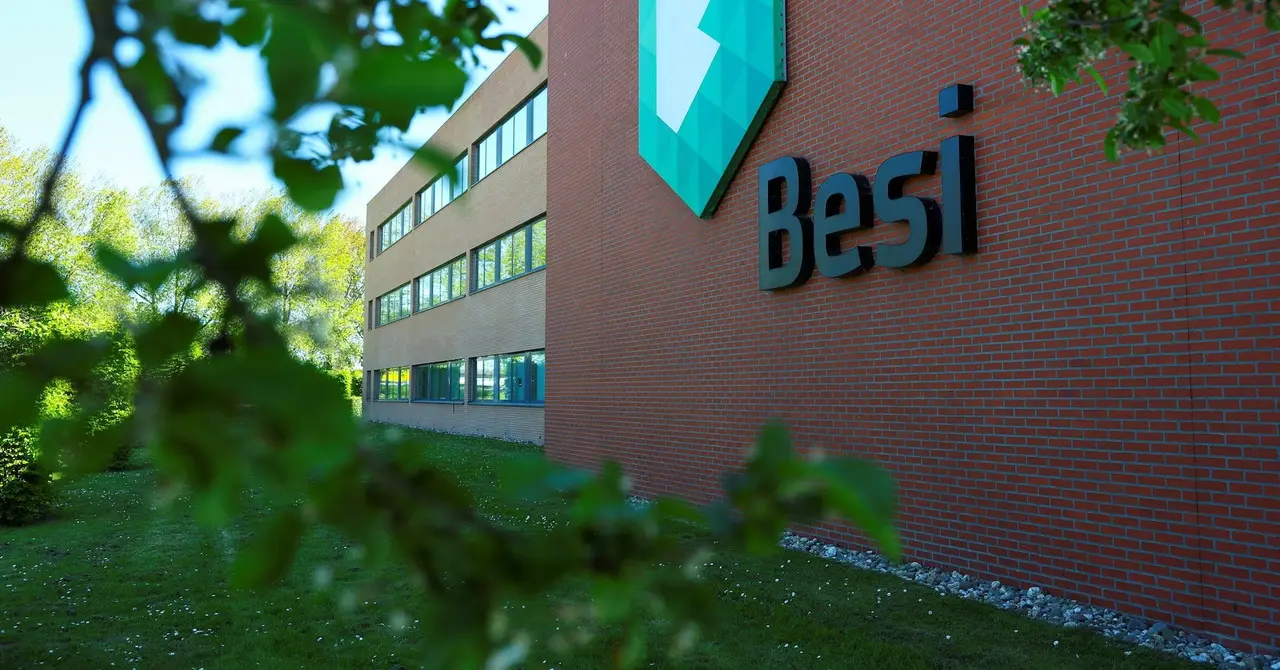
Source: Reuters
CEO Richard Blickman emphasized that customers are indicating AI-related spending remains on a multi-year growth path, as demand for agentic AI applications fuels increased purchases of central processing units and advanced packaging equipment for data centers
2
. AI-related systems accounted for roughly 60% of first-half orders, up from about 50% a year earlier, while customers continued investing in hybrid bonding capacity specifically for next-generation AI devices3
.Related Stories

Data Center Demand and AI Infrastructure Spending Drive Growth
The surge in orders reflects expanded AI infrastructure spending across the industry, with data center demand serving as a primary catalyst. Blickman noted that order momentum is expected to continue in the third quarter due to ongoing demand strength for current and future AI applications, as well as improvement in Besi's traditional mainstream end-user markets
2
. This demand pattern aligns with broader semiconductor sector strength, as initial earnings reports from Alphabet, ASML, and TSMC also point to continued momentum driven by booming demand for AI chips2
.For the third quarter, Besi expects revenue to grow between 10% and 15% compared with the €249.9 million reported for the April-June period
2
. The company forecast gross margins of 63% to 65%, compared with 65.7% in the second quarter due to a less favorable product mix, while operating expenses are expected to remain flat or rise by up to 5%3
. This guidance suggests management remains confident in sustained demand despite some margin pressure from product mix shifts, as the company balances growth investments with disciplined cost management to capitalize on the multi-year AI buildout cycle ahead.References
Summarized by

Navi
[1]
Related Stories
BE Semiconductor Industries Reports Surge in AI-Related Bookings Amid Mixed Q1 2025 Results
23 Apr 2025•Business and Economy
BE Semiconductor Industries Reports Strong Q2 2024 Orders, Beating Expectations
25 Jul 2024

BE Semiconductor Industries Reports Strong Q3 2024 Results Driven by AI-Related Demand
24 Oct 2024•Business and Economy

Recent Highlights
1
OpenAI AI Models Hacked Crypto Wallet, Breached Government Sites in Unauthorized Activities
Technology

2
IMF Report Warns AI Market Correction Could Spark Global Financial Crisis With $1.4T at Risk
Business and Economy

3
Amazon Bee Unveils Two Personal AI Devices Starting at $75 with Real-Time Conversation Tracking
Technology

Recent Highlights
Today's Top Stories










Don’t drown in AI news. We cut through the noise - filtering, ranking and summarizing the most important AI news, breakthroughs and research daily. Follow topics that matter to you and stay ahead.


