3 Sources
[1]
Boeing to Sell 3 Autonomous Flight Subsidiaries
In exchange for the sale to Archer Aviation, which is developing a piloted electric aircraft, Boeing will receive a 16.5 percent stake in Archer. Boeing is selling three subsidiaries working on autonomous flight to Archer Aviation, one of a handful of companies racing to bring small electric aircraft to market. In exchange, Boeing will receive a nearly 16.5 percent stake in Archer and other benefits. Archer announced the deal on Monday, saying that it would acquire Boeing's Wisk Aero unit, which is developing an electric, autonomous air taxi; SkyGrid, which is working on an automated air traffic management system; and Insitu, which is developing unmanned aircraft for military purposes. Archer itself is developing piloted electric aircraft capable of taking off and landing vertically like a helicopter, for both commercial and defense uses. The deal is expected to close by the end of this year, pending regulatory approval. "This is a watershed moment for Archer and the future of physical A.I. in aerospace and defense," Adam Goldstein, the company's founder and chief executive, said in a statement. "This is the next big step forward in becoming a diversified platform, rapidly growing our revenue base and bringing scale to our business." Wisk and Archer were onetime rivals. In 2023, the two companies agreed to end a bitter legal dispute in which Wisk accused Archer of stealing proprietary information. As part of that agreement, Boeing invested an undisclosed amount in Archer. Wisk was formed in 2019 as a partnership between Boeing and Kitty Hawk, a company backed by Google's co-founder Larry Page. After a series of crises beginning in 2018, Boeing has spent the last few years focusing on its core businesses. In addition to the nearly 17 percent stake in Archer, Boeing will get the opportunity to buy up to $200 million of Archer shares at preset prices over the next few years, and a seat on Archer's board. The companies will also enter into a technology-sharing agreement under which Boeing will keep access to Wisk's autonomous flight technology for its own commercial and military aircraft. "This transaction is a win-win for Boeing and Archer," Brian Yutko, a Boeing vice president and former chief executive of Wisk, said in a statement. "Having worked with the incredible teams in these companies firsthand, it's clear this transaction will create an industry leader in the advanced aviation market."
[2]
Self-flying air taxis and drones: Boeing sells key aviation technology businesses to Archer
Archer Aviation is acquiring three Boeing subsidiaries focused on autonomous aircraft, airspace management and unmanned systems, a deal that will significantly expand the electric aircraft maker's business into defense and add more than $200 million in annual revenue. The companies announced the deal Monday, saying Archer will acquire Wisk Aero, SkyGrid and Insitu. The transaction is expected to close by the end of 2026, subject to regulatory and other closing conditions. The deal brings together Archer's work on electric vertical takeoff and landing aircraft, unmanned aircraft and artificial intelligence with Boeing's investments in autonomous flight and defense technologies. The transaction represents a major expansion by Archer beyond its core effort to develop electric air taxis. The company said the three Boeing businesses operate across 35 countries and collectively have nearly two million flight hours. Bingen, Wash.-based Insitu, which develops and manufactures uncrewed aircraft systems for intelligence, surveillance and reconnaissance, is the largest piece of the acquisition from a defense perspective. The profitable unit has manufactured and deployed more than 3,500 unmanned aircraft and supports military customers in 35 countries, according to the companies. Founded in 1994, Insitu was acquired by Boeing in 2008 for about $400 million. Insitu's portfolio includes small unmanned aircraft systems, vertical-takeoff-and-landing capabilities and software designed to support military intelligence and surveillance operations. It has offices in the U.S., Australia, the U.K. and the United Arab Emirates. Mountain View, Calif.-based Wisk was formed in 2019 as a joint venture between Boeing and Kitty Hawk Corp. and has since developed autonomous electric aircraft. The company -- which raised $450 million from Boeing in 2022 -- has designed, built and flown six generations of its eVTOL air taxi systems and conducted more than 1,700 flight tests. Austin, Texas-based SkyGrid provides software for managing increasingly automated airspace, including systems designed to coordinate aircraft and integrate autonomous vehicles into the broader aviation system. Archer said it plans to combine those capabilities with its own artificial intelligence platform, known as ZEE, which the company describes as a foundation model for aerospace and defense applications. "This is a watershed moment for Archer and the future of physical AI in aerospace and defense," Archer founder and CEO Adam Goldstein said in a statement. "This is the next big step forward in becoming a diversified platform, rapidly growing our revenue base and bringing scale to our business." The transaction also creates a new strategic relationship between Archer and Boeing. As part of the deal, Boeing will take a stake in Archer and enter into a collaboration and technology-sharing agreement with the company. Boeing will own 19.75% for Archer's class A shares, with the option to buy more. It will also retain access to Wisk's core autonomous flight technology for use in its current and future commercial and defense aircraft. "This transaction is a win-win for Boeing and Archer," Brian Yutko, Boeing's vice president of Commercial Airplanes Product Development, said in a statement. "It allows Wisk, SkyGrid and Insitu to accelerate capability development and time to market while ensuring Boeing capitalizes on its investments in these technologies over the past two decades through continued development in our core businesses." For Boeing, the transaction provides a way to retain exposure to the technologies while shifting the three businesses into Archer, where they can be combined with its aircraft and AI efforts. Archer, based in Silicon Valley, is developing its Midnight electric air taxi which it touts as a "new way to move through cities." Monday's deals also increasingly expand Archer's focus to defense applications and other aircraft technologies. Shares of Archer soared in Monday trading, up more than 7 percent.
[3]
Boeing is selling flying taxi venture Wisk, WA-based Insitu to Archer
Boeing is selling three subsidiaries to Archer Aviation, a California-based company working on so-called flying taxis, drones and artificial intelligence, according to a joint news release from both companies Monday. The aerospace giant is selling Wisk, its autonomous flying taxi subsidiary based in California, as well as Washington-based Insitu, which develops unmanned aircraft systems. It is also offloading SkyGrid, its ground-based air traffic management solution headquartered in Texas. As part of the deal announced Monday, Boeing will take a stake in Archer and retain access to Wisk's autonomous flight technology for its current and future aircraft, the companies said. Boeing will take a nearly 20% stake in Archer, according to Archer's financial statements publicized Monday. Combining Boeing's three subsidiaries with Archer's own air taxi, unmanned systems and AI technologies will bring "new and innovative solutions to the market," the companies said. "This transaction is a win-win for Boeing and Archer," said Brian Yutko, Boeing's vice president for commercial airplanes product development and Wisk's former CEO. "Having worked with the incredible teams in these companies firsthand, it's clear this transaction will create an industry leader in the advanced aviation market." Archer's CEO Adam Goldstein called the deal a "watershed moment for Archer and the future of physical AI in aerospace and defense." Flying taxis, officially known as electric vertical takeoff and landing, or eVTOL, aircraft, take off more like a helicopter than a traditional commercial jet. Because they rely on rechargeable batteries rather than jet fuel, they are part of the aviation industry's push to decarbonize. The industry has been promising to bring eVTOLs to passengers for years but progress has been slow, with some startup-style companies running out of money and dropping out of the race and others missing their own deadlines. Wisk, one of few companies working on a fully autonomous eVTOL, had hoped to certify its first aircraft with safety regulators by the end of the decade and celebrated the successful first flight of its sixth-generation aircraft in December. Boeing has participated in two of Wisk's funding rounds and the California-based plane-maker has been a wholly owned subsidiary of the larger manufacturer since 2023. Archer is aiming to fly passengers in its eVTOL aircraft Midnight by the 2028 Olympics in Los Angeles. It is participating in a federal pilot program meant to speed up development by allowing some manufacturers to start collecting data and testing their operations before the planes are certified. Wisk was also slated to participate in the program. Last month, Archer announced it was partnering with Anduril to develop a hybrid-electric vertical takeoff and landing aircraft for both defense and commercial applications. Archer's stock price soared Monday morning after the news that it would acquire Boeing's subsidiaries. Boeing and Archer expect the deal will close by the end of 2026. Last year, Boeing sold its flight navigation unit Jeppesen to private equity firm Thoma Bravo in a roughly $10.6 billion deal. Boeing CEO Kelly Ortberg, who took the reins in 2024 after a nearly catastrophic midair fuselage blowout, said early in his tenure that he was reviewing the company's portfolio in an effort to keep focused on core parts of the business. Insitu, based in Bingen, Klickitat County, and part of Boeing's defense business, has offices in the U.S., Australia, the UK and the UAE. It has manufactured more than 3,500 unmanned aircraft systems and generates $200 million in annual revenue, according to the news release published Monday. It's unclear what the acquisition will mean for Washington-based workers.
Share
Copy Link
Boeing is selling Wisk Aero, SkyGrid, and Insitu to Archer Aviation in exchange for a nearly 20% stake in the electric aircraft maker. The transaction adds over $200 million in annual revenue to Archer and marks a major shift as Boeing refocuses on core businesses while retaining access to autonomous flight technology.
Boeing announced Monday it is selling three subsidiaries focused on autonomous flight and unmanned systems to Archer Aviation, marking a significant restructuring as the aerospace giant narrows its focus on core businesses
1
. The deal transfers Wisk Aero, SkyGrid, and Insitu to the California-based electric aircraft maker in exchange for a nearly 20% stake in Archer, positioning the transaction as a strategic pivot for both companies2
. Expected to close by the end of 2026 pending regulatory approval, the acquisition brings together Boeing's investments in autonomous air taxi development, air traffic management systems, and military-grade unmanned aircraft systems with Archer's electric vertical takeoff and landing (eVTOL) technology3
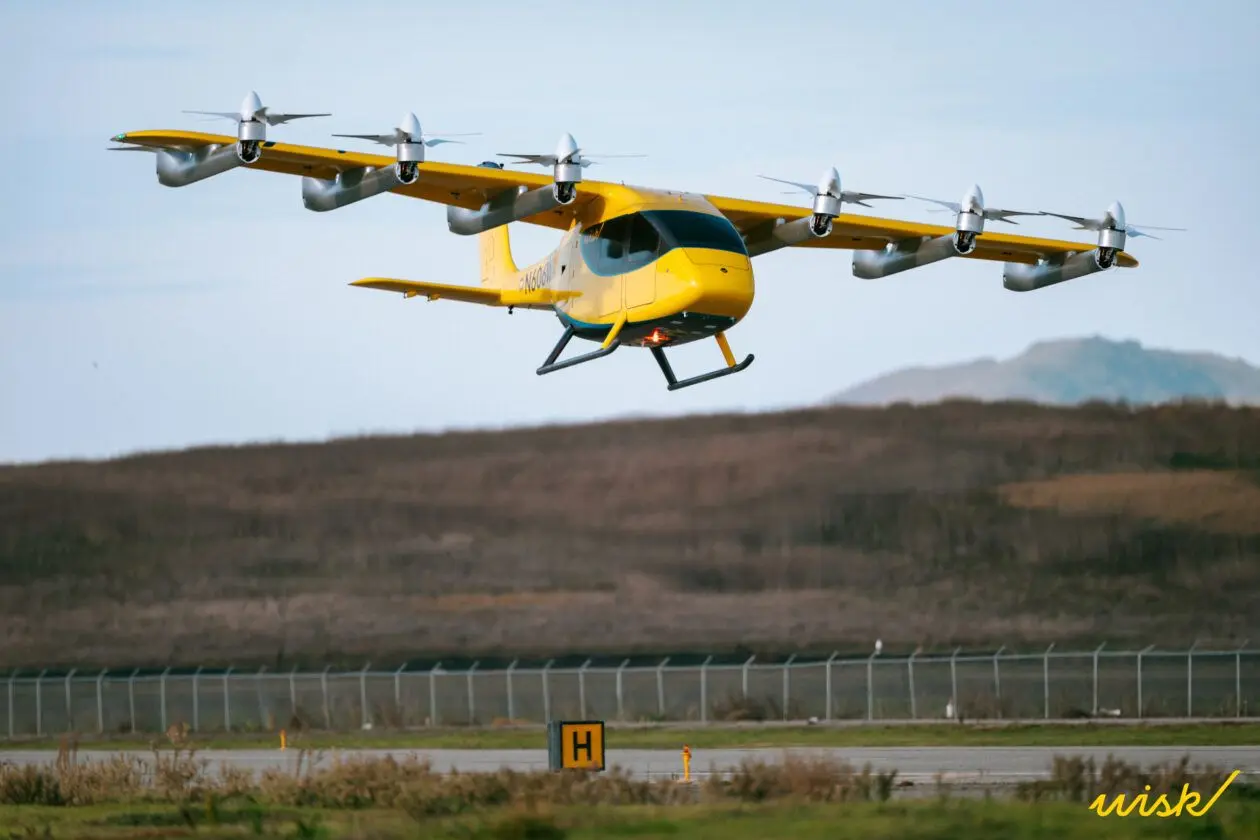
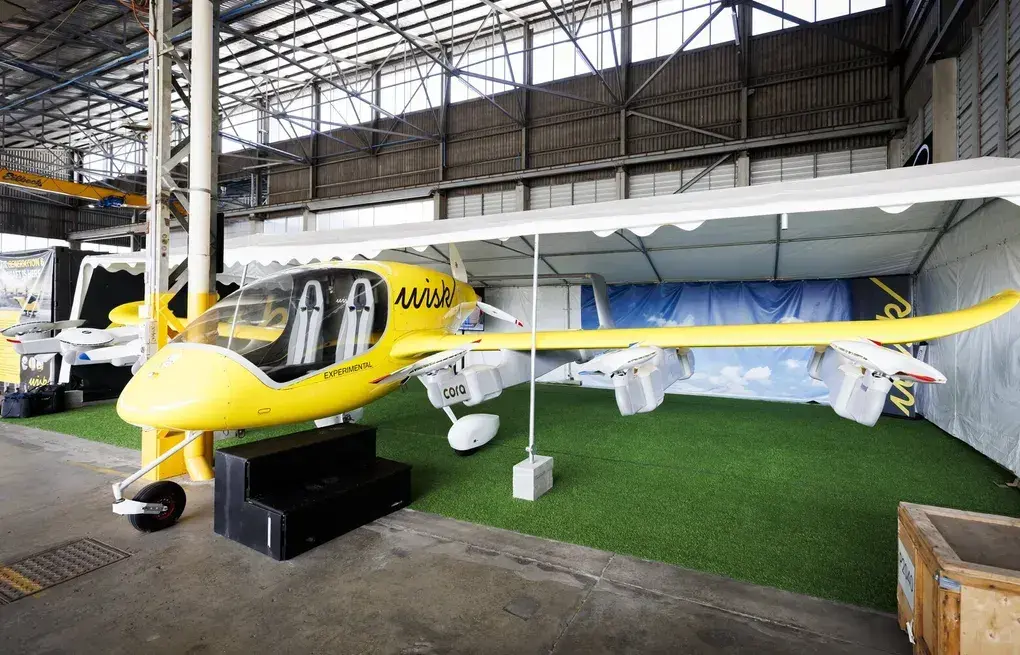
.The centerpiece of the acquisition is Wisk Aero, formed in 2019 as a joint venture between Boeing and Kitty Hawk Corp., backed by Google co-founder Larry Page
1
. Wisk raised $450 million from Boeing in 2022 and has since designed six generations of autonomous eVTOL air taxi systems, conducting more than 1,700 flight tests2
. The company successfully completed the first flight of its sixth-generation aircraft in December and had been targeting certification by the end of the decade3
. Archer is also acquiring Bingen, Washington-based Insitu, a profitable defense contractor that has manufactured more than 3,500 unmanned aircraft systems for intelligence, surveillance, and reconnaissance across 35 countries, generating $200 million in annual revenue2
. Boeing originally acquired Insitu in 2008 for approximately $400 million2
.
Source: GeekWire
Boeing will receive 19.75% of Archer's class A shares, with the option to purchase up to $200 million of additional Archer shares at preset prices over the coming years
1
. The aerospace manufacturer will also secure a seat on Archer's board and enter into a technology-sharing agreement that ensures continued access to Wisk's autonomous flight technology for Boeing's current and future commercial and defense aircraft1
. Brian Yutko, Boeing's vice president of commercial airplanes product development and former CEO of Wisk, described the transaction as allowing Boeing to "capitalize on its investments in these technologies over the past two decades through continued development in our core businesses"2
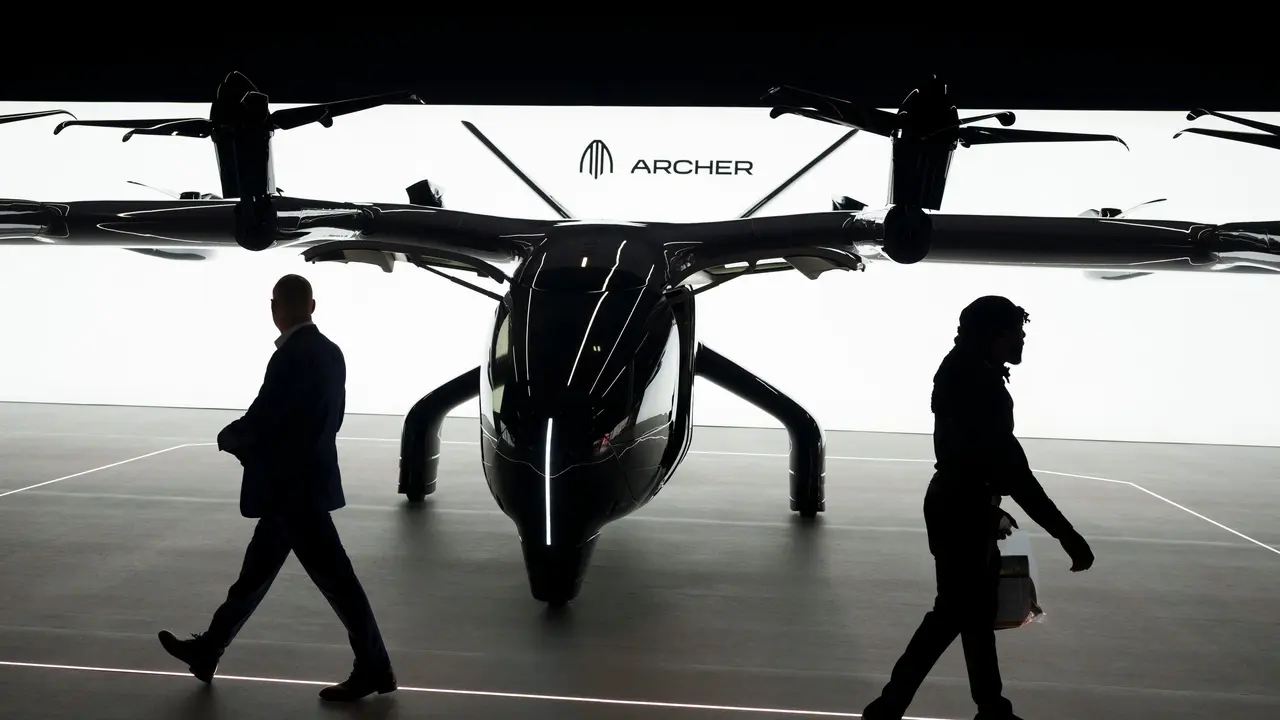
. The deal structure enables Boeing to retain strategic exposure to advanced aviation technologies while offloading operational responsibilities.Archer Aviation founder and CEO Adam Goldstein called the acquisition "a watershed moment for Archer and the future of physical AI in aerospace and defense," emphasizing it represents "the next big step forward in becoming a diversified platform, rapidly growing our revenue base and bringing scale to our business"
1
. The three Boeing businesses collectively operate across 35 countries with nearly two million flight hours2
. Archer plans to integrate these capabilities with its ZEE AI platform, described as a foundation model for aerospace and defense applications2
. The company is currently developing its Midnight eVTOL aircraft and aims to fly passengers by the 2028 Olympics in Los Angeles3
. Last month, Archer announced a partnership with Anduril to develop hybrid-electric vertical takeoff and landing aircraft for both defense and commercial applications3
.
Source: NYT
Related Stories
The divestiture aligns with Boeing CEO Kelly Ortberg's strategy to streamline the company's portfolio and concentrate on core businesses following years of crises beginning in 2018
1
. Ortberg, who assumed leadership in 2024 after a near-catastrophic midair fuselage blowout, has been reviewing Boeing's holdings to maintain focus on essential operations3
. Last year, Boeing sold its flight navigation unit Jeppesen to private equity firm Thoma Bravo for roughly $10.6 billion3
. The sale of Wisk, SkyGrid, and Insitu continues this pattern of shedding non-core assets while preserving technological advantages through strategic partnerships.Archer's stock price surged more than 7% following Monday's announcement, reflecting investor confidence in the expanded business model
2
. The transaction adds significant defense revenue and operational scale to Archer's primarily commercial-focused eVTOL development efforts. Austin, Texas-based SkyGrid, which provides software for managing increasingly automated airspace and coordinating autonomous vehicles, will enhance Archer's capabilities in air traffic management as the industry works toward integrating autonomous aircraft into existing aviation infrastructure2
. The eVTOL industry has faced challenges bringing aircraft to market, with some startups running out of funding and others missing deadlines3
. Both Archer and Wisk are participating in a federal pilot program designed to accelerate development by allowing manufacturers to collect data and test operations before receiving full certification3
. The impact on Washington-based Insitu workers remains unclear as the companies finalize integration plans3
.
Source: Seattle Times
Summarized by
Navi
[2]
23 Sept 2025•Technology

24 Feb 2026•Technology

22 Oct 2025•Technology

1
Science and Research

2
Technology

3
Technology