Wingman Drones Take Center Stage as Europe Pushes to Bolster Defense Capabilities


2 Sources
[1]
'Wingman' drones center stage as Europe looks to bolster its defenses
BERLIN - Center stage at last week's Berlin airshow was the "wingman" drone, Europe's latest-generation defense weapon designed to accompany fighter jets. As the war in Ukraine in particular has underscored the growing importance of drones and electronic warfare, European and U.S. defense forces
[2]
'Wingmen' aircraft takes spotlight at ILA Berlin airshow as Europe continues rearming
Several defense firms unveiled new 'wingmen' aircraft designed to accompany fighter jets at the ILA Berlin airshow as European nations begin to rearm. As conflicts in Ukraine and the Middle East continue, the US and European countries have increased their focus on developing and procuring unmanned
Share
Copy Link
European and U.S. defense firms unveiled their latest AI-powered wingman drones at the Berlin airshow, showcasing autonomous combat systems designed to accompany fighter jets. Boeing, Airbus, General Atomics, and German startup Helsing displayed technologies aimed at reducing Europe's reliance on the U.S. while addressing modern warfare challenges highlighted by conflicts in Ukraine and the Middle East.

European Defense Firms Showcase AI-Powered Aircraft at Berlin Airshow
Wingman drones commanded attention at last week's ILA Berlin airshow, where four major defense contractors—Airbus, Boeing, Helsing, and General Atomics—presented their latest autonomous combat systems to Germany's military and allied forces
1
. These AI-powered aircraft, formally known as Collaborative Combat Aircraft, represent a strategic shift in how European defense forces approach modern warfare, particularly as conflicts in Ukraine and the Middle East continue to demonstrate the critical role of unmanned systems2
.Unlike traditional military drones remotely operated by human crews for isolated surveillance missions, these systems are autonomous, jet-powered platforms driven by artificial intelligence to fly in direct, high-speed combat formations alongside human fighter pilots
2
. They range in size from small interceptors to aircraft as large as conventional planes, operating in what's termed a "loyal wingman" system as they flank manned aircraft to accompany fighter jets like the F-351
.Strategic Push to Reduce Reliance on the U.S.
Investment in wingman drones comes as European powers face mounting pressure to build sovereign defense capabilities and reduce reliance on the U.S. for military technology
1
. "The AI agent, of course, the brain of these systems, needs to be controlled in a sovereign fashion," explained Stephanie Lingemann, head of air domain at German defense startup Helsing, at the Berlin airshow1
.This strategic imperative has taken on added urgency following Germany and France's decision this month to shelve plans for a joint fighter jet. The two nations are now working to salvage portions of the Future Combat Air System program by developing a related drone system and data network
1
. The pivot reflects European defense planners' recognition that autonomous systems may offer a more achievable path toward technological independence than traditional crewed aircraft programs.Boeing and Rheinmetall Unveil MQ-28 Ghost Bat
Boeing Australia partnered with German defense contractor Rheinmetall to present the MQ-28 Ghost Bat, which Boeing Australia's Managing Director Amy List emphasized was "not a drone, but an unmanned jet designed to enhance the capabilities, be a force multiplier for crewed platforms"
1
. The distinction underscores the advanced nature of these systems compared to conventional unmanned aerial vehicles."It can go out ahead of crewed platforms, provide situational awareness, analyze data, it can fuse that data and provide decision-making quality information back to a human," List told reporters at the Berlin airshow
1
. This data fusion capability represents a critical advantage in modern warfare, where information processing speed can determine mission success. Boeing says its model could enter service for the German Luftwaffe by 20291
.Related Stories
Electronic Warfare Capabilities Drive Development
The war in Ukraine has demonstrated how disrupting sensors and communications through electronic warfare can prove as critical as kinetic attacks
1
. Helsing's electronic attack drone is specifically designed to operate alongside strike drones in autonomous swarms, addressing this evolving battlefield reality1
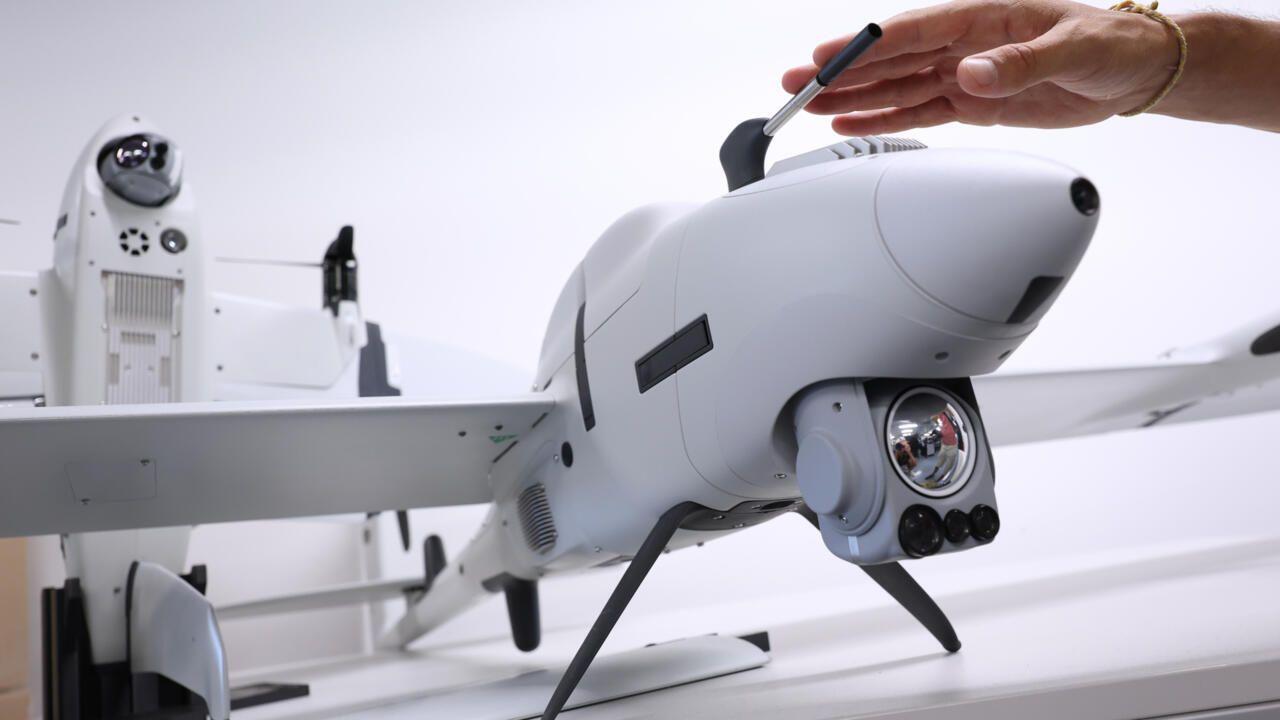
. These systems carry extra sensors, jammers, and weapons to provide decision-making support while executing complex missions2
.Timeline and Competition
General Atomics presented its YFQ-42A, which the company claims is ready for deployment today. "We have certainly spoken to Germany many, many times about our CCA and what there is to offer," General Atomics spokesperson C. Mark Brinkley told Breaking Defense. "It's the most advanced CCA in the world. We don't need to go to block whatever to add a weapons bay and all the rest, we're ready today"
2
. The YFQ-42A was selected in 2024 by the U.S. Air Force to receive funding and support for prototype development1
.Airbus is developing the U760b Ravenstorm, though it won't be available until the 2030s
1
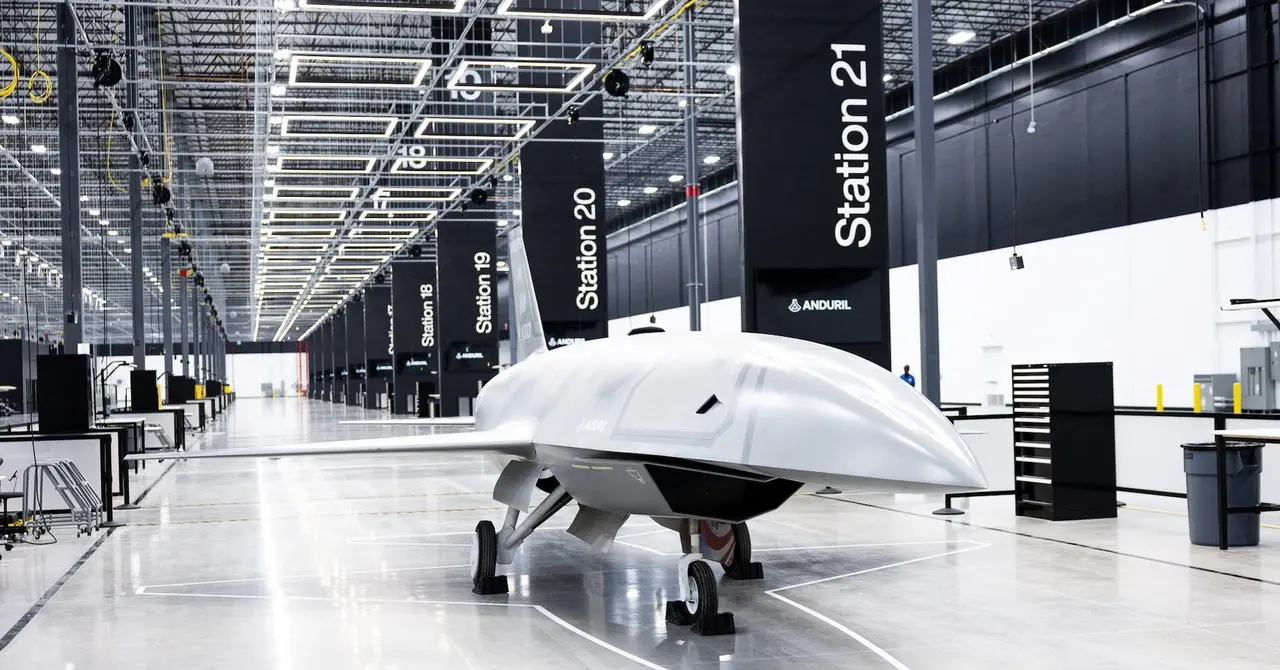
. Lockheed Martin and U.S. defense technology startup Anduril are expected to display similar technologies at upcoming airshows, including Britain's Farnborough airshow starting July 201
. As wingman drones have not yet arrived on the battlefield, these upcoming demonstrations will be closely watched by military planners assessing which platforms best meet their operational requirements.References
Summarized by

Navi
Related Stories
Helsing Unveils AI-Powered Attack Drone HX-2, Targeting NATO Allies
03 Dec 2024•Technology

US Air Force awards Anduril and General Atomics contracts for semi-autonomous drone wingmen
18 Jun 2026•Technology
Europe Deploys AI-Powered Anti-Drone Systems as Russian Incursions Expose NATO Vulnerabilities
06 Nov 2025•Technology

Recent Highlights
1
Microsoft and Nvidia Launch Surface Laptop Ultra: A $2,599 AI-Ready PC With RTX Spark Chip
Technology

2
Trump Consulted Grok AI Before Ordering Venezuela Invasion and Capture of Nicolás Maduro
Policy and Regulation

3
Scientists Build AI Model That Reconstructs Images From Brain Scans in Record Time
Science and Research

Recent Highlights
Today's Top Stories






Don’t drown in AI news. We cut through the noise - filtering, ranking and summarizing the most important AI news, breakthroughs and research daily. Follow topics that matter to you and stay ahead.


