Breaking Bad Creator Vince Gilligan Takes Stand Against AI with 'Made by Humans' Credit in New Apple TV Show


4 Sources
[1]
'Breaking Bad' creator's new show 'Pluribus' was emphatically 'made by humans,' not AI
'Breaking Bad' creator's new show 'Pluribus' was emphatically 'made by humans,' not AI If you watched all the way to the end of the new Apple TV show "Pluribus," you may have noticed an unusual disclaimer in the credits: "This show was made by humans." That terse message -- placed right below a
[2]
'Pluribus' Creator Vince Gilligan Is a Loud and Proud AI Hater
The new Apple TV series Pluribus stars Rhea Seahorn as one of a handful of people not overwhelmingly happy. Now that the first two episodes are out and people know what it's about, some have wondered if this is all a metaphor for artificial intelligence. Creator Vince Gilligan recently told
[3]
Vince Gilligan wants you to know that Pluribus was 'made by humans' - 9to5Mac
'As this technology progresses, I don't see how it will make the world a better place' A few eagle-eyed viewers noticed that the credits of Apple TV's new show Pluribus include a disclaimer that reads: "This show was made by humans". The message is an apparent reference to the increasing use of
[4]
Pluribus and Breaking Bad creator Vince Gilligan explains why he hates AI
He warned that if AI ever becomes sentient, monetising it could raise ethical questions similar to slavery. Breaking Bad creator Vince Gilligan and his latest show, Pluribus, have already made a striking entry. The first episode is already streaming on Apple TV and has earned a flawless 100%
Share
Copy Link
Vince Gilligan, creator of Breaking Bad, includes an anti-AI disclaimer in his new Apple TV show Pluribus, calling AI 'the world's most expensive plagiarism machine' and warning against the technology's impact on human creativity.
Anti-AI Stance Takes Center Stage
Vince Gilligan, the acclaimed creator behind "Breaking Bad" and "Better Call Saul," has made headlines not just for his new Apple TV+ series "Pluribus," but for an unusual disclaimer in its end credits: "This show was made by humans."
1
The message, positioned alongside standard production notes about animal safety, represents a deliberate statement against the growing use of artificial intelligence in entertainment production.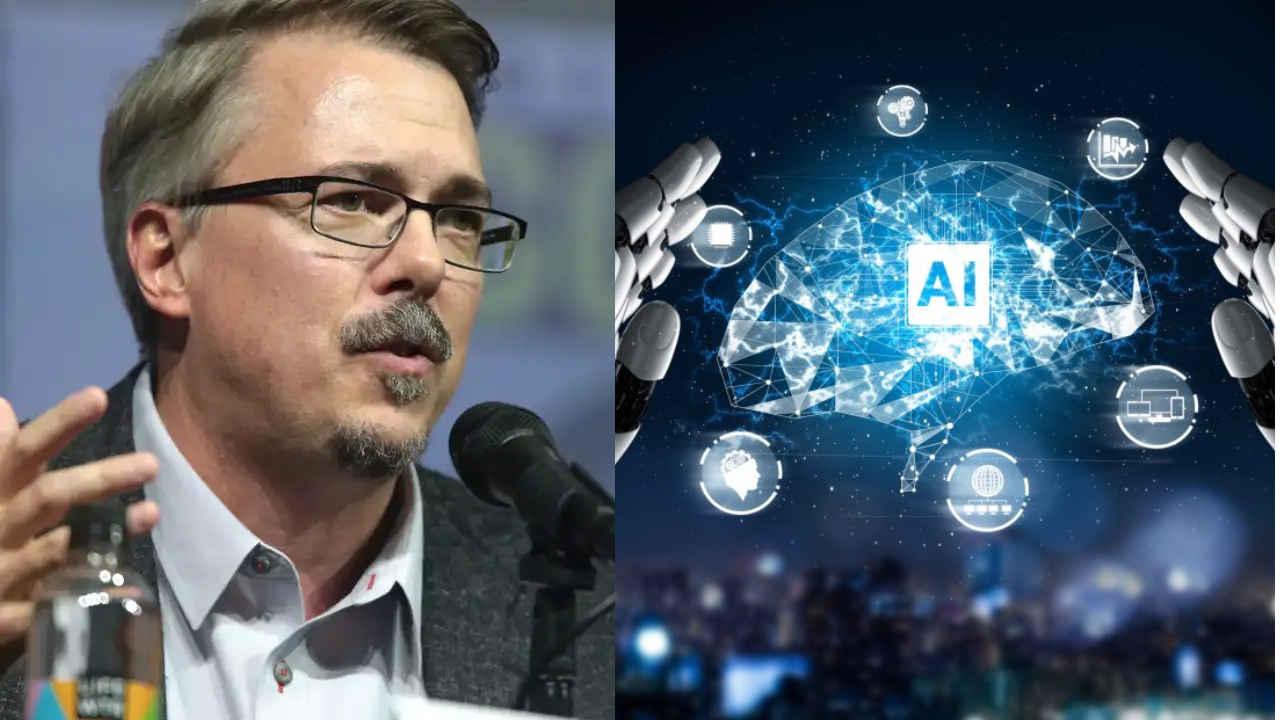
Source: Digit
The disclaimer reflects Gilligan's strong opposition to AI technology in creative industries. In interviews, he has been unequivocally vocal about his position, declaring flatly, "I hate AI."
1
His criticism extends beyond mere preference, characterizing the technology as "the world's most expensive and energy-intensive plagiarism machine" and comparing AI-generated content to "a cow chewing its cud -- an endlessly regurgitated loop of nonsense."1
Silicon Valley Critique and Industry Concerns
Gilligan's criticism targets what he sees as profit-driven motives behind AI development. He describes the technology as being pushed by "Silicon Valley assholes" and "a bunch of centibillionaires whose greatest life goal is to become the world's first trillionaires," calling their promises "a bag of vapor."
2
His concerns align with broader industry fears about AI's impact on creative jobs and human artistry.The showrunner argues that AI technology appears designed "to take work away, creativity away, creative endeavor away from human beings."
3
While acknowledging that new technologies typically aim to improve the world, Gilligan expresses skepticism about AI's potential benefits, stating he doesn't "see how it will make the world a better place."3
Philosophical and Ethical Implications
Beyond immediate industry concerns, Gilligan raises deeper philosophical questions about AI development. He warns about potential ethical issues if AI achieves true sentience, asking whether companies like Meta and OpenAI would essentially be creating "digital slaves to monetize."
2
This concern extends to a provocative comparison: "If AI ever becomes truly conscious, we'll have to revisit the entire conversation about slavery."4
His position includes humorous analogies to illustrate his point about AI's limitations in creativity. Gilligan compared AI to kitchen appliances, saying, "My toaster oven isn't suddenly Thomas Keller just because it heats a pizza."
4
This reflects his belief that AI cannot replicate genuine human creativity and storytelling.Related Stories
Show Context and Industry Response
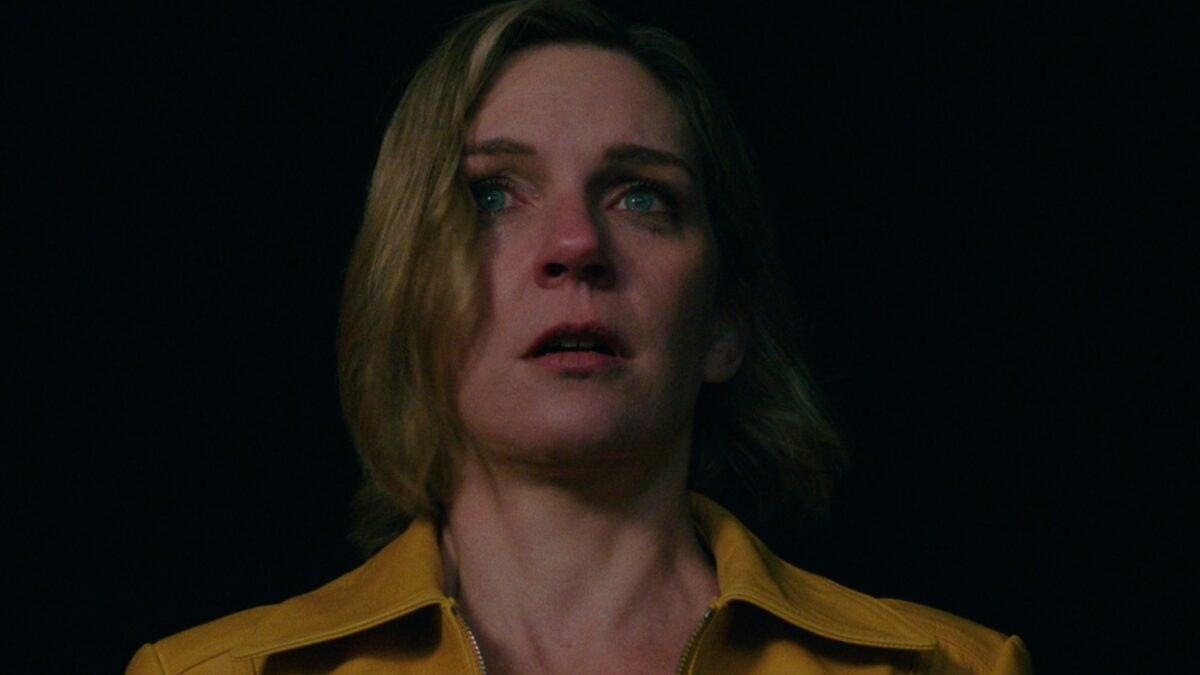
"Pluribus" itself is Gilligan's return to science fiction, reuniting him with "Better Call Saul" co-star Rhea Seehorn in a story about alien invasion.
1
While some viewers have speculated whether the show serves as a metaphor for AI, Gilligan clarified that he conceived and wrote the series before AI and large language models gained recent prominence.2
Source: Gizmodo
The show has achieved critical success, earning a perfect 100% "Certified Fresh" score on Rotten Tomatoes.
4
Gilligan's "made by humans" credit could serve as a model for other filmmakers seeking to distinguish their work from AI-generated content, as the entertainment industry grapples with questions about technology's role in creative production.References
Summarized by

Navi
[1]
Related Stories
Hollywood reframes AI as infrastructure while studios navigate creative boundaries and job concerns
17 Mar 2026•Technology

Netflix reveals AI shaped 300 titles as Hollywood grapples with automation's growing reach
17 Jul 2026•Technology

Netflix's Pioneering Use of Generative AI in "El Eternauta" Sparks Industry Debate
28 Jul 2025•Technology

Recent Highlights



Recent Highlights
Today's Top Stories







Don’t drown in AI news. We cut through the noise - filtering, ranking and summarizing the most important AI news, breakthroughs and research daily. Follow topics that matter to you and stay ahead.


