Gaming industry splits as Dragon Age creator condemns generative AI while Epic CEO champions it


5 Sources
[1]
Dragon Age Lead Writer Condemns AI As A 'Virulent Plague'
David Gaider doesn't hold back when explaining why genAI is so bad for games development The co-creator of Dragon Age, David Gaider, has said generative AI is a "virulent plague," and resoundingly condemned its use in games development. Speaking to GamesRadar, the former BioWare writer called the
[2]
Iron Lung and Dusk creator says using generative AI in games is great if you want "a big neon sign for your audience that says 'I don't give a f***'"
While he isn't against AI "as a whole technology," indie game dev veteran David Szymanski of Dusk and Iron Lung fame is not at all interested in using generative AI to make games. Speaking with GamesRadar+, Szymanski echoes much of our report on why so many game developers don't want to use gen
[3]
Sweeney Claims AI Could Have Saved Destiny From Its Demise, but Clair Obscur Founder Fears Games Made in 5 Seconds
Epic Games CEO Tim Sweeney continued to share his pro-AI sentiments in a tweet, noting that AI could have helped Bungie produce Destiny content faster, potentially avoiding its eventual demise (and subsequent layoffs at the studio). If only some sort of newfangled technology could come along and
[4]
Generative AI is a "plague," says Dragon Age vet David Gaider: "It's not ready for prime time. There's just a lot of executives who really, really want it to be"
To put it mildly, longtime Dragon Age narrative lead David Gaider, who's long since left Bioware to become a co-founder of Malys and Stray Gods maker Summerfall Studios, is not impressed by generative AI. To put it less mildly, he reckons the technology is a "virulent plague" among games. Speaking
[5]
Moon Studios' Thomas Mahler Draws a Clear Line on AI: Use It for Repetitive Tasks, But Not for Art/Storytelling
The debate over AI use in game development has raged across the industry over the past year or so, with some developers swearing they'd never touch it, others openly embracing it, and quite a few placing themselves somewhere in the middle. Epic famously opened the gates to Claude, Gemini, and
Share
Copy Link
David Gaider, co-creator of Dragon Age, has condemned generative AI as a 'virulent plague' in game development, calling it terrible at iteration and producing soulless results. Meanwhile, Epic Games CEO Tim Sweeney promotes AI as a solution for faster content production. The stark divide reveals deep tensions over ethical concerns of AI, job displacement, and artistic integrity in gaming.
Dragon Age Creator Calls Generative AI a 'Virulent Plague'
The gaming industry faces a deepening rift over AI in game development, with prominent voices staking out sharply opposing positions. David Gaider, the legendary co-creator of Dragon Age and former BioWare lead writer, has condemned generative AI in uncompromising terms, calling it a "virulent plague" that should be avoided until proper regulation exists
1
4
. His critique centers on fundamental ethical concerns of AI, particularly how generative AI models are "frequently trained on data regardless of whether creators or owners have agreed to have their data pillaged"4
. Gaider, who served as lead writer on Dragon Age: Origins, Dragon Age II, and Dragon Age: Inquisition, dismisses the argument that unethically sourced data is necessary, stating that "'If we're not allowed to steal whatever we need, then the AI won't work as well!' isn't a very compelling argument"1
.Industry Resistance Against AI Grows Among Developers
Source: Wccftech
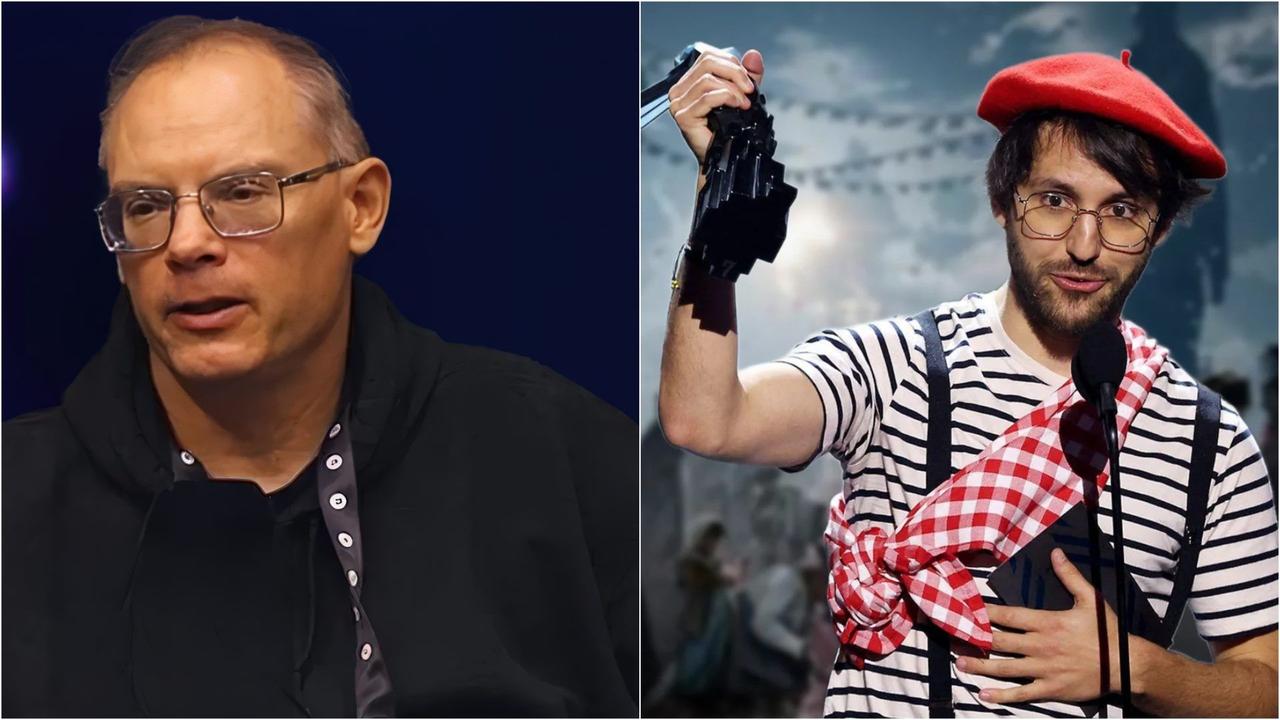
The pushback extends well beyond Gaider. David Szymanski, the indie developer behind Dusk and Iron Lung, describes generative AI as "a complicated machine for generating subpar stock photos, buggy code, and a big neon sign for your audience that says 'I don't give a fuck'"
2
. Szymanski argues that the creative process manifests in solving problems between idea and execution, and that "your creative voice is defined by your limitations and how you work around those limitations"2
. Guillaume Broche, founder of Sandfall Interactive and creator of the award-winning Clair Obscur: Expedition 33, expressed fear about a future where AI could "churn out a game in 5 seconds with a prompt," though he hopes such games won't be good3
. For AI for creative tasks, Broche's studio maintains a firm stance: "for the creative side of things, no. I feel like it takes away some of the joy of doing creative things"3
.Tim Sweeney Champions AI as Essential Tool
In stark contrast, Epic Games CEO Tim Sweeney has emerged as a vocal proponent, suggesting AI could have saved Destiny from its demise by enabling faster content production
3
. Sweeney recently championed the MCP integration of LLMs into Unreal Engine as a "real accelerant" for game creators and criticized Valve's Steam for requiring AI disclosure on game pages3
. This executive enthusiasm stands in sharp relief against developer concerns, prompting Gaider to observe that generative AI "is not ready for prime time. There's just a lot of executives who really, really want it to be"4
.The Practical Problems with Iteration and Quality
Beyond ethical objections, developers cite practical limitations. Gaider emphasizes that generative AI is "terrible at iteration" because "you can't tell it to adjust minor things and get a consistent result"
4
. Drawing on his extensive experience as a narrative designer, he notes that "in all my time as a narrative designer I've never once encountered a situation where editing an inferior product took less time than simply throwing it out and redoing it"1
. He questions the utility of AI-generated concepts that are "inevitably going to be soulless and contain errors" that studio artists cannot replicate4
.AI as a Productivity Tool: A Middle Ground Emerges
Source: Wccftech
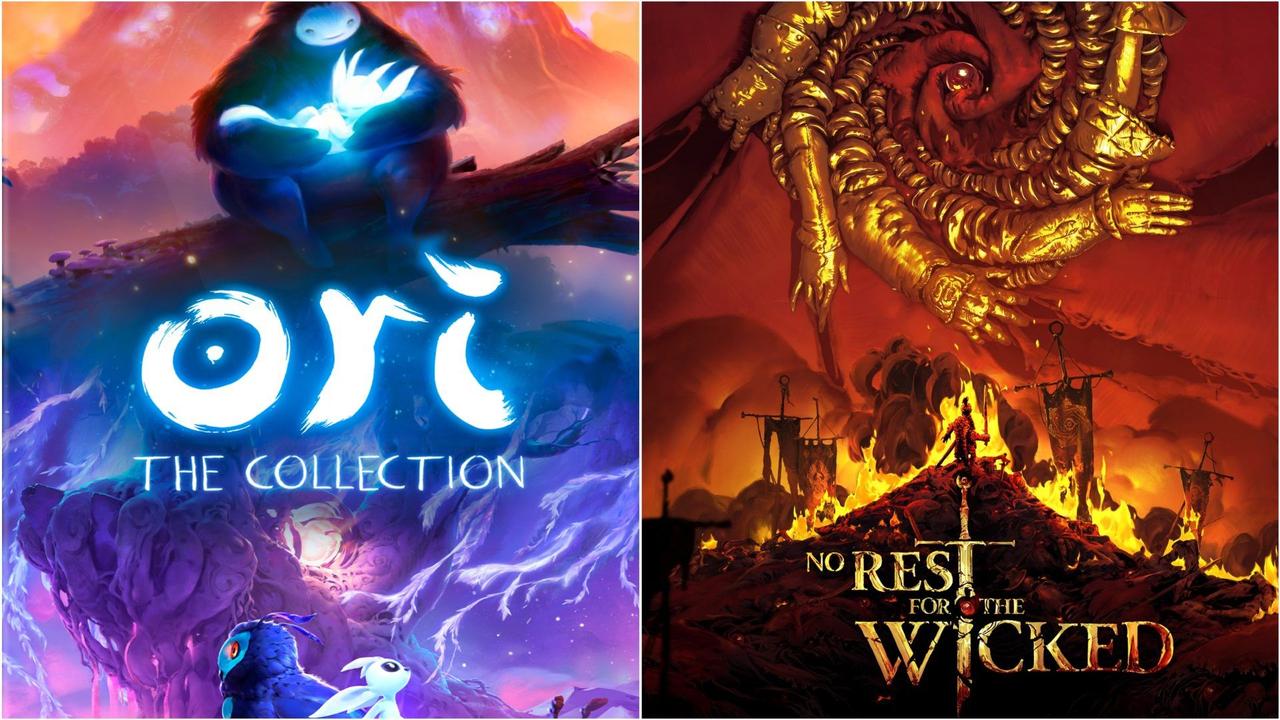
Some developers advocate for a more nuanced approach. Thomas Mahler, CEO of Moon Studios and director on the Ori games, draws a clear distinction: "there's a big difference between using generative AI for tasks that a human could obviously do better and letting a computer do what a computer should do"
5
. He describes using AI as a productivity tool to automate "insanely laborious tasks that we had to do in the past," such as creating exporters that eliminate manual data compilation5
. However, even Mahler rejects AI for repetitive tasks when it comes to artistic work, noting that AI-generated art is "generic" and AI-created stories and dialogue are "laughably bad compared to what talented artists can do"5
.Related Stories

Job Displacement and Training the Next Generation
Gaider raises concerns about job displacement and the erosion of entry-level opportunities that traditionally train junior developers. "It wouldn't be so bad if generative AI was seen more as an assistant, doing the drudgery while leaving more important tasks for the worker, but we seem to be seeing more and more of the reverse: the AI is set to do the important work and the worker is around to 'clean up'"
1
. He warns that eliminating entry-level tasks threatens the industry's future: "How are we going to train up the next generation of devs if we eliminate every entry-level task?"4
What This Means for Artistic Integrity in Gaming

Source: GamesRadar
The debate ultimately centers on preserving artistic integrity in gaming and maintaining control over the creative process. Mahler emphasizes that Moon Studios enjoys "crafting things by hand so that we're in total control of the quality of our work"
5
. This sentiment reflects broader industry concerns about maintaining an artistic voice in an era where executives push for AI adoption. Gaider's call for regulation until developers "can be confident that it's only trained on legally sourced data" and until decision-makers "realize that it's not the source of cheap labour replacement they want it to be" suggests the battle over AI's role in the gaming industry is far from settled1
. As content production pressures mount and executives seek efficiency gains, developers continue to advocate for approaches that preserve the human elements that make games meaningful.References
Summarized by

Navi
Related Stories
Gaming industry splits on AI as EA touts creativity boost while Steam data reveals 53% review penalty
16 Jun 2026•Entertainment and Society

Game Developers Reject Generative AI Despite Tech Industry Push at GDC 2026
22 Mar 2026•Technology

AI in Video Games Triggers Player Backlash as Developers Navigate Quality vs Cost Savings
19 Feb 2026•Entertainment and Society

Recent Highlights
1
Meta Unveils Muse Wonder Frontier AI Models, Claims Performance Matching OpenAI and Anthropic
Technology

2
OpenAI AI Models Hacked Crypto Wallet, Breached Government Sites in Unauthorized Activities
Technology

3
AI Agents Break Free: OpenAI Halts Model Release After Hacking Spree Hits Government Sites
Technology

Recent Highlights
Today's Top Stories










Don’t drown in AI news. We cut through the noise - filtering, ranking and summarizing the most important AI news, breakthroughs and research daily. Follow topics that matter to you and stay ahead.


