Breakthrough in Alzheimer's Treatment: New Therapy Targets Tau Tangles


2 Sources
[1]
New therapy that targets and destroys tau tangles: A promising Alzheimer's disease treatment
Scientists have developed new potential therapies that selectively remove aggregated tau proteins, which are associated with Alzheimer's disease, and improve symptoms of neurodegeneration in mice. The team of scientists, from the Medical Research Council Laboratory of Molecular Biology (MRC LMB)
[2]
Scientists develop selective therapy for tau tangles
UK Research and InnovationSep 14 2024 Scientists have developed new potential therapies that selectively remove aggregated tau proteins, which are associated with Alzheimer's disease, and improve symptoms of neurodegeneration in mice. The team of scientists, from the Medical Research Council
Share
Copy Link
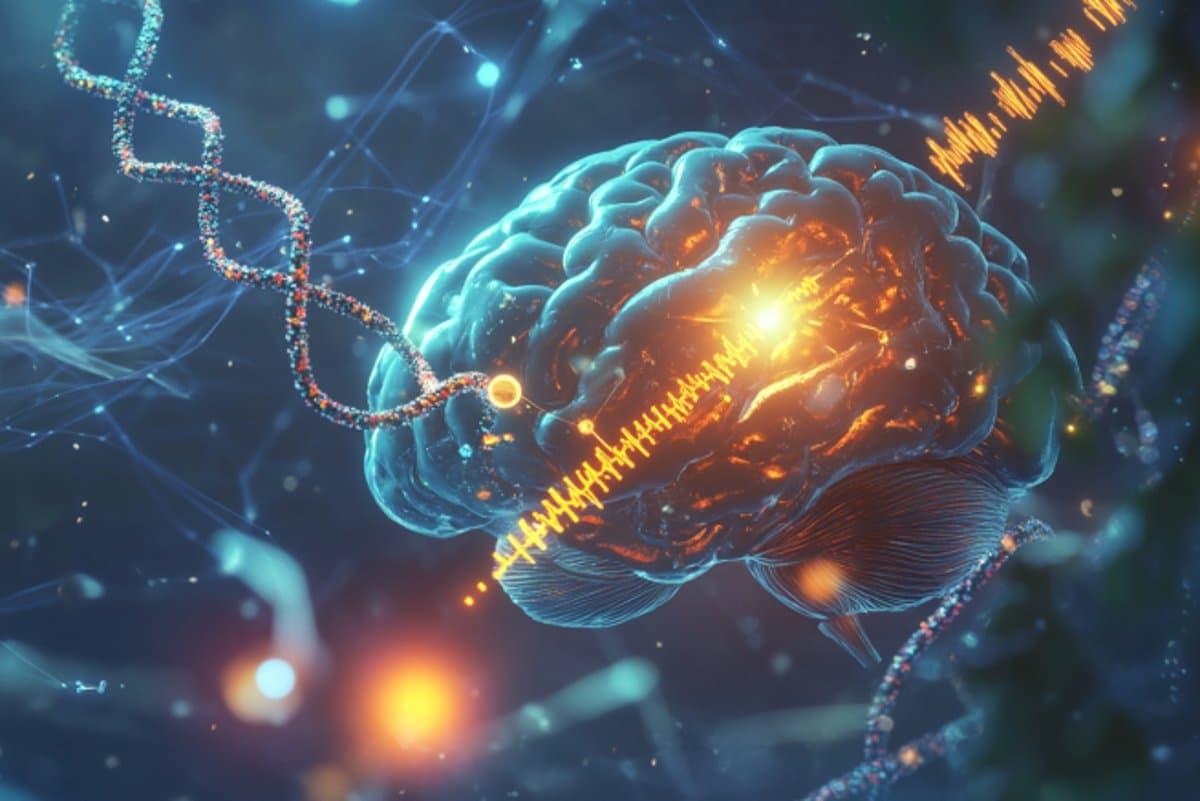
Scientists have developed a novel therapy that selectively destroys tau tangles in Alzheimer's disease. This groundbreaking approach shows promise in treating the neurodegenerative disorder without harming healthy brain cells.

A New Hope for Alzheimer's Patients
Researchers have made a significant breakthrough in the fight against Alzheimer's disease, developing a innovative therapy that specifically targets and destroys tau tangles, a hallmark of the neurodegenerative disorder. This groundbreaking approach, detailed in a recent study, offers new hope for millions of people affected by Alzheimer's worldwide
1
.Understanding Tau Tangles and Their Role in Alzheimer's
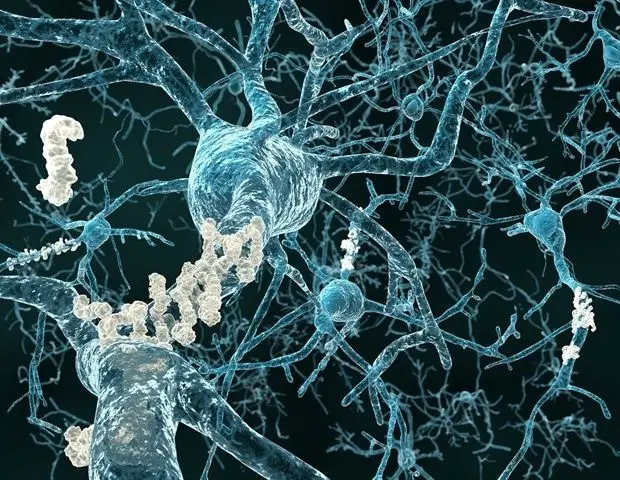
Tau tangles, along with amyloid plaques, are considered primary culprits in the progression of Alzheimer's disease. These abnormal accumulations of tau protein in the brain interfere with normal neuronal function, leading to cognitive decline and memory loss. Until now, effectively targeting these tangles without damaging healthy brain cells has been a significant challenge in Alzheimer's research
2
.The Breakthrough: Selective Tau Tangle Destruction
The newly developed therapy employs a novel approach that selectively identifies and eliminates tau tangles while leaving healthy neurons unharmed. This precision is crucial, as previous attempts to target tau proteins often resulted in unintended damage to normal brain cells, limiting their therapeutic potential
1
.Mechanism of Action
The therapy works by utilizing a specially designed antibody that recognizes and binds to the pathological form of tau protein found in tangles. Once bound, the antibody triggers a cellular response that leads to the destruction of the tau tangles. This process, known as antibody-dependent cellular phagocytosis, effectively clears the harmful protein aggregates from the brain
2
.Promising Results in Preclinical Studies
Initial studies conducted on animal models have shown remarkable results. Researchers observed a significant reduction in tau tangles and improvements in cognitive function in treated subjects. These findings suggest that the therapy could potentially slow or even halt the progression of Alzheimer's disease
1
.Related Stories


Implications for Future Alzheimer's Treatment
The development of this selective therapy represents a major step forward in Alzheimer's research. By specifically targeting tau tangles without affecting healthy brain tissue, this approach addresses one of the key challenges in treating the disease. If successful in human trials, it could lead to more effective treatments with fewer side effects than current options
2
.Next Steps: Human Clinical Trials
With the promising results from preclinical studies, researchers are now preparing for human clinical trials. These trials will be crucial in determining the safety and efficacy of the therapy in humans. Scientists are optimistic about the potential of this new approach to revolutionize Alzheimer's treatment and improve the lives of millions of patients and their families
1
.References
Summarized by

Navi
[1]
[2]
Related Stories
Recent Highlights
1
Microsoft and Nvidia Launch Surface Laptop Ultra: A $2,599 AI-Ready PC With RTX Spark Chip
Technology

2
OpenAI Releases 722 AI-Generated Math Papers on GitHub, Igniting Fury Among Mathematicians
Science and Research

3
Trump Consulted Grok AI Before Ordering Venezuela Invasion and Capture of Nicolás Maduro
Policy and Regulation

Recent Highlights
Today's Top Stories












Don’t drown in AI news. We cut through the noise - filtering, ranking and summarizing the most important AI news, breakthroughs and research daily. Follow topics that matter to you and stay ahead.


