Bridging the Adaptation Gap: How Humans Outpace AI in Handling New Situations


2 Sources
[1]
Why Humans Adapt Faster Than AI - Neuroscience News
Summary: Humans excel at adapting to new situations, while machines often stumble. A new interdisciplinary study reveals that the root lies in how humans and AI approach "generalization," the process of transferring knowledge to new problems. Humans rely on abstraction and conceptual frameworks,
[2]
Why machines struggle with the unknown: Exploring the gap in human and AI learning
How do humans manage to adapt to completely new situations and why do machines so often struggle with this? This central question is explored by researchers from cognitive science and artificial intelligence (AI) in a joint article published in the journal Nature Machine Intelligence. Among the
Share
Copy Link
A new interdisciplinary study explores why humans excel at adapting to new situations while AI often struggles. The research highlights fundamental differences in how humans and machines approach 'generalization' and proposes a framework to bridge this gap.
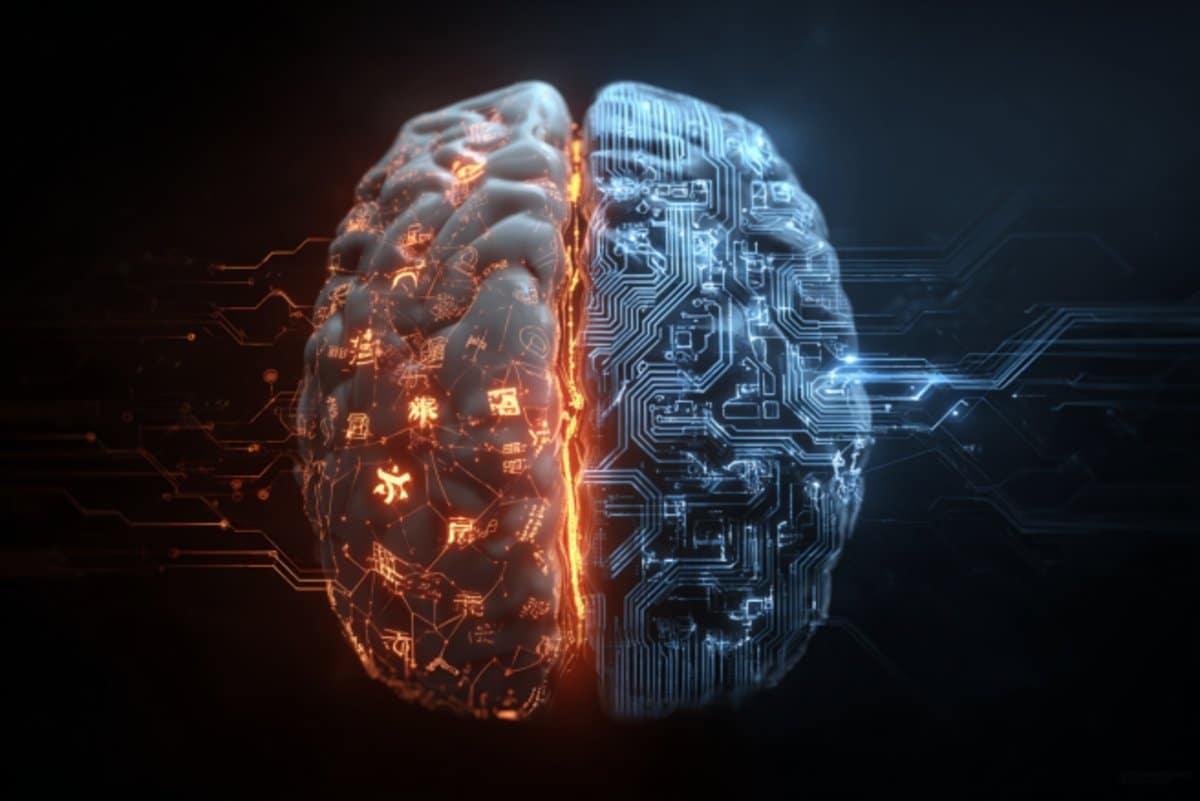
Bridging the Gap: Human vs. AI Adaptation to New Situations
In an era where artificial intelligence (AI) is becoming increasingly integrated into our daily lives, researchers are delving into a crucial question: Why do humans excel at adapting to new situations while machines often struggle? A groundbreaking interdisciplinary study, published in Nature Machine Intelligence, brings together experts from cognitive science and AI to explore this fundamental difference
1
2
.The Generalization Conundrum
At the heart of this research lies the concept of "generalization" - the ability to apply knowledge from known situations to unfamiliar ones. Professor Barbara Hammer, head of the Machine Learning Group at Bielefeld University, emphasizes the importance of understanding how AI systems handle the unknown, especially as we integrate them into critical areas such as medicine, transportation, and decision-making
2
.The study reveals a fundamental difference in how humans and machines approach generalization:
- Human Approach: Humans rely on conceptual thinking and abstraction, using mental frameworks to navigate new situations.
- AI Approach: Machines employ a variety of methods, including out-of-domain generalization in machine learning, rule-based inference in symbolic systems, and neuro-symbolic AI that combines logic and neural networks
1
.
Developing a Shared Framework
Professor Benjamin Paaßen, junior professor for Knowledge Representation and Machine Learning at Bielefeld University, highlights the challenge in reconciling these different approaches. To address this, the researchers developed a shared framework along three dimensions
2
:- Definition: What does generalization mean in each context?
- Method: How is generalization achieved?
- Evaluation: How can generalization be measured and assessed?
Implications for Human-AI Collaboration
This research has significant implications for the future of AI and its integration into human society. The study underscores the need for AI systems that can better reflect and support human values and decision-making processes. By understanding the differences in generalization approaches, researchers aim to design more flexible, human-centered AI systems that can adapt to the complexities of everyday life
1
.Related Stories
Interdisciplinary Collaboration
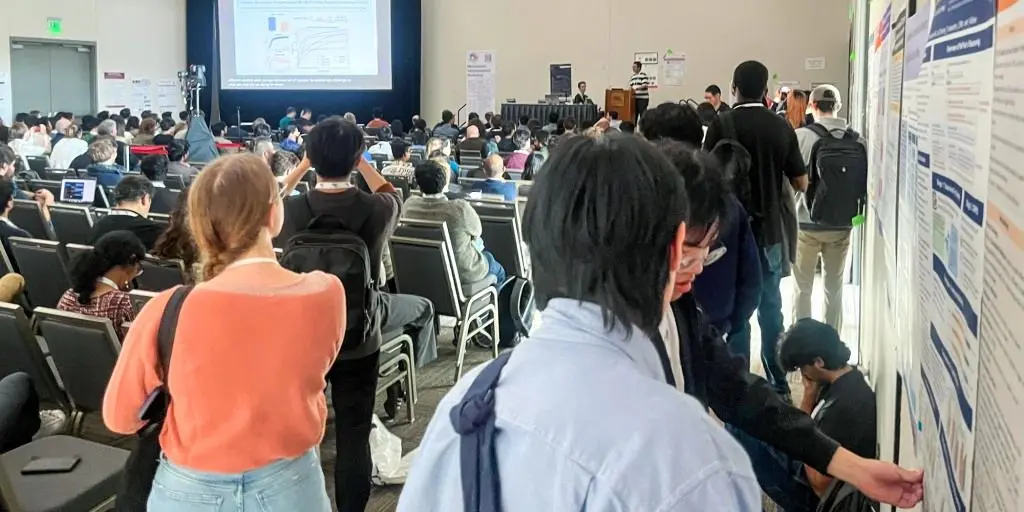
The study is a result of extensive collaboration among over 20 experts from leading research institutions worldwide, including universities in Bielefeld, Bamberg, Amsterdam, and Oxford. This interdisciplinary approach, bridging cognitive science and AI research, is crucial for developing AI systems that can effectively participate in human-AI teams
2
.Future Directions
The research is part of the SAIL (Sustainable Life-Cycle of Intelligent Socio-Technical Systems) project, which investigates how AI can be designed to be sustainable, transparent, and human-centered throughout its lifecycle. Funded by the Ministry of Culture and Science of the State of North Rhine-Westphalia, this project represents a significant step towards aligning AI capabilities with human cognitive processes
1
.As AI continues to advance, understanding and bridging the gap between human and machine generalization will be crucial for creating AI systems that can truly complement and enhance human capabilities in an ever-changing world.
References
Summarized by

Navi
[1]
Related Stories
MIT Study Reveals Nuances in Human-AI Collaboration Effectiveness
28 Oct 2024•Science and Research

Human Brain's Intuitive Navigation Outperforms AI, Offering Insights for Smarter Machines
17 Jun 2025•Science and Research
AI Falls Short in Understanding Human Social Interactions, Study Reveals
25 Apr 2025•Science and Research

Recent Highlights
1
Microsoft and Nvidia Launch Surface Laptop Ultra: A $2,599 AI-Ready PC With RTX Spark Chip
Technology

2
Trump Consulted Grok AI Before Ordering Venezuela Invasion and Capture of Nicolás Maduro
Policy and Regulation

3
Scientists Build AI Model That Reconstructs Images From Brain Scans in Record Time
Science and Research

Recent Highlights
Today's Top Stories







Don’t drown in AI news. We cut through the noise - filtering, ranking and summarizing the most important AI news, breakthroughs and research daily. Follow topics that matter to you and stay ahead.


