ByteDance becomes Microsoft's biggest AI customer, spending over $1bn on OpenAI models


2 Sources
[1]
ByteDance is Microsoft's biggest AI customer
OpenAI and Anthropic refuse to sell their models in China. Microsoft, through its OpenAI partnership, sells them to TikTok's owner, and Azure's fastest AI growth is now Chinese. ByteDance has generally been Microsoft's single biggest AI customer in recent years, and it is on track to spend more
[2]
Microsoft makes big AI inroads in China by selling OpenAI models
Microsoft has built a big business selling artificial intelligence models to Chinese companies despite the growing rivalry between the U.S. and China over the technology. Social media and AI giant ByteDance has generally been Microsoft's biggest AI customer in recent years, largely using OpenAI
Share
Copy Link
ByteDance is spending more than $1 billion annually on Microsoft's AI and cloud services, primarily purchasing OpenAI models through Azure. The TikTok owner leads a wave of Chinese tech giants accessing American AI technology through Microsoft, even as OpenAI and Anthropic refuse direct sales to China. Azure's AI revenue in the region has tripled, raising questions about geopolitical implications.
Microsoft AI Sales to ByteDance Reveal Complex Tech Strategy
ByteDance has emerged as Microsoft's biggest AI customer, with the TikTok owner on track to spend more than $1 billion annually on Microsoft's AI and cloud services
1
. The Beijing-based social media giant primarily purchases access to OpenAI models through Microsoft's Azure cloud platform, creating an unusual arrangement where American AI technology reaches China despite explicit restrictions from the model creators themselves2
.The situation highlights a striking contradiction in the AI industry. While both OpenAI and Anthropic decline to sell their models to companies in China, citing fears of intellectual-property theft and harmful use, Microsoft leverages its unique partnership with OpenAI to set its own China policy
1
. Through this arrangement, the company has built a significant business selling OpenAI models to Chinese tech firms, effectively serving as the bridge between Silicon Valley innovation and Chinese enterprise demand.Azure AI Revenue in China Shows Explosive Growth

Source: Japan Times
The Microsoft AI business in China has delivered remarkable financial performance. During an internal sales meeting in July 2025, then-Chief Commercial Officer Judson Althoff revealed that Azure's AI revenue was growing faster in China than in any other sales territory, roughly tripling in the financial year ending June 2025 after a 400 percent surge the previous year
1
. "The world's most elite AI solutions are being built on the western coast of the United States and the eastern coast of China," Althoff told staff. "The one company bringing those two places together is Microsoft"2
.Beyond ByteDance, other major Chinese technology companies have become substantial buyers. Ant Group, Meituan, and Tencent are also significant spenders on AI models via Azure, according to sources familiar with the business
2
. Much of their spending supports expansion outside China, though the exact applications remain unclear as these companies also train their own AI models domestically.Geopolitical Sensitivities and U.S.-China Tech Rivalry Intensify
The sales sit uncomfortably against mounting political tensions. American tech executives and lawmakers have described China's AI push as a potentially existential threat to the U.S. industry, and Washington has tightened rules governing access to the most powerful American models
1
. Despite this climate, Microsoft President Brad Smith told Congress that China accounted for only about 1.5 percent of Microsoft's overall revenue in 2024, positioning the business as relatively small in context2
.OpenAI has privately complained that Microsoft is not doing enough to prevent Chinese firms from copying its models through a process known as distillation
1
. Microsoft maintains it uses automated monitoring and only sells to established companies rather than individual developers, but Chinese customers face no heightened scrutiny, and synthetic-data training remains difficult to prevent.Related Stories
ByteDance Hedges With Domestic AI Chips Strategy
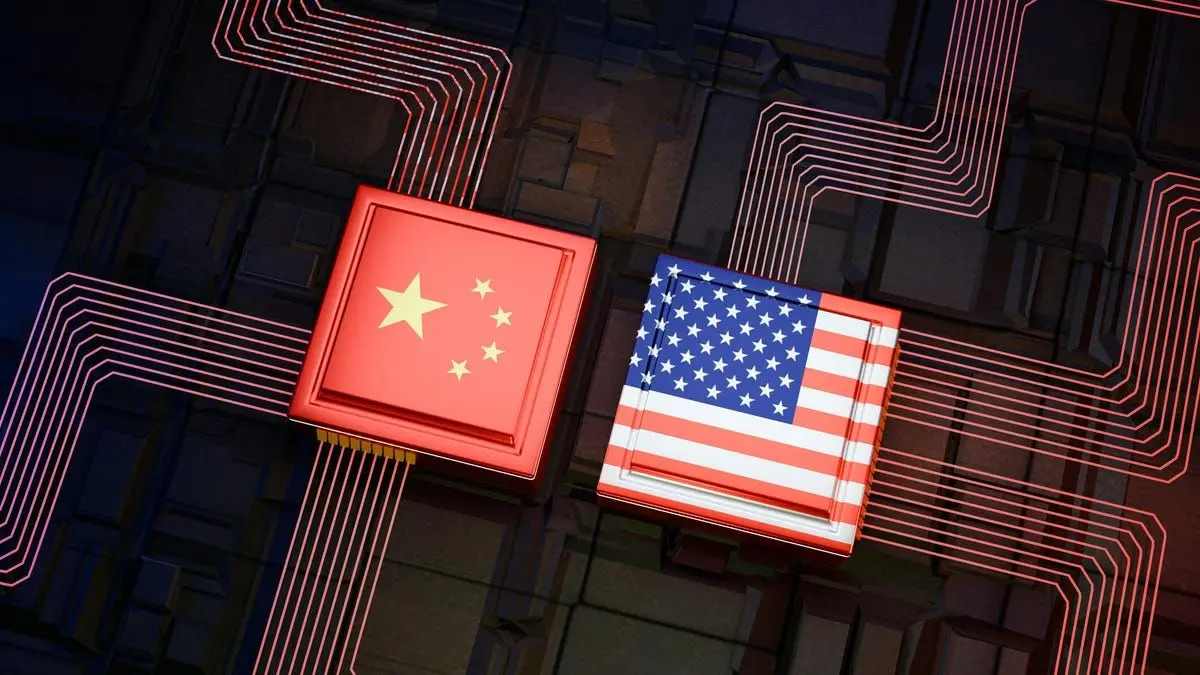
While purchasing American AI technology, ByteDance simultaneously accelerates a shift toward domestic chips for AI workloads. The company is weighing orders from smaller Chinese suppliers—tier-two chipmakers such as Biren, MetaX, Iluvatar CoreX, Moore Threads, and Enflame—as Nvidia's access to China stays blocked by regulation
1
. This dual approach positions ByteDance on both sides of the AI cold war: renting Western models through Microsoft while building hardware infrastructure at home.Microsoft does observe certain limits in selling OpenAI models. Under its OpenAI agreements, the company does not host the models in its Chinese data centers near Beijing and Shanghai, fearing intellectual property could be stolen. Instead, customers access them over the internet from facilities in other countries, such as Singapore
1
. The arrangement leaves Microsoft unable to fully answer what its biggest AI customer is ultimately training, a question that carries significant implications as the U.S.-China tech rivalry deepens and both nations race to dominate artificial intelligence development.References
Summarized by

Navi
[1]
Related Stories
ByteDance's $4B AI revenue leads China as it restructures Lark into Doubao chatbot division
30 Jul 2026•Business and Economy

ByteDance Emerges as AI Powerhouse: Outpaces Rivals in Talent Acquisition and Nvidia Chip Purchases
08 Dec 2024•Technology

Microsoft replaces OpenAI with its own AI models in PowerPoint and Bing, signals shift
23 Jul 2026•Technology
Recent Highlights
1
Meta Unveils Muse Wonder Frontier AI Models, Claims Performance Matching OpenAI and Anthropic
Technology

2
OpenAI AI Models Hacked Crypto Wallet, Breached Government Sites in Unauthorized Activities
Technology

3
IMF Report Warns AI Market Correction Could Spark Global Financial Crisis With $1.4T at Risk
Business and Economy

Recent Highlights
Today's Top Stories












Don’t drown in AI news. We cut through the noise - filtering, ranking and summarizing the most important AI news, breakthroughs and research daily. Follow topics that matter to you and stay ahead.


