ByteDance Ventures into Mixed Reality with Lightweight Goggles, Challenging Meta's Dominance


4 Sources
[1]
TikTok owner ByteDance is reportedly building its own mixed reality goggles
ByteDance, the parent company of TikTok, is reportedly working on mixed reality goggles, The Information reports. The in-development device is designed to layer digital objects over your view of the real world, and is supposed to compete directly with Meta's upcoming mixed reality products. The
[2]
TikTok parent ByteDance reportedly developing its own XR glasses
Outside of AI, the hottest thing in tech these days seems to be smart glasses. We've known for a few months now that Meta is working on XR glasses, internally codenamed Phoenix (previously codenamed Puffin). Not to be confused with Orion, which is the social media giant's AR glasses project.
[3]
TikTok owner ByteDance reportedly explores its own mixed-reality headset
The market for mixed-reality headsets has been decidedly, well, mixed so far, but ByteDance seemingly thinks there's room for growth. The Information reports a subsidiary of the TikTok owner is working on a mixed-reality device that would layer objects over your real world view. Pico, which made
[4]
ByteDance Reportedly Follows Meta Into the Mixed Reality Realm | PYMNTS.com
By completing this form, you agree to receive marketing communications from PYMNTS and to the sharing of your information with our sponsor, if applicable, in accordance with our Privacy Policy and Terms and Conditions. That's according to a report Monday (July 14) from The Information, citing
Share
Copy Link
ByteDance, TikTok's parent company, is reportedly developing lightweight mixed reality goggles through its VR subsidiary Pico, aiming to compete with Meta in the evolving XR market.
ByteDance Enters the Mixed Reality Arena
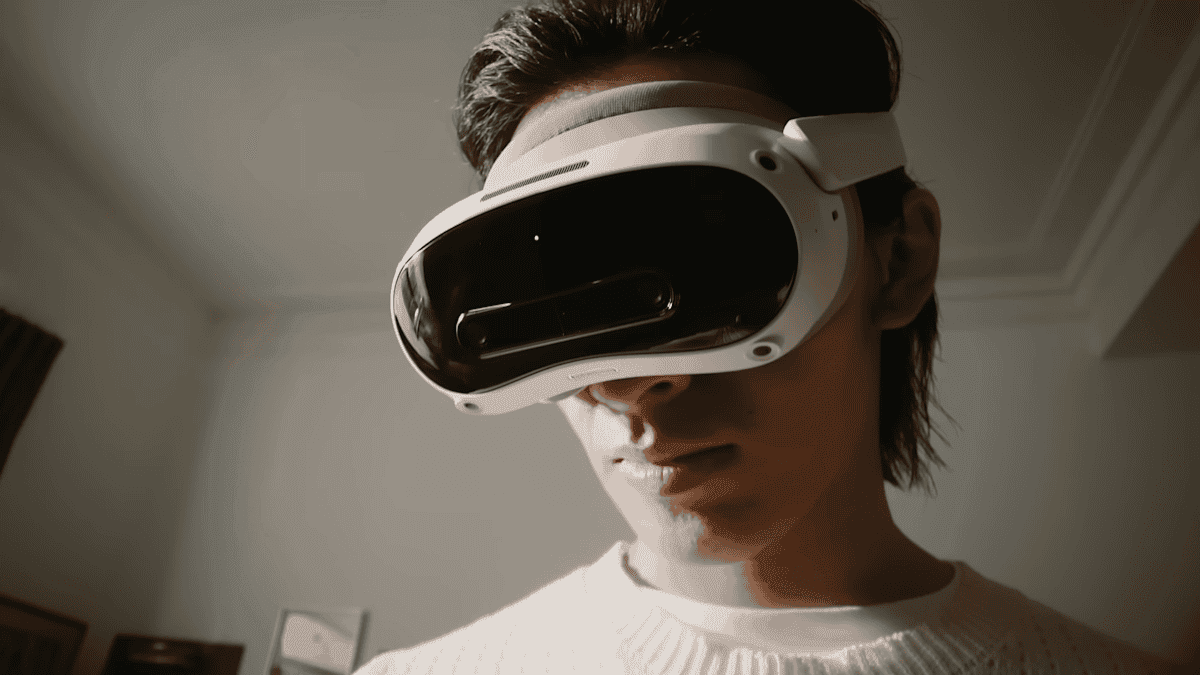
ByteDance, the parent company of TikTok, is reportedly developing its own mixed reality goggles through its virtual reality subsidiary, Pico. This move signals the company's intention to compete directly with Meta in the evolving extended reality (XR) market
1
2
.
Source: Engadget
Lightweight Design and Advanced Features
The in-development device is designed to layer digital objects over the user's view of the real world. Unlike bulky VR headsets, these goggles are said to be small and light, comparable in size to the Bigscreen Beyond VR headset, which weighs just 0.28 pounds
1
. To achieve this lightweight design, Pico is offloading most of the computing work to a puck connected to the goggles via a wire, similar to Meta's prototype Orion AR glasses1
.Technological Innovations
Pico is reportedly working on specialized chips for the device that will process data from its sensors. These chips aim to minimize the lag or latency between what a user sees in AR and their physical movements
1
2
. This focus on reducing latency highlights the importance of seamless user experience in mixed reality applications.Market Positioning and Competition
ByteDance's entry into the mixed reality space follows Meta's shift towards lightweight XR devices. Meta reportedly postponed work on the Quest 4 in favor of developing lightweight mixed reality goggles, codenamed "Phoenix"
1
4
. This trend suggests that both companies believe consumers prefer lighter-weight glasses, even if they offer fewer features than full-fledged headsets4
.
Source: PYMNTS
Related Stories


Challenges and Uncertainties
While ByteDance's move into mixed reality is ambitious, several challenges and uncertainties remain:
- Release date and market availability: It's unclear when ByteDance's goggles will be released or where they'll be sold
1
. - Regulatory concerns: Given the scrutiny over ByteDance's ownership of TikTok, the company may face pushback in selling mixed reality devices in certain markets, particularly the United States
1
3
. - Market reception: The mixed reality market has seen mixed results so far, with consumer adoption of existing products like Apple's Vision Pro and Meta's Quest series being relatively limited
3
.
Broader Industry Trends
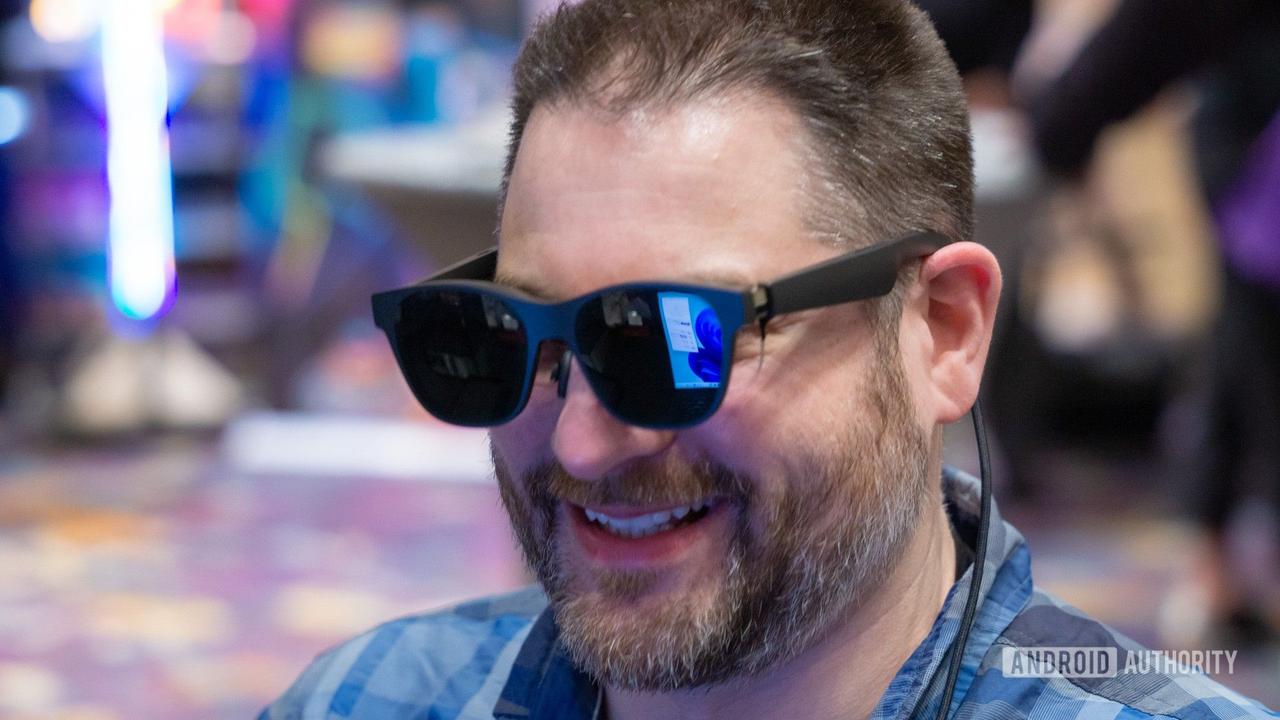
ByteDance's foray into mixed reality reflects a growing trend among tech giants. Google recently announced collaborations with eyewear brands to create Android XR-equipped glasses, envisioning them as ever-present AI assistants
4
. Meta has also invested heavily in this space, purchasing a stake in EssilorLuxottica and partnering with Ray-Ban and Oakley for smart glasses4
.
Source: Android Authority
As the XR market continues to evolve, it's clear that major tech companies see potential in lightweight, AI-powered wearables that blend seamlessly into everyday life. ByteDance's entry into this space could potentially shake up the market and accelerate innovation in mixed reality technology.
References
Summarized by

Navi
[2]
Related Stories
Recent Highlights



Recent Highlights
Today's Top Stories









Don’t drown in AI news. We cut through the noise - filtering, ranking and summarizing the most important AI news, breakthroughs and research daily. Follow topics that matter to you and stay ahead.


