Capcom promises no AI-generated assets in games but will use AI to boost development efficiency


8 Sources
[1]
Capcom isn't completely abandoning generative AI, but has promised fans it won't use AI assets in games
* Capcom has told investors and fans it won't use generative AI for game content * It still plans to use AI to boost development productivity, though * More broadly, Nvidia's DLSS 5 remains a part of the company's plans for the future The backlash against Nvidia's DLSS 5, and its use of
[2]
After all that furore over Nvidia's AI-powered DLSS 5 makeover of Resident Evil Requiem, Capcom promises gen-AI assets won't be part of its games any time soon
We've seen a slew of comapnies clarify their stance on generative AI over the past few months, and now it's Capcom's turn to outline its boundaries with the tech. "We will not implement assets generated by AI into our games," Capcom stated, adding that it won't be shying away from "proactively"
[3]
Capcom Promises No GenAI In Its Games, But There's A Catch
Players should not encounter anything AI-generated, but the publisher intends to use it behind-the-scenes Capcom has released its latest round of investor information this morning, March 23, containing third-quarter results (going well, despite "sluggish" Monster Hunter Wilds sales), a continued
[4]
Resident Evil developer Capcom "will not be implementing any AI-generated assets into our video game content," but plans to "actively" utilize the tech to "improve efficiency"
"We are currently testing out various methods of usage across our departments, including graphics, sound, and programming." Capcom, the developer behind Resident Evil, Street Fighter, and more, says it won't be using AI-Generated assets in its games. However, the company says it's looking into its
[5]

Capcom details how they will use AI in game development going forward
Now Capcom is also weighing in on the discussion about the use of AI in game development. Japanese outlet Game*Spark (via Automaton) reports that the company has chosen to clarify how it plans to use the technology going forward during a presentation to its shareholders. They state that people
[6]

Capcom Pledges No AI Use in Games but It's Still Using It to Make Them
It seems that this will be the new trend going forward for all gaming developers. The gaming industry is slowly pivoting to the use of AI in development, with more companies clarifying their AI policy to their player base. With the backlash received by Larian Studios and Sandfall Interactive for
[7]

Capcom "Will Not" Use GenAI for In-Game Assets, But it Will Use it "To Improve Efficiency and Productivity of Game Development"
Capcom has drawn its line when it comes to using Generative AI (GenAI) tools and technology. As GenAI tech becomes more prevalent across the entire tech world, video game development included, many are still figuring out whether the tech has a place in game development. Data from the GDC State of
[8]

Resident Evil Requiem Developer Capcom Insists It Won't Use AI-Generated Assets in Its Games, but Will Harness Tech to Make Game Development Processes More Efficient
Capcom has clarified its current stance on generative AI in its videogames. The major Japanese publisher and developer behind popular series like Resident Evil, Street Fighter, and Monster Hunter has revealed that while it doesn't use gen-AI assets in their games, it is exploring ways to use
Share
Copy Link
Capcom has clarified its AI stance following backlash over Nvidia's DLSS 5 in Resident Evil Requiem. The company told investors it won't implement AI-generated assets into game content but will actively use AI tools behind the scenes to improve efficiency and productivity across graphics, sound, and programming departments.
Capcom Draws Clear Line on AI Use in Game Development
Capcom has addressed mounting concerns about AI in gaming by announcing it will not implement AI-generated assets into its game content, according to statements made during a recent investor Q&A session
1
3
. The Resident Evil and Street Fighter developer clarified its position amid growing scrutiny over generative AI use in the gaming industry, particularly following the controversial reveal of Nvidia's DLSS 5 technology. While Capcom promises to keep AI-generated materials out of player-facing content, the company plans to actively utilize AI tools to improve efficiency and productivity in the game development process2
.
Source: Beebom
The announcement comes at a critical moment for AI in gaming, as developers face increasing pressure from both fans concerned about artistic integrity and investors eager to adopt cost-cutting technologies. Capcom stated it is "currently exploring ways to use it in various areas such as graphics, sound, and programming"
1
, suggesting the technology will handle behind-the-scenes tasks rather than creating in-game assets that players directly encounter.The DLSS 5 Controversy and Fan Backlash
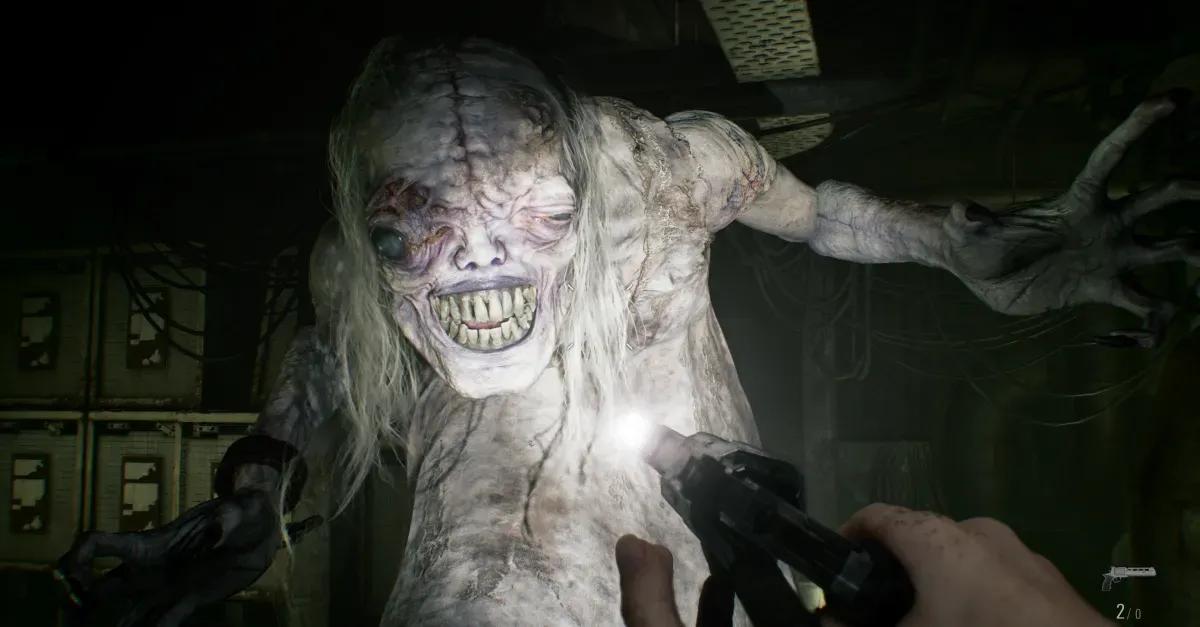
Capcom's clarification follows significant fan backlash over the company's involvement with Nvidia's DLSS 5 technology in Resident Evil Requiem
2
. The AI-powered graphics enhancement feature sparked controversy when it was shown to alter environment and character details, leading some to describe it as a "yassification filter" that compromised the game's artistic vision3
. While DLSS 5 remains optional for players and Nvidia has clarified it doesn't technically count as using generative AI assets or materials like traditional props or artwork, the technology represents a fine line Capcom is walking concerning AI implementation1
.
Source: Wccftech
The timing of Capcom's announcement suggests the company is attempting damage control after becoming an unofficial lightning rod for complaints about AI in gaming. This stance echoes similar concerns raised about Crimson Desert, where developer Pearl Abyss faced criticism for extensive use of generative AI art assets in the launch build
2
. Such incidents highlight how even small AI implementations can trigger community backlash, particularly when they affect roles that could have been filled by entry-level human developers4
.Behind-the-Scenes AI Integration Raises Questions
While Capcom's commitment to avoiding AI-generated assets in game content may reassure some fans, the company's plans to use AI for development productivity present a more complex picture. Capcom revealed it is "currently testing out various methods of usage across our departments, including graphics, sound, and programming"
4
. In early 2025, the company communicated its intention to collaborate with Google for "idea generation" using generative AI2
.This approach mirrors sentiments from industry figures like Hideo Kojima, who has expressed interest in using AI to handle "tedious tasks" while leaving creative work to human developers
4
. However, concerns remain about whether AI-generated materials might inadvertently slip through quality assurance processes, as other developers have already experienced when trialing similar techniques2
. The gaming industry has witnessed how coding mistakes can catastrophically impact games, such as when a single spelling error in Aliens: Colonial Marines completely broke the Xenomorph AI4
.Related Stories

Industry Implications and Developer Concerns
Capcom's measured stance contrasts with publishers like Square Enix, which appear more bullish about AI implementation in games
2
. The announcement matters significantly given Capcom's acclaimed track record over the past five to ten years, with consistently entertaining and best-selling titles5
. The company's decision not to drastically alter its creative process suggests confidence in its human-driven development approach.Yet the broader implications for the gaming industry remain troubling. AI tools pose risks to handcrafted, unique game artwork and threaten developer livelihoods amid ongoing mass layoffs
1
. Investors recently caused gaming stocks to crash following Google's Project Genie announcement, believing AI could replace human creativity in game creation4
. As one industry observer noted, it would be refreshing to see a corporation value "the creative acts of our incredible employees" rather than chase efficiency gains through plagiarizing others' code, art, and audio3
. Whether Capcom's approach represents a sustainable middle ground or merely delays inevitable AI integration remains to be seen as the creative process in game development continues evolving.
Source: GameReactor
References
Summarized by

Navi
[1]
Related Stories
Capcom Plans AI-Generation Game Engine to Speed Development with Over 2,000 Developers
03 Oct 2026•Technology
Capcom Explores Generative AI for Streamlining Game Development Process
24 Jan 2025•Technology

Gaming industry splits on AI as EA touts creativity boost while Steam data reveals 53% review penalty
16 Jun 2026•Entertainment and Society

Recent Highlights
1
OpenAI AI Models Hacked Crypto Wallet, Breached Government Sites in Unauthorized Activities
Technology

2
IMF Report Warns AI Market Correction Could Spark Global Financial Crisis With $1.4T at Risk
Business and Economy

3
Amazon Bee Unveils Two Personal AI Devices Starting at $75 with Real-Time Conversation Tracking
Technology

Recent Highlights
Today's Top Stories








Don’t drown in AI news. We cut through the noise - filtering, ranking and summarizing the most important AI news, breakthroughs and research daily. Follow topics that matter to you and stay ahead.


